

“The Cannabaceae family presents a significant paradox in modern pharmacology; it is simultaneously one of the most intensely researched and most profoundly neglected plant families. The immense scientific, cultural, and economic significance of Cannabis and Humulus has cast a long shadow, obscuring the potential of the family’s other nine genera.
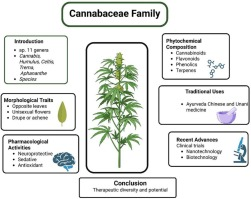
This paper provides the first comprehensive synthesis of the available ethnobotanical, phytochemical, and pharmacological data across all 11 genera to systematically expose this research disparity. It argues that genera such as Trema, Celtis, and Aphananthe, which possess a rich history of use in traditional medicine, represent an underexplored frontier for discovering novel, safer, and non-psychoactive therapeutics.
These genera are rich in flavonoids, polyphenols, triterpenoids, and alkaloids, offering alternatives to THC-based medicines and their associated adverse effects. By juxtaposing the well-characterized pharmacology of Cannabis and Humulus with the nascent data and vast potential of their relatives, this analysis reveals critical knowledge gaps and opportunity costs.
Ultimately, this report presents a strategic roadmap for future research, outlining a multidisciplinary approach and a prioritization model to guide the scientific community.
The aim is to rebalance research priorities and unlock the full medicinal promise of the entire Cannabaceae family, bridging the gap between traditional wisdom and modern drug discovery.”
https://pubmed.ncbi.nlm.nih.gov/41946416
https://www.sciencedirect.com/science/article/abs/pii/S0367326X26001486?via%3Dihub