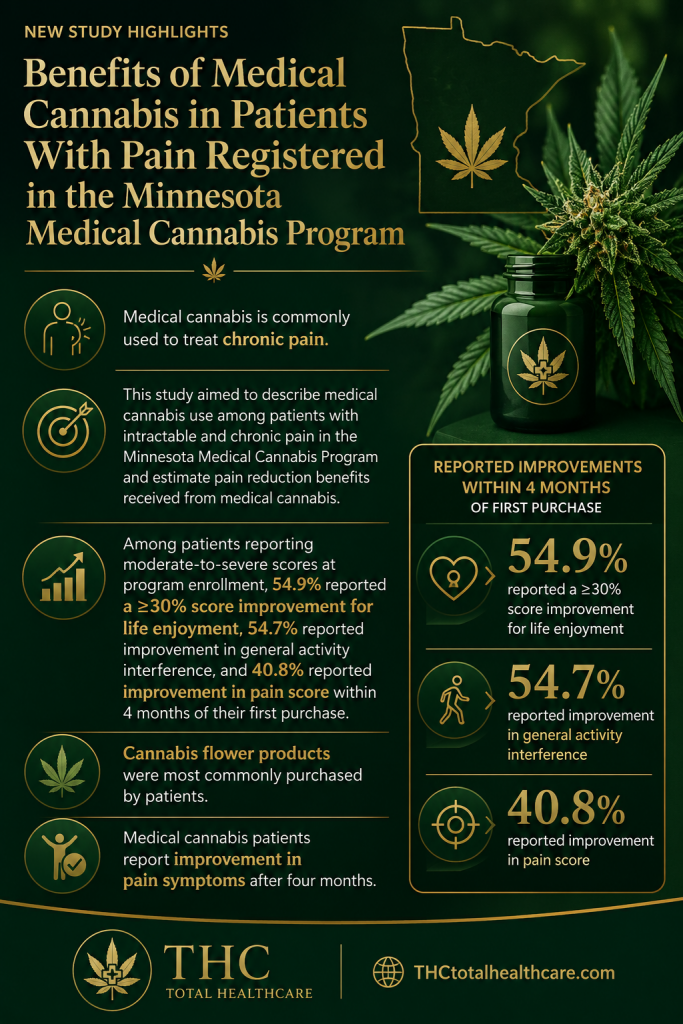
Benefits of Medical Cannabis in Patients With Pain Registered in the Minnesota Medical Cannabis Program

Real-world medical cannabis programs provide an important opportunity to examine how patients with chronic pain respond outside tightly controlled clinical trials. This analysis of participants in Minnesota’s Medical Cannabis Program found that many patients reported meaningful improvements in pain and related symptoms after beginning medical cannabis treatment. Benefits were also reflected in measures of daily functioning and quality of life, suggesting that cannabis may provide broader relief than pain reduction alone for some patients. The findings add large-scale, real-world evidence supporting the role of medical cannabis as a treatment option for people living with persistent pain

Purpose: Medical cannabis is commonly used to treat chronic pain. Clinical trials typically use only one type and dosage of medical cannabis product, which is not reflective of real-world use. The use of a state-run medical cannabis program can bridge the gap between clinical research and real-world use of medical cannabis to estimate the benefits of cannabis use on patient symptoms. This study aimed to describe medical cannabis use among patients with intractable and chronic pain in the Minnesota Medical Cannabis Program and estimate pain reduction benefits received from medical cannabis.

Methods: Patients who enrolled in the Minnesota Medical Cannabis Program between March 2022 and February 2023 for chronic pain and purchased medical cannabis for at least 8 months were included in this study. Patients were required to complete the Patient Self-Evaluation before each medical cannabis purchase, which included the PEG (Pain, Enjoyment of Life, and General Activity) scale. The main outcome of this analysis was a ≥30% change in PEG component score within 4 months of first medical cannabis purchase. The proportion of patients who maintained that reduction for an additional 4 months was also calculated. Medical cannabis product purchases were queried from the first 4 months in the program and categorized by route of administration and tetrahydrocannabinol:cannabidiol ratio. Medical cannabis purchasing profiles were created using k-means clustering to group patients who purchased similar proportions of product types. Adjusted logistic regression models were run to investigate the association between medical cannabis purchasing profile and reporting ≥30% reduction in PEG score.

Findings: Among patients reporting moderate-to-severe scores at program enrollment, 54.9% reported a ≥30% score improvement for life enjoyment, 54.7% reported improvement in general activity interference, and 40.8% reported improvement in pain score within 4 months of their first purchase. Cannabis flower products were most commonly purchased by patients. High tetrahydrocannabinol:cannabidiol products were the most commonly purchased in all medical cannabis product categories. K-means clustering created 5 product purchasing profiles, which were not associated with PEG score improvement outcomes after adjustment for number of purchasing transactions.

Implications: Medical cannabis patients report reduction in PEG scores within 4 months of first medical cannabis purchase using a variety of medical cannabis products. Future research on medical cannabis should determine the frequency of use of different products and administration methods to further investigate how cannabis can be used for effective pain management in patients with chronic pain.”

https://pubmed.ncbi.nlm.nih.gov/42303550

“Medical cannabis patients report improvement in pain symptoms after four months.”

https://www.clinicaltherapeutics.com/article/S0149-2918(26)00187-6/fulltext

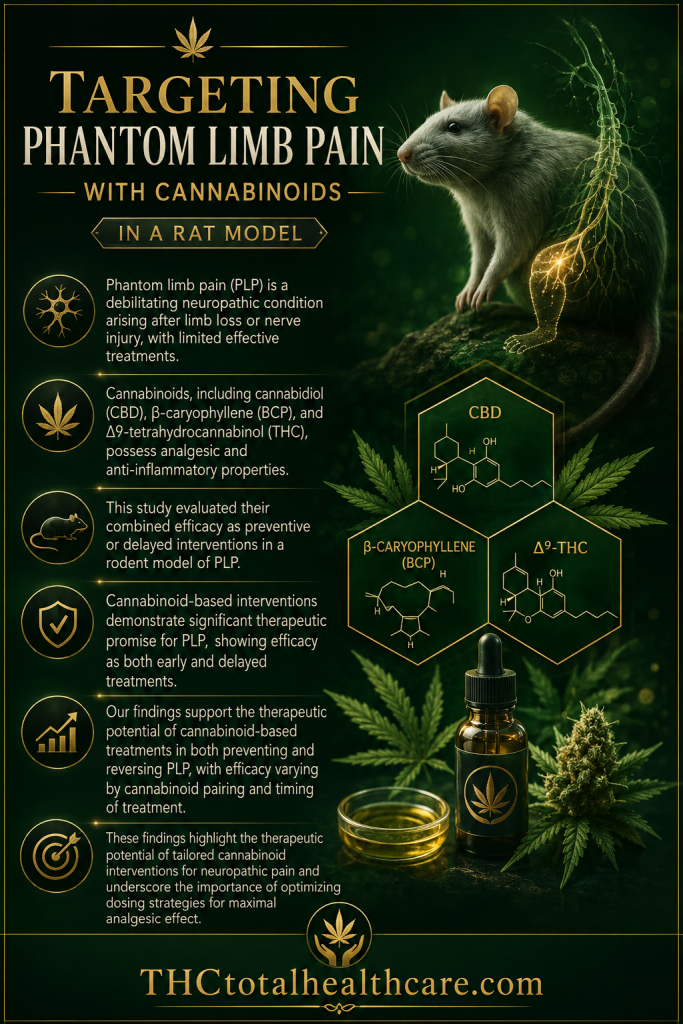
Targeting Phantom Limb Pain with Cannabinoids in a Rat Model

Phantom limb pain can be severe and difficult to treat because the pain persists even after the affected limb is gone. In this preclinical study, researchers tested cannabinoids in a rat model of phantom limb pain and found meaningful reductions in pain-related behaviors. The results suggest that cannabinoid signaling can modify the abnormal nerve activity involved in post-amputation pain, supporting the potential of cannabinoids as a new approach for managing phantom limb pain and other forms of neuropathic pain.

“Introduction: Phantom limb pain (PLP) is a debilitating neuropathic condition arising after limb loss or nerve injury, with limited effective treatments. Cannabinoids, including cannabidiol (CBD), β-caryophyllene (BCP), and Δ9-tetrahydrocannabinol (THC), possess analgesic and anti-inflammatory properties. This study evaluated their combined efficacy as preventive or delayed interventions in a rodent model of PLP.

Methods: To model PLP, a chronic constriction injury was used to mimic pre-amputation pain, followed by formalin-induced localized inflammation and complete sciatic nerve transection to simulate extremity amputation. Cannabinoid treatments (CBD/BCP/THC, CBD/BCP, or THC) or vehicle control were administered either preemptively on the day of axotomy (prevention paradigm) or after the emergence of pain behaviors (reversal paradigm). Progression of pain behaviors were assessed over a 72-day period, and modulation of spinal cytokine levels, glial reactivity, and GABAergic signaling was evaluated.

Results: Preemptive THC or CBD/BCP reduced PLP onset and severity, while the full combination was less effective. In contrast, with delayed treatment, CBD/BCP and the CBD/BCP/THC combination were most effective in mitigating PLP. Pain reduction was correlated with restoration of spinal GABAergic inhibition. All cannabinoid treatments decreased microglial and astrocyte reactivity and shifted cytokines toward an anti-inflammatory state.

Conclusion: Cannabinoid-based interventions demonstrate significant therapeutic promise for PLP, showing efficacy as both early and delayed treatments. Findings suggest that THC may exert greater therapeutic effects when administered pre-emptively, while CBD and BCP may offer greater therapeutic advantages in established pain states. These findings highlight the therapeutic potential of tailored cannabinoid interventions for neuropathic pain and underscore the importance of optimizing dosing strategies for maximal analgesic effect.”

https://pubmed.ncbi.nlm.nih.gov/42267080

“Cannabis contains a complex mixture of cannabinoids, terpenes, and flavonoids that have demonstrated therapeutic potential in a variety of pathologies and conditions. Their anti-inflammatory, analgesic, and antioxidant activities are believed to play a central role in mediating pain relief.”

“Our findings support the therapeutic potential of cannabinoid-based treatments in both preventing and reversing PLP, with efficacy varying by cannabinoid pairing and timing of treatment.

Together, these results underscore the therapeutic promise of cannabinoid-based treatments while highlighting the need to carefully consider how specific compounds and dosing strategies interact in different stages of pain.”

https://karger.com/mca/article/9/1/92/946968/Targeting-Phantom-Limb-Pain-with-Cannabinoids-in-a

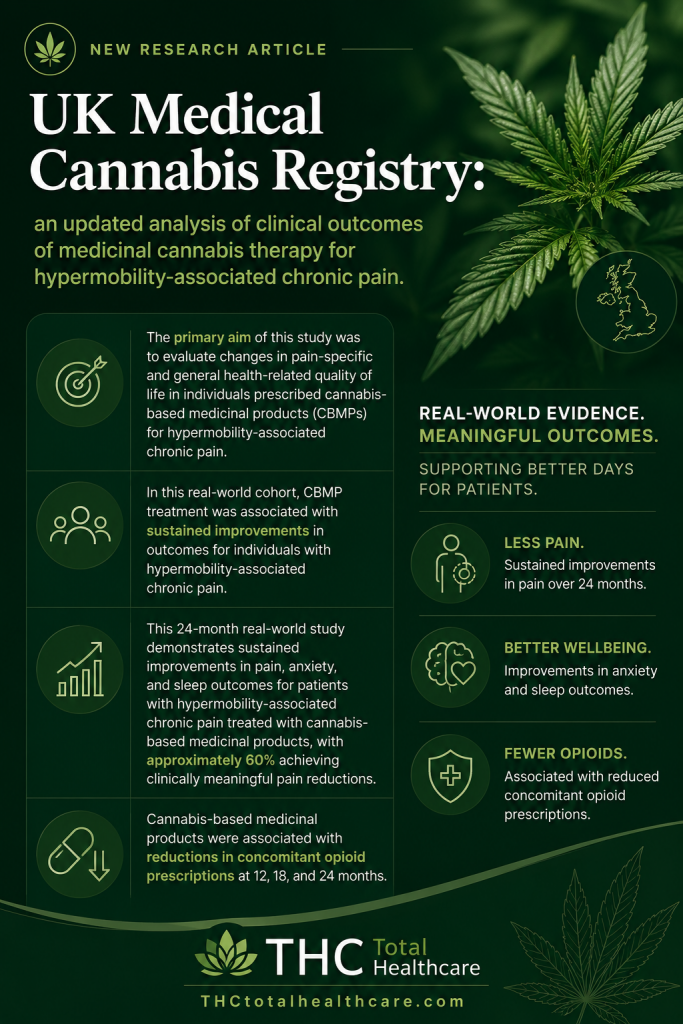
UK Medical Cannabis Registry: an updated analysis of clinical outcomes of medicinal cannabis therapy for hypermobility-associated chronic pain

Hypermobility-associated chronic pain can be persistent, widespread, and difficult to control with conventional treatment. In this updated UK Medical Cannabis Registry analysis, patients receiving medicinal cannabis reported significant improvements in pain, anxiety, sleep, and overall health-related quality of life. The benefits were observed across multiple follow-up points, adding real-world clinical evidence that cannabis-based medicines may help address both the pain itself and several of the symptoms that commonly accompany hypermobility disorders.


“Introduction/objective: 
The primary aim of this study was to evaluate changes in pain-specific and general health-related quality of life in individuals prescribed cannabis-based medicinal products (CBMPs) for hypermobility-associated chronic pain.

Methods: The case series utilised data from the UK Medical Cannabis Registry. Primary outcomes were changes in Brief Pain Inventory (BPI), Pain Visual Analogue Scale (VAS), Short-Form McGill Pain Questionnaire-2 (SF-MPQ-2), EQ-5D-5L index value, Generalised Anxiety Disorder-7 (GAD-7), and Single-item Sleep Quality Scale (SQS) over 24 months. Repeated measures analysis of variance was used to assess changes over time, with post hoc pairwise comparisons performed for significant findings.

Results: A total of 240 patients were analysed. Changes were observed across all patient-reported outcome measures (PROMs) on repeated measures analysis of variance (p < 0.001). Post hoc pairwise comparisons for the BPI subscales, SF-MPQ-2 and Pain VAS demonstrated improvement from baseline to all subsequent timepoints (p < 0.001). By 24 months, 56.67% (n = 136) and 61.25% (n = 147) of participants reported clinically significant improvements in BPI severity and interference respectively. Clinically significant improvements were also reported for SF-MPQ-2 (47.08%, n = 113) and Pain VAS scores (60.00%, n = 144).

Conclusion: In this real-world cohort, CBMP treatment was associated with sustained improvements in outcomes for individuals with hypermobility-associated chronic pain. These findings support the need for further controlled studies to determine causality.

Key Points • This 24-month real-world study demonstrates sustained improvements in pain, anxiety, and sleep outcomes for patients with hypermobility-associated chronic pain treated with cannabis-based medicinal products, with approximately 60% achieving clinically meaningful pain reductions.

• Cannabis-based medicinal products were associated with reductions in concomitant opioid prescriptions at 12, 18, and 24 months.

• This represents the largest and longest-duration observational study of medical cannabis therapy specifically in hypermobility spectrum disorders and Ehlers-Danlos syndrome, addressing a critical evidence gap in chronic pain management.

• Adverse events were predominantly mild-to-moderate in severity, with poor baseline sleep quality and current cannabis use identified as positive predictors of pain improvement, informing patient selection and treatment optimisation.”

https://pubmed.ncbi.nlm.nih.gov/42217098

“This study provides a 24-month real-world evaluation of CBMPs in patients with hypermobility-associated chronic pain. It demonstrates long-term sustained improvement in pain, anxiety and sleep-related outcomes, underpinning health-related quality of life. Despite its observational design, the study provides important insight into potentially addressing an area of significantly unmet therapeutic need.”

https://link.springer.com/article/10.1007/s10067-026-08166-z

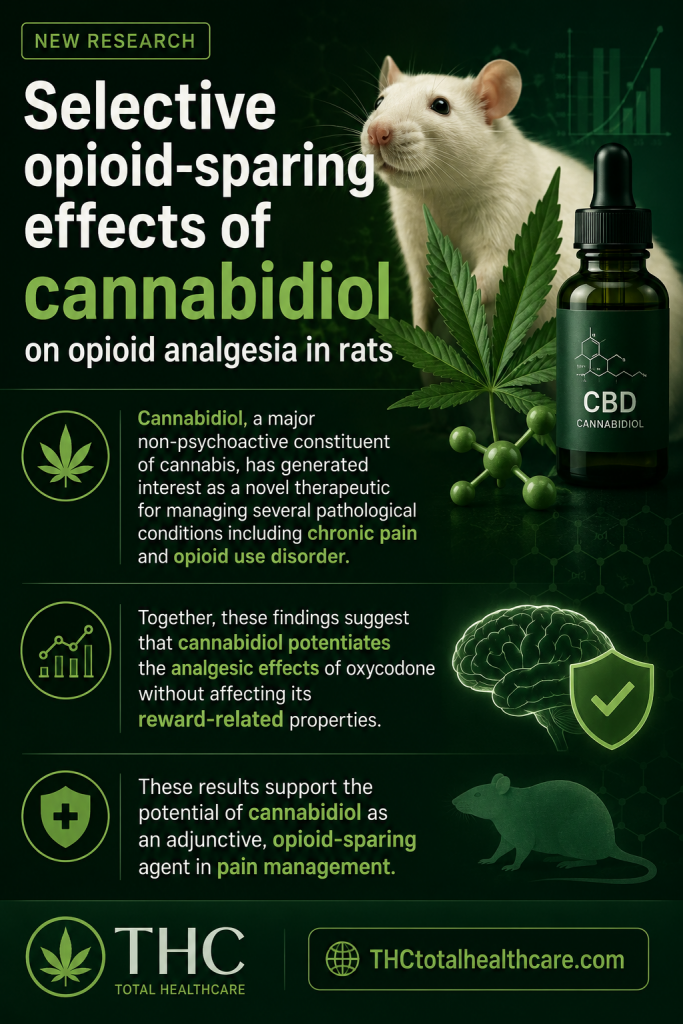
Selective opioid-sparing effects of cannabidiol on opioid analgesia in rats

Reducing opioid exposure while preserving pain relief is a major goal in pain management, and cannabidiol is being studied as a possible opioid-sparing adjunct. In this preclinical study, CBD selectively enhanced aspects of opioid analgesia, allowing effective pain relief with less reliance on opioid signaling in certain conditions. The findings suggest that CBD may help improve the efficiency of opioid pain control rather than simply adding another analgesic effect. This supports further interest in cannabinoid-based strategies designed to reduce opioid requirements while maintaining meaningful pain relief.

“Cannabidiol, a major non-psychoactive constituent of cannabis, has generated interest as a novel therapeutic for managing several pathological conditions including chronic pain and opioid use disorder.

Here, we evaluated the effects of cannabidiol (3.2 or 10.0 mg/kg) on the antinociceptive and the reward-related effects of the opioid analgesic oxycodone (0.56 mg/kg) in rats (male and female Sprague-Dawley) using an operant facial pain assay, locomotor activity monitoring, and the conditioned place preference paradigm.

Cannabidiol enhanced the antinociceptive effect of oxycodone without affecting oxycodone-induced rearing behavior, or the acquisition and expression of oxycodone conditioned place preference under the conditions tested.

Together, these findings suggest that cannabidiol potentiates the analgesic effects of oxycodone without affecting its reward-related properties. These results support the potential of cannabidiol as an adjunctive, opioid-sparing agent in pain management.

PERSPECTIVE: Opioids remain important for treating moderate to severe pain, but adverse effects and misuse liability limit their use. These preclinical findings suggest cannabidiol may enhance oxycodone antinociception under acute painful conditions, without increasing abuse-relevant effects under the conditions tested, supporting further study as an opioid-sparing adjunct.”

https://pubmed.ncbi.nlm.nih.gov/42219047

https://www.jpain.org/article/S1526-5900(26)00156-2/abstract

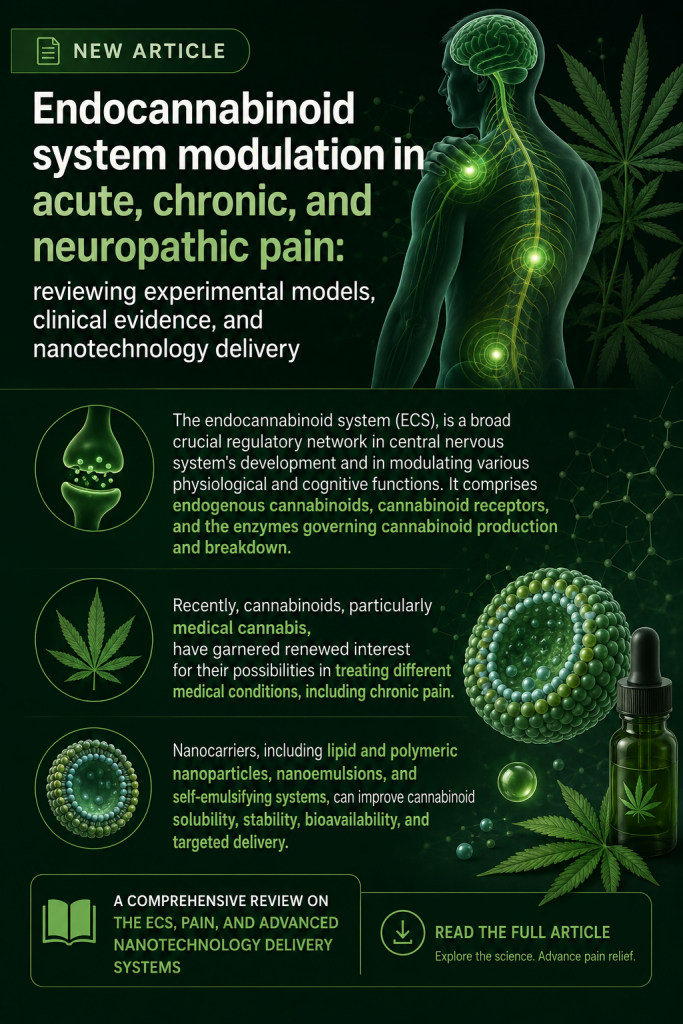
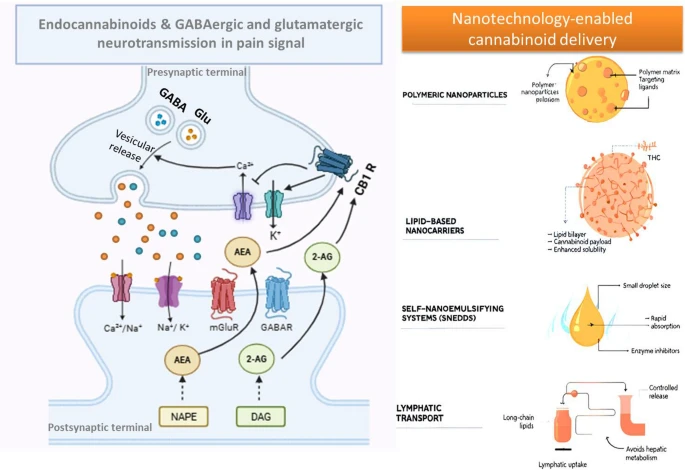
Endocannabinoid system modulation in acute, chronic, and neuropathic pain: reviewing experimental models, clinical evidence, and nanotechnology delivery

The endocannabinoid system is a major regulator of pain signaling, making it an important therapeutic target across acute, chronic, and neuropathic pain conditions. This review brings together experimental and clinical evidence showing that cannabinoid receptor modulation can reduce pain through effects on inflammation, nerve signaling, and central pain processing. It also highlights emerging nanotechnology-based delivery systems designed to improve cannabinoid targeting, absorption, and treatment efficiency. The findings support cannabinoid and endocannabinoid-based strategies as a broad and increasingly sophisticated approach to pain management.

“Chronic pain is highly prevalent and inadequately managed by current therapeutic strategies, which present significant limitations such as the development of tolerance, dependence, and cognitive impairment. Therefore, searching for new pain management strategies is an ultimate goal.

The endocannabinoid system (ECS), is a broad crucial regulatory network in central nervous system’s development and in modulating various physiological and cognitive functions. It comprises endogenous cannabinoids, cannabinoid receptors, and the enzymes governing cannabinoid production and breakdown.

Recently, cannabinoids, particularly medical cannabis, have garnered renewed interest for their possibilities in treating different medical conditions, including chronic pain.

Although the risk of lethal overdose is negligible, the prevalence of non-serious adverse effects is significant and requires careful clinical consideration. Currently, there is a paucity of sufficient efficacy and long-term safety data to fully support the systematic use of medical cannabis for chronic non-malignant pain conditions.

Further research is crucial to unlock the future potential of these approaches and to delineate essential directions for exploring the ECS and its role in pain management. Advances in nanotechnology have enabled novel delivery platforms that address key limitations of cannabinoid-based therapies.

Nanocarriers, including lipid and polymeric nanoparticles, nanoemulsions, and self-emulsifying systems, can improve cannabinoid solubility, stability, bioavailability, and targeted delivery. Through controlled release and site-specific targeting, these systems hold promise for enhancing the analgesic efficacy and safety of cannabinoid therapeutics.”

https://pubmed.ncbi.nlm.nih.gov/42154330

https://link.springer.com/article/10.1007/s11011-026-01862-4

Medical Cannabis as an Opiate Alternative: A Prospective Observational Cohort Study

Medical cannabis is increasingly being studied as a way to reduce reliance on opioid medications in people with chronic pain. In this prospective observational cohort study, patients who used medical cannabis reported meaningful reductions in opioid use alongside improvements in pain and overall quality of life. The findings support the role of cannabis as a potential opioid-sparing treatment option, particularly for patients seeking alternatives to long-term opiate therapy.

“Opioid use for chronic pain has contributed to an epidemic of overdoses and deaths in the United States.

Some clinical studies suggest that medical cannabis may help alleviate pain and improve quality of life. However, cost can be a barrier to patients accessing medical cannabis.

This is the first prospective observational study evaluating medical cannabis as an alternative to opioids in a setting where cost was removed as a major barrier.

Methods: Twenty-nine patients were recruited from a university-based outpatient chronic pain clinic. Each patient underwent monthly pain assessments using the Numeric Pain Rating Scale (NRS). Daily opioid use, measured in morphine milligram equivalents (MMEs), was recorded and monitored over five months. Pain-related quality of life was assessed using the SF-36 Health Survey at baseline, and again at two and five months.

Results: Daily opioid use decreased from baseline to one month (from 46.8 MMEs to 16.2 MMEs, a 65% reduction), and this reduction was maintained through five months. The mean NRS score decreased by two points from baseline to one month (from 7.03 to 5.07; p < 0.0001), and this improvement was sustained at five months. The SF-36 Physical Functioning score increased from 15.3 at baseline to 21.4 at one month and was maintained at five months (p < 0.03 for both comparisons).

Conclusion: These results suggest that medical cannabis may be a useful adjunct therapy for reducing opioid use, relieving chronic pain, and improving health-related quality of life.”

https://pubmed.ncbi.nlm.nih.gov/42153072

“Opioids are associated with serious adverse events, including death, particularly at higher dosages or when used in combination with benzodiazepines.

In contrast, medical cannabis has not been associated with mortality from overdose. When used under appropriate medical supervision, medical cannabis may represent an effective adjunctive strategy for reducing opioid use among patients receiving long-term opioid therapy.

“Although cannabis has historically been characterized as a potential “gateway drug,” it may also serve as a harm-reduction tool for some patients seeking to reduce reliance on higher-risk opioid medications.”

https://www.cureus.com/articles/432327-medical-cannabis-as-an-opiate-alternative-a-prospective-observational-cohort-study#!

Effect of cannabidiol, cannabinol and tetrahydrocannabivarin in managing inflammatory pain

Cannabinoid research on inflammatory pain is expanding beyond THC to include lesser-known compounds with distinct biological effects. In this study, cannabidiol (CBD), cannabinol (CBN), and tetrahydrocannabivarin (THCV) each showed potential to reduce inflammatory pain through cannabinoid-related and anti-inflammatory mechanisms. The findings suggest that these cannabinoids may offer different but complementary approaches to controlling pain and inflammation, broadening the range of cannabis-derived compounds being investigated for analgesic therapy.

“Current medications used to treat the inflammatory pain either have limited effectiveness or may be associated with serious side effects. Non-psychoactive phytocannabinoids may have a better safety profile and could be used as an alternative approach to treat this condition.

The aim of this study was to test the potential of three phytocannabinoids, cannabinol (CBN), tetrahydrocannabivarin (THCV) and cannabidiol (CBD), in treating inflammatory pain.

The inflammatory pain was triggered in male rats by a single intra-articular knee injection of the complete Freund’s adjuvant (CFA). One week later, rats were given four daily administrations of ibuprofen, CBN, THCV or CBD. Our data demonstrated that CFA injection triggered an inflammatory response expressed as damage of the synovial tissue, reduced locomotor activity, increased mechanical and, to a lesser extent, thermal pain sensitivity, and loss of body weight.

All phytocannabinoids reduced mechanical hyperalgesia and had no or a minor effect on locomotor activity.

Treatment with CBN also lowered thermal hypersensitivity. Treatment with CBN and THCV recovered the body weight of CFA-injected rats. However, administration of CBD reduced body weight and elevated blood monocyte and granulocyte levels above those of the CFA-injected control animal group.

We conclude that CBN and THCV may have potential in managing inflammatory pain.”

https://pubmed.ncbi.nlm.nih.gov/42151379

https://www.nature.com/articles/s41598-026-51275-7

Assessing the Efficacy of Cannabinoid Compositions for Treating 3 Classes of Chronic Pain: A Real-World Evidence Study

Cannabinoid therapies may provide broad benefits across very different forms of chronic pain. In this 12-week real-world study involving people with fibromyalgia, rheumatoid arthritis, and osteoarthritis, participants using three different cannabinoid formulations showed significant improvements across nearly every measured symptom, with effects ranging from small to large. Benefits were seen across pain-related symptoms, mental health, physical functioning, and sleep, while one formulation containing THCA, CBDA, CBG, and CBC also reduced neuropathic pain intensity. The findings suggest that both intoxicating and nonintoxicating cannabinoid combinations can provide meaningful relief across multiple chronic pain conditions.

Purpose: Cannabis has been determined to be effective at treating chronic pain, although research on the effects of specific cannabinoids, especially for different mechanisms of chronic pain, is limited. This study examined therapeutic efficacy for combinations of intoxicating and nonintoxicating cannabinoids for symptoms of 3 different types of chronic pain conditions.

Methods: We recruited adult California residents diagnosed with fibromyalgia (n = 64), rheumatoid arthritis (n = 25), and osteoarthritis of the knee and/or hip (n = 75). Participants in each group were randomly assigned to receive a 12-week supply of oral capsules with 3 different cannabinoid compositions: product 1-12.5 mg cannabidiol (CBD) and 12.5 mg tetrahydrocannabinol (n = 45); product 2-10 mg tetrahydrocannabinolic acid, 10 mg cannabidiolic acid (CBDa), 5 mg cannabigerol, and 3 mg cannabichromene (n = 57); and product 3-10 mg CBD and 10 mg CBDa (n = 62). Participants completed validated self-report questionnaires assessing pain characteristics, mental health and cognitive functioning, and physical functioning at baseline and 12-week timepoints.

Findings: Of 276 individuals recruited, 168 (60.9%) completed all survey questionnaires. Four individuals who completed the questionnaires but discontinued study product use were removed from the dataset. Per-protocol analyses identified significant improvements across all symptoms except cognitive function abilities. Effects ranged from small to large; most did not differ in magnitude across product or type of chronic pain. Products differed in effectiveness for sleep disturbance, and participants taking product 2 reported reductions in neuropathic pain intensity.

Implications: These findings suggest that various cannabinoid combinations may have beneficial effects across 3 different types of chronic pain. Nonintoxicating cannabinoids such as CBD and CBDa may provide relief from pain and related symptoms and may be utilized when cannabis intoxication is undesirable or problematic.”

https://pubmed.ncbi.nlm.nih.gov/42140793

“Various cannabinoid combinations may have therapeutic benefits across 3 different types of chronic pain.”

https://www.clinicaltherapeutics.com/article/S0149-2918(26)00136-0/abstract

The greater the pleiotropic effects, the greater the benefits – cannabis as a “biopsychosocial” drug: a mixed-methods study on chronic non-cancer pain

Chronic non-cancer pain affects far more than physical sensation, often disrupting sleep, mood, daily function, and social well-being. In this mixed-methods study, patients using cannabis reported benefits across multiple dimensions of pain, including symptom relief, improved sleep, better emotional well-being, and enhanced day-to-day functioning. The findings support the idea that cannabis may work as a biopsychosocial treatment, with its broader “pleiotropic” effects providing value across several interconnected aspects of chronic pain rather than targeting pain intensity alone.

Background: Against the background of widely inconsistent data from randomized controlled trials (RCT), the use of cannabis-based medicines (CBM) from the perspective of patients with chronic non-cancer pain (CNCP) was described.

Methods: Based on a purposive/convenient sampling, patients were recruited from the Pain Clinic of Hannover Medical School who had been using CBM prescribed by a doctor for at least 6 months. The patients discussed their experiences with CBM in semi-structured individual interviews. The interview transcripts were coded and analyzed using a modified grounded theory approach with the help of MAXQDA®. In addition, the Treatment Satisfaction Questionnaire with Medication (TSQM) was used.

Results: Theoretical saturation was reached after 32 interviews. Open and selective coding revealed the overarching phenomenon of “subjective pain experience under CBM therapy”, with one of the main themes being the “effect of CBM”. This revealed the categories “effect on pain” and “psychological” and “somatic effect”. The most important concepts were “pain intensity”, “pain management”, “stress management”, “musculoskeletal system”, and “sleep quality.” Constructing a theoretical framework 4 groups of responses to CBM treatment were identified. The focus is either on (I) pain reduction, (II) pain coping, (III) reduced stress or (IV) multidimensional aspects. When this classification was applied to topic of quality of life (QOL), the greatest effectiveness and highest overall satisfaction were found in group (IV). Mixed methods showed a continuous increase in the perceived effectiveness of CBM on pain-centered complaints from group (I) to (IV).

Conclusions: In line with the biopsychosocial understanding of chronic pain, it appears that those CNCP patients who benefit most from CBM are those who show the most far-reaching effects on both a physical and psychological level. The pleiotropic effects of CBM may be responsible for this. Based on these results, interdisciplinary prospective research appears sensible and necessary to further and systematically investigate this clinically relevant topic.”

https://pubmed.ncbi.nlm.nih.gov/42015327

https://link.springer.com/article/10.1186/s42238-026-00440-w

Electrophysiological modulation of pain‑related sodium channels by cannabinoids: a systematic review

Cannabinoids may reduce pain in part by directly modulating sodium channels that control how pain signals are generated and transmitted through nerves. This systematic review examined electrophysiological evidence showing that several cannabinoids can inhibit pain-related voltage-gated sodium channels, including subtypes involved in neuropathic and inflammatory pain. The findings provide a clear mechanistic basis for cannabinoid analgesia beyond CB1 and CB2 receptor signaling and highlight sodium-channel modulation as another important pathway through which cannabis-derived compounds may reduce pain.

“Voltage-gated sodium channels regulate dorsal root ganglion excitability and are critical for nociceptive transmission. Cannabidiol (CBD) and related phytocannabinoids have been proposed to modulate these channels, offering potential non-opioid analgesic strategies. This systematic review evaluated their in vitro effects on pain-related sodium channels, focusing on electrophysiological and biophysical mechanisms.

Following PRISMA guidelines, Embase®, LILACS®, PubMed®/MEDLINE®, and Scopus® were searched using the SPIDER strategy. Eligible studies evaluated CBD or its derivatives on voltage-gated sodium channels Nav1.3, Nav1.6, Nav1.7, Nav1.8, and Nav1.9 through electrophysiological assays. Data extraction and analysis were conducted independently by two reviewers, with inter-rater agreement assessed by Cohen’s kappa. Seven studies met the inclusion criteria.

CBD consistently inhibited sodium currents with IC₅₀ values in the low micromolar range (2–3.3 µM), reduced action potential firing, induced hyperpolarizing shifts in steady-state inactivation, and delayed recovery from inactivation. Other phytocannabinoids, such as cannabigerol, cannabinol, cannabigerolic acid, and cannabidivarinic acid, also inhibited sodium channels, though with variable potency and distinct effects on channel gating.

Cannabinoids, particularly CBD, act as non-selective inhibitors of voltage-gated sodium channels implicated in pain signaling. Their ability to stabilize inactivated channel states and reduce neuronal excitability supports their therapeutic potential in neuropathic pain. These findings highlight the relevance of phytocannabinoids as promising candidates for the development of non-opioid analgesics.”

https://pubmed.ncbi.nlm.nih.gov/41987259

https://link.springer.com/article/10.1186/s42238-026-00436-6