Phytochemistry-Guided Green Synthesis of Antimicrobial Silver Nanoparticles from Cannabis sativa Chemovars

Cannabis sativa contains a diverse mixture of phytochemicals that may also be useful in the development of antimicrobial materials.

In this study, researchers used extracts from different cannabis chemovars to guide the green synthesis of silver nanoparticles and examined how differences in plant chemistry influenced nanoparticle formation and biological activity.

The resulting nanoparticles showed antimicrobial potential, highlighting how cannabis-derived compounds may serve as natural reducing and stabilizing agents in the development of new bioactive nanomaterials.

“The phytochemical variability in Cannabis sativa L. chemovars represents an underexplored factor in environmentally sustainable nanomaterial production.

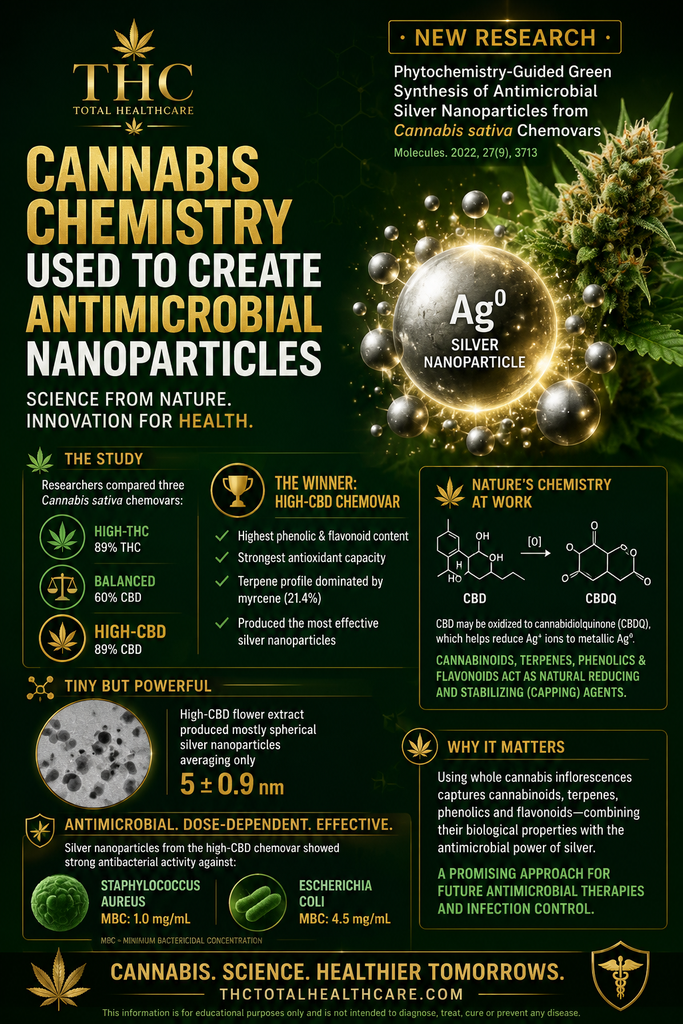
In this study, three distinct chemovars, (i) High-Δ9-Tetrahydrocannabinol (THC) (89% THC), (ii) Balanced (60% Cannabidiol (CBD)), and (iii) High-CBD (89% CBD), were comparatively evaluated to determine their suitability for the green synthesis of silver nanoparticles (AgNPs).

Ethanolic inflorescence extracts were used to recover bioactive secondary metabolites; among them, the High-CBD extract exhibited the highest total phenolic (3.34 mg gallic acid equivalent/g) and flavonoid (29.49 mg quercetine equivalent/g) contents, together with superior antioxidant capacity (53.16% 2,2-diphenyl-1-picrylhydrazyl free radical (DPPH) inhibition), indicating enhanced redox potential for nanoparticle formation. The terpene profile of High-CBD showed a dominance of myrcene (21.4%), contributing to the stabilization of the system.

Using the High-CBD extract, predominantly spherical nanoparticles of 5 ± 0.9 nm were synthesized and confirmed by UV-vis, EDS, and TEM. The biogenic AgNPs demonstrated significant dose-dependent antibacterial activity, with minimum bactericidal concentration (MBC) of 1.0 mg/mL against Staphylococcus aureus and 4.5 mg/mL against Escherichia coli.

These findings highlight the critical role of chemovar-dependent phytochemical composition and support a phytochemistry-guided approach for developing silver nanoparticles with potential biomedical applications.”

https://pubmed.ncbi.nlm.nih.gov/42123299

“This approach pursues to emphasize the relevance of full-spectrum compositions in cannabis extracts, particularly considering the reported ‘entourage effect’, where synergistic interactions among metabolites may enhance biological activity.”

“As a recognized medicinal plant, utilizing these inflorescence-derived compounds imparts an intrinsic therapeutic ‘added value’ to the nanoparticles.”

“By leveraging the synergistic potential between the plant’s bioactive constituents … and the antimicrobial silver core, this method offers an enhanced potential for biomedical applications compared to traditional chemical synthesis.”

“The successful synthesis of small, stable, and biologically active silver nanoparticles using the High-CBD extract underscores the potential of phytochemistry-guided strategies in advancing green nanotechnology for biomedical applications.”

https://www.mdpi.com/1422-0067/27/9/3713

Antimicrobial Agents in Fibrous Materials: A Comprehensive Review of Natural, Inorganic, and Organic Systems

Fibrous materials are increasingly being engineered to do more than provide structure—they can also be designed to resist microbial growth.

This review examines natural, inorganic and organic antimicrobial agents used in fibers and textiles, including plant-derived materials such as hemp. It explores how these agents are incorporated into fibrous systems and how they may help create surfaces with antibacterial and other protective properties.

The review highlights the growing role of bio-based fibers and antimicrobial technologies in developing safer, more functional materials.

“The escalating threat of antimicrobial resistance has spurred extensive research into antimicrobial fibers.

While numerous reviews have comprehensively cataloged the classification and mechanisms of natural, inorganic, and organic antimicrobial agents, a critical gap remains: few have systematically evaluated the engineering strategies that translate intrinsic biocidal activity into durable, real-world fiber performance.

This review addresses this gap by shifting focus from encyclopedic enumeration to a problem-oriented critical assessment of performance optimization strategies. We examine recent advances in natural fibers (bamboo, hemp, chitosan, jute) and synthetic fibers modified with antimicrobial agents, with emphasis on three core challenges-poor wash durability of natural agents, aggregation and leaching of inorganic nanoparticles (e.g., Ag, ZnO, MOFs), and structural limitations of organic agents (e.g., QACs, QPSs, N-halamines, PHMB). Key optimization routes, including covalent grafting, microstructural control (e.g., triaxial microfluidic spinning), organic-inorganic hybridization, and rechargeable N-halamine systems, are critically assessed for their effectiveness in enhancing washing resistance, stability, and antimicrobial synergy.

Based on this comparative synthesis, we identify future directions-smart-responsive systems, sustainable processing pathways, and standardized evaluation protocols-to guide the rational design of next-generation high-performance antimicrobial fibers.”

https://pubmed.ncbi.nlm.nih.gov/42513717

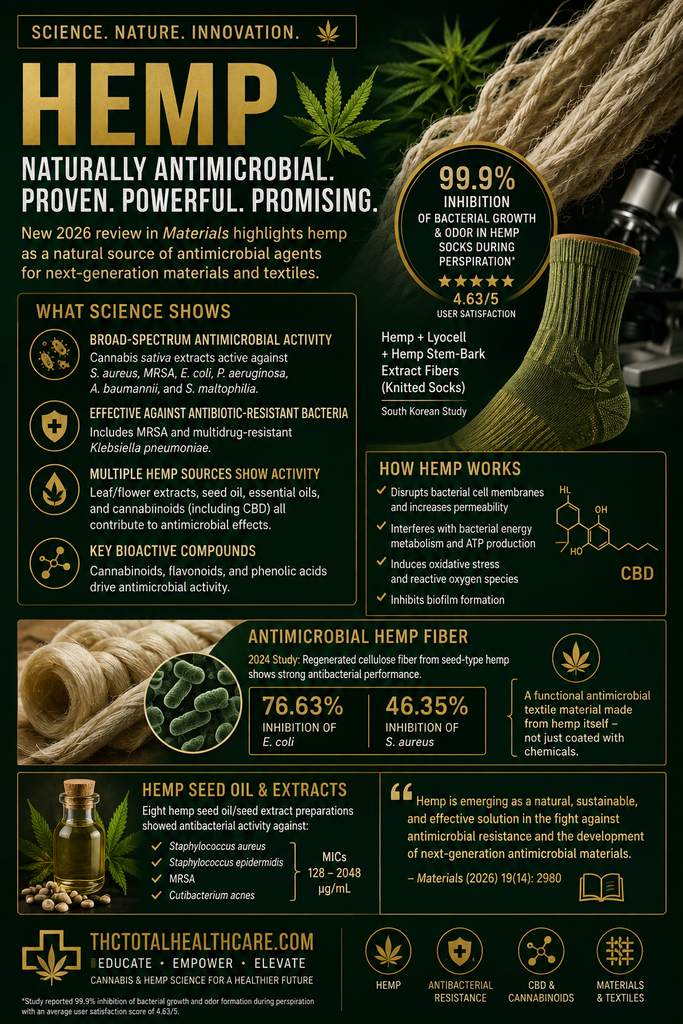
“Zhao and colleagues successfully converted seed-type hemp into regenerated cellulosic fibers through sequential degumming, pulping, and spinning processes”

“The resultant fibers exhibited significant antimicrobial effectiveness”

“The observed antimicrobial effects are primarily attributed to cannabinoids and their derivatives.”

“As global healthcare and sustainability challenges change, antimicrobial fibers are set to be crucial components in innovative solutions for public health protection and advanced material applications.”

https://www.mdpi.com/1996-1944/19/14/2980


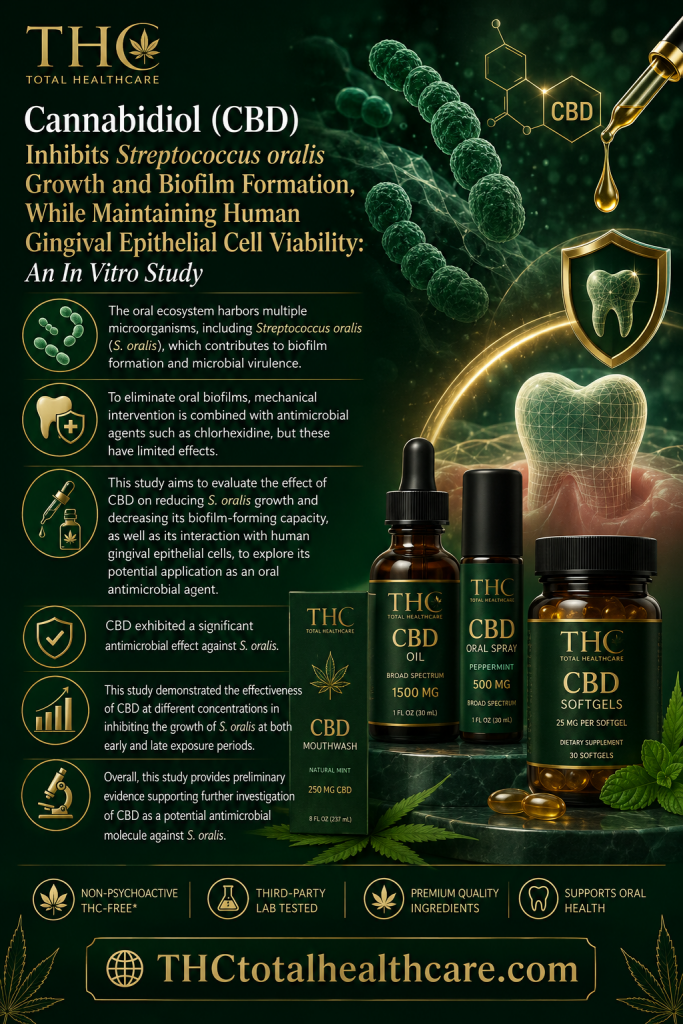
Cannabidiol (CBD) Inhibits Streptococcus oralis Growth and Biofilm Formation, While Maintaining Human Gingival Epithelial Cell Viability: An In Vitro Study

Dental biofilms can contribute to persistent oral infections and are often difficult to control with conventional antimicrobial approaches. Researchers are now exploring cannabidiol (CBD) as a potential oral antimicrobial, with laboratory findings showing activity against Streptococcus oralis, reduced biofilm formation, and maintained viability of human gingival epithelial cells at the concentrations tested.

Background: The oral ecosystem harbors multiple microorganisms, including Streptococcus oralis (S. oralis), which contributes to biofilm formation and microbial virulence. To eliminate oral biofilms, mechanical intervention is combined with antimicrobial agents such as chlorhexidine, but these have limited effects. Such intervention could benefit natural antimicrobial compounds, including cannabidiol (CBD).

Aim: This study aims to evaluate the effect of CBD on reducing S. oralis growth and decreasing its biofilm-forming capacity, as well as its interaction with human gingival epithelial cells, to explore its potential application as an oral antimicrobial agent.

Methodology: S. oralis was cultured in the presence of different concentrations of CBD. Bacterial growth was evaluated at different time points postexposure to CBD. Bacterial biofilm formation was investigated after 3 days of exposure to CBD using histological and quantitative analyses. The interaction between CBD and gingival epithelial cells was assessed using cell morphology, cell adhesion, and cell viability/proliferation assays.

Results: CBD inhibited planktonic growth of S. oralis in a concentration-dependent manner with a minimum inhibitory concentration (MIC) of 6.25 μg/mL and a minimum bactericidal concentration (MBC) of 25 μg/mL. CBD also significantly (p < 0.01) decreased S. oralis biofilm by disrupting its architecture. The effect on the bacterial growth and its capacity to form biofilms was observed even with a low concentration (3.12 μg/mL) of CBD. Given that antimicrobial molecules should be effective against biofilm-associated bacteria while maintaining compatibility with host tissues, this study showed that concentrations (3.12, 6.25, and 12.5 μg/mL) of CBD we tested have anti-S. oralis effect maintained human gingival epithelial cell viability.

Conclusion: CBD exhibited a significant antimicrobial effect against S. oralis. Although the bactericidal concentration was higher than the range tested in gingival epithelial cells, low and intermediate CBD concentrations inhibited S. oralis growth and biofilm formation while maintaining cell viability after 24 h of exposure. These findings provide preliminary evidence supporting further investigation of the antimicrobial and antibiofilm properties of CBD in oral health contexts.”

https://pubmed.ncbi.nlm.nih.gov/42597385

“This study demonstrated the effectiveness of CBD at different concentrations in inhibiting the growth of S. oralis at both early and late exposure periods.

Overall, this study provides preliminary evidence supporting further investigation of CBD as a potential antimicrobial molecule against S. oralis.”

https://onlinelibrary.wiley.com/doi/10.1155/ijod/4609857

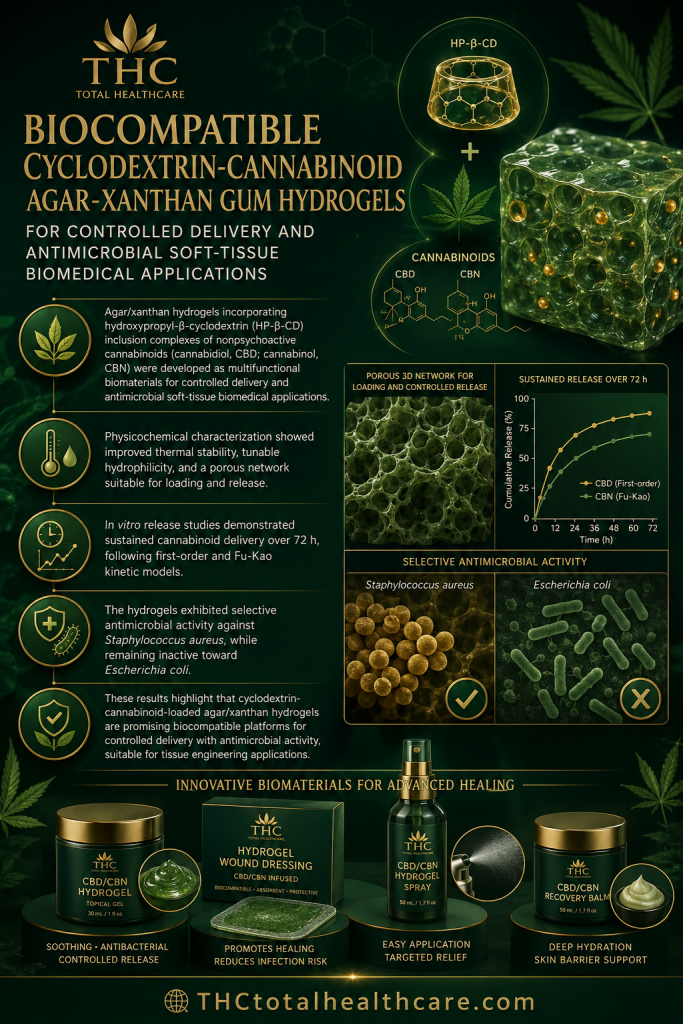
Biocompatible Cyclodextrin-Cannabinoid Agar-Xanthan Gum Hydrogels for Controlled Delivery and Antimicrobial Soft-Tissue Biomedical Applications

Researchers developed biocompatible hydrogels containing CBD and CBN designed for controlled cannabinoid delivery to soft tissue. The formulations provided sustained release for up to 72 hours, showed selective antibacterial activity against Staphylococcus aureus, and remained noncytotoxic to human skin fibroblasts, supporting their potential use in localized drug delivery and tissue-engineering applications

“Agar/xanthan hydrogels incorporating hydroxypropyl-β-cyclodextrin (HP-β-CD) inclusion complexes of nonpsychoactive cannabinoids (cannabidiol, CBD; cannabinol, CBN) were developed as multifunctional biomaterials for controlled delivery and antimicrobial soft-tissue biomedical applications.

Physicochemical characterization showed improved thermal stability, tunable hydrophilicity, and a porous network suitable for loading and release. In vitro release studies demonstrated sustained cannabinoid delivery over 72 h, following first-order and Fu-Kao kinetic models.

The hydrogels exhibited selective antimicrobial activity against Staphylococcus aureus, while remaining inactive toward Escherichia coli. Cytocompatibility assays with human skin fibroblasts confirmed noncytotoxic behavior over 7 days for all hydrogel formulations tested.

These results highlight that cyclodextrin-cannabinoid-loaded agar/xanthan hydrogels are promising biocompatible platforms for controlled delivery with antimicrobial activity, suitable for tissue engineering applications.”

https://pubmed.ncbi.nlm.nih.gov/42597876

“All these results demonstrate that combining agar/xanthan hydrogels with HPβ-CD–cannabinoid inclusion complexes yields multifunctional, biocompatible materials with controlled release and selective antibacterial activity, making them promising candidates for soft-tissue local controlled-release applications.”

https://pubs.acs.org/acsodf/article/11/31/46955/5232225/Biocompatible-Cyclodextrin-Cannabinoid-Agar

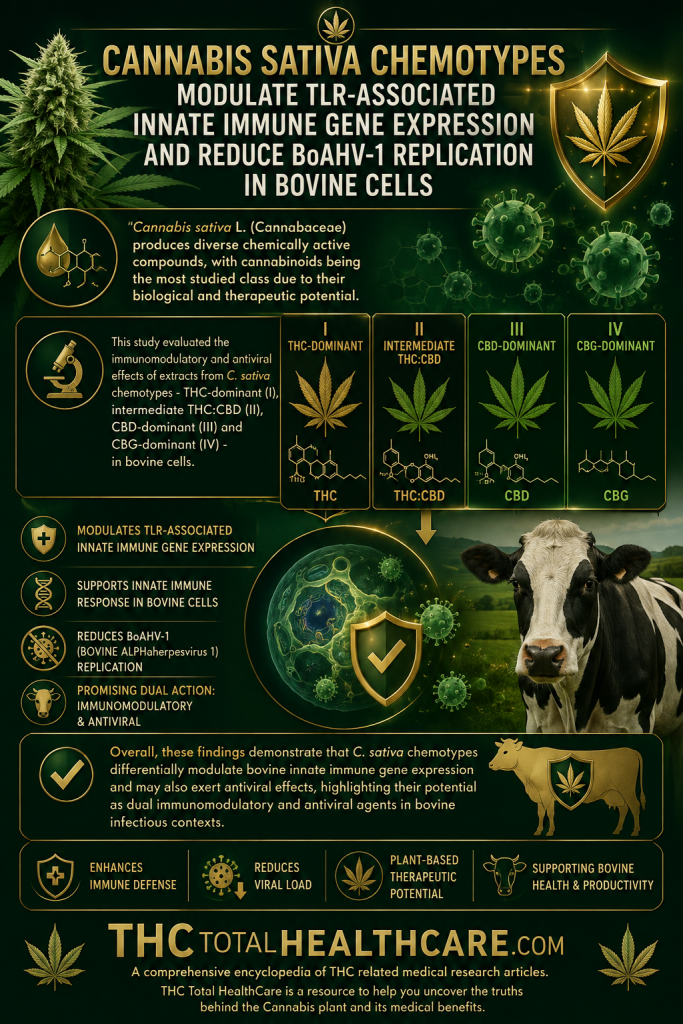
Cannabis sativa chemotypes modulate TLR-associated innate immune gene expression and reduce BoAHV-1 replication in bovine cells

Cannabis compounds may influence antiviral defenses as well as inflammation. In bovine cells infected with bovine alphaherpesvirus 1, selected Cannabis sativa chemotypes altered TLR-associated innate immune gene expression and reduced viral replication, suggesting that cannabis-derived compounds may have broader immunomodulatory and antiviral potential worth further investigation.

“Cannabis sativa L. produces a wide range of bioactive metabolites, including phytocannabinoids such as tetrahydrocannabinol (THC), cannabidiol (CBD) and cannabigerol (CBG), which exhibit antiviral activity and modulate innate immune responses through Toll-like receptors (TLRs), particularly TLR4 and TLR7. The cross-regulation between cannabinoids and TLRs can influence the production of cytokines and antimicrobial peptides.

Given their key role in orchestrating innate immunity, particularly inflammatory responses and antiviral activity, understanding these processes in bovine immune cells is essential.

This study evaluated the immunomodulatory and antiviral effects of extracts from C. sativa chemotypes – THC-dominant (I), intermediate THC:CBD (II), CBD-dominant (III) and CBG-dominant (IV) – in bovine cells.

In peripheral blood mononuclear cells, chemotype I induced an enhanced inflammatory response, increasing TLR4 and BMAP28 transcription and pro-inflammatory cytokine expression at both transcriptional and protein levels. Similarly, chemotype IV promoted a pro-inflammatory profile characterised by increased TLR4, BMAP28 and IFNβ expression, as well as elevated TNFα protein levels.

In contrast, chemotypes II and III elicited anti-inflammatory effects. Chemotype III decreased TLR4, TLR7, BMAP28, TNFα and IFNβ transcription, although IFNγ protein levels increased. Chemotype II produced a comparable, although less pronounced, anti-inflammatory pattern, reducing TLR4, TLR7, TNFα and IFNβ while increasing BMAP28. Additionally, chemotypes II, III, and IV exhibited antiviral activity in BoAHV-1-infected MDBK cells, significantly reducing viral titres at 48 h post-infection.

Overall, these findings demonstrate that C. sativa chemotypes differentially modulate bovine innate immune gene expression and may also exert antiviral effects, highlighting their potential as dual immunomodulatory and antiviral agents in bovine infectious contexts.”

https://pubmed.ncbi.nlm.nih.gov/42561569

Cannabis sativa L. (Cannabaceae) produces diverse chemically active compounds, with cannabinoids being the most studied class due to their biological and therapeutic potential.”

https://www.sciencedirect.com/science/article/abs/pii/S0161589026001768?via%3Dihub


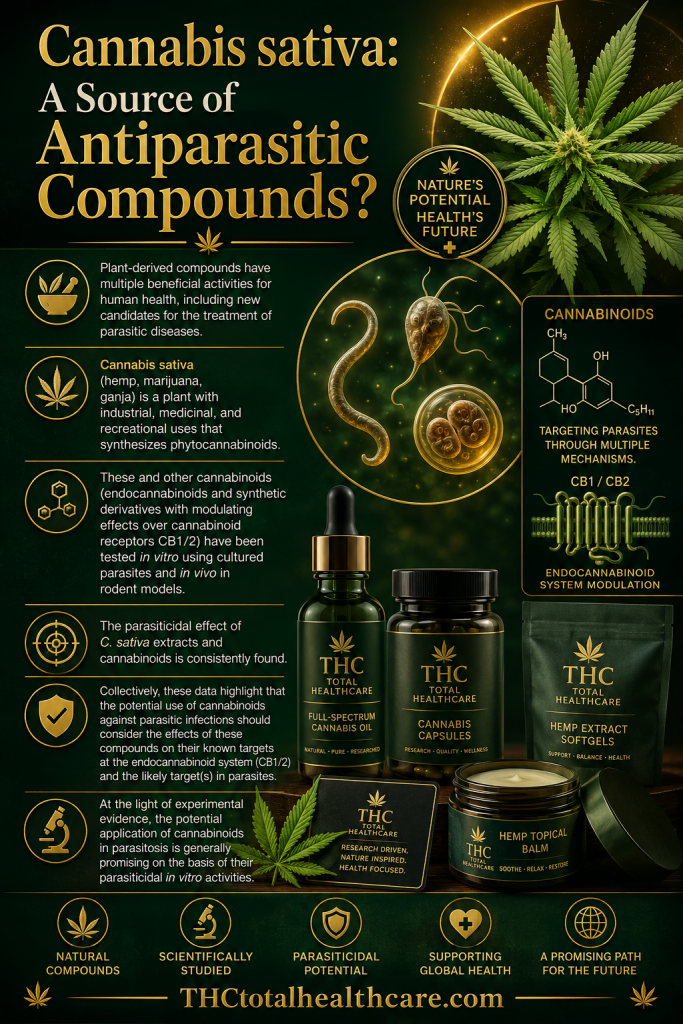
Cannabis sativa: A Source of Antiparasitic Compounds?

The medicinal potential of Cannabis sativa extends well beyond the conditions most commonly associated with cannabinoid research. This review examines experimental evidence that cannabis extracts and cannabinoids may also have direct activity against parasites responsible for diseases including malaria, toxoplasmosis, Chagas disease, leishmaniasis, schistosomiasis, and other parasitic infections. Across laboratory and animal studies, researchers have repeatedly observed antiparasitic effects, while also finding that CB1 and CB2 receptor activity can influence parasite burden and host survival in complex, organism-specific ways. The findings suggest that cannabinoids deserve further investigation not only for their effects on the human endocannabinoid system, but also for their potential ability to act directly on biological targets within parasites themselves.

Cannabis sativa (hemp, marijuana, ganja) is a plant with industrial, medicinal, and recreational uses that synthesizes phytocannabinoids, a group of compounds from which tetrahydrocannabinol (THC) and cannabidiol (CBD) outstand by their known high and low psychoactive properties.

These and other cannabinoids (endocannabinoids and synthetic derivatives with modulating effects over cannabinoid receptors CB1/2) have been tested in vitro using cultured parasites and in vivo in rodent models of protozoosis affecting the central nervous system as are amoebic encephalopathy, cerebral malaria, brain toxoplasmosis as well as Chagas disease and Leishmaniasis. Helminthiasis mainly includes Nippotrongyloidosis and Schistosomiasis and even their effects on ticks as Boophilus have been reported.

The parasiticidal effect of C. sativa extracts and cannabinoids is consistently found although some points of concern arise from animal models because CB1 or CB2 inactivation/inhibition led to distinct outcomes –beneficial or deleteriousin parasite load and host survival, depending on the organism studied. Possible parasitic targets of cannabinoids include arginase, acetylcholinestherase and haemozoin, a product of hemoglobin digestion.

Collectively, these data highlight that the potential use of cannabinoids against parasitic infections should consider the effects of these compounds on their known targets at the endocannabinoid system (CB1/2) and the likely target(s) in parasites.”

“Plant-derived compounds have multiple beneficial activities for human health, including new candidates for the treatment of parasitic diseases. Among these are macrocyclic lactones terpenes and polyphenols. Unlike most plant species, C. sativa (hemp, marijuana or ganja) is a rich source of both products of industrial interest and phytomedicinal compounds as well”

“At the light of experimental evidence, the potential application of cannabinoids in parasitosis is generally promising on the basis of their parasiticidal in vitro activities”

https://biomedres.us/fulltexts/BJSTR.MS.ID.007960.php


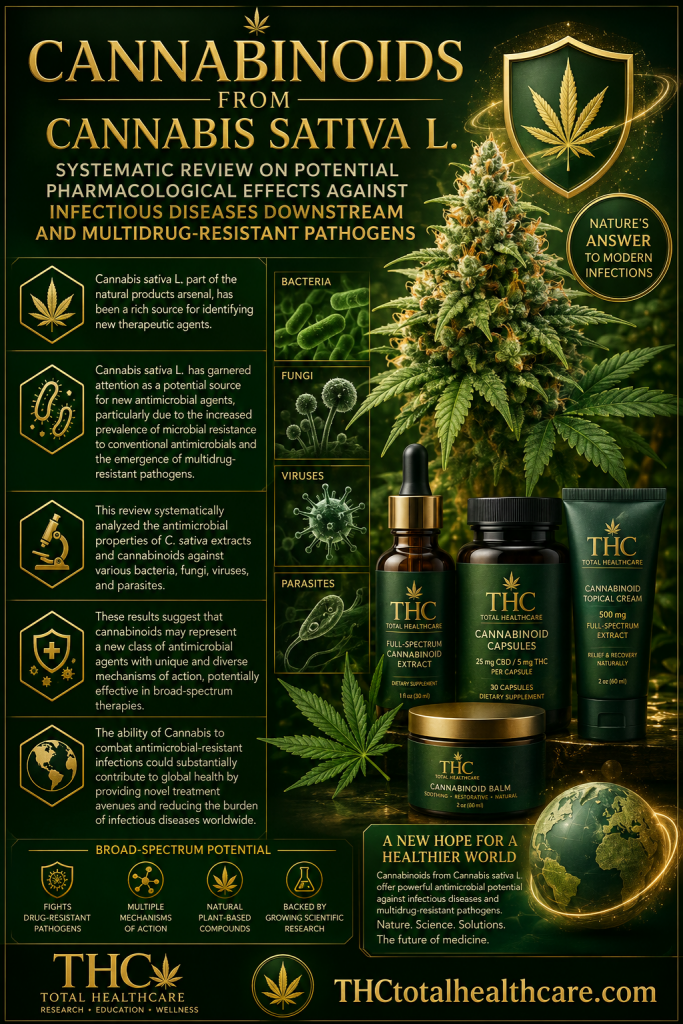
Cannabinoids from C. sativa L.: Systematic Review on Potential Pharmacological Effects against Infectious Diseases Downstream and Multidrug-Resistant Pathogens

As antimicrobial resistance continues to erode the effectiveness of existing drugs, researchers are increasingly looking to natural compounds for new ways to fight infectious disease. This systematic review brings cannabis into that search, examining more than 100 published studies involving cannabinoids and Cannabis sativa extracts. The evidence spans bacteria, fungi, viruses, and parasites, with CBD emerging prominently in research involving organisms such as MRSA, Pseudomonas aeruginosa, Candida species, and several parasitic pathogens. While much of the evidence remains preclinical, the review concludes that cannabinoids warrant further investigation as potential antimicrobial agents, including possible use alongside conventional therapies against multidrug-resistant infections.

Cannabis sativa L. has garnered attention as a potential source for new antimicrobial agents, particularly due to the increased prevalence of microbial resistance to conventional antimicrobials and the emergence of multidrug-resistant pathogens.

This review, conducted according to the PRISMA 2020 statement, systematically analyzed the antimicrobial properties of C. sativa extracts and cannabinoids against various bacteria, fungi, viruses, and parasites. Data were collected from the scientific literature (102 papers) and clinical trials (5 studies) from 2014 to June 2024.

Findings revealed that cannabinoids, especially CBD, demonstrate significant antimicrobial activity against Gram-positive bacteria like MRSA, Gram-negative bacteria such as Pseudomonas aeruginosa, various Candida species, SARS-CoV-2, and HIV. Additionally, CBD showed efficacy against parasitic infections like Echinococcus granulosus and Leishmania species.

These results suggest that cannabinoids may represent a new class of antimicrobial agents with unique and diverse mechanisms of action, potentially effective in broad-spectrum therapies.

This study highlights the urgent need for further research and standardized clinical trials to validate these findings and to develop cannabinoid-based treatments.

The antimicrobial properties of C. sativa align with WHO priorities and support global health initiatives, offering promising avenues for addressing antimicrobial resistance and improving public health outcomes.”

Cannabis sativa L., part of the natural products arsenal, has been a rich source for identifying new therapeutic agents. In recent years, there has been a growing interest in using C. sativa and understanding how its bioactive compounds—phytocannabinoids—support the prevention and treatment of various diseases and conditions. This interest is particularly relevant given the growing prevalence of microbial resistance to conventional antibiotics and the emergence of multidrug-resistant (MDR) pathogens.”

Cannabis extracts and cannabinoids have demonstrated the capacity to inhibit the growth of certain bacterial strains at concentrations comparable to traditional antimicrobials. These findings represent a significant advancement in the battle against antimicrobial resistance, offering a perspective for future treatments.”

“The ability of Cannabis to combat antimicrobial-resistant infections, potentially in combination with traditional antimicrobials, could substantially contribute to global health by providing novel treatment avenues and reducing the burden of infectious diseases worldwide.”

https://www.mdpi.com/2673-9879/4/3/33

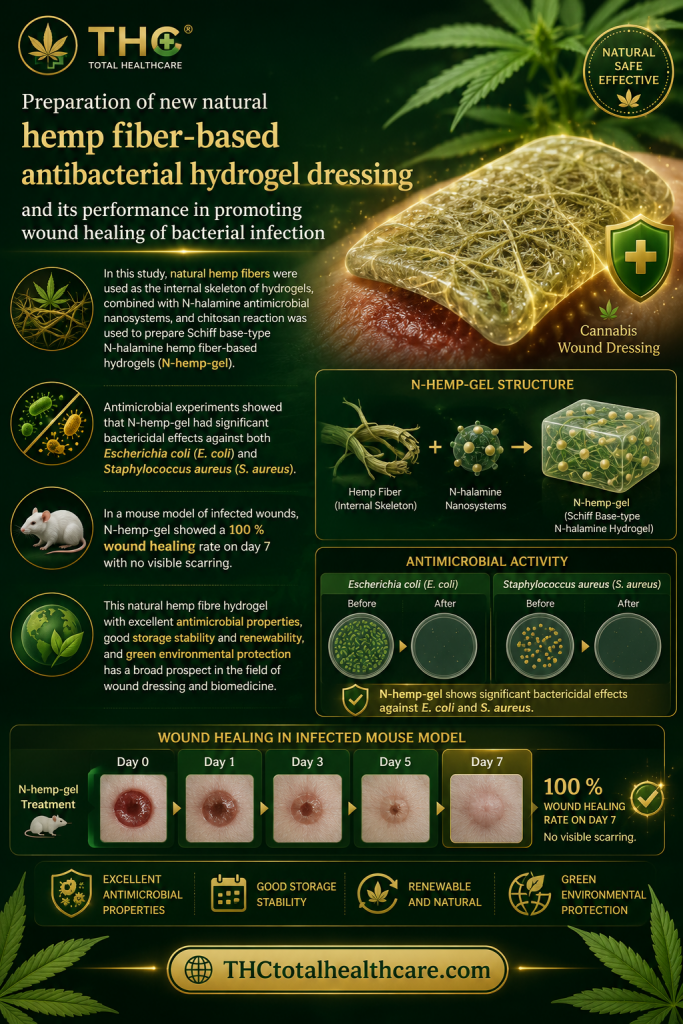
Preparation of new natural hemp fiber-based antibacterial hydrogel dressing and its performance in promoting wound healing of bacterial infection

Infected wounds are especially difficult to treat because healing must occur while bacterial growth and inflammation are being controlled. In this study, researchers developed a new antibacterial hydrogel dressing made with natural hemp fibers and evaluated its ability to support healing in bacterially infected wounds. The material combined structural wound coverage with antibacterial activity and was associated with improved tissue repair, suggesting that hemp-derived fibers may have value in advanced biomedical dressings. The findings highlight another potential medical use of Cannabis sativa beyond cannabinoids, this time as a sustainable biomaterial for wound care.

“Bacterial infections can lead to wound inflammation and delay wound healing due to the cytotoxicity of the chemicals used in conventional wound dressings. Therefore, developing a new natural and non-toxic form of antibacterial hydrogel dressing is very important.

In this study, natural hemp fibers were used as the internal skeleton of hydrogels, combined with N-halamine antimicrobial nanosystems, and chitosan reaction was used to prepare Schiff base-type N-halamine hemp fiber-based hydrogels (N-hemp-gel).

This is mainly due to the unique polygonal cavity structure and phenolics of the hemp fibre itself, as well as the release of oxidized halide ions by N-halamine through electrostatic action, and the oxidation of bacterial enzymes and other intracellular compounds, which synergistically and significantly enhance the antimicrobial properties of the wound dressing.

Antimicrobial experiments showed that N-hemp-gel had significant bactericidal effects against both Escherichia coli (E. coli) and Staphylococcus aureus (S. aureus). In a mouse model of infected wounds, N-hemp-gel showed a 100 % wound healing rate on day 7 with no visible scarring. Storage stability confirmed that the chlorine content of N-hemp-gel decreased by only 25.5 % after 30 days at room temperature. Renewability demonstrated that the chlorine content of N-hemp-gel decreased by only 0.54 % after ten cycles.

This natural hemp fibre hydrogel with excellent antimicrobial properties, good storage stability and renewability, and green environmental protection has a broad prospect in the field of wound dressing and biomedicine.”

“Hemp fibre belongs to the bast natural fibre, is extracted from the stem of the hemp plant, is the highest toughness of natural fibres, can be naturally decomposed green fibre, through photosynthesis can be renewable, and more than 60 kinds of unique phenolic substances in the hemp hemp fibre makes hemp fibre has excellent anti-bacterial and anti-inflammatory function.”

“In this study, N-halamine Schiff base type cannabinoid cellulose based hydrogels were successfully prepared.

Antibacterial assays demonstrated that the material exhibits significant antibacterial activity against E. coli and S. aureus, effectively addressing the innate lack of antibacterial properties in cellulose materials, while also offering good storage stability and renewability.”

https://www.sciencedirect.com/science/article/abs/pii/S0927775725009112

Phenolic Constituents Drive Antimicrobial and Antibiotic-Enhancing Activities of Cannabis sativa Seed Extracts Obtained by Two Extraction Methods

Cannabis sativa seeds contain phenolic compounds with antimicrobial activity that may also strengthen the effects of conventional antibiotics. In this study, seed extracts produced by two different extraction methods inhibited bacterial growth, while their phenolic constituents were strongly linked to the antimicrobial effects observed. The extracts also enhanced antibiotic activity against tested pathogens, suggesting that cannabis seed-derived compounds may have value both as natural antimicrobials and as partners for existing antibiotics. The findings highlight hemp seed chemistry as a promising source of antibiotic-enhancing agents.

“Hemp seeds (Cannabis sativa L.) are a rich source of phenolic compounds with antioxidant and antimicrobial potential.

Still, their genotype-dependent variability and ability to enhance antibiotic efficacy remain insufficiently explored. This study compared three Romanian hemp seed cultivars (Lovrin 110, Silvana, and LV 585) extracted by conventional hydroalcoholic extraction (CE) and ultrasound-assisted extraction (UAE) to evaluate their phenolic composition, antimicrobial effects, and synergistic interactions with amoxicillin and miconazole.

HPLC identified genotype- and method-dependent differences, with UAE extracts showing substantially higher levels of epicatechin, quercetin, rosmarinic acid, resveratrol, and ferulic acid. These patterns showed stronger antimicrobial inhibition against Gram-positive and Gram-negative bacteria and yeasts, confirmed by MIC, fold-reduction, and percent enhancement assays. The most pronounced synergy occurred in Streptococcus pyogenesStaphylococcus aureusBacillus cereus, and Candida albicans. PCA revealed two dominant phenolic-activity axes: a rosmarinic/resveratrol/ferulic axis associated with potent inhibition in Escherichia coli and C. albicans, and a quercetin-driven axis linked to Gram-positive bacteria.

Overall, UAE extracts displayed superior phenolic enrichment and bioactivity, demonstrating that specific phenolic structures-not total phenolic content-govern antimicrobial performance and antibiotic-enhancing potential in hemp seed extracts.”

https://pubmed.ncbi.nlm.nih.gov/41514973

Cannabis sativa L. (hemp) is an herbaceous, anemophilous species in the Cannabaceae family. It is considered one of the oldest domesticated crops. Due to its long history of use, it is now seen as a versatile, sustainable crop with a relatively low environmental impact and significance across sectors such as agriculture, phytoremediation, food and feed production, cosmetics, construction materials, and pharmaceuticals.”

“Hemp seed has historically served as a medicinal resource, used to address a range of conditions such as arthritis, asthma, menstrual discomfort, atopic dermatitis, cancer, hypertension, and other inflammatory diseases.”

“These findings identify hemp seeds—particularly when extracted by UAE—as promising natural antimicrobial agents and effective adjuvants for conventional antibiotics and antifungals.”

https://www.mdpi.com/2223-7747/15/1/27

Broad-spectrum bactericidal synergy of silver-cannabichromene-cannabigerol triple combinations against healthcare-associated pathogens

Cannabichromene (CBC) and cannabigerol (CBG) may become valuable partners in the fight against difficult healthcare-associated bacterial infections. In this study, combining silver with CBC and CBG produced broad-spectrum bactericidal synergy against multiple clinically important pathogens, with the three-part combination killing bacteria more effectively than the individual components alone. The findings show that lesser-known cannabinoids can enhance antimicrobial activity when used strategically with established antibacterial agents and highlight a promising new approach for combating drug-resistant and healthcare-associated infections.

Aims: Healthcare-associated infections (HAI) place substantial burden on healthcare systems globally, with growing antimicrobial resistance (AMR) restricting treatment options, increasing patient mortality and raising the cost of care. Silver is a broad-spectrum antimicrobial used widely to help control HAI. However, its utility is limited by AMR and concentration-dependent cytotoxicity. To address these challenges, we systematically evaluated the antimicrobial amplification properties of non-intoxicating cannabinoids, naturally occurring molecules having a narrow spectrum of antimicrobial activity, aiming to increase the antimicrobial effect of silver against gram-positive and gram-negative HAI pathogens.

Methods and results: Administered individually, silver and cannabinoid compounds CBD, CBC, CBG, CBDA, CBCA and CBGA produced modest bacteriostatic effects on time-kill analysis. Pairwise silver-cannabinoid combinations were neither synergistic nor bactericidal consistently against both Escherichia coli and Pseudomonas aeruginosa. Whereas triple combinations comprising silver (as silver sulfate or nanoparticles), CBC and CBG were consistently synergistic and bactericidal against Staphylococcus aureus (MRSA), E. coli and P. aeruginosa on time-kill analysis, and achieved up to 64-fold lowering of silver MIC on checkerboard assay. Silver-CBC-CBG triple combinations further precluded emergence of MRSA resistance on 20-day serial passaging, ameliorated the potential for cytotoxicity in fibroblasts and keratinocytes, and demonstrated significant clearing of biofilms formed by MRSA (p < 0.001) and P. aeruginosa (p < 0.001).

Conclusions: The increased potency, broad-spectrum bactericidal action and anti-biofilm properties of these novel synergistic silver-CBC-CBG triple combinations may provide a useful solution for bacterial silver resistance and the control of HAI.”

https://pubmed.ncbi.nlm.nih.gov/41983582

https://academic.oup.com/jambio/advance-article/doi/10.1093/jambio/lxag092/8654259