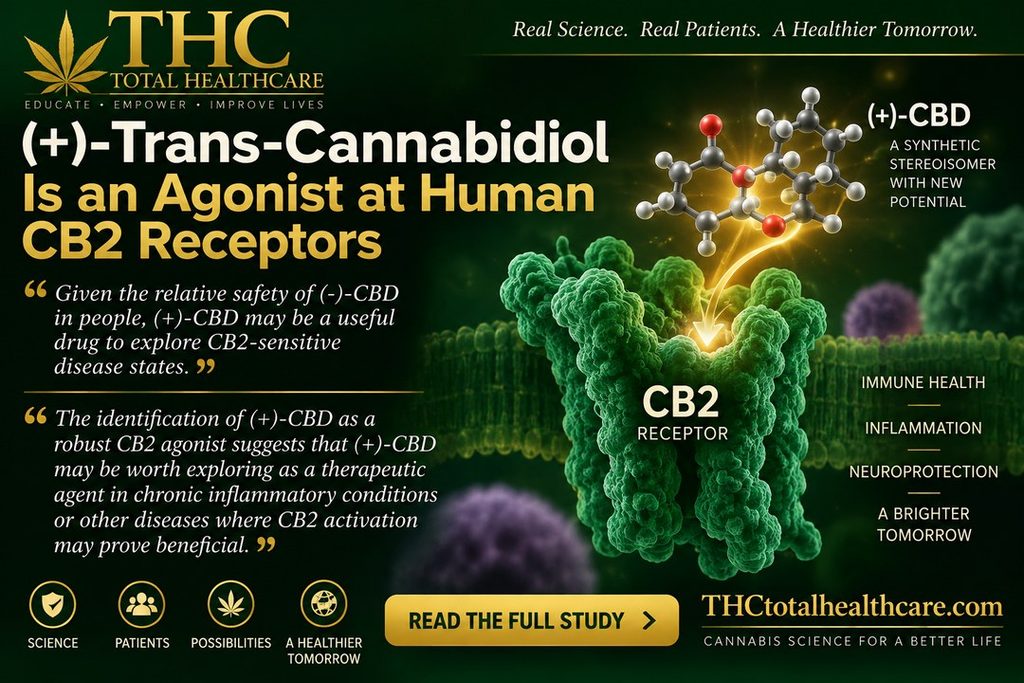
A new 2026 study reports that (+)-trans-cannabidiol [(+)-CBD] acts as an agonist at human CB2 cannabinoid receptors, activating a major receptor of the endocannabinoid system involved in immune and inflammatory signaling.
Researchers found that (+)-CBD produced a strong, concentration-dependent CB2 response, reaching roughly 90% of the maximum effect produced by the reference cannabinoid agonist CP55940. Additional testing indicated that the compound acts through the receptor’s primary, or orthosteric, binding site.
The findings show that different molecular forms of cannabidiol can interact with cannabinoid receptors in very different ways. The researchers conclude that (+)-CBD may deserve further study in CB2-sensitive disease states, adding another layer to our understanding of how cannabinoid chemistry can influence the human endocannabinoid system.
“(-)-trans-Cannabidiol ((-)-CBD) is a principal phytocannabinoid from Cannabis sativa. (-)-CBD has complex pharmacology but is a relatively weak inhibitor of CB1 and CB2 receptor signaling. Cannabidiol has two chiral centres and thus four stereoisomers. (+)-trans-CBD ((+)-CBD) has a higher affinity than (-)-CBD at CB1 and CB2, but its pharmacodynamic effects at these receptors are incompletely described.
We examined the activity of (+)-CBD at human CB1 and CB2 receptors using a fluorescence-based assay of membrane potential in AtT20 cells stably expressing CB1 or CB2 receptors.
(+)-CBD produced a rapid, concentration-dependent hyperpolarization in CB2-expressing cells (pEC50 6.63 ± 0.08) with a maximal effect 90% of the response to CP55940. The CB2 response was blocked by pertussis toxin pretreatment and competitively inhibited by the CB2 antagonist AM630 (Schild slope 1.1 ± 0.1). (+)-CBD was a low-efficacy, low-potency CB1 agonist and inhibited somatostatin-receptor effects at high concentrations (10-30 μM). (+)-CBD had no effect on the membrane potential of AtT20 wild-type cells. In silico modeling of ligand interactions with CB2 indicated that (+)-CBD but not (-)-CBD formed an H-bond with Ser285, a residue crucial for agonist activation of CB2.
Our data suggests (+)-CBD acted as a CB2 agonist via the orthosteric binding site on the receptor. Synthetic CBD, including (+)-CBD, has previously been administered in clinical trials, presumably without consideration of its potential CB2 agonist activity.
Given the relative safety of (-)-CBD in people, (+)-CBD may be a useful drug to explore CB2-sensitive disease states.”
“This study emphasizes the importance of understanding the molecular actions of the enantiomers of chiral cannabinoids. Although the safety of (+)-CBD cannot simply be assumed to be the same as (−)-CBD, the identification of (+)-CBD as a robust CB2 agonist suggests that (+)-CBD may be worth exploring as a therapeutic agent in chronic inflammatory conditions or other diseases where CB2 activation may prove beneficial.”
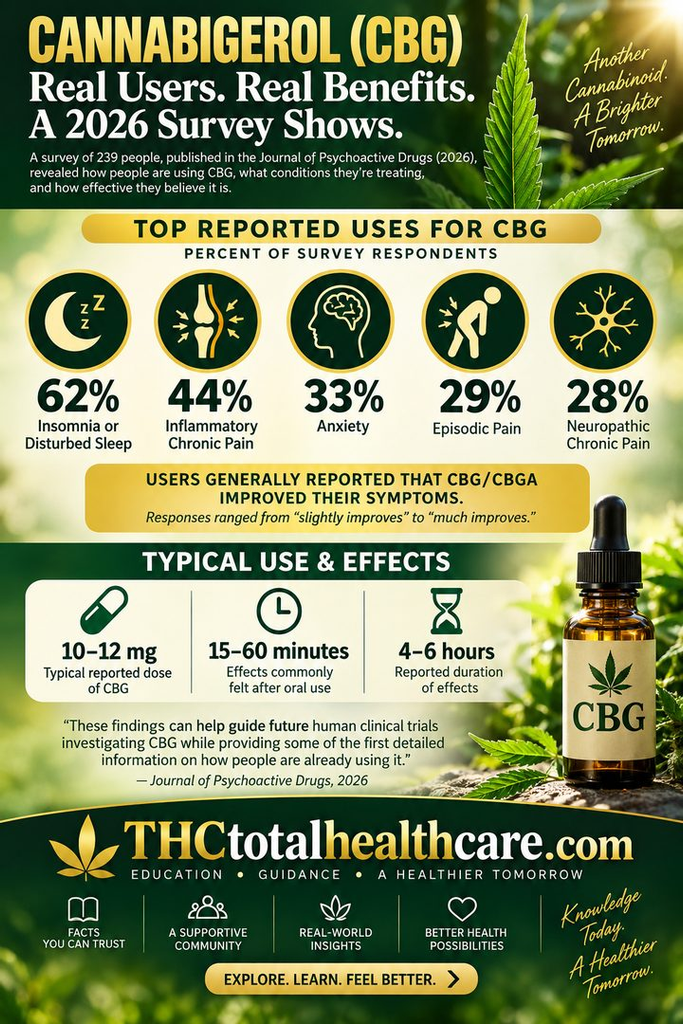
Cannabigerol (CBG) is gaining attention as another potentially therapeutic cannabinoid found in cannabis. A 2026 survey published in the Journal of Psychoactive Drugs examined how 239 people were using CBG or its acidic precursor CBGA, what conditions they were treating, and how effective they believed it was.
The most commonly reported uses were insomnia or disturbed sleep (62%), inflammatory chronic pain (44%), anxiety (33%), episodic pain (29%), and neuropathic chronic pain (28%). Participants generally reported that CBG/CBGA improved their symptoms, with responses ranging from “slightly improves” to “much improves.”
Users typically reported taking about 10–12 mg of CBG. After oral use, effects were commonly felt within 15–60 minutes and were reported to last approximately 4–6 hours. The researchers said these findings can help guide future human clinical trials investigating CBG while providing some of the first detailed information on how people are already using it.
“Cannabigerol (CBG) and the acidic form of CBG (cannabigerolic acid, CBGA) are becoming increasingly more available and popular, with pre-clinical rodent research suggesting these compounds have an array of therapeutic effects. However, there have been few clinical trials or surveys examining their effects in humans.
We conducted a survey of 239 CBG/CBGA users to assess the medical conditions they use CBG/CBGA to manage, as well as their perceived efficacy and satisfaction with CBG/CBGA for managing these conditions. Participants also reported on their typical use patterns (e.g. typical dose), their perceived time to feel effects, and duration of those effects.
The top five conditions participants reported using CBG/CBGA to manage were insomnia/disturbed sleep (62%), inflammatory chronic pain (44%), anxiety (33%), episodic pain (29%), and neuropathic chronic pain (28%), with participants generally reporting that CBG/CBGA “slightly improves” to “much improves” their symptoms. Participants reported typically using a dose of 10-12 mg of CBG and they indicated that they feel effects within 15-60 min of oral ingestion and that these effects persist for 4-6 h.
These findings will help inform consumers of CBG as well as researchers designing clinical trials to investigate the effects of CBG on humans in a more objective manner.”
“The current survey study indicates that CBG/CBGA are being used to treat a variety of medical conditions with the most commonly reported being insomnia/disturbed sleep, inflammatory chronic pain, anxiety, episodic pain, and neuropathic chronic pain, with participants generally reporting “slight improvement” to “much improvement” in symptoms and being “somewhat satisfied” to “mostly satisfied” with the efficacy. Side effects reported were minimal and benign. Based on the current findings, we recommend researchers consider using ecologically valid doses in the range of 10–15 mg, allow 30–60 min for orally administered CBG products to take effect, and expect these effects to last between 4 and 6 h.”
The first time I heard Olivia Newton-John’s voice on the radio, I thought she might be an angel.
Decades later, when I heard that same voice on the news championing a controversial cause close to my heart, I felt I had been right.
In May 2017, before I knew her breast cancer had returned, I received an instant message from someone claiming to be Olivia Newton-John. The message encouraged me to keep doing what I was doing — sharing science — and echoed a phrase I had been posting for years:
“Thank you for sharing.”
I remember what happened next because I watched it unfold in real time.
The world learned that Olivia Newton-John’s breast cancer had returned and metastasized to her sacrum. By June, I was reading reports that she was using cannabis oil. By September, she was talking about cannabis openly.
And not timidly.
In an Australian 60 Minutes interview, Olivia called cannabis a “magical, miracle plant.” Days later, on American television, she called it “a healing plant.”
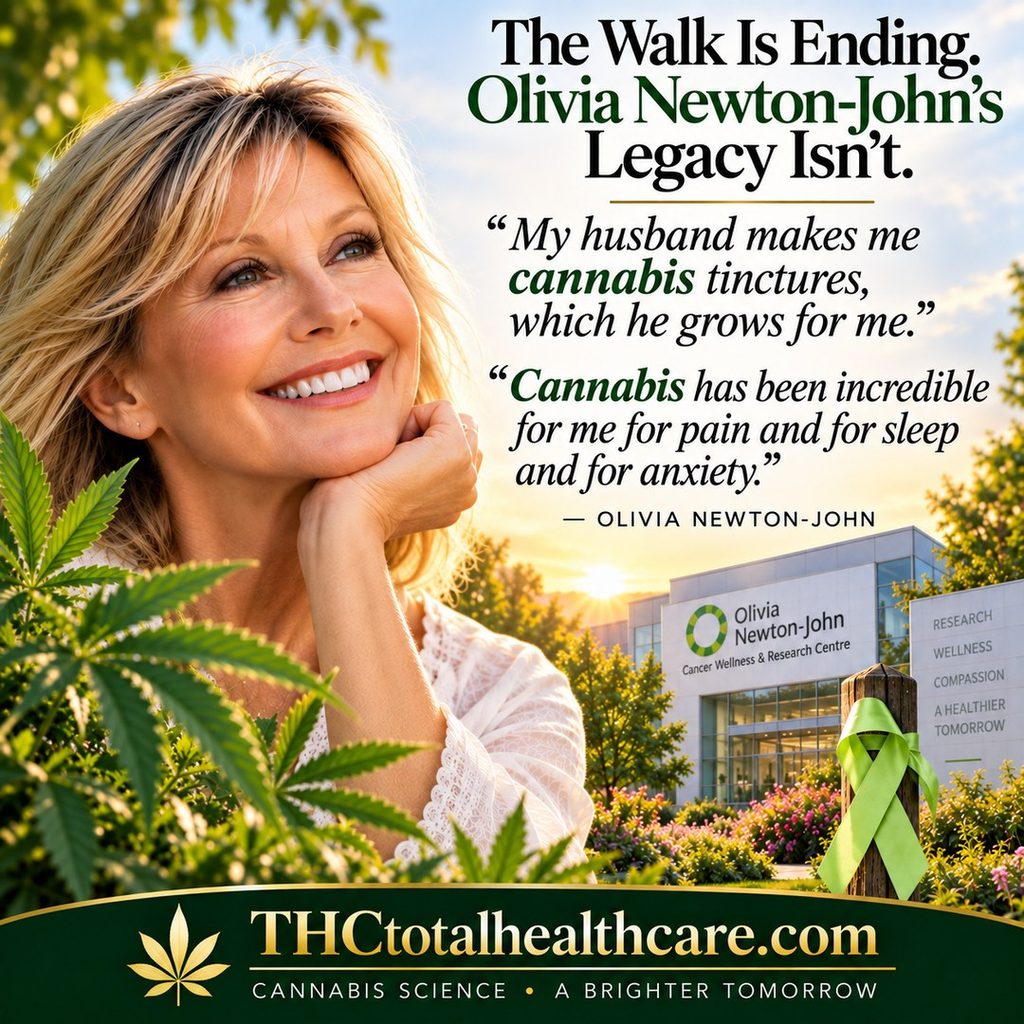
She said it helped her pain. She discussed inflammation. Over the following years, she would talk about cannabis helping her sleep and anxiety. She credited her husband, John Easterling, with growing cannabis and preparing tinctures specifically for her. She later said cannabis helped her wean herself off morphine.
“I couldn’t have got through this time without it,” she said in 2019.
Yet I remember watching another story develop alongside hers.
Olivia was telling the public how well she was doing, how important cannabis had become to her and how determined she was to live.
Much of the news coverage, however, increasingly felt like a countdown toward her death.
That became especially frustrating in 2018.
Olivia revealed that the cancer she had publicly disclosed in 2017 was actually her third experience with breast cancer. Her first diagnosis had come in 1992. She had experienced another recurrence in 2013 but chose to keep it private.
That was significant new information.
But it was not a new recurrence in 2018.
Nevertheless, headlines appeared announcing that Olivia Newton-John’s cancer had “returned for a third time.” To someone encountering the story casually, it could sound as though she had suffered another fresh setback.
The individual facts were technically true but the overall impression was misleading.
At the same time some headlines were emphasizing another “cancer battle,” Olivia was appearing publicly, participating in her Wellness Walk, talking about “winning over” cancer and telling interviewers she was doing well.
One source close to her pushed back against reports suggesting her condition had suddenly worsened, saying the information being reported was the same diagnosis she had disclosed the previous year.
I wanted to call attention to that disconnect then.
I did not have the ability to assemble years of interviews, headlines and contemporaneous reporting the way I can now.
But I remembered it.
And when the chronology is reconstructed, Olivia Newton-John’s story looks different.
She was never simply a celebrity who used marijuana.
Her relationship with cannabis became part of a much larger philosophy of cancer care.
Olivia had embraced complementary approaches since her first cancer diagnosis. She used conventional medicine, too. That point matters because her story is sometimes reduced to a false choice between cannabis and oncology.
Her approach was integrative.
Over the years she underwent surgery, chemotherapy, radiation, hormone therapy and other medical treatments while also using meditation, herbs, supplements, homeopathy, acupuncture, cannabis and other wellness practices.
She described treatment decisions as deeply personal.
Her husband, John Easterling, added another dimension.
Long before cannabis became central to their public story, Easterling had spent years studying plants and working with botanical medicine. Newton-John called him her “plant medicine man.”
The two seemed almost destined to find each other: a woman already drawn to holistic healing and a man who had devoted much of his life to medicinal plants.
By the time Newton-John was living with metastatic disease, Easterling was cultivating different cannabis strains at their California home and making tinctures for her.
Olivia said she did not like feeling intoxicated.
What she repeatedly emphasized was relief.
“If I don’t take the cannabis, I can feel the pain so I know it’s working,” she told 60 Minutes reporter Liz Hayes.
She called herself “incredibly pro cannabis.”
Her advocacy eventually moved beyond her own use.
“My dream is that it will be available to all the cancer patients or people going through cancer or any kind of disease that causes pain,” she said.
She talked about parents facing prosecution while seeking cannabis for children with epilepsy. She challenged the stigma surrounding the plant. She argued that patients deserved the right to try it.
And sometimes she went further than cautious symptom language.
She talked about cannabis and healing. She said research was examining the plant “not just for pain but to cure things.” She said she believed medicinal cannabis could play a major role in defeating cancer.
Those statements should be understood for what they were: the beliefs and hopes of a patient and advocate, not the results of a randomized clinical trial.
But that is precisely where her story becomes particularly important.
She did not stop at belief.
She wanted research.
That may be the part of her cannabis legacy most worth remembering.
Olivia spent years raising money and lending her name to what became the Olivia Newton-John Cancer Wellness & Research Centre in Melbourne, Australia. She insisted that “wellness” be part of the institution because she believed cancer care should treat the whole person, not merely the tumor.
Her later foundation explicitly sought to fund research into plant medicine.
And today, that idea is becoming reality.
The RESONANCE trial is studying medicinal cannabis in people with advanced cancer, examining symptoms, quality of life, tolerability and adverse effects.
The research represents something Olivia repeatedly called for: move beyond stigma, beyond anecdotes and beyond political arguments, and actually study what cannabis can and cannot do for patients.
That is why the timing of this story matters.
Olivia Newton-John would have turned 78 on September 26.
The medicinal-cannabis trial her advocacy helped inspire is actively recruiting.
October is Breast Cancer Awareness Month.
And on October 4, supporters will gather for the final Olivia’s Walk for Wellness.
The walk is ending.
The research is not.
Neither should our examination of the story Olivia Newton-John was trying to tell us.
For years, Olivia told interviewers that cannabis helped her through severe pain, improved her sleep, aided her quality of life and changed the way she thought about a plant she once approached nervously.
Then she used her celebrity to ask why other patients could not have the same opportunity.
Finally, she tried to move the conversation from testimony to action.
I watched her journey unfold online.
What frustrated me then was seeing a woman talking about healing, hope and the wonderful things she believed this plant was doing for her, while the public narrative so often seemed fixated on how close she was to dying.
What strikes me now that she is gone is what she left behind.
The headlines eventually stopped.
The interviews remain.
The cancer center remains.
The science continues.
Can cannabis fight cancer?
She believed it could.
Decades of laboratory and preclinical research have given scientists reason to keep asking the question Olivia Newton-John wanted answered.
The research she called for is being done.
Perhaps that is the most fitting way to remember her as her birthday approaches, as supporters prepare for the final Walk for Wellness.
Not merely as a celebrity who had cancer and used cannabis.
But as someone who turned what she learned from living with it for 30 years into a legacy that will walk on.
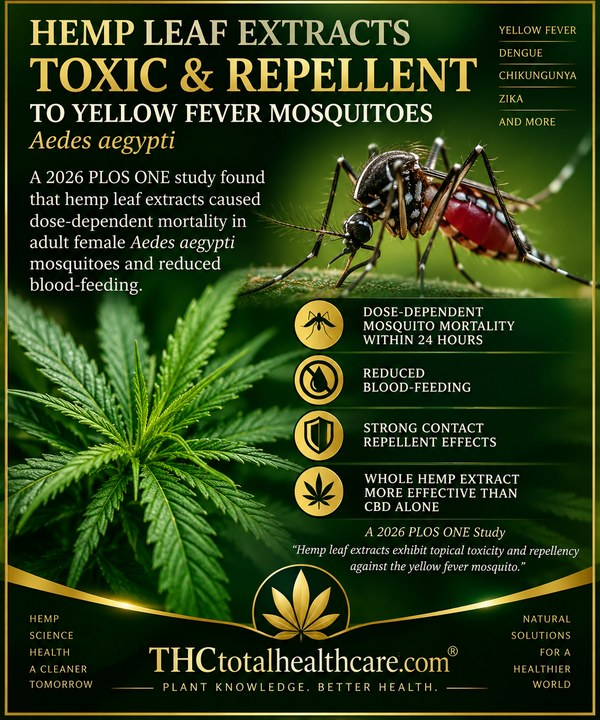
A 2026 study published in PLOS ONE found that hemp leaf extracts were both toxic and repellent to adult female Aedes aegypti mosquitoes, the species responsible for transmitting diseases including yellow fever, dengue and chikungunya. Researchers observed dose-dependent mosquito mortality within 24 hours after direct exposure to the hemp extract.
The hemp extract also reduced blood-feeding and produced strong contact-repellent effects. Importantly, isolated cannabidiol (CBD) did not reproduce the full activity of the whole extract, suggesting that other cannabinoids, terpenes or additional hemp compounds may contribute to the effect.
The findings add to growing research into hemp-derived compounds as potential plant-based tools for insect and mosquito control. The authors concluded that hemp leaf extracts showed both topical toxicity and repellency against yellow fever mosquitoes, with effects that could not be duplicated by CBD alone.
“Hemp (Cannabis sativa) derived products have emerged as potential sources of novel biopesticides.
We recently demonstrated that a hemp leaf extract was toxic to larvae of the yellow fever mosquito Aedes aegypti, and that cannabidiol (CBD) was the primary larvicidal component of the extract.
Here we evaluated the toxic and repellent effects of a hemp leaf extract and CBD against adult female Ae. aegypti.
Toxicity was assessed using an acute topical assay in which mosquitoes received a 500 nL application to the thorax and mortality was recorded at 24 h. Repellency was then evaluated using two complementary bioassays: (i) a no-choice membrane blood-feeding assay to quantify feeding deterrence, and (ii) a mosquito airborne repellency test (MART) to assess spatial repellency.
Topical application of CBD-rich hemp leaf extract induced dose-dependent mortality in adult Ae. aegypti with a LD50 of 22.13 µg/mosquito at 24 h. When CBD isolate was tested at its equivalent doses in the extract, it caused significantly lower mortality than the hemp extract.
In the membrane blood-feeding repellency assay, the hemp leaf extract repelled mosquitoes in a dose-dependent manner, whereas CBD produced weaker effects even at higher equivalent doses. In the MART assay, the hemp extract did not elicit spatial repellency, suggesting low volatility of the repellent compounds.
Taken together, our results demonstrate that CBD does not fully explain the adulticidal or repellent effects of the CBD-rich hemp leaf extract against adult female Ae. aegypti suggesting that other compounds contribute to the bioactivity of hemp leaf extracts against adult female mosquitoes.”
“This study demonstrates that hemp leaf extracts exhibit topical toxicity and repellency against the yellow fever mosquito, Ae. aegypti, and that these effects cannot be duplicated by CBD alone. The greater toxicity of the hemp leaf extract compared to the CBD isolate suggests important contributions by other compounds in the extracts. When repellency of the extract or CBD was evaluated, mosquitoes were only repelled when direct contact with the treated surface was allowed. Nevertheless, the hemp leaf extract was more effective than the CBD isolate, again pointing to the involvement of other compounds in adult repellency.
Our findings advance our understanding of the potential uses of hemp and CBD against adult female Ae. aegypti. Identifying the additional components of the leaf extract that contribute to toxicity and repellency in adult female mosquitoes will be essential for evaluating the potential of hemp-based products in integrated mosquito management strategies. In addition, future research evaluating the human and environmental safety of using hemp-derived products as biopesticides is needed.”
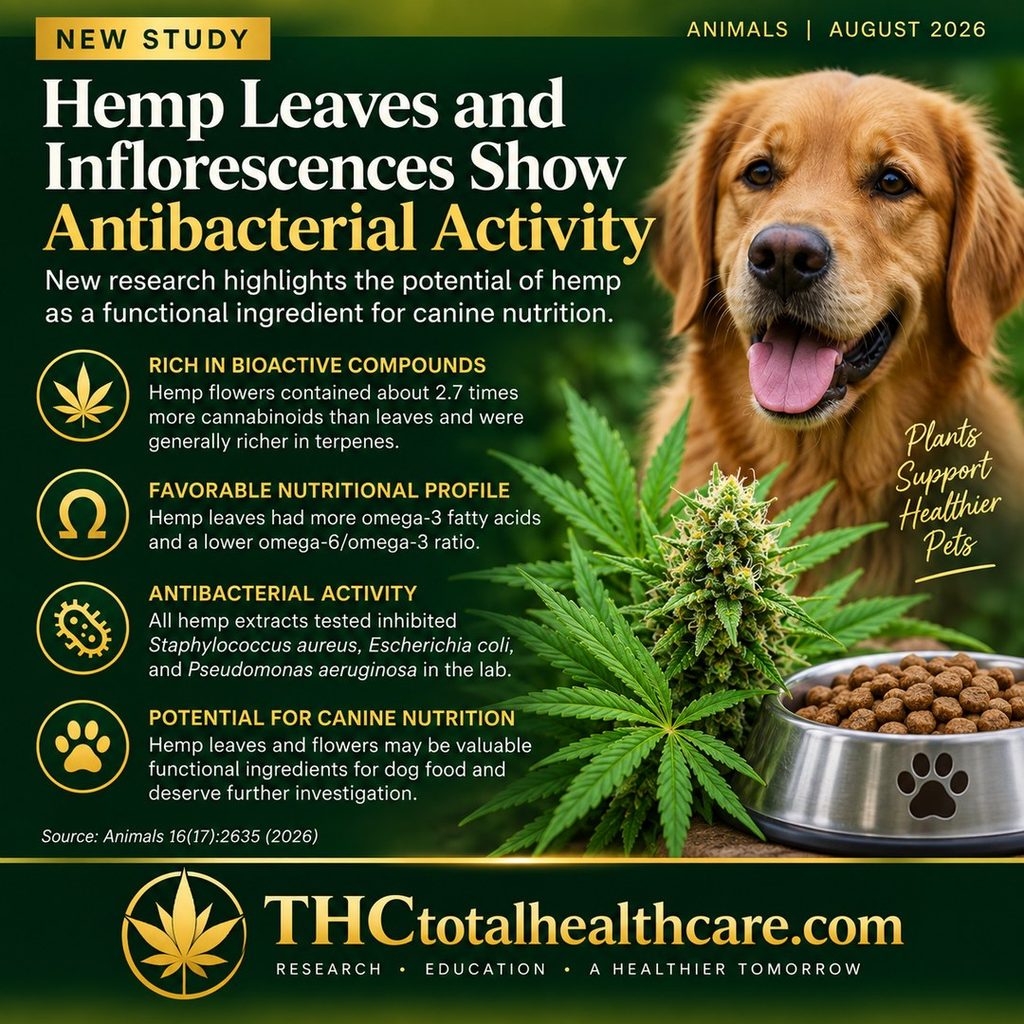
Hemp may have value far beyond its traditional uses. A 2026 study examining hemp leaves and inflorescences found that both plant parts contain bioactive compounds with potential nutritional value, while extracts from the plants also demonstrated antibacterial activity against several important bacterial species.
Researchers found that hemp flowers were especially rich in cannabinoids and terpenes, while the leaves offered a favorable fatty-acid profile. In laboratory testing, hemp extracts showed activity against Staphylococcus aureus, Escherichia coli, and Pseudomonas aeruginosa, highlighting another potential use for compounds naturally produced by the cannabis plant.
The researchers suggest that hemp leaves and flowers deserve further investigation as functional ingredients in canine nutrition. The findings add to growing evidence that parts of the cannabis plant often treated as agricultural byproducts may contain valuable nutritional and biologically active compounds.
“Hemp (Cannabis sativa L.) inflorescences have been extensively characterized for their bioactive compounds, whereas less information is available on hemp leaves despite their potential as a source of nutrients and phytochemicals.
This study compared leaves and inflorescences of four organically grown hemp cultivars (Finola, Futura 75, Dioica, and Kompolti) in terms of cannabinoid, terpene, and fatty acid profiles, lipid quality indices, and in vitro antibacterial activity.
Antibacterial activity against Staphylococcus aureus, Escherichia coli, and Pseudomonas aeruginosa was evaluated using MIC, MBC, and time-kill assays. Total cannabinoid content was approximately 2.7-fold higher in inflorescences than in leaves, which were also generally richer in terpenes. Leaves showed a more favorable fatty acid profile, with higher n-3 polyunsaturated fatty acid proportions and a lower n-6/n-3 ratio.
All extracts exhibited antibacterial activity. Among the tested bacteria, S. aureus was the most susceptible to the hemp extracts, with both growth inhibition and bactericidal activity observed at the lowest tested concentration (MIC/MBC = 0.005%), compared with 0.625% for E. coli and 1.25-2.5% for P. aeruginosa, depending on the extract. Finola and Kompolti inflorescence extracts showed the fastest bactericidal activity against S. aureus.
These findings demonstrate distinct and complementary characteristics of hemp leaves and inflorescences and provide a basis for further investigation of their potential relevance to canine nutrition.”
“The pet food industry is increasingly looking for natural ingredients that can improve both the nutritional value and microbiological safety of dog diets while making better use of agricultural resources. Industrial hemp cultivation generates large amounts of leaves that are often underutilized, although they contain valuable natural compounds. This study compared hemp leaves and inflorescences from four industrial hemp cultivars to determine whether these plant materials could be useful in canine nutrition.
The results showed that leaves provide a favorable fatty acid profile, whereas inflorescences are richer in naturally occurring plant compounds such as cannabinoids and terpenes. Extracts from both plant parts also inhibited the growth of bacteria under laboratory conditions. These findings suggest that different hemp plant parts may have complementary roles as functional ingredients in dog foods while supporting more sustainable use of hemp biomass. Further studies in complete diets and feeding trials are needed before practical application.”
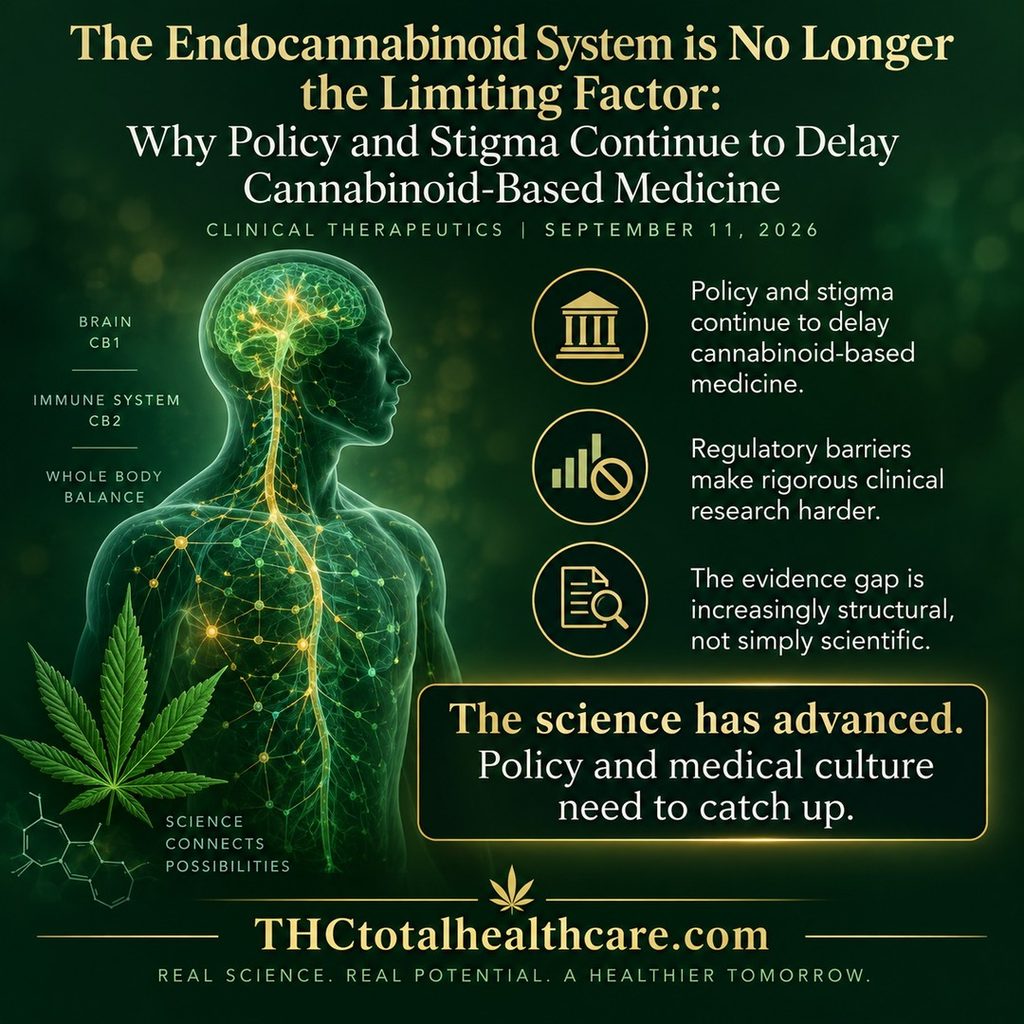
The science of the endocannabinoid system has advanced dramatically, but cannabinoid-based medicine is still being held back by forces outside the laboratory. This new Clinical Therapeutics commentary argues that the biological understanding of the endocannabinoid system is no longer the main limiting factor. The larger barriers are now policy, regulation, funding, access, and stigma.
According to the authors, restrictive and fragmented rules make cannabinoid research harder to conduct, while limited access to standardized products complicates rigorous clinical trials. At the same time, stigma within medicine can discourage research, education, prescribing, and open discussion with patients.
The message is simple: the remaining evidence gaps are not purely scientific. They are also structural. If cannabinoid-based medicine is going to move forward, policy and medical culture will have to catch up with what researchers already understand about the endocannabinoid system.
“Purpose: To examine whether the persistent gap between the extensive mechanistic knowledge of the Endocannabinoid System (ECS) and the limited number of high-quality randomized clinical trials of cannabinoid-based therapies primarily reflects scientific uncertainty or, instead, structural regulatory, economic, and social barriers.
Methods: This commentary critically synthesizes historical, regulatory, and contemporary evidence on cannabinoid research, integrating data from regulatory documents, international policy reports, clinical and observational studies, systematic reviews, and qualitative investigations. Particular emphasis is placed on barriers affecting access to standardized products, conduct of randomized clinical trials, public funding, product standardization, and healthcare professionals’ perceptions.
Findings: Although the ECS has been extensively characterized for more than three decades and cannabinoids demonstrate plausible pharmacological mechanisms across multiple therapeutic areas, clinical translation remains disproportionately limited. Persistent regulatory restrictions, inherited from prohibition policies, continue to delay access to standardized research material, increase the cost and complexity of clinical trials, and shift evidence generation toward observational designs. Regulatory fragmentation further compromises product standardization and study reproducibility, whereas persistent social and professional stigma reduces research activity, medical education, prescribing confidence, and patient disclosure, perpetuating a self-reinforcing cycle between limited evidence generation and clinical distrust.
Implications: The principal obstacle to cannabinoid-based medicine is no longer the biological understanding of the ECS but the structural environment surrounding cannabinoid research. Progress toward evidence-based clinical implementation will depend on regulatory harmonization, greater public investment in randomized clinical research, standardized pharmaceutical-quality products, and educational initiatives capable of reducing stigma among healthcare professionals. Recognizing the structural rather than scientific origin of the evidence gap is essential for informing future research priorities, editorial policies, and international regulatory strategies.”
“The ECS is no longer the main obstacle to cannabinoid therapeutics. Stigma and regulation continue to delay clinical translation. Standardized clinical research requires international regulatory reform. Medical education is crucial for evidence-based cannabinoid therapies.”
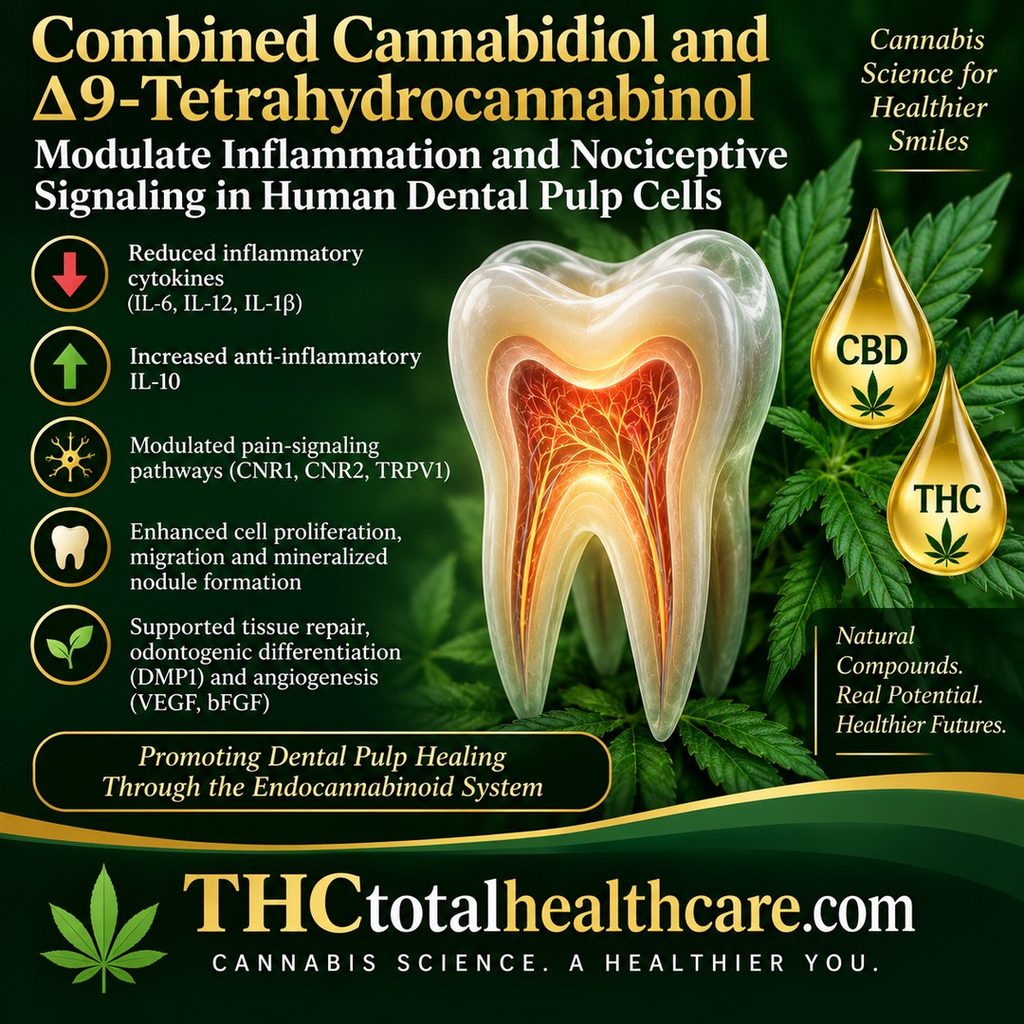
A new study using human dental pulp cells found that combining cannabidiol (CBD) and Δ9-tetrahydrocannabinol (THC) produced stronger anti-inflammatory effects than either cannabinoid alone. The combination reduced the pro-inflammatory cytokines IL-6, IL-12, and IL-1β while increasing the anti-inflammatory cytokine IL-10.
CBD and THC together also influenced important pathways involved in pain signaling and healing. Researchers reported increased expression of the cannabinoid receptors CNR1 and CNR2, modulation of TRPV1, and enhanced cell proliferation and migration. The combination also promoted mineralized nodule formation and increased markers associated with odontogenic differentiation and new blood-vessel formation.
The researchers concluded that combined CBD and THC show promise for promoting dental pulp healing by simultaneously influencing inflammation, nociceptive signaling, tissue repair, angiogenesis, and cell migration. The findings provide new evidence that cannabinoids may have potential applications in future vital pulp therapies designed to preserve and regenerate living dental tissue.
“Introduction: Dental pulp inflammation, caused by caries, trauma, or restorative operations, produces pain and slows regeneration. Cannabidiol (CBD) and Δ9-tetrahydrocannabinol (THC), cannabinoids of Cannabis sativa, have effects on inflammation and pain relief. However, the impact of these factors on dental pulp healing is not understood. This study investigated the combined effects of CBD and THC in controlling inflammation and nociception during dental pulp repair.
Methods: Human dental pulp cells were stimulated with lipopolysaccharide (LPS) and treated with CBD (2.5 μg/mL), THC (0.6 μg/mL), and their combination. Pro-inflammatory cytokines (IL-6, IL-12 and IL-1β) and anti-inflammatory cytokine IL-10 were analysed using qPCR and ELISA, while anti-nociceptive markers (CNR1, CNR2, and TRPV1) were evaluated by qPCR and Western blot. Cell viability, proliferation, and migration assays were performed to evaluate treatment effects on cellular behaviours associated with pulpal repair and regenerative potential.
Results: Compared with either treatment alone, the CBD/THC combination more effectively attenuated pro-inflammatory cytokines IL-6, IL-12, and IL-1β, enhanced CNR1 and CNR2 expression, modulated TRPV1, and increased IL-10 expression. Viability assays determined optimal non-cytotoxic concentrations for treatment. The combination enhanced cell proliferation and migration, promoted mineralized nodule formation, and significantly upregulated markers associated with tissue repair, odontogenic differentiation (DMP1), and angiogenesis (VEGF and bFGF).
Conclusion: Combined CBD and THC show promise for promoting dental pulp healing by modulating inflammation and nociceptive signaling, while supporting odontogenic differentiation, angiogenesis, and cell migration in human dental pulp cells. These findings provide in vitro evidence supporting combined cannabinoid treatment as a therapeutic strategy for vital pulp therapies.”
Researchers have demonstrated a novel way to stimulate THC and CBD production in cannabis tissue using biologically produced silver nanoparticles. In untreated Cannabis sativa callus cultures, THC and CBD were undetectable. But after treatment with biogenic silver nanoparticles produced using the yeast Yarrowia lipolytica, the cultures accumulated 0.31% THC and 0.26% CBD while also increasing expression of the THCAS and CBDAS genes involved in cannabinoid biosynthesis.
The findings demonstrate that cannabinoid production can be induced in undifferentiated cannabis tissue that lacks the specialized glandular trichomes normally associated with cannabinoid production. Researchers say the technique could contribute to climate-independent, sustainable production systems for cannabinoids and other medicinal plant compounds.
“Cannabis sativa L. produces cannabinoids as high-value secondary metabolites within the specialized glandular trichomes of mature inflorescences. Large-scale cannabinoid production in conventional agriculture is limited due to extensive land requirements, irrigation requirements, pests and diseases, and reliance on agrochemicals. In vitro platforms offer a reliable and climate-independent alternative for the production of plant-derived compounds. However, cannabinoid biosynthesis in undifferentiated callus tissues remains poorly understood because these tissues lack specialized morphological structures. This study presents an innovative strategy to induce and sustainable production of cannabinoids in C. sativa callus cultures using biogenic silver nanoparticles (AgNPs) synthesized via Yarrowia lipolytica.
Result
After treatment of C. sativa L. callus cultures with biogenic AgNPs, cannabinoids (THC and CBD) were quantified by HPLC and the expression of key biosynthetic genes (CBDAS and THCAS) was analyzed by qPCR. In the control samples, cannabinoids were not detectable. Treatment with 20 mg/L AgNPs led to accumulation of THC (0.31%) and CBD (0.26%). Results of qPCR confirmed upregulation of the biosynthetic genes CBDAS and THCAS. These green AgNPs acted as potent signaling triggers and induce a significant metabolic shift in the callus cultures.
Conclusion
This is the first report demonstrating the effectiveness of biogenic AgNPs in inducing cannabinoid biosynthesis in C. sativa L. callus cultures. These findings highlight a sustainable and eco-friendly approach for the industrial production of plant-derived medicinal compounds.”
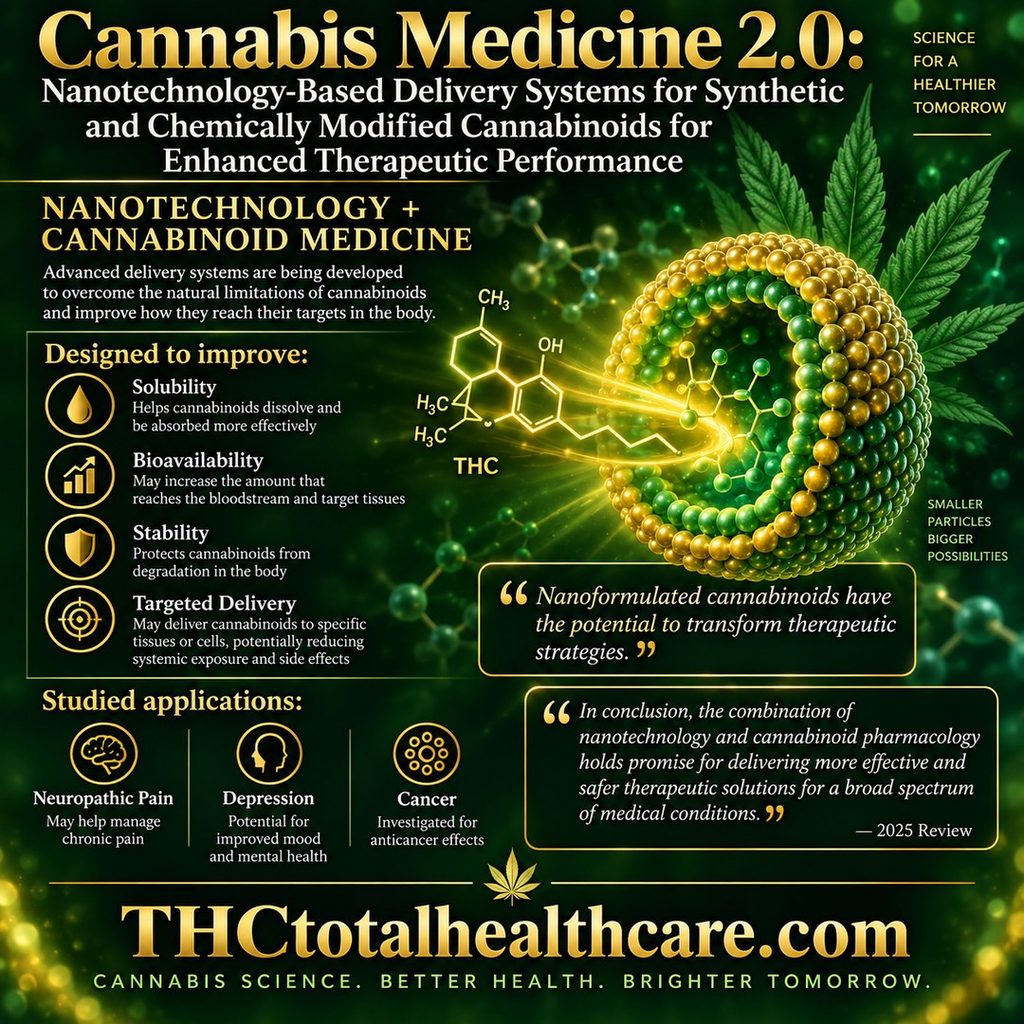
Cannabinoid medicine is increasingly moving beyond conventional oils, capsules and extracts toward advanced drug-delivery technologies designed to improve how these compounds reach their targets in the body. This 2025 review examines how nanotechnology-based delivery systems may improve the solubility, stability, bioavailability and targeted delivery of synthetic and chemically modified cannabinoids.
Researchers reviewed nanoparticles, lipid-based carriers, micelles, nanoemulsions and other nanoengineered systems being developed for cannabinoid-related therapies. These technologies have been investigated in preclinical research involving conditions including neuropathic pain, depression and cancer, with some formulations producing longer-lasting or more targeted effects while reducing systemic exposure.
The authors conclude that combining cannabinoid pharmacology with nanotechnology could help create a new generation of more precise cannabinoid medicines, although most of these approaches remain in the preclinical stage and will require additional testing and regulatory development before widespread clinical use.
“The therapeutic potential of cannabinoids and other ligands of cannabinoid receptors attracts considerable attention due to their diverse pharmacological effects and utility in various medical applications. However, challenges such as low solubility, limited bioavailability, and potential side effects hinder their broad clinical use. Nanoformulation techniques offer a promising approach to address these issues and optimize the therapeutic effectiveness of cannabinoids and other cannabinoid receptor ligands.
This comprehensive review explores the advancements in nanoformulation strategies to enhance the therapeutic efficacy and safety of synthetic cannabinoids and related compounds, such as CB13, rimonabant, and HU-211, which have been studied in a range of preclinical models addressing conditions such as neuropathic pain, depression, and cancer.
The review discusses various nanocarriers employed in this field, including lipid-based, polymeric, and hybrid nanoparticles, micelles, emulsions, and other nanoengineered carriers. In addition to formulation approaches, this review provides an in-depth analysis of chemical structures and their effect on compound activity, especially in the context of the affinity for the cannabinoid type 1 receptor in the brain, which is chiefly responsible for the psychoactive effects.
The provided summary of research concerning either chemical modifications of existing cannabinoids or the creation of new compounds that interact with cannabinoid receptors, followed by the development of nanoformulations for these agents, allows for the identification of new research directions and future perspectives for Cannabis-based medicine.
In conclusion, the combination of nanotechnology and cannabinoid pharmacology holds promise for delivering more effective and safer therapeutic solutions for a broad spectrum of medical conditions, making this an exciting area of research with profound implications for the healthcare and pharmaceutical industries.”
“Nanotechnology-enabled delivery of synthetic and chemically modified cannabinoids offers a promising approach to overcome the intrinsic limitations of these compounds, positioning them as candidates for future precision therapeutics. Preclinical evidence supports their enhanced stability, bioavailability, and site-specific activity; however, translating these findings into clinical applications will require coordinated advances in innovation, manufacturing, and regulatory science. Nanoformulated cannabinoids have the potential to transform therapeutic strategies, but their clinical impact will depend on harmonized regulations, standardized testing, and robust translational research. With sustained international collaboration, these next-generation formulations may become a key component of personalized medicine in the coming decade.”
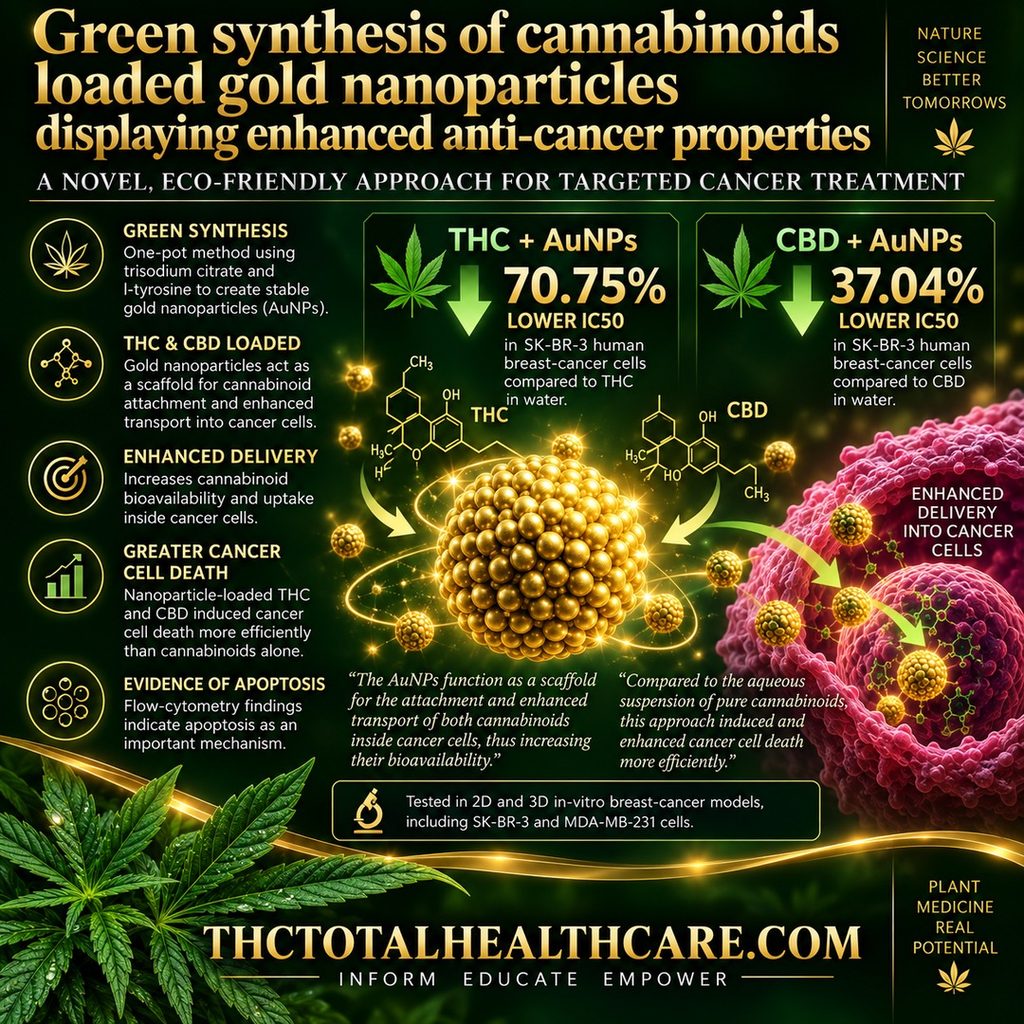
Researchers developed gold nanoparticles capable of carrying the highly hydrophobic cannabinoids THC and CBD into cancer cells, increasing their bioavailability and anti-cancer activity. The nanoparticles acted as a scaffold for cannabinoid attachment and enhanced transport inside cancer cells. Compared with aqueous suspensions of the pure cannabinoids, the nanoparticle-loaded THC and CBD produced cancer cell death more efficiently, supporting gold nanoparticles as a potential delivery system for cannabinoid-based cancer treatment.
“This study investigates the anti-cancer potential of cannabinoids loaded onto gold nanoparticles (AuNPs) for targeted cancer treatment. We adopted a multifaceted approach to explore and design this nano system, encompassing its synthesis, physicochemical characterization, stability assessment, and evaluation of anticancer efficacy in 2D and 3D in vitro models.
In this research, we have demonstrated that two highly hydrophobic phytocannabinoids like delta-9-tetrahydrocannabinol (THC) and cannabidiol (CBD), can be loaded on the surface of AuNPs with a one-pot synthesis protocol using trisodium citrate and l-tyrosine as a reducing and stabilizing agents. l-tyrosine plays a crucial role in cannabinoid loading, stability, and shelf life of the AuNPs.
After synthesis, the cannabinoid-loaded nanoparticles were characterized with UV–vis spectroscopy, dynamic light scattering (DLS), dark field hyperspectral microscopy, and electron microscopy. The AuNPs function as a scaffold for the attachment and enhanced transport of both cannabinoids inside cancer cells, thus increasing their bioavailability. Hyperspectral microscopy was used to confirm AuNPs uptake. IC50 values in SK-BR-3 human breast cancer cell line for both THC and CBD loaded onto AuNPs were lower by 70.75 % and 37.04 % than those of the aqueous suspension of pure molecules.
Compared to the aqueous suspension of pure cannabinoids, this approach induced and enhanced cancer cell death more efficiently. This enhanced efficacy was associated with a decline in cell viability, which is attributed to apoptosis, as indicated by flow cytometry results.
Our findings offer a significant step towards the green design and utilization of AuNPs to deliver cannabinoids into cells efficiently.”
“Cannabinoids loaded on AuNPs were synthesized as a nano-therapeutic drug agent for cancer. This study indicates that AuNPs can be used as efficient carriers for highly hydrophobic molecules with an anti-cancer effect. This protocol was straightforward and effective in entrapment of CBD or THC on the surface of AuNPs. The results revealed reasonable anti-cancer efficacy of this nanosystem in 2D and 3D in vitro cytotoxicity.”