Differential Effects of Cannabidiol and Cannabigerol on Cognition, Neuroinflammation, and Blood-Brain Barrier Integrity in a Rat Model of Iron Overload

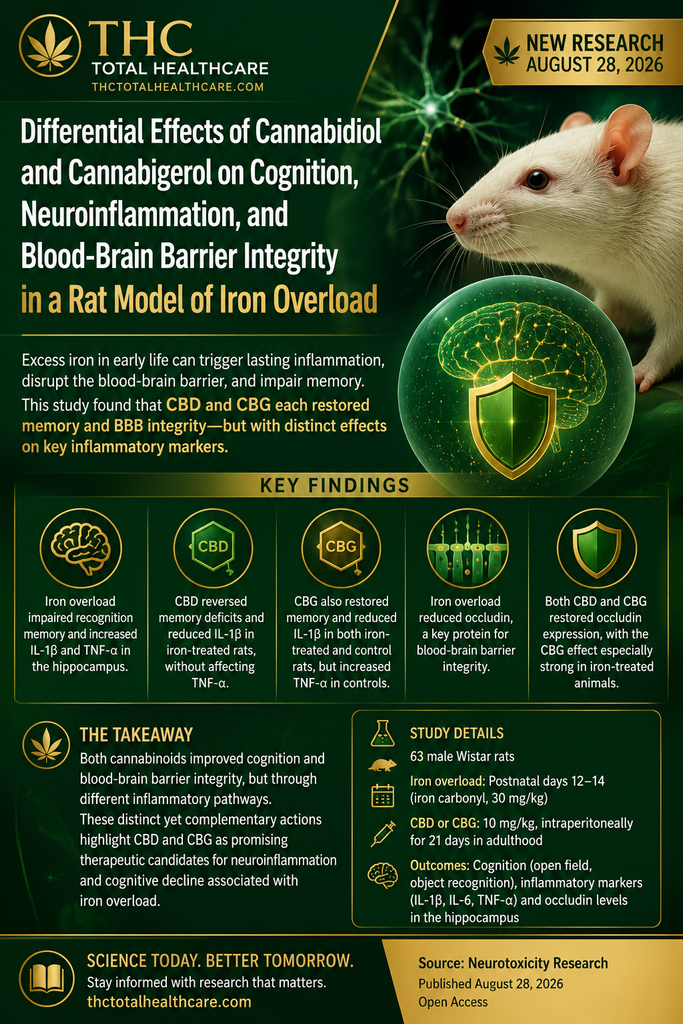
Researchers comparing cannabidiol (CBD) and cannabigerol (CBG) found that both cannabinoids reversed recognition-memory impairment and restored a protein important to blood-brain barrier integrity in rats exposed to excessive iron early in life.

Both CBD and CBG reduced the inflammatory marker IL-1β, although their broader effects on inflammation differed. The findings suggest that the two phytocannabinoids may protect cognitive function through distinct but complementary mechanisms involving neuroinflammation and the blood-brain barrier.

“Iron is an essential micronutrient for brain development, participating in mitochondrial respiration, myelination, and neurotransmitter synthesis. However, previous studies have demonstrated that excessive iron during early postnatal life induces oxidative reactions, leading to mitochondrial dysfunction and synaptic failure. These alterations compromise energy metabolism and neuronal integrity, contributing to long-lasting cognitive dysfunction and increased brain vulnerability later in life.

This study evaluated the effects of cannabidiol (CBD) and cannabigerol (CBG) on behavioral, neuroinflammatory, and blood-brain barrier (BBB) outcomes in rats exposed to early-life iron overload.

Male Wistar rats received iron carbonyl (30 mg/kg, intragastrically) from postnatal day 12 to 14. At three months of age, they were treated intraperitoneally with CBD, CBG (both at 10 mg/kg), or vehicle for 21 days. Cognitive performance was assessed in the open field and object recognition tasks. We examined hippocampal levels of interleukin-1 beta (IL-1β), interleukin-6 (IL-6), tumor necrosis factor alpha (TNF-α), as proinflammatory markers, and occludin, a protein known to regulate BBB permeability.

Iron-exposed animals showed impaired recognition memory, with elevated TNF-α and IL-1β, while CBD reversed memory deficits and reduced IL-1β in iron-treated animals, without affecting TNF-α.

CBG restored memory, decreased IL-1β in both iron-treated and controls, and increased TNF-α in controls. Also, iron overload reduced occludin expression in vehicle-treated rats which was reversed by both CBD and CBG.

These findings highlight inflammation and BBB disruption as mediators of iron-induced cognitive dysfunction and show that both phytocannabinoids act through distinct but complementary mechanisms, supporting their therapeutic potential in neuroinflammation linked to iron overload.”

https://pubmed.ncbi.nlm.nih.gov/42663810

https://link.springer.com/article/10.1007/s12640-026-00826-x


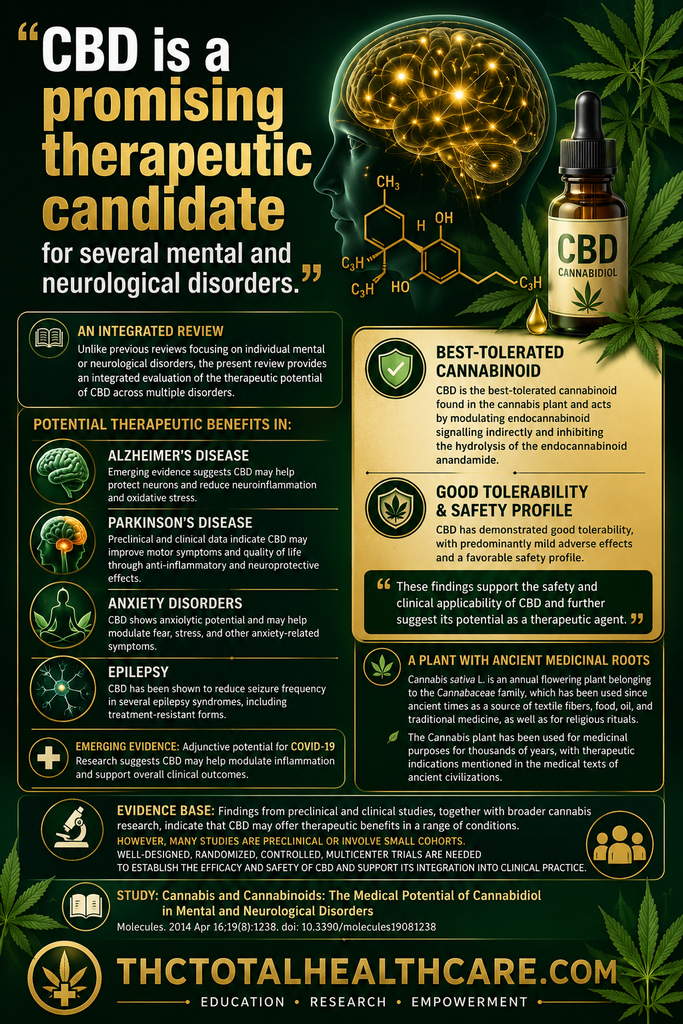
Cannabis and Cannabinoids: The Medical Potential of Cannabidiol in Mental and Neurological Disorders

Cannabidiol (CBD) has become one of the most widely studied cannabis compounds for its potential effects on the brain and nervous system.

This review examines evidence across a range of mental and neurological disorders, including anxiety, depression, psychosis, epilepsy, neurodegenerative diseases and other conditions involving altered brain signaling or inflammation.

The research highlights CBD’s broad therapeutic potential while helping clarify the biological mechanisms that may underlie its effects.

Background/Objectives: Mental and neurological disorders contribute substantially to the global burden of disease, affecting people of all ages and backgrounds. As their prevalence increases with age, their overall impact is expected to grow in the coming decades. Although psychological and pharmacological treatments are available, many patients fail to achieve satisfactory outcomes, underscoring the need for improved therapeutic strategies. Cannabis sativa L. has been used for medicinal purposes for centuries, and cannabidiol (CBD) has attracted increasing attention because of its broad therapeutic potential. Scientific studies indicate that CBD may be beneficial in several mental and neurological disorders. 

Methods: A comprehensive literature search was conducted to identify articles investigating the therapeutic potential of CBD and cannabis in selected disorders. 

Results: Evidence from preclinical and clinical studies, together with findings from the broader cannabis literature, indicates that CBD may offer therapeutic benefits in a range of conditions, including Alzheimer’s and Parkinson’s disease, anxiety disorders, and epilepsy. Emerging data also support its potential use as an adjunctive therapy for COVID-19. Current research has improved understanding of the neurobiological mechanisms underlying these disorders and the molecular pathways through which CBD may exert its effects. CBD has demonstrated good tolerability, with predominantly mild adverse effects and a favorable safety profile. 

Conclusions: Despite promising findings, many available studies are preclinical or involve small patient cohorts, and the mechanisms underlying the therapeutic effects of CBD remain incompletely understood. Further well-designed, randomized, controlled, multicenter trials are needed to establish the efficacy and safety of CBD and support its integration into clinical practice.”

https://pubmed.ncbi.nlm.nih.gov/42653735

“The Cannabis plant has been used for medicinal purposes for thousands of years, with therapeutic indications mentioned in the medical texts of ancient civilizations.”

“These findings support the safety and clinical applicability of CBD and further suggest its potential as a therapeutic agent.”

“CBD is a promising therapeutic candidate for several mental and neurological disorders.”,

https://www.mdpi.com/1424-8247/19/8/1238


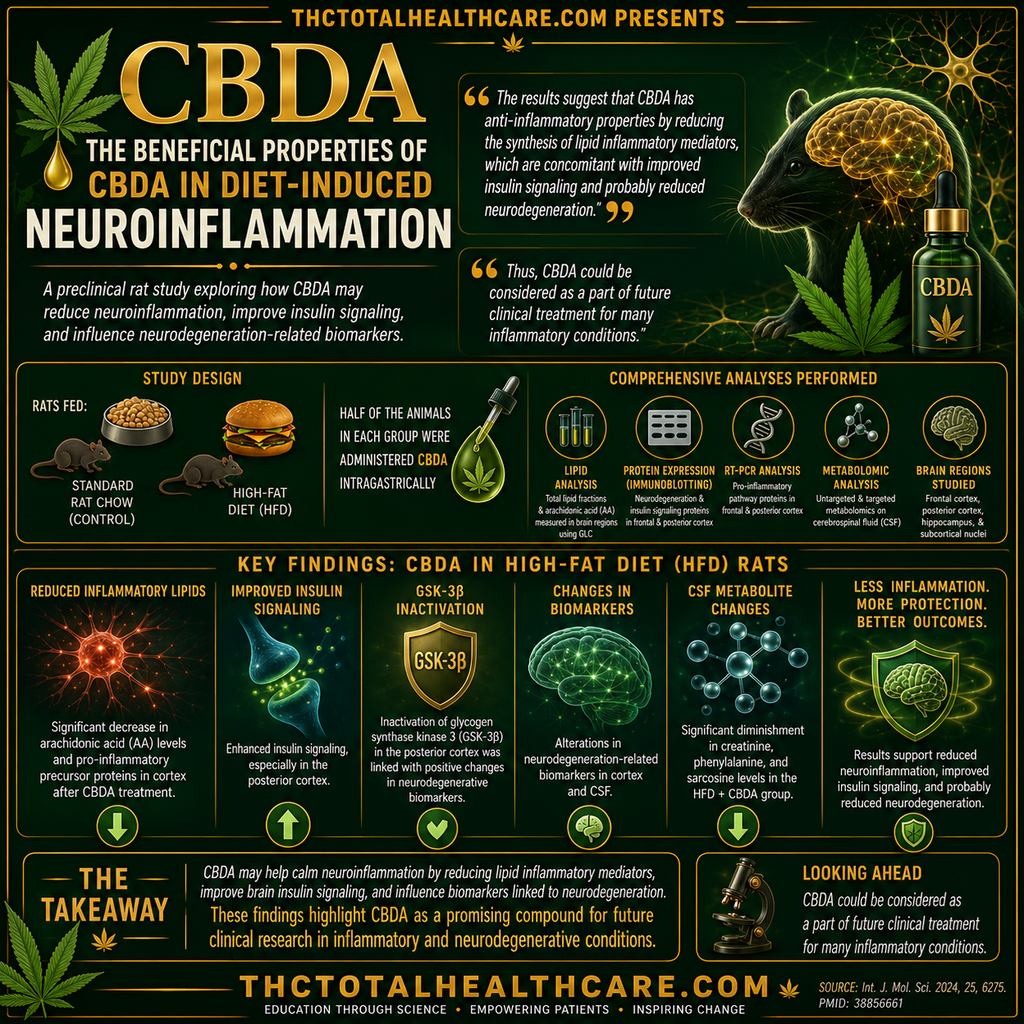
The beneficial properties of CBDA in diet-induced neuroinflammation

Cannabidiolic acid (CBDA), the natural acidic precursor of CBD, is drawing increasing attention for its own biological effects.

In this study, researchers examined CBDA in a model of diet-induced neuroinflammation and found evidence that it may help reduce inflammatory changes in the brain associated with an unhealthy diet.

The findings add to growing research showing that acidic cannabinoids such as CBDA may have therapeutic properties distinct from their better-known neutral forms.

“Cannabidiolic acid (CBDA) is a phytocannabinoid found in the Cannabis plant. Understanding the effects of CBDA is essential to uncover its full potential and possible health benefits.

The study was conducted on rats receiving standard rat chow (control) and a high-fat diet (HFD).

Half of the animals in each group were administered CBDA intragastrically. The total lipid fractions and arachidonic acid (AA) contents were measured in the frontal and posterior cortex, hippocampus, and subcortical nuclei using gas-liquid chromatography. The expression of proteins involved in neurodegenerative diseases and insulin signaling pathway proteins in the frontal and posterior cortex was measured using Immunoblotting. RT-PCR was used to assess the expression of pro-inflammatory pathway proteins in the same regions. Additionally, untargeted and targeted metabolomic analyses were performed on cerebrospinal fluid (CSF).

The results showed that a decrease in arachidonic acid levels and pro-inflammatory precursor proteins after CBDA treatment in high-fat-fed rats was simultaneous with improved insulin signaling, particularly in the posterior cortex.

Inactivation of glycogen synthase kinase 3 (GSK-3β) in this region was concomitant with changes in neurodegenerative biomarkers in the cortex and CSF. Metabolomic studies revealed a significant diminishment in creatinine, phenylalanine, and sarcosine levels in the HFD+CBDA group, suggesting it plays an important role in neurological disorders.

The results suggest that CBDA has anti-inflammatory properties by reducing the synthesis of lipid inflammatory mediators, which are concomitant with improved insulin signaling and probably reduced neurodegeneration.

Thus, CBDA could be considered as a part of future clinical treatment for many inflammatory conditions.”

https://pubmed.ncbi.nlm.nih.gov/42627619

“Our study demonstrated a preliminary analysis of the impact of CBDA on the inflammatory profile of the brain under conditions of excess calories from fat. The results suggest an anti-inflammatory role for this cannabinoid, particularly in inhibiting the synthesis of lipid inflammatory mediators.”

https://link.springer.com/article/10.1007/s10787-026-02358-4

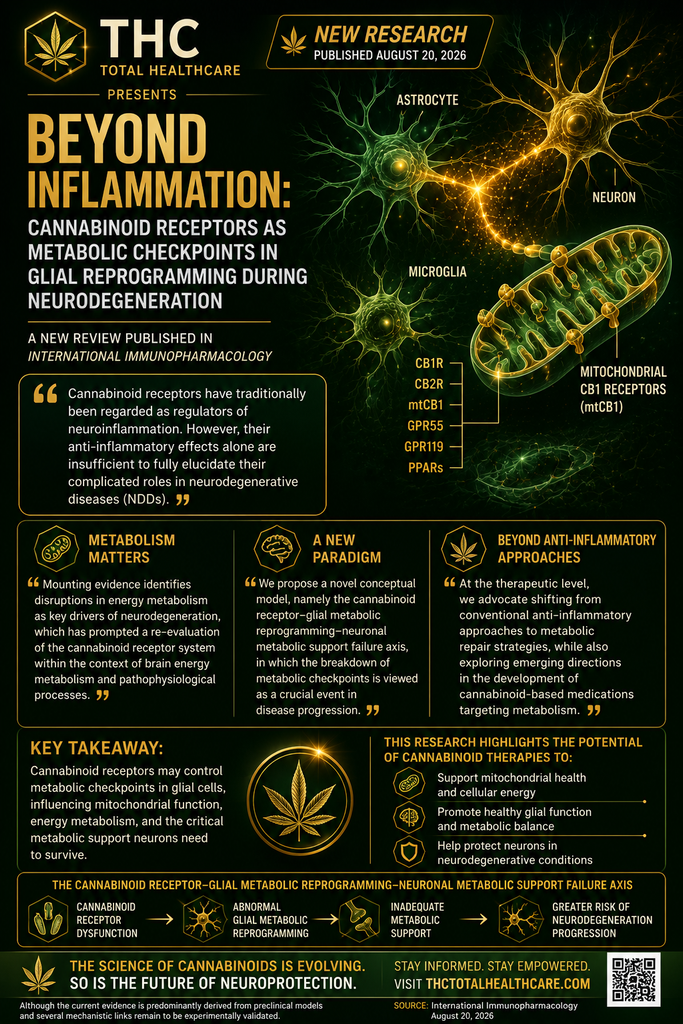
Beyond inflammation: Cannabinoid receptors as metabolic checkpoints in glial reprogramming during neurodegeneration

Cannabinoid receptors are increasingly being studied for roles that go beyond controlling inflammation in the brain.

This review examines how CB1 and CB2 receptors may act as metabolic checkpoints in glial cells, influencing how these cells use energy, respond to stress and change their behavior during neurodegenerative disease.

The findings highlight a broader role for the endocannabinoid system in shaping brain metabolism and glial function, with potential relevance to conditions such as Alzheimer’s, Parkinson’s and other neurodegenerative disorders.

“Cannabinoid receptors have traditionally been regarded as regulators of neuroinflammation. However, their anti-inflammatory effects alone are insufficient to fully elucidate their complicated roles in neurodegenerative diseases (NDDs).

Mounting evidence identifies disruptions in energy metabolism as key drivers of neurodegeneration, which has prompted a re-evaluation of the cannabinoid receptor system within the context of brain energy metabolism and pathophysiological processes. Accumulated findings from several independent preclinical studies have offered novel insights into the potential involvement of cannabinoid receptors in energy metabolism, mitochondrial function, and glial metabolic reprogramming.

This review focuses on the metabolic regulatory potential of classical cannabinoid receptors, including cannabinoid receptor type 1 (CB1R) and cannabinoid receptor type 2 (CB2R), with particular attention to mitochondrial CB1 receptors (mtCB1), as well as non-classical targets such as G protein-coupled receptor 55 (GPR55), G protein-coupled receptor 119 (GPR119), and peroxisome proliferator-activated receptors (PPARs). Additionally, the review explores the mechanisms by which astrocytes maintain neuronal support through cell-type-specific metabolic specialization and how metabolic reprogramming in microglia modulates neuroinflammatory phenotypes.

Although the current evidence is predominantly derived from preclinical models and several mechanistic links remain to be experimentally validated, we propose a novel conceptual model, namely the cannabinoid receptor-glial metabolic reprogramming-neuronal metabolic support failure axis, in which the breakdown of metabolic checkpoints is viewed as a crucial event in disease progression.

At the therapeutic level, we advocate shifting from conventional anti-inflammatory approaches to metabolic repair strategies, while also exploring emerging directions in the development of cannabinoid-based medications targeting metabolism.

Collectively, a deep understanding of the complex metabolic regulatory functions of cannabinoid receptors is critical for developing next-generation treatment strategies for NDDs.”

https://pubmed.ncbi.nlm.nih.gov/42624021

“Shift from anti-inflammation to metabolic repair for cannabinoid NDD therapy.”

https://www.sciencedirect.com/science/article/abs/pii/S1567576926011458?via%3Dihub


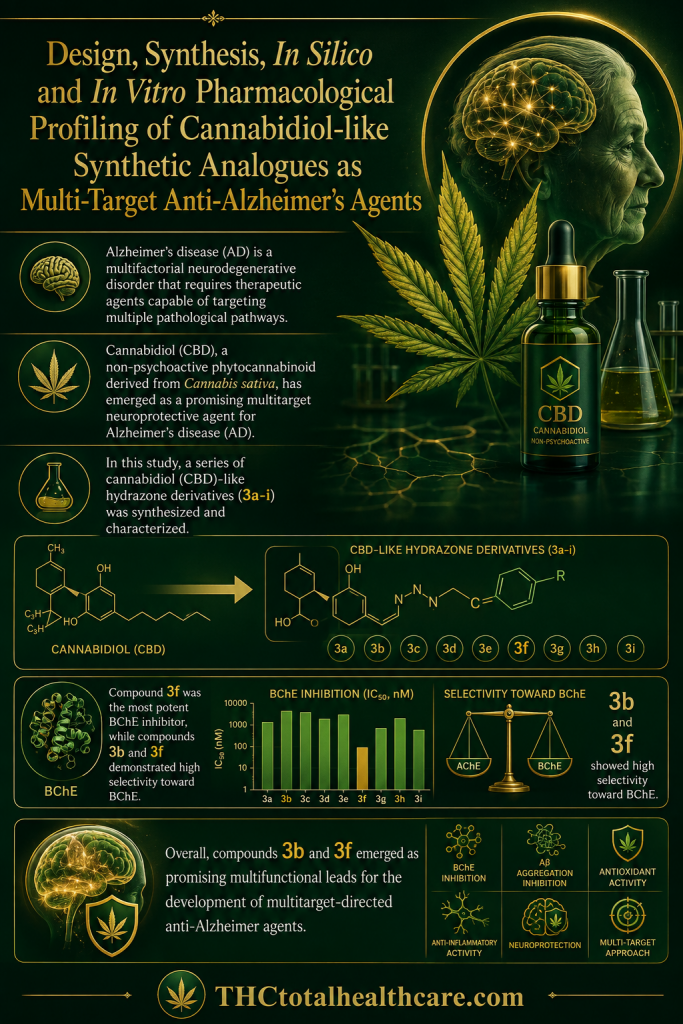
Design, Synthesis, In Silico and In Vitro Pharmacological Profiling of Cannabidiol-like Synthetic Analogues as Multi-Target Anti-Alzheimer’s Agents

Alzheimer’s disease involves multiple overlapping pathological processes, making multitarget therapies especially attractive. Researchers synthesized a series of CBD-like compounds and found several with strong butyrylcholinesterase inhibition, antioxidant activity, favorable predicted brain penetration, and good neuronal-cell safety. Two compounds, 3b and 3f, emerged as particularly promising leads for further development as multi-target anti-Alzheimer’s agents.

“Alzheimer’s disease (AD) is a multifactorial neurodegenerative disorder that requires therapeutic agents capable of targeting multiple pathological pathways.

In this study, a series of cannabidiol (CBD)-like hydrazone derivatives (3ai) was synthesized and characterized by NMR, HRMS, and single-crystal X-ray diffraction for compound 3i.

In silico ADME analysis predicted favorable drug-like properties, including compliance with Lipinski’s Rule of Five, oral bioavailability, and blood-brain barrier permeability. The compounds were evaluated for cholinesterase inhibition, antioxidant activity, cytotoxicity in neuronal cell lines, and binding interactions with human butyrylcholinesterase (hBChE) by molecular docking. Biological evaluation revealed a marked preference for BChE over acetylcholinesterase (AChE).

Compound 3f was the most potent BChE inhibitor (IC50 = 1.67 ± 0.11 μM), while compounds 3b and 3f demonstrated high selectivity toward BChE. Antioxidant assays (DPPH, ABTS, FRAP, and FTC) indicated moderate, mechanism-dependent activity. Compounds 3b and 3e showed the strongest ABTS radical-scavenging effects, whereas compounds 3b and 3f provided the greatest protection against lipid peroxidation, surpassing CBD under the tested conditions. Several derivatives, particularly 3a3b3f3h, and 3i, exhibited favorable safety profiles in SH-SY5Y and Neuro-2a cells. Molecular docking supported the experimental findings.

Overall, compounds 3b and 3f emerged as promising multifunctional leads for the development of multitarget-directed anti-Alzheimer agents.”

https://pubmed.ncbi.nlm.nih.gov/42588505

“Cannabidiol (CBD), a non-psychoactive phytocannabinoid derived from Cannabis sativa, has emerged as a promising multitarget neuroprotective agent for Alzheimer’s disease (AD).”

https://www.mdpi.com/1420-3049/31/15/2657

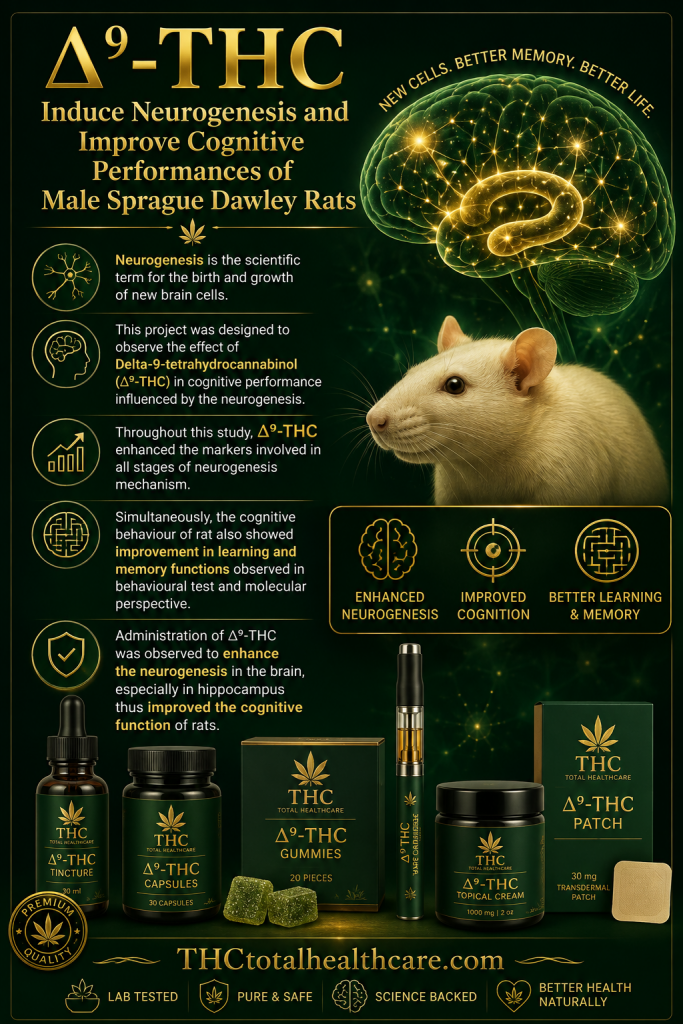
Delta-9-Tetrahydrocannabinol (∆9-THC) Induce Neurogenesis and Improve Cognitive Performances of Male Sprague Dawley Rats

THC is often associated with impaired memory, but its effects on the brain may depend heavily on dose and context. In this rat study, Δ9-THC enhanced markers involved in multiple stages of hippocampal neurogenesis and improved learning and memory performance, with the 1.5 mg/kg dose producing particularly strong effects on both neurogenesis and cognitive function.

“Neurogenesis is influenced by various external factors such as enriched environments. Some researchers had postulated that neurogenesis has contributed to the hippocampal learning and memory.

This project was designed to observe the effect of Delta-9-tetrahydrocannabinol (∆9-THC) in cognitive performance that influenced by the neurogenesis.

Different doses of ∆9-THC were used for observing the neurogenesis mechanism occurs in the hippocampus of rats. The brains were stained with antibodies, namely BrdU, glial fibrillary acidic protein (GFAP), nestin, doublecortin (DCX) and class III β-tubulin (TuJ-1). The cognitive test was used novel-object discrimination test (NOD) while the proteins involved, DCX and brain-derived neurotrophic factor (BDNF), were measured.

Throughout this study, ∆9-THC enhanced the markers involved in all stages of neurogenesis mechanism. Simultaneously, the cognitive behaviour of rat also showed improvement in learning and memory functions observed in behavioural test and molecular perspective.

Administration of ∆9-THC was observed to enhance the neurogenesis in the brain, especially in hippocampus thus improved the cognitive function of rats.”

https://pubmed.ncbi.nlm.nih.gov/28933048

“The treatment of 1.5 mg/kg of ∆9-THC has increase all the markers for neurogenesis and cognition function while improve the cognitive performance.”

https://link.springer.com/article/10.1007/s12640-017-9806-x

“Neurogenesis is the scientific term for the birth and growth of new brain cells.”


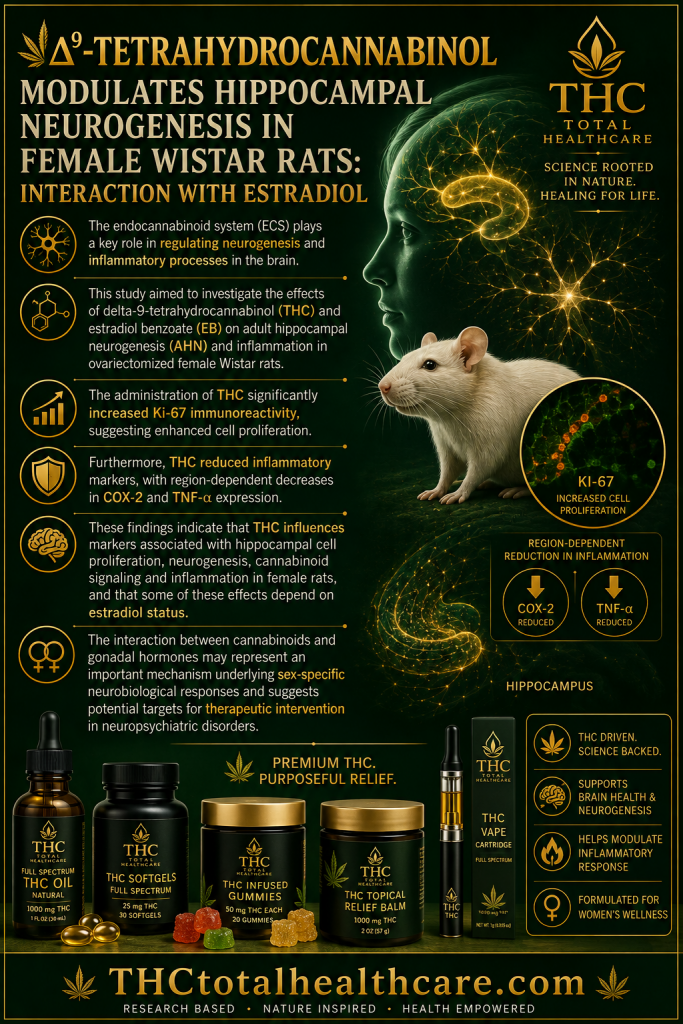
Δ9-Tetrahydrocannabinol Modulates Hippocampal Neurogenesis in Female Wistar Rats: Interaction with Estradiol

THC may influence the female brain through both neurogenic and anti-inflammatory mechanisms. In ovariectomized female rats, Δ9-THC significantly increased hippocampal cell proliferation, showed evidence of enhanced neurogenesis, and reduced the inflammatory markers COX-2 and TNF-α. The effects also interacted with estradiol, highlighting the importance of hormonal status in determining THC’s actions in the brain.

“The endocannabinoid system (ECS) plays a key role in regulating neurogenesis and inflammatory processes in the brain.

The increasing prevalence of Cannabis use among women highlights the importance of understanding sex-specific effects of cannabinoids, particularly in the context of hormonal interactions.

This study aimed to investigate the effects of delta-9-tetrahydrocannabinol (THC) and estradiol benzoate (EB) on adult hippocampal neurogenesis (AHN) and inflammation in ovariectomized female Wistar rats.

Sixteen rats were allocated to four experimental groups receiving THC, EB, both treatments, and vehicle. Immunohistochemical analyses were conducted to evaluate markers of proliferation (Ki-67), neurogenesis (doublecortin and PSA-NCAM), cannabinoid receptor expression (CB1), and inflammation (COX-2 and TNF-α) in the hippocampal formation.

The administration of THC significantly increased Ki-67 immunoreactivity, suggesting enhanced cell proliferation. A trend toward increased doublecortin expression was observed, particularly in EB-treated animals. THC also modulated CB1 receptor expression, with significant increases in the dentate gyrus and hilus following combined THC and EB treatment. Furthermore, THC reduced inflammatory markers, with region-dependent decreases in COX-2 and TNF-α expression.

These findings indicate that THC influences markers associated with hippocampal cell proliferation, neurogenesis, cannabinoid signaling and inflammation in female rats, and that some of these effects depend on estradiol status.

The interaction between cannabinoids and gonadal hormones may represent an important mechanism underlying sex-specific neurobiological responses and suggests potential targets for therapeutic intervention in neuropsychiatric disorders.”

https://pubmed.ncbi.nlm.nih.gov/42570151

https://link.springer.com/article/10.1007/s11064-026-04857-w


Δ8-THC Protects against Amyloid Beta Toxicity Modulating ER Stress In Vitro: A Transcriptomic Analysis

Amyloid-beta toxicity is a major driver of neuronal stress and degeneration in Alzheimer’s disease. In this laboratory study, Δ8-THC protected cells against amyloid-beta-induced damage and altered gene-expression pathways involved in endoplasmic reticulum stress. The results demonstrated that Δ8-THC might represent a new neuroprotective agent in Alzheimer’s disease.

“Alzheimer’s disease (AD) represents the most common form of dementia, characterized by amyloid β (Aβ) plaques and neurofibrillary tangles (NFTs). It is characterized by neuroinflammation, the accumulation of misfolded protein, ER stress and neuronal apoptosis. It is of main importance to find new therapeutic strategies because AD prevalence is increasing worldwide.

Cannabinoids are arising as promising neuroprotective phytocompounds.

In this study, we evaluated the neuroprotective potential of Δ8-THC pretreatment in an in vitro model of AD through transcriptomic analysis.

We found that Δ8-THC pretreatment restored the loss of cell viability in retinoic acid-differentiated neuroblastoma SH-SY5Y cells treated with Aβ1-42. Moreover, the transcriptomic analysis provided evidence that the enriched biological processes of gene ontology were related to ER functions and proteostasis. In particular, Aβ1-42 upregulated genes involved in ER stress and unfolded protein response, leading to apoptosis as demonstrated by the increase in Bax and the decrease in Bcl-2 both at gene and protein expression levels. Moreover, genes involved in protein folding and degradation were also deregulated. On the contrary, Δ8-THC pretreatment reduced ER stress and, as a consequence, neuronal apoptosis.

Then, the results demonstrated that Δ8-THC might represent a new neuroprotective agent in AD.”

https://pubmed.ncbi.nlm.nih.gov/37047608

“The results suggested that Δ8-THC may represent a novel neuroprotective agent in AD but also in other neurodegenerative diseases characterized by the accumulation of misfolded proteins.”

https://www.mdpi.com/1422-0067/24/7/6598

Prevention of Alzheimer’s Disease Pathology by Cannabinoids: Neuroprotection Mediated by Blockade of Microglial Activation

Alzheimer’s disease involves not only amyloid accumulation but also chronic activation of microglia and damaging neuroinflammation. In this preclinical study, cannabinoids reduced microglial activation, protected neurons from amyloid-related injury, and helped prevent Alzheimer’s-like pathology. The researchers concluded that cannabinoid-mediated suppression of microglial activation may represent a promising neuroprotective strategy for slowing or preventing disease progression.

“Alzheimer’s disease (AD) is characterized by enhanced β-amyloid peptide (βA) deposition along with glial activation in senile plaques, selective neuronal loss, and cognitive deficits.

Cannabinoids are neuroprotective agents against excitotoxicity in vitro and acute brain damage in vivo.

This background prompted us to study the localization, expression, and function of cannabinoid receptors in AD and the possible protective role of cannabinoids after βA treatment, both in vivo and in vitro.

Here, we show that senile plaques in AD patients express cannabinoid receptors CB1 and CB2, together with markers of microglial activation, and that CB1-positive neurons, present in high numbers in control cases, are greatly reduced in areas of microglial activation. In pharmacological experiments, we found that G-protein coupling and CB1 receptor protein expression are markedly decreased in AD brains. Additionally, in AD brains, protein nitration is increased, and, more specifically, CB1 and CB2 proteins show enhanced nitration. Intracerebroventricular administration of the synthetic cannabinoid WIN55,212-2 to rats prevent βA-induced microglial activation, cognitive impairment, and loss of neuronal markers.

Cannabinoids (HU-210, WIN55,212-2, and JWH-133) block βA-induced activation of cultured microglial cells, as judged by mitochondrial activity, cell morphology, and tumor necrosis factor-α release; these effects are independent of the antioxidant action of cannabinoid compounds and are also exerted by a CB2-selective agonist. Moreover, cannabinoids abrogate microglia-mediated neurotoxicity after βA addition to rat cortical cocultures.

Our results indicate that cannabinoid receptors are important in the pathology of AD and that cannabinoids succeed in preventing the neurodegenerative process occurring in the disease.”

“Cannabinoid receptors in AD brain.”

“Cannabinoids, the active components of marijuana and their analogs, exert a wide spectrum of central and peripheral effects by activating specific cannabinoid receptors, two of which have been well characterized to date: CB1 and CB2.”

“Cannabinoids exert neuroprotection under different experimental conditions. Thus, cannabinoid receptor activation protects hippocampal or granule cerebellar neurons from excitotoxicity”

“This background prompted us to study the characteristics and localization of cannabinoid receptors in AD brain, with particular emphasis on any relationship with microglial activation.”

“Cannabinoid treatment prevents βA-induced microglial activation and neurotoxicity in vitro.”

“Cannabinoid treatment prevents βA-induced toxic effects in vivo.”

“Because cannabinoids combine both anti-inflammatory and neuroprotective actions, our findings may set the basis for the use of these compounds as a therapeutic approach for AD.”

https://pmc.ncbi.nlm.nih.gov/articles/PMC6726060

https://www.jneurosci.org/content/25/8/1904.long

Delta-9-tetrahydrocannabinol delineates D-galactose and aluminium chloride-induced cognitive dysfunction and neurodegeneration in the hippocampus of the Wistar rat model

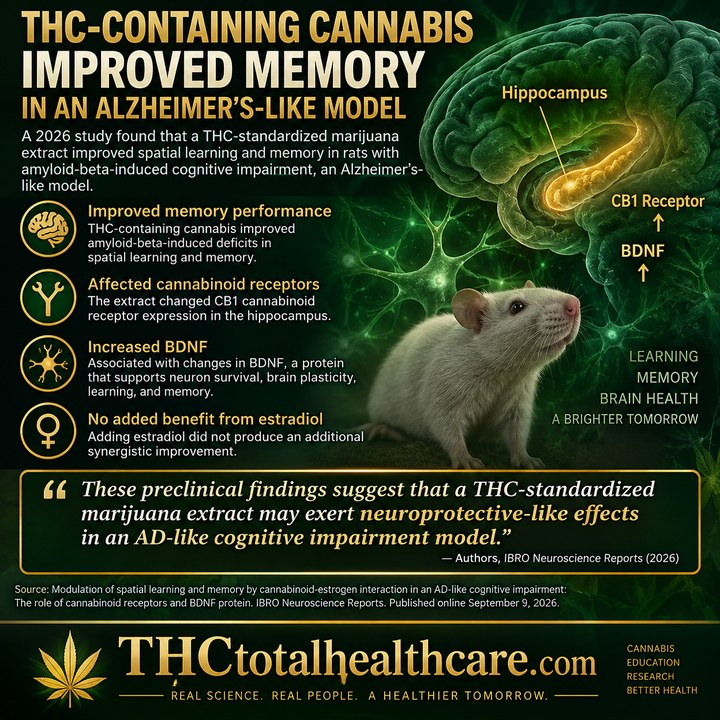
Cognitive decline and hippocampal neurodegeneration are closely linked to oxidative stress, inflammation, and neuronal damage. In this rat model, Δ9-THC improved learning and memory, reduced hippocampal neurodegeneration, and attenuated oxidative and inflammatory changes induced by D-galactose and aluminium chloride. The researchers concluded that THC showed neuroprotective potential and may warrant further investigation for disorders involving cognitive dysfunction and neurodegeneration.

“Alzheimer’s disease (AD) is a neurodegenerative disorder characterised by neurodegeneration and a decline in cognition and memory. D-galactose (D-gal) and aluminium chloride (AlCl3) have been used to induce cognitive deterioration in rat models that mimic the alterations observed in AD.

This study assessed the neurotherapeutic effect of Δ9-tetrahydrocannabinol (Δ9THC) on cognitive abilities, brain morphology, neurogenesis activity and neuropathological markers in Wistar rats induced by D-gal plus AlCl3.

Male albino Wistar rats received D-gal (60 mg/kg, intraperitoneally) and AlCl3 (200 mg/kg, orally) daily for 10 weeks. The rats were then treated with increasing concentrations of Δ9THC (0.75, 1.5 and 3.0 mg/kg) for 28 days. Cognitive performance was evaluated using the novel object recognition and modified elevated plus maze tests. Dentate gyrus viable granule cells, neurogenesis markers, amyloid precursor protein and phosphorylated tau (p‑tau Thr231) were assessed histologically and molecularly.

Δ9THC treatment improved cognitive performance, prevented granule cell loss in the dentate gyrus, increased neurogenesis-related markers (GFAP+, DCX+, calbindin+ and NeuN immunoreactivity), and reduced amyloid precursor protein and p‑tau Thr231 expression.

These findings suggest that Δ9THC possesses promising therapeutic potential against Alzheimer’s disease.”

https://pubmed.ncbi.nlm.nih.gov/42454694