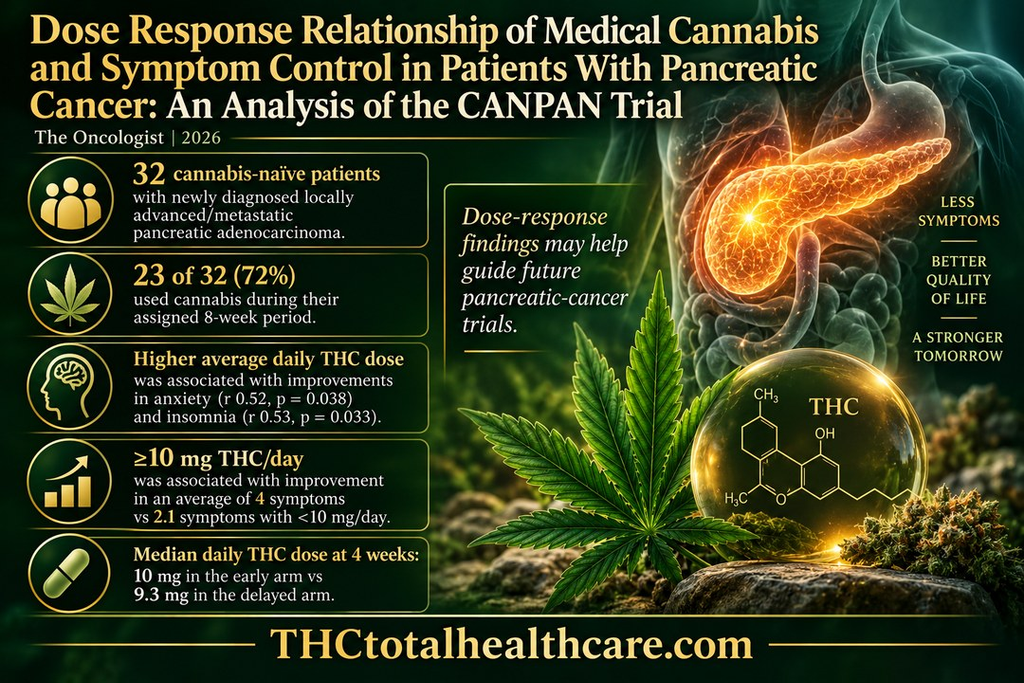
A new analysis of the CANPAN trial found a clear dose-response relationship between THC and symptom improvement in patients with pancreatic cancer. The trial enrolled 32 cannabis-naïve patients with newly diagnosed locally advanced or metastatic pancreatic adenocarcinoma, and 23 used medical cannabis during their assigned eight-week treatment period.
Higher average daily THC doses were significantly associated with greater improvements in anxiety and insomnia. Patients receiving at least 10 mg of THC per day improved in an average of four symptoms, compared with 2.1 symptoms among patients receiving less than 10 mg per day.
The authors say these findings provide important dose-response information for future pancreatic-cancer trials, particularly for psychological symptoms and multi-symptom control. The results add to evidence from the CANPAN trial that personalized medical cannabis may have a role in managing symptoms experienced by people undergoing treatment for pancreatic cancer.
“Background: In a pilot waitlist-control randomized trial, a personalized medical cannabis intervention improved certain symptoms among patients with pancreatic cancer over 8 weeks. Longer-term and dose-response data can guide future trial design.
Methods: CANPAN enrolled 32 cannabis-naïve patients with newly diagnosed locally advanced/metastatic pancreatic adenocarcinoma (NCT06605430). Patients were randomized to early (0-8 weeks) or delayed (9-16 weeks) cannabis intervention. Primary efficacy results over the first 8 weeks were previously reported. We investigated cannabis use and patient-reported outcome (PRO) completion over 9-16 weeks, and the relationship between tetrahydrocannabinol (THC) dose and symptom efficacy.
Results: Among 32 participants, 23 (72%) used cannabis during their assigned 8-week period (12/16 in early arm and 11/16 in delayed arm). Of these, 16 (50%) had both pre-cannabis and 8-week post-cannabis initiation PRO data available. At the end of the 16-week study period, PRO data were available for 16 (50%) participants (9/16 early arm, 7/16 delayed arm). Median daily THC dose 4 weeks after starting cannabis was similar in early vs delayed arms (10 mg vs 9.3 mg). A higher average daily THC dose was associated with improvements in anxiety (r 0.52, p = 0.038) and insomnia (r 0.53, p = 0.033). A ≥ 10 mg daily THC dose (vs < 10 mg) was associated with mean improvement in 4 vs 2.1 symptoms.
Conclusions: The 50% complete data availability at 16 weeks, dose-response relationship with psychological symptoms, and threshold dose for multi-symptom efficacy will guide future trials. Similar cannabis use patterns across arms raise confidence in the waitlist-control design.”
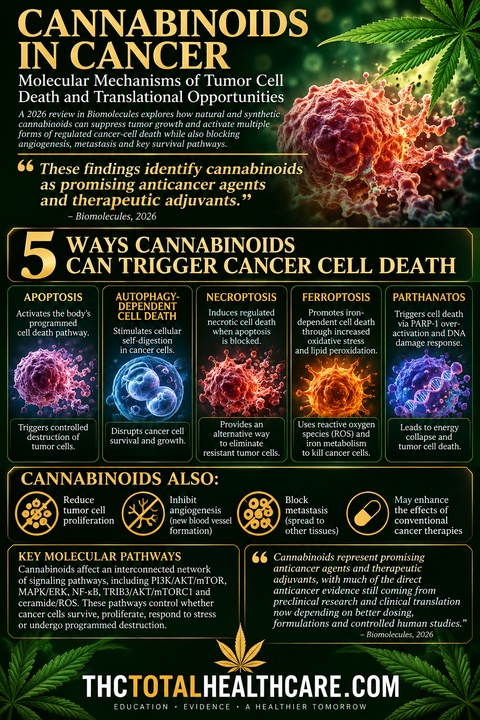
Cannabinoids can attack cancer cells through far more than a single mechanism. This 2026 review describes how natural and synthetic cannabinoids can suppress tumor-cell growth, angiogenesis and metastasis while activating multiple forms of regulated cancer-cell death, including apoptosis, autophagy-dependent cell death, necroptosis, ferroptosis and parthanatos.
The researchers detail an interconnected network of molecular pathways affected by cannabinoids, including PI3K/AKT/mTOR, MAPK/ERK, NF-κB, TRIB3/AKT/mTORC1 and ceramide/ROS signaling. These pathways control whether cancer cells survive, proliferate, respond to stress or undergo programmed destruction, giving cannabinoids multiple potential points of attack against malignant cells.
The review also finds that cannabinoids may enhance conventional anticancer treatments by engaging complementary cell-death pathways. The authors conclude that cannabinoids represent promising anticancer agents and therapeutic adjuvants, with much of the direct anticancer evidence still coming from preclinical research and clinical translation now depending on better dosing, formulations and controlled human studies.
“Cannabinoids are terpenophenolic compounds derived from Cannabis sativa L. that exert a broad range of biological and pharmacological activities. Increasing evidence highlights their potential as modulators of cancer progression specifically through the suppression of tumor cell growth, angiogenesis, and metastasis across multiple tumor models.
This review provides a comprehensive overview of the molecular mechanisms by which natural and synthetic cannabinoids induce regulated cancer cell death.
Current evidence demonstrates that cannabinoids regulate multiple forms of cancer cell death, including apoptosis, autophagy-dependent cell death, necroptosis, ferroptosis, and parthanatos. These effects are mediated through complex and interconnected signaling pathways such as TRIB3/AKT/mTORC1, PI3K/AKT/mTOR, MAPK/ERK, NF-κB, ERK/JNK/p38-MAPK, and ceramide/Raf1/ERK/ROS.
In addition to their direct antitumor effects, cannabinoids can enhance the efficacy of conventional anticancer therapies through the coordinated regulation of complementary cell death pathways. They also provide clinically relevant supportive benefits in palliative care, alleviating chemotherapy-induced nausea, cachexia, and mood or sleep disturbances.
Collectively, these findings identify cannabinoids as promising anticancer agents and therapeutic adjuvants, predominantly in the preclinical setting. However, significant challenges remain regarding their safety, optimal dosing, formulation, and clinical efficacy. Further mechanistic studies, rigorous preclinical research, and well-designed clinical trials are required to establish the translation of cannabinoid-based therapies into precision oncology.”
“The cannabis plant, a member of the Cannabaceae family, has been traditionally utilized for centuries for spiritual and remedial healing.”
“The anticancer activity of cannabinoids was discovered in 1975 by Munson et al.. Cannabinoids suppress cancer cell proliferation, angiogenesis, tumor invasion, metastasis, and stemness while inducing different modes of cell death pathways.”
“In summary, this review highlights the growing body of evidence supporting the ability of cannabinoids to induce multiple forms of cell death across a broad spectrum of cancer types. Through the modulation of diverse molecular and signaling pathways, cannabinoids have emerged as promising anticancer agents, mostly in preclinical models, with the potential to target tumor growth, survival, and progression, ultimately triggering diverse cell death mechanisms.”
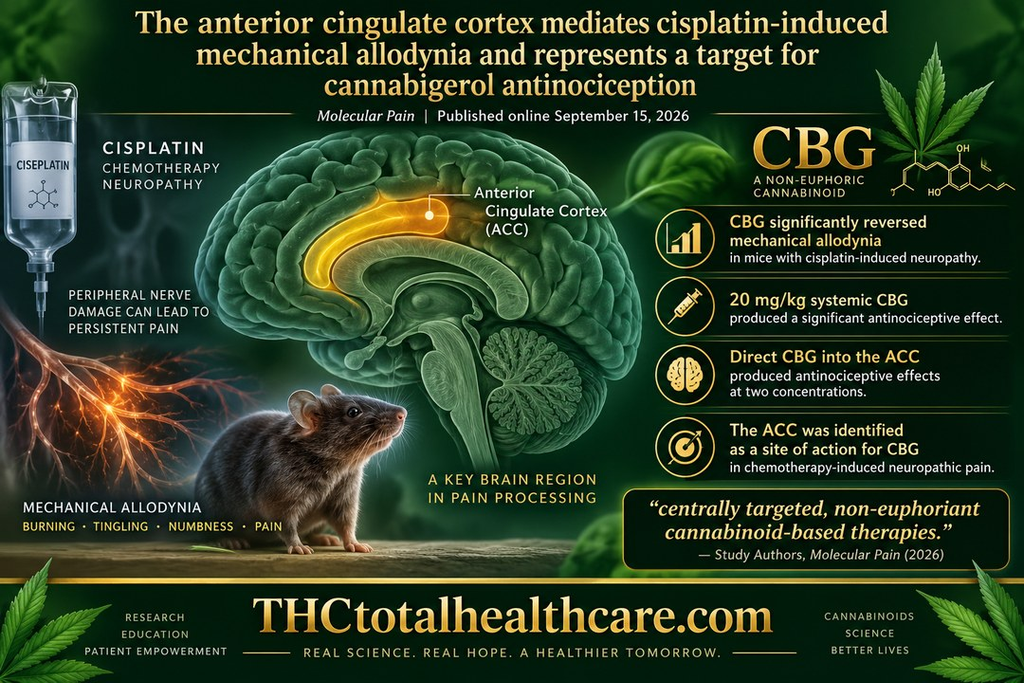
Chemotherapy-induced peripheral neuropathy can cause persistent burning, tingling, numbness and pain long after cancer treatment ends. A new 2026 study investigated how the brain contributes to this neuropathic pain and whether cannabigerol (CBG), a non-euphoric cannabinoid, can reduce it.
Using a mouse model of cisplatin-induced neuropathy, researchers found that CBG significantly reversed mechanical allodynia. They also identified the anterior cingulate cortex, a brain region involved in processing pain, as an important part of the neuropathic pain response. Directly administering CBG into this region produced antinociceptive effects.
The findings suggest that CBG can act within central pain-processing circuits and identify the anterior cingulate cortex as a potential target for cannabinoid-based treatment of chemotherapy-induced neuropathic pain. The researchers say the results highlight the potential for “centrally targeted, non-euphoriant cannabinoid-based therapies.”
“Chemotherapy-induced peripheral neuropathy (CIPN) is a prevalent and debilitating consequence of cancer treatment with limited effective therapeutic options. While peripheral nerve injury is a key driver, emerging evidence suggests that maladaptive plasticity within central pain circuits, including the anterior cingulate cortex (ACC), contributes to the maintenance of neuropathic pain.
Here, we tested the hypothesis that the ACC is a critical substrate for cisplatin-induced mechanical allodynia and a target for cannabigerol (CBG)-mediated antinociception.
Adult male C57BL/6 mice received cisplatin (5 mg/kg, i.p., once weekly for four weeks) to induce CIPN. Mechanical allodynia was assessed using electronic von Frey testing.
Systemic administration of CBG (20 mg/kg, i.p.) significantly reversed mechanical allodynia in CIPN mice without affecting baseline thresholds in non-neuropathic animals, indicating a state-dependent effect. Chemogenetic inhibition of ACC neurons using hM4Di DREADDs similarly attenuated mechanical allodynia, identifying the ACC as a functionally relevant component of the CIPN pain state. To determine whether CBG acts within this circuit, bilateral intra-ACC microinjections of CBG (20 nM and 20 µM) were performed, both of which produced transient antinociceptive effects.
These findings demonstrate that the ACC contributes to the maintenance of mechanical allodynia in CIPN and establish this region as a site of action for CBG.
Together, our results support a model in which the ACC represents a convergent cortical mechanism underlying pathological pain and highlight the potential for centrally targeted, non-euphoriant cannabinoid-based therapies.”
“In conclusion, this study identifies the ACC as a hub in the maintenance of mechanical allodynia in a model of CIPN. By demonstrating that chemogenetic inhibition of the ACC reverses hypersensitivity and that both systemic and local administration of CBG produce antinociceptive effects, our findings link circuit-level dysfunction to a pharmacologically targetable mechanism within this region. These results support a model in which increased or dysregulated ACC neuronal activity may represent a convergent feature of pathological pain states. Importantly, these findings demonstrate that CBG can act within the ACC to modulate mechanical allodynia. Future studies identifying the receptor targets and circuit mechanisms through which CBG acts within the ACC will be essential for refining therapeutic strategies for chronic pain.”
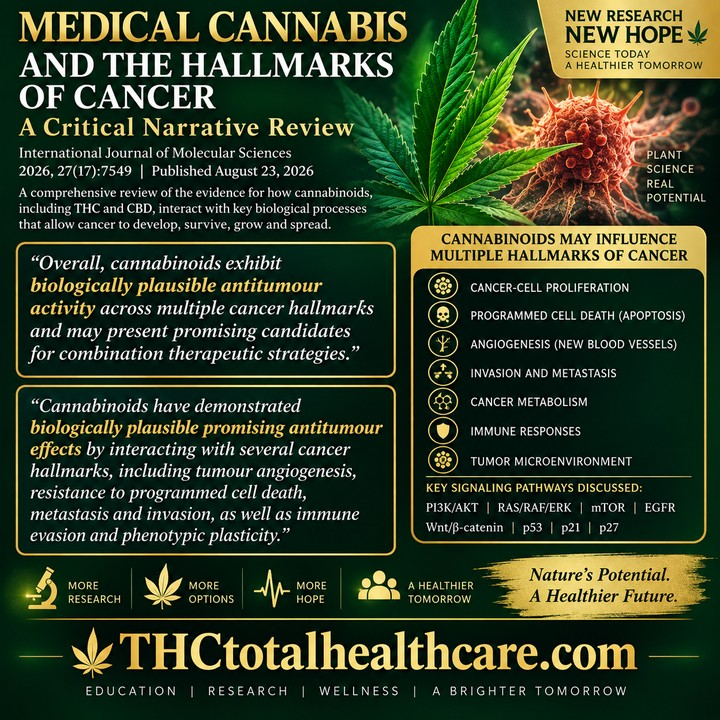
A 2026 critical narrative review examines medical cannabis through one of the most important frameworks in cancer biology: the hallmarks of cancer. Rather than looking only at symptom relief, the authors reviewed evidence for how cannabinoids, including THC and CBD, may interact with biological processes that allow cancer to develop, survive, grow and spread.
The review discusses cannabinoid effects involving cancer-cell proliferation, programmed cell death, angiogenesis, invasion, metastasis, tumor metabolism, immune responses and the tumor microenvironment. It also examines major cancer-related signaling pathways, including PI3K/AKT, RAS/RAF/ERK, mTOR, EGFR, Wnt/β-catenin and p53.
Taken together, the research shows that cannabinoids can influence multiple hallmarks of cancer through several interconnected mechanisms. The authors describe the evidence as showing biologically plausible antitumor activity and highlight cannabinoids as an important area for continued cancer research and development.
“Cancer remains a highly complex and heterogeneous disease, causing major morbidity and mortality worldwide despite advances in diagnosis and treatment. The hallmarks of cancer enlighten the biological mechanisms supporting tumourigenesis and malignant evolution, while helping to identify potential therapeutic targets.
Medical cannabis has mostly been used in oncology for supportive care, but increasing preclinical evidence suggests interference with cancer-related signalling pathways.
This narrative review summarizes the current evidence on cannabinoids, in particular the phytocannabinoids cannabidiol (CBD) and Δ9-tetrahydrocannabinol (THC), framing their prospective anticancer effects in the hallmarks of cancer.
Preclinical studies imply that CBD exerts antiproliferative effects by modulating oncogenic signalling pathways, including EGFR, PI3K/AKT, RAS/RAF/ERK, mTOR and Wnt/β-catenin, while also influencing tumour suppressor pathways involving p53, p21 and p27, causing cell cycle arrest. CBD has additionally been shown to promote programmed cell death via mitochondrial dysfunction and autophagy, altering cancer metabolism as well. Furthermore, CBD has shown anti-invasive and antiangiogenic properties and also appears to modulate immune responses and interactions with the tumour microenvironment, including emerging links with the microbiome.
Overall, cannabinoids exhibit biologically plausible antitumour activity across multiple cancer hallmarks and may present promising candidates for combination therapeutic strategies.
Nonetheless, the current evidence remains predominantly preclinical, and robust translational studies and clinical trials are needed to clarify their pharmacokinetic and pharmacodynamic profiles, determine their clinical efficacy and safety while assessing their potential integration into multimodal cancer treatment.”
“Cannabinoids have demonstrated biologically plausible promising antitumour effects by interacting with several cancer hallmarks, including tumour angiogenesis, resistance to programmed cell death, metastasis and invasion, as well as immune evasion and phenotypic plasticity.”
“Cannabinoids can interfere with several biological mechanisms involved in cancer development and progression and even though their role in oncology remains mostly supportive with predominance in symptom control, preclinical studies increasingly suggest that cannabis can also influence tumour biology.”
The first time I heard Olivia Newton-John’s voice on the radio, I thought she might be an angel.
Decades later, when I heard that same voice on the news championing a controversial cause close to my heart, I felt I had been right.
In May 2017, before I knew her breast cancer had returned, I received an instant message from someone claiming to be Olivia Newton-John. The message encouraged me to keep doing what I was doing — sharing science — and echoed a phrase I had been posting for years:
“Thank you for sharing.”
I remember what happened next because I watched it unfold in real time.
The world learned that Olivia Newton-John’s breast cancer had returned and metastasized to her sacrum. By June, I was reading reports that she was using cannabis oil. By September, she was talking about cannabis openly.
And not timidly.
In an Australian 60 Minutes interview, Olivia called cannabis a “magical, miracle plant.” Days later, on American television, she called it “a healing plant.”
She said it helped her pain. She discussed inflammation. Over the following years, she would talk about cannabis helping her sleep and anxiety. She credited her husband, John Easterling, with growing cannabis and preparing tinctures specifically for her. She later said cannabis helped her wean herself off morphine.
“I couldn’t have got through this time without it,” she said in 2019.
Yet I remember watching another story develop alongside hers.
Olivia was telling the public how well she was doing, how important cannabis had become to her and how determined she was to live.
Much of the news coverage, however, increasingly felt like a countdown toward her death.
That became especially frustrating in 2018.
Olivia revealed that the cancer she had publicly disclosed in 2017 was actually her third experience with breast cancer. Her first diagnosis had come in 1992. She had experienced another recurrence in 2013 but chose to keep it private.
That was significant new information.
But it was not a new recurrence in 2018.
Nevertheless, headlines appeared announcing that Olivia Newton-John’s cancer had “returned for a third time.” To someone encountering the story casually, it could sound as though she had suffered another fresh setback.
The individual facts were technically true but the overall impression was misleading.
At the same time some headlines were emphasizing another “cancer battle,” Olivia was appearing publicly, participating in her Wellness Walk, talking about “winning over” cancer and telling interviewers she was doing well.
One source close to her pushed back against reports suggesting her condition had suddenly worsened, saying the information being reported was the same diagnosis she had disclosed the previous year.
I wanted to call attention to that disconnect then.
I did not have the ability to assemble years of interviews, headlines and contemporaneous reporting the way I can now.
But I remembered it.
And when the chronology is reconstructed, Olivia Newton-John’s story looks different.
She was never simply a celebrity who used marijuana.
Her relationship with cannabis became part of a much larger philosophy of cancer care.
Olivia had embraced complementary approaches since her first cancer diagnosis. She used conventional medicine, too. That point matters because her story is sometimes reduced to a false choice between cannabis and oncology.
Her approach was integrative.
Over the years she underwent surgery, chemotherapy, radiation, hormone therapy and other medical treatments while also using meditation, herbs, supplements, homeopathy, acupuncture, cannabis and other wellness practices.
She described treatment decisions as deeply personal.
Her husband, John Easterling, added another dimension.
Long before cannabis became central to their public story, Easterling had spent years studying plants and working with botanical medicine. Newton-John called him her “plant medicine man.”
The two seemed almost destined to find each other: a woman already drawn to holistic healing and a man who had devoted much of his life to medicinal plants.
By the time Newton-John was living with metastatic disease, Easterling was cultivating different cannabis strains at their California home and making tinctures for her.
Olivia said she did not like feeling intoxicated.
What she repeatedly emphasized was relief.
“If I don’t take the cannabis, I can feel the pain so I know it’s working,” she told 60 Minutes reporter Liz Hayes.
She called herself “incredibly pro cannabis.”
Her advocacy eventually moved beyond her own use.
“My dream is that it will be available to all the cancer patients or people going through cancer or any kind of disease that causes pain,” she said.
She talked about parents facing prosecution while seeking cannabis for children with epilepsy. She challenged the stigma surrounding the plant. She argued that patients deserved the right to try it.
And sometimes she went further than cautious symptom language.
She talked about cannabis and healing. She said research was examining the plant “not just for pain but to cure things.” She said she believed medicinal cannabis could play a major role in defeating cancer.
Those statements should be understood for what they were: the beliefs and hopes of a patient and advocate, not the results of a randomized clinical trial.
But that is precisely where her story becomes particularly important.
She did not stop at belief.
She wanted research.
That may be the part of her cannabis legacy most worth remembering.
Olivia spent years raising money and lending her name to what became the Olivia Newton-John Cancer Wellness & Research Centre in Melbourne, Australia. She insisted that “wellness” be part of the institution because she believed cancer care should treat the whole person, not merely the tumor.
Her later foundation explicitly sought to fund research into plant medicine.
And today, that idea is becoming reality.
The RESONANCE trial is studying medicinal cannabis in people with advanced cancer, examining symptoms, quality of life, tolerability and adverse effects.
The research represents something Olivia repeatedly called for: move beyond stigma, beyond anecdotes and beyond political arguments, and actually study what cannabis can and cannot do for patients.
That is why the timing of this story matters.
Olivia Newton-John would have turned 78 on September 26.
The medicinal-cannabis trial her advocacy helped inspire is actively recruiting.
October is Breast Cancer Awareness Month.
And on October 4, supporters will gather for the final Olivia’s Walk for Wellness.
The walk is ending.
The research is not.
Neither should our examination of the story Olivia Newton-John was trying to tell us.
For years, Olivia told interviewers that cannabis helped her through severe pain, improved her sleep, aided her quality of life and changed the way she thought about a plant she once approached nervously.
Then she used her celebrity to ask why other patients could not have the same opportunity.
Finally, she tried to move the conversation from testimony to action.
I watched her journey unfold online.
What frustrated me then was seeing a woman talking about healing, hope and the wonderful things she believed this plant was doing for her, while the public narrative so often seemed fixated on how close she was to dying.
What strikes me now that she is gone is what she left behind.
The headlines eventually stopped.
The interviews remain.
The cancer center remains.
The science continues.
Can cannabis fight cancer?
She believed it could.
Decades of laboratory and preclinical research have given scientists reason to keep asking the question Olivia Newton-John wanted answered.
The research she called for is being done.
Perhaps that is the most fitting way to remember her as her birthday approaches, as supporters prepare for the final Walk for Wellness.
Not merely as a celebrity who had cancer and used cannabis.
But as someone who turned what she learned from living with it for 30 years into a legacy that will walk on.
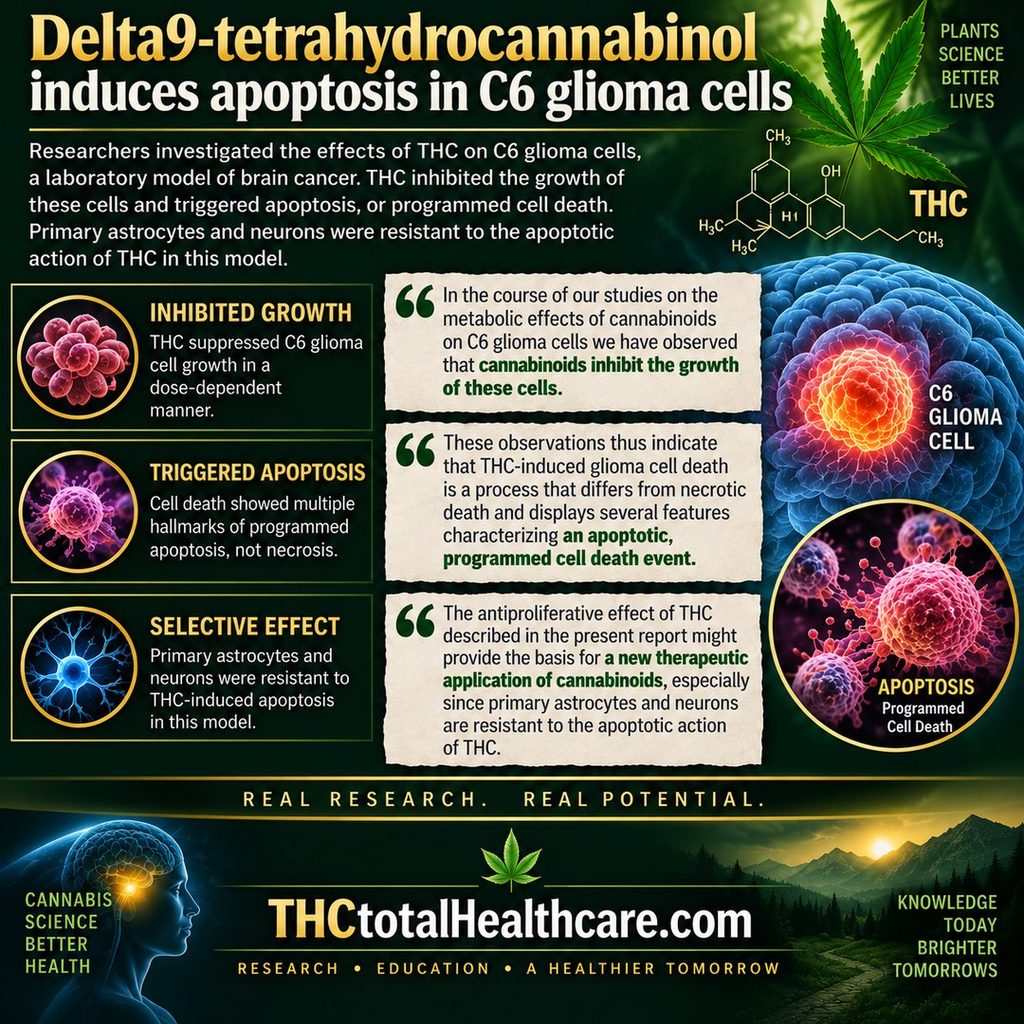
Researchers investigated whether Δ9-tetrahydrocannabinol (THC) could directly affect the survival of C6 glioma cells, a laboratory model of brain cancer. THC produced a dramatic, dose-dependent decline in cell metabolism and triggered apoptosis, or programmed cell death. The researchers confirmed this through several markers, including loss of membrane symmetry and the characteristic fragmentation of DNA seen during apoptosis.
The study also found that THC stimulated sphingomyelin breakdown, a process linked to ceramide signaling and cell death. Importantly, THC induced apoptosis in several transformed neural cell types but did not produce the same apoptotic effect in primary astrocytes or neurons. Even though the glioma cells expressed CB1 receptors, blocking CB1 did not prevent THC-induced apoptosis, suggesting that the effect occurred through a CB1 receptor-independent mechanism.
The authors concluded that THC’s antiproliferative effect could provide a basis for exploring new therapeutic applications of cannabinoids, particularly because normal primary astrocytes and neurons were resistant to THC-induced apoptosis in this model.
“delta9-Tetrahydrocannabinol (THC), the major active component of marijuana, induced apoptosis in C6.9 glioma cells, as determined by DNA fragmentation and loss of plasma membrane asymmetry. THC stimulated sphingomyelin hydrolysis in C6.9 glioma cells. THC and N-acetylsphingosine, a cell-permeable ceramide analog, induced apoptosis in several transformed neural cells but not in primary astrocytes or neurons. Although glioma C6.9 cells expressed the CBI cannabinoid receptor, neither THC-induced apoptosis nor THC-induced sphingomyelin breakdown were prevented by SR141716, a specific antagonist of that receptor. Results thus show that THC-induced apoptosis in glioma C6.9 cells may rely on a CBI receptor-independent stimulation of sphingomyelin breakdown.”
“In the course of our studies on the metabolic effects of cannabinoids on C6 glioma cells we have observed that cannabinoids inhibit the growth of these cells.”
“The antiproliferative effect of THC described in the present report might provide the basis for a new therapeutic application of cannabinoids, especially since primary astrocytes and neurons are resistant to the apoptotic action of THC.”
“These observations thus indicate that THC-induced glioma cell death is a process that differs from necrotic death and displays several features characterizing an apoptotic, programmed cell death event.”
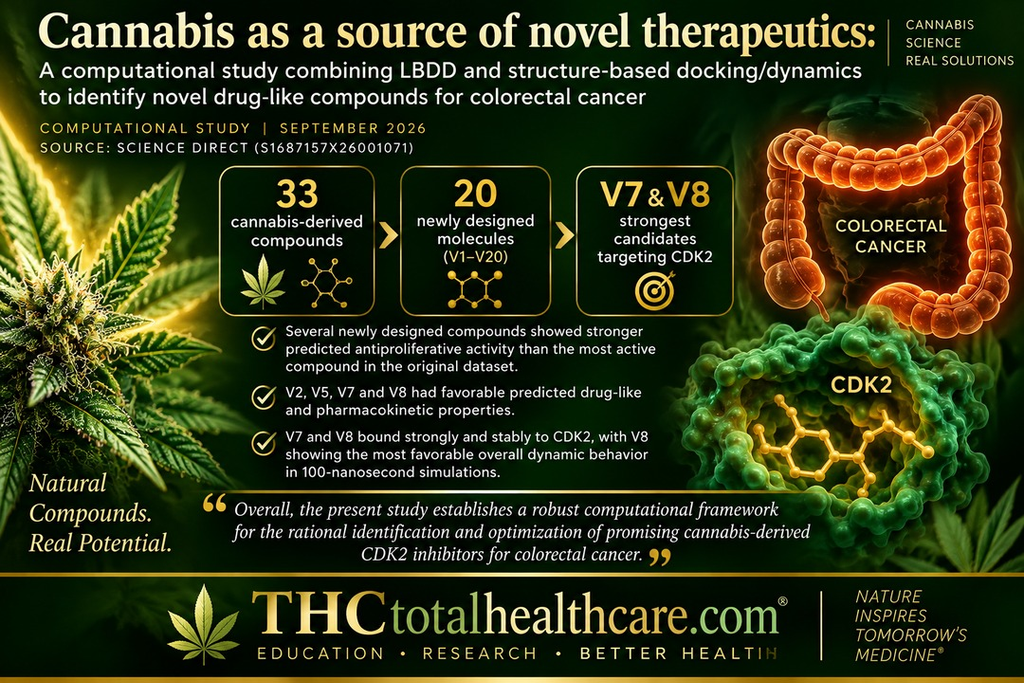
Cannabis continues to provide researchers with chemical starting points for the development of new cancer therapies. In this 2026 study, scientists examined 33 cannabis-derived compounds with reported antiproliferative activity against HCT-116 colorectal cancer cells, then used computational modeling to investigate their potential interactions with CDK2, an enzyme involved in cell-cycle regulation and cancer-cell proliferation.
Using those cannabis compounds as a foundation, the researchers designed 20 new drug-like molecules. Several were predicted to have stronger antiproliferative activity than the most active compound in the original cannabis-derived dataset, with four candidates — V2, V5, V7 and V8 — also showing favorable predicted pharmacokinetic and drug-like properties.
V7 and V8 emerged as the strongest candidates. Molecular docking and 100-nanosecond molecular-dynamics simulations indicated stable interactions with the active site of CDK2, with V8 showing particularly favorable behavior. The findings suggest that compounds inspired by cannabis chemistry could provide promising leads for the development of new therapeutics targeting colorectal cancer.
“Cannabis represents a valuable source of bioactive compounds with significant therapeutic potential, thanks to its rich phytochemical profile, making it a prime candidate for cancer research.
Our study investigates the potential of cannabis-derived compounds to inhibit cyclin-dependent kinase 2 (CDK2), a crucial regulator of cell-cycle progression and colorectal cancer cell proliferation.
A comprehensive computational workflow integrating 3D-QSAR modeling, molecular docking, molecular dynamics simulations, drug-likeness assessment, and ADMET prediction was employed to investigate a dataset of 33 cannabis-derived compounds. The robustness and predictive performance of the generated CoMFA and CoMSIA models were confirmed through internal and external validation, leave-one-out cross-validation (LOOCV), and Y-randomization tests, yielding excellent statistical parameters for CoMFA (Q2=0.651, R2=0.986, SEE=0.069) and CoMSIA (Q2=0.665, R2=0.985, SEE=0.071).
Using contour map analysis, twenty new molecules (V1-V20) with enhanced antiproliferative activity against the HCT-116 colorectal cancer cell line were developed, and outperformed the original dataset’s most active one. Following drug-likeness screening and ADMET profiling, compounds V2, V5, V7, and V8 emerged as the most promising candidates, exhibiting favorable pharmacokinetic properties and drug-like characteristics.
Molecular docking studies revealed that V7 and V8 exhibit high stability within the CDK2 active site and possess stronger binding affinity than the reference compound. Furthermore, 100 ns molecular dynamics simulations demonstrated that both protein-ligand complexes reached stable conformational states, as confirmed by converged backbone RMSD profiles, low residue fluctuations (RMSF), persistent protein-ligand interactions, and complementary structural descriptors including radius of gyration (Rg), solvent-accessible surface area (SASA), and molecular surface area (MolSA).
Collectively, these analyses confirmed the structural stability and compactness of the investigated complexes throughout the simulation period, with V8 exhibiting the most favorable dynamic behavior.”
“Overall, the present study establishes a robust computational framework for the rational identification and optimization of promising cannabis-derived CDK2 inhibitors for colorectal cancer.”
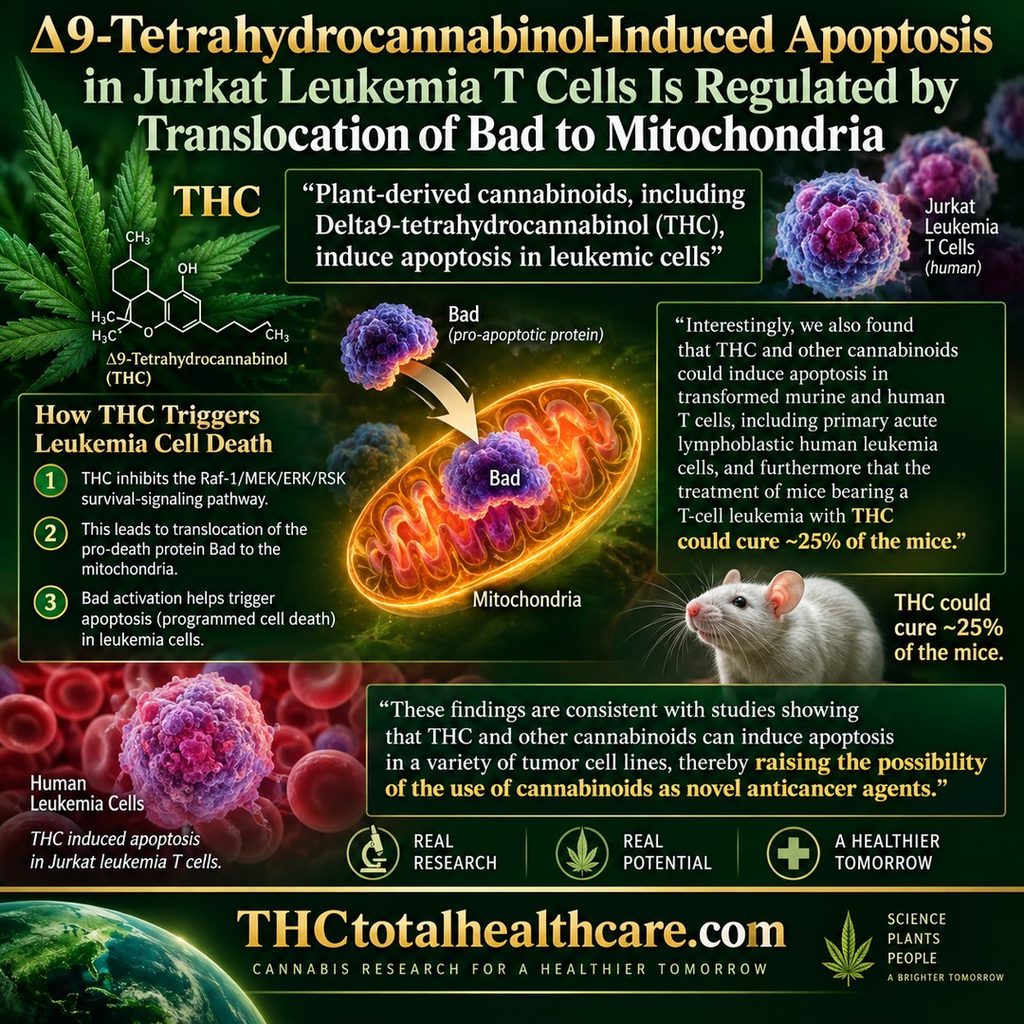
Researchers found that Δ9-tetrahydrocannabinol (THC) induced apoptosis, or programmed cell death, in human Jurkat leukemia T cells by disrupting a major survival-signaling pathway and causing the pro-death protein Bad to move to the mitochondria. The study showed that this movement of Bad played an important role in THC-induced leukemia-cell death.
The authors also connected these findings with earlier work showing that THC and other cannabinoids induced apoptosis in transformed mouse and human T cells, including primary acute lymphoblastic human leukemia cells. They further reported that THC treatment cured approximately 25% of mice bearing T-cell leukemia.
Together, the findings support further investigation of THC and other cannabinoids as potential anticancer agents
“Plant-derived cannabinoids, including Delta9-tetrahydrocannabinol (THC), induce apoptosis in leukemic cells, although the precise mechanism remains unclear.
In the current study, we investigated the effect of THC on the upstream and downstream events that modulate the extracellular signal-regulated kinase (ERK) module of mitogen-activated protein kinase pathways primarily in human Jurkat leukemia T cells.
The data showed that THC down-regulated Raf-1/mitogen-activated protein kinase/ERK kinase (MEK)/ERK/RSK pathway leading to translocation of Bad to mitochondria. THC also decreased the phosphorylation of Akt. However, no significant association of Bad translocation with phosphatidylinositol 3-kinase/Akt and protein kinase A signaling pathways was noted when treated cells were examined in relation to phosphorylation status of Bad by Western blot and localization of Bad to mitochondria by confocal analysis.
Furthermore, THC treatment decreased the Bad phosphorylation at Ser(112) but failed to alter the level of phospho-Bad on site Ser(136) that has been reported to be associated with phosphatidylinositol 3-kinase/Akt signal pathway. Jurkat cells expressing a constitutively active MEK construct were found to be resistant to THC-mediated apoptosis and failed to exhibit decreased phospho-Bad on Ser(112) as well as Bad translocation to mitochondria. Finally, use of Bad small interfering RNA reduced the expression of Bad in Jurkat cells leading to increased resistance to THC-mediated apoptosis.
Together, these data suggested that Raf-1/MEK/ERK/RSK-mediated Bad translocation played a critical role in THC-induced apoptosis in Jurkat cells.”
“Interestingly, we also found that THC and other cannabinoids could induce apoptosis in transformed murine and human T cells, including primary acute lymphoblastic human leukemia cells, and furthermore that the treatment of mice bearing a T-cell leukemia with THC could cure ∼25% of the mice.
These findings are consistent with studies showing that THC and other cannabinoids can induce apoptosis in a variety of tumor cell lines, thereby raising the possibility of the use of cannabinoids as novel anticancer agents.”
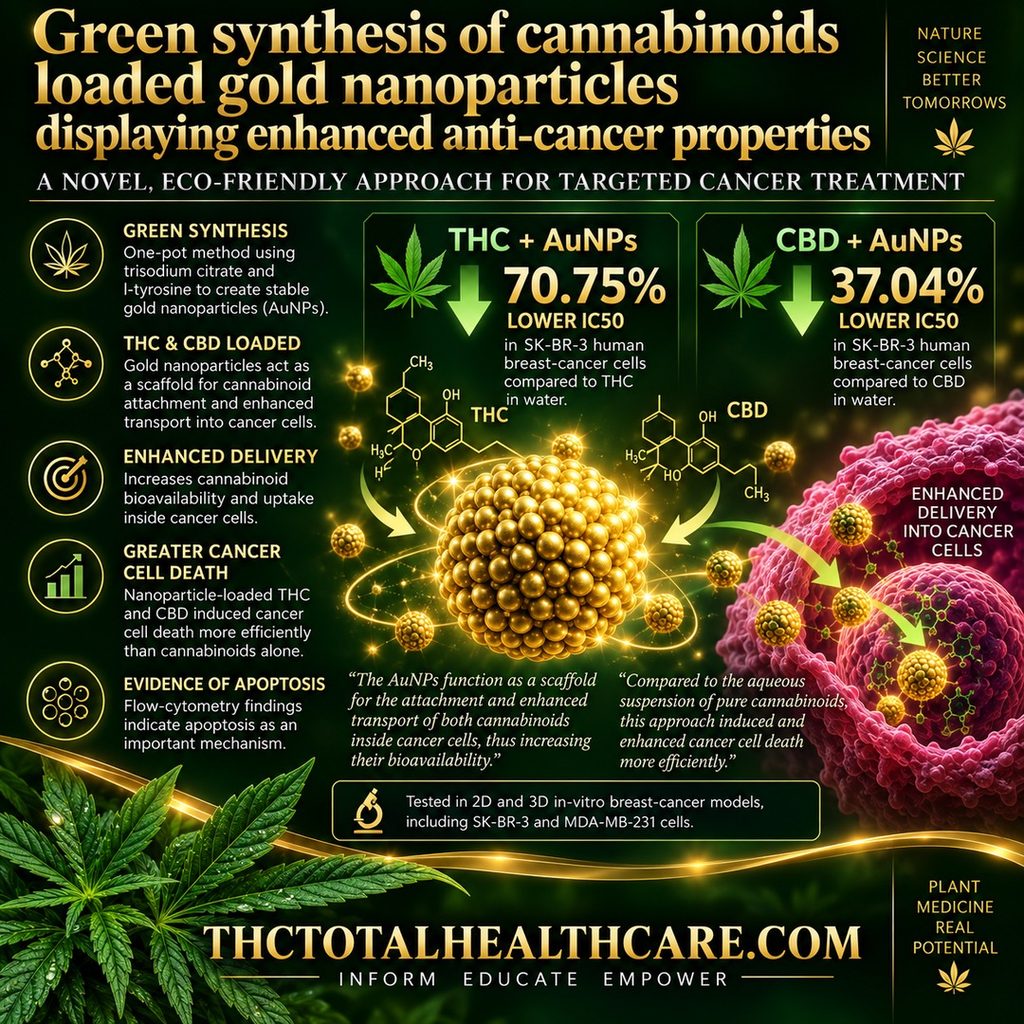
Researchers developed gold nanoparticles capable of carrying the highly hydrophobic cannabinoids THC and CBD into cancer cells, increasing their bioavailability and anti-cancer activity. The nanoparticles acted as a scaffold for cannabinoid attachment and enhanced transport inside cancer cells. Compared with aqueous suspensions of the pure cannabinoids, the nanoparticle-loaded THC and CBD produced cancer cell death more efficiently, supporting gold nanoparticles as a potential delivery system for cannabinoid-based cancer treatment.
“This study investigates the anti-cancer potential of cannabinoids loaded onto gold nanoparticles (AuNPs) for targeted cancer treatment. We adopted a multifaceted approach to explore and design this nano system, encompassing its synthesis, physicochemical characterization, stability assessment, and evaluation of anticancer efficacy in 2D and 3D in vitro models.
In this research, we have demonstrated that two highly hydrophobic phytocannabinoids like delta-9-tetrahydrocannabinol (THC) and cannabidiol (CBD), can be loaded on the surface of AuNPs with a one-pot synthesis protocol using trisodium citrate and l-tyrosine as a reducing and stabilizing agents. l-tyrosine plays a crucial role in cannabinoid loading, stability, and shelf life of the AuNPs.
After synthesis, the cannabinoid-loaded nanoparticles were characterized with UV–vis spectroscopy, dynamic light scattering (DLS), dark field hyperspectral microscopy, and electron microscopy. The AuNPs function as a scaffold for the attachment and enhanced transport of both cannabinoids inside cancer cells, thus increasing their bioavailability. Hyperspectral microscopy was used to confirm AuNPs uptake. IC50 values in SK-BR-3 human breast cancer cell line for both THC and CBD loaded onto AuNPs were lower by 70.75 % and 37.04 % than those of the aqueous suspension of pure molecules.
Compared to the aqueous suspension of pure cannabinoids, this approach induced and enhanced cancer cell death more efficiently. This enhanced efficacy was associated with a decline in cell viability, which is attributed to apoptosis, as indicated by flow cytometry results.
Our findings offer a significant step towards the green design and utilization of AuNPs to deliver cannabinoids into cells efficiently.”
“Cannabinoids loaded on AuNPs were synthesized as a nano-therapeutic drug agent for cancer. This study indicates that AuNPs can be used as efficient carriers for highly hydrophobic molecules with an anti-cancer effect. This protocol was straightforward and effective in entrapment of CBD or THC on the surface of AuNPs. The results revealed reasonable anti-cancer efficacy of this nanosystem in 2D and 3D in vitro cytotoxicity.”
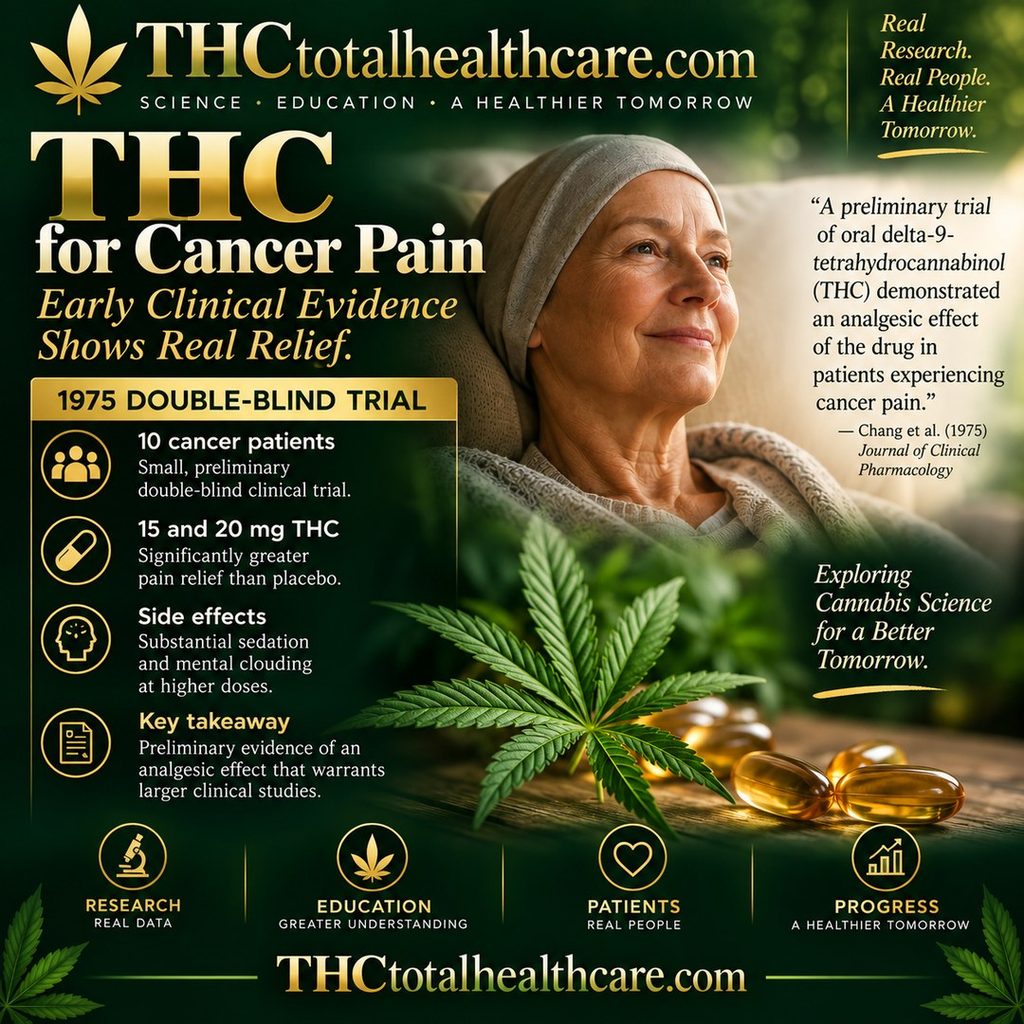
A preliminary double-blind clinical trial found that oral delta-9-tetrahydrocannabinol (THC) produced significant pain relief in patients with cancer pain. In the 10-patient study, THC doses of 15 and 20 mg provided significantly greater analgesic effects than placebo.
The study’s main clinical takeaway is that THC showed a measurable analgesic effect at higher oral doses, but the benefit was accompanied by dose-limiting central nervous system side effects. In practical terms, the findings suggest a potential role for THC in cancer pain management while also underscoring the importance of balancing pain relief against sedation, cognitive impairment, and overall tolerability.
“A preliminary trial of oral delta-9-tetrahydrocannabinol (THC) demonstrated an analgesic effect of the drug in patients experiencing cancer pain. Placebo and 5, 10, 15, and 20 mg THC were administered double blind to ten patients. Pain relief significantly superior to placebo was demonstrated at high dose levels (15 and 20 mg). At these levels, substantial sedation and mental clouding were reported.”