Cannabis for inflammatory bowel disease.

“The marijuana plant Cannabis sativa has been used for centuries as a treatment for a variety of ailments. It contains over 60 different cannabinoid compounds.

Studies have revealed that the endocannabinoid system is involved in almost all major immune events. Cannabinoids may, therefore, be beneficial in inflammatory disorders.In murine colitis, cannabinoids decrease histologic and microscopic inflammation.

In humans, cannabis has been used to treat a plethora of gastrointestinal problems, including anorexia, emesis, abdominal pain, diarrhea, and diabetic gastroparesis.

Despite anecdotal reports on medical cannabis in inflammatory bowel disease (IBD), there are few controlled studies. In an observational study in 30 patients with Crohn’s disease (CD), we found that medical cannabis was associated with improvement in disease activity and reduction in the use of other medications.

In a more recent placebo-controlled study in 21 chronic CD patients, we showed a decrease in the CD activity index >100 in 10 of 11 subjects on cannabis compared to 4 of 10 on placebo. Complete remission was achieved in 5 of 11 subjects in the cannabis group and 1 of 10 in the placebo group. Yet, in an additional study, low-dose cannabidiol did not have an effect on CD activity.

In summary, evidence is gathering that manipulating the endocannabinoid system can have beneficial effects in IBD, but further research is required to declare cannabinoids a medicine. We need to establish the specific cannabinoids, as well as appropriate medical conditions, optimal dose, and mode of administration, to maximize the beneficial effects while avoiding any potential harmful effects of cannabinoid use”

http://www.ncbi.nlm.nih.gov/pubmed/24969296

Cannabinoid as a neuroprotective strategy in perinatal hypoxic-ischemic injury.

“Perinatal hypoxia-ischemia remains the single most important cause of brain injury in the newborn, leading to death or lifelong sequelae.

Because of the fact that there is still no specific treatment for perinatal brain lesions due to the complexity of neonatal hypoxic-ischemic pathophysiology, the search of new neuroprotective therapies is of great interest.

In this regard, therapeutic possibilities of the endocannabinoid system have grown lately.

The endocannabinoid system modulates a wide range of physiological processes in mammals and has demonstrated neuroprotective effects in different paradigms of acute brain injury, acting as a natural neuroprotectant.

Concerning perinatal asphyxia, the neuroprotective role of this endogenous system is emerging these years.

The present review mainly focused on the current knowledge of the cannabinoids as a new neuroprotective strategy against perinatal hypoxic-ischemic brain injury.

http://www.ncbi.nlm.nih.gov/pubmed/21788999

[The cannabinoid system and its importance in the perinatal period].

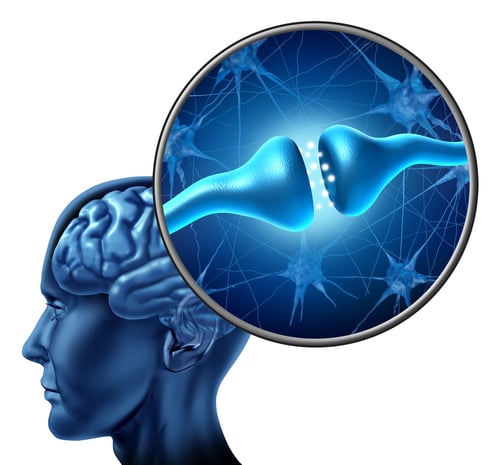
“The cannabinoid system has been recently described, including the endogenous ligands, mainly arachidonic acid derivatives, and their specific receptors. Endocannabinoids are involved in the modulation of synaptic transmission, through which they exert their psychoactive, motor and antinociceptive effects, among others; they also exert extraneural effects, mainly immunomodulation and vasodilation.

Recent data suggest that the cannabinoid system might play an important role in human ontogeny and could participate in the implantation and early development of the embryo, in fetal brain development, and in the beginning of breast feeding after birth.

In addition, the vasodilatory effect of cannabinoids, together with inhibition of the release of excitotoxic amino acids and cytokines, as well as modulation of oxidative stress and the toxic production of nitric oxide, justify the growing evidence pointing to a possible neuroprotective effect of cannabinoids in perinatal asphyxia.”

http://www.ncbi.nlm.nih.gov/pubmed/16266619

Cannabinoids: well-suited candidates for the treatment of perinatal brain injury.

“Perinatal brain injury can be induced by a number of different damaging events occurring during or shortly after birth… the number of clinical interventions available for the treatment of the affected newborn babies is extremely limited. Hence, there is a dramatic need to develop new effective therapies aimed to prevent acute brain damage and enhance the endogenous mechanisms of long-term brain repair.

The endocannabinoid system is an endogenous neuromodulatory system involved in the control of multiple central and peripheral functions. An early responder to neuronal injury, the endocannabinoid system has been described as an endogenous neuroprotective system that once activated can prevent glutamate excitotoxicity, intracellular calcium accumulation, activation of cell death pathways, microglia activation, neurovascular reactivity and infiltration of circulating leukocytes across the blood-brain barrier.

The modulation of the endocannabinoid system has proven to be an effective neuroprotective strategy to prevent and reduce neonatal brain injury in different animal models and species.

Also, the beneficial role of the endocannabinoid system on the control of the endogenous repairing responses (neurogenesis and white matter restoration) to neonatal brain injury has been described in independent studies.”

http://www.ncbi.nlm.nih.gov/pubmed/24961520

Schizophrenic Genes may Increase Cannabis Use, Quantity

Marijuana Joint

“Study results showed that those who were genetically pre-disposed to schizophrenia were more likely to use cannabis and in greater quantities than those who did not possess schizophrenia risk genes.

… a pre-disposition to schizophrenia increases your likelihood of cannabis use,””

http://www.scienceworldreport.com/articles/15633/20140624/schizophrenic-genes-may-increase-cannabis-use-quantity.htm

Schizophrenia And Marijuana Use May Be Linked By The Same Set Of Genes

“A new study published in Molecular Psychiatry suggests that people who are genetically predisposed to developing schizophrenia may also have the propensity for cannabis use, influenced by the same set of genes. The study is a collaboration between King’s College London and the Queensland Institute of Medical Research in Australia, partly funded by the UK Medical Research Council (MRC).

“We know that cannabis increases the risk of schizophrenia. Our study certainly does not rule this out, but it suggests that there is likely to be an association in the other direction as well – that a pre-disposition to schizophrenia also increases your likelihood of cannabis use,” Power said. “Our study highlights the complex interactions between genes and environments when we talk about cannabis as a risk factor for schizophrenia. Certain environmental risks, such as cannabis use, may be more likely given an individual’s innate behaviour and personality, itself influenced by their genetic make-up.””

http://www.medicaldaily.com/schizophrenia-and-marijuana-use-may-be-linked-same-set-genes-289574

Genetic predisposition to schizophrenia associated with increased use of cannabis.

“Although considerable evidence implicates cannabis use as a component cause of schizophrenia, it remains unclear whether this is entirely due to cannabis directly raising risk of psychosis, or whether the same genes that increases psychosis risk may also increase risk of cannabis use.

Although directly predicting only a small amount of the variance in cannabis use, these findings suggest that part of the association between schizophrenia and cannabis is due to a shared genetic aetiology. This form of gene-environment correlation is an important consideration when calculating the impact of environmental risk factors, including cannabis use.”

http://www.ncbi.nlm.nih.gov/pubmed/24957864

http://www.nature.com/mp/journal/vaop/ncurrent/full/mp201451a.html

http://www.thctotalhealthcare.com/category/schizophrenia/

Marijuana Ingredient Kills Herpes Virus, Study Says

“Marijuana’s active ingredient killed herpes viruses in test-tube experiments…

University of South Florida microbiologist Gerald Lancz said his study may help scientists discover new anti-herpes medicines.

http://articles.orlandosentinel.com/1990-05-15/news/9005150630_1_herpes-virus-people-with-herpes-anti-herpes


THC in marijuana may block the spread of forms of cancer causing herpes viruses

Medical News

“The compound in marijuana that produces a high, delta-9 tetrahydrocannbinol or THC, may block the spread of several forms of cancer causing herpes viruses, University of South Florida College of Medicine scientists report.

The findings, published Sept. 15 in the online journal BMC Medicine, could lead to the creation of antiviral drugs based on nonpsychoactive derivatives of THC.”

http://www.news-medical.net/news/2004/09/22/4990.aspx

‘Achilles’ Heel’ of the Herpes Virus Possibly Found in Marijuana

“It’s one of the most common viruses in America, and one that causes the most guilt and shame. It can get inside almost any kind of human cell, reproduce in vast numbers, and linger for years in the body, causing everything from recurrent genital blisters to sores around the mouth. Its complications can kill, and it may increase susceptibility to many nerve and brain disorders.

But until now, scientists haven’t fully understood how the herpes simplex virus (HSV) manages to do all of this. And that has stood in the way of developing more targeted, effective treatments against it to help those infected.

New research from the University of Michigan Medical School may help change that.

An estimated 45 million Americans have genital herpes and millions more have the more visible oral variety. Once someone is infected, they’re infected for a lifetime. New medicines for herpes infection are badly needed; currently, antiviral drugs can quell symptoms of an outbreak, but not eliminate the virus. And, there’s increasing evidence that HSV may damage the nerve cells in which it hides between outbreaks, possibly contributing to neurological disease.

In a presentation Sunday at the International Congress of Virology and in two new papers in the Journal of Virology, U-M researchers are reporting the discovery of a receptor that appears to function as one “lock” that HSV opens to allow it to enter human cells. They’ve also found the gene that controls the production of that receptor, deciphered some aspects of the receptor’s structure, and developed a pig-cell system that could be used to test new anti-herpes drugs.

The findings may help explain why the oral and genital herpes virus has such a successful track record: The receptor, dubbed B5, is made by most cells for another purpose not yet understood. HSV appears to have evolved a way to latch onto it, and fool the cell into letting the virus in. And since most cells express the gene for the B5 receptor, this may be a reason HSV can get into most kinds of cells.

“This may be one central part of the Achilles’ heel in interactions of herpes virus with a cell to start infection. We can use the receptor molecule to try to understand the process and perhaps combat infection at this vulnerable site,” says A. Oveta Fuller, Ph.D. the leader of the U-M team, senior author on the two papers and an associate professor in the U-M Medical School’s Microbiology and Immunology Department. “While we’re still a few years away from being able to use this new knowledge to find effective drug candidates, this is a very exciting confluence of discoveries.”

The U-M holds a patent on the system and methods that the team used to make the discoveries.

Coincidentally, the U-M team’s findings about the B5 receptor are being published at about the same time as an Italian team’s reports about a possible ‘key’ on the herpes simplex virus surface that may match the ‘lock’ found by the U-M team. The Italian team has identified a region of a viral surface protein that matches the U-M team’s predictions of what the virus likely would use to bind and engage the B5 receptor.

“It appears that B5 is a new class of viral receptor. Unlike other viruses so far, HSV seems to have evolved to take advantage of a broadly present cellular protein that has properties like that of known cellular fusion machinery,” says Fuller. “No other virus has been shown to use a cellular fusion protein for entry into cells.”

She explains that the search for the mechanisms by which HSV enters cells has been hindered by the fact that the virus is very good at entering so many kinds of cells. The many possibilities for virus binding to cells make deciphering the entry process a difficult problem to solve.

The gene that encodes B5 had in fact been sequenced, but not characterized, as part of the Human Genome Project. Discovering its role and studying the HSV entry mechanism was tricky and near impossible until Fuller’s team discovered a type of pig kidney cell that isn’t vulnerable to infection by human herpes virus. They searched the genome library to find genes essential to HSV infection, isolated the B5-coding sequence, and figured out how to get pig cells to express the human B5 protein to allow the pig cells to be infected with human herpes virus.

For these studies, Fuller credits the persistence of research team members in working with the genomic library and culture of human and pig cells, especially U-M doctorate graduate Aleida Perez and postdoctoral fellows Qingxue Li and Pilar Perez-Romero. Perez-Romero is first author of one of the two new papers, and a co-author on the other.

The two new papers show that the B5 receptor has important features that could explain why it is important to HSV’s ability to fuse with the fluid membrane that encloses every human cell. The researchers were able to show that by placing only the DNA sequence that encodes B5 into HSV-resistant pig cells, they could make the pig cells susceptible to HSV. They were also able to block viral infection of both human cells and susceptible pig cells by adding to cell cultures a synthetic peptide made to mimic the structure of a smaller region of the B5 receptor. This peptide looks like a functional region of B5 and apparently interferes with virus engaging of the cell receptor.

The papers detail how the team isolated and characterized the gene that encodes B5, called hfl-B5, and used the DNA sequence to find out more about the protein structure of the B5 receptor. In the presentation at the International Congress for Virology, Fuller will describe recent findings that further confirm B5’s importance in HSV infection.

The virology team reports that the B5 molecule appears to form a shape called a coiled coil. This intricately wound structure, they believe, may be similar to the structure of some fusion proteins of viruses and also to cellular proteins called SNAREs. Typically, SNARE proteins help cells to manage the fusion of membranes of vesicles inside the cell with other specific vesicles. Vesicles are tiny membrane-encased packets that encapsulate neurotransmitters, enzymes or other important substances and allow them to be transported within and between cells.

The researchers were able to show that B5 sits in the cell membrane with one end of the protein exposed outside of the cell ready to link up with viruses — or to serve the receptor’s “real” function, which still remains to be discovered. They also showed that HSV does not enter into pig cells that have an altered human B5 protein that is changed by mutations that affect a functional region important to forming a coiled coil.

“If B5 is a SNARE-like cell fusion receptor”, Fuller says, “it may turn out to be useful for more than HSV drug treatment. It could act as a way to link vesicles containing drugs with cells, and deliver them inside”. She is currently collaborating with U-M nanotechnology researchers on this concept.

The findings suggest that B5 or its viral ligand could be a target for antiviral treatment, much like cell receptors for the entry of human immunodeficiency virus (HIV) into cells have become targets for new AIDS drugs.”

http://www.hightimes.com/read/achilles-heel-herpes-virus-possibly-found-marijuana