Differential Effects of Cannabidiol and Cannabigerol on Cognition, Neuroinflammation, and Blood-Brain Barrier Integrity in a Rat Model of Iron Overload

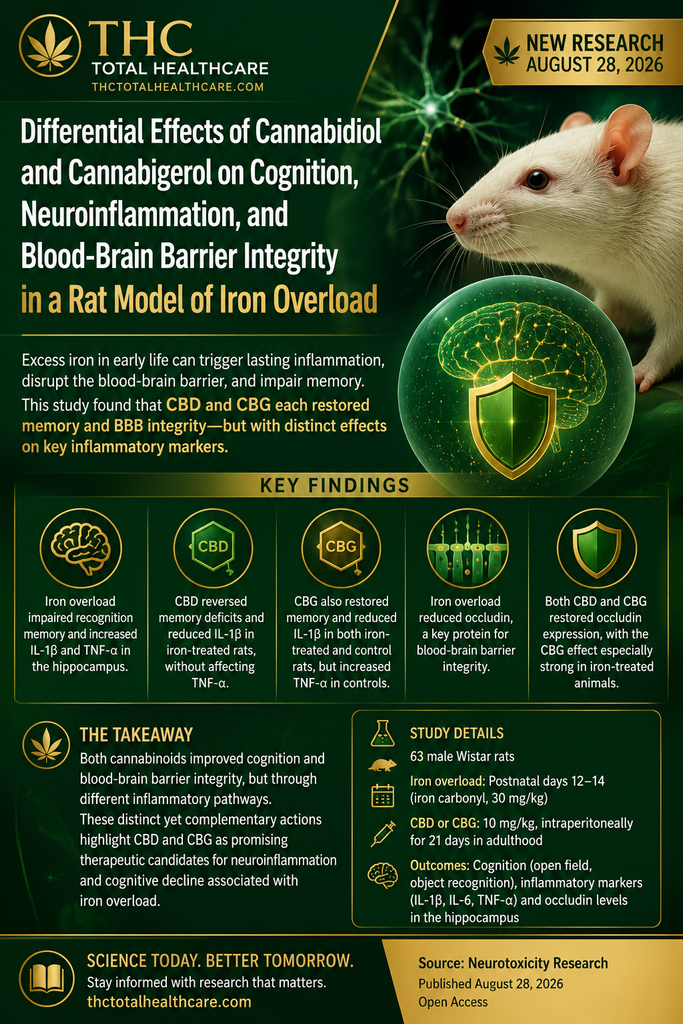
Researchers comparing cannabidiol (CBD) and cannabigerol (CBG) found that both cannabinoids reversed recognition-memory impairment and restored a protein important to blood-brain barrier integrity in rats exposed to excessive iron early in life.

Both CBD and CBG reduced the inflammatory marker IL-1β, although their broader effects on inflammation differed. The findings suggest that the two phytocannabinoids may protect cognitive function through distinct but complementary mechanisms involving neuroinflammation and the blood-brain barrier.

“Iron is an essential micronutrient for brain development, participating in mitochondrial respiration, myelination, and neurotransmitter synthesis. However, previous studies have demonstrated that excessive iron during early postnatal life induces oxidative reactions, leading to mitochondrial dysfunction and synaptic failure. These alterations compromise energy metabolism and neuronal integrity, contributing to long-lasting cognitive dysfunction and increased brain vulnerability later in life.

This study evaluated the effects of cannabidiol (CBD) and cannabigerol (CBG) on behavioral, neuroinflammatory, and blood-brain barrier (BBB) outcomes in rats exposed to early-life iron overload.

Male Wistar rats received iron carbonyl (30 mg/kg, intragastrically) from postnatal day 12 to 14. At three months of age, they were treated intraperitoneally with CBD, CBG (both at 10 mg/kg), or vehicle for 21 days. Cognitive performance was assessed in the open field and object recognition tasks. We examined hippocampal levels of interleukin-1 beta (IL-1β), interleukin-6 (IL-6), tumor necrosis factor alpha (TNF-α), as proinflammatory markers, and occludin, a protein known to regulate BBB permeability.

Iron-exposed animals showed impaired recognition memory, with elevated TNF-α and IL-1β, while CBD reversed memory deficits and reduced IL-1β in iron-treated animals, without affecting TNF-α.

CBG restored memory, decreased IL-1β in both iron-treated and controls, and increased TNF-α in controls. Also, iron overload reduced occludin expression in vehicle-treated rats which was reversed by both CBD and CBG.

These findings highlight inflammation and BBB disruption as mediators of iron-induced cognitive dysfunction and show that both phytocannabinoids act through distinct but complementary mechanisms, supporting their therapeutic potential in neuroinflammation linked to iron overload.”

https://pubmed.ncbi.nlm.nih.gov/42663810

https://link.springer.com/article/10.1007/s12640-026-00826-x


Cannabis and Cannabinoids: The Medical Potential of Cannabidiol in Mental and Neurological Disorders

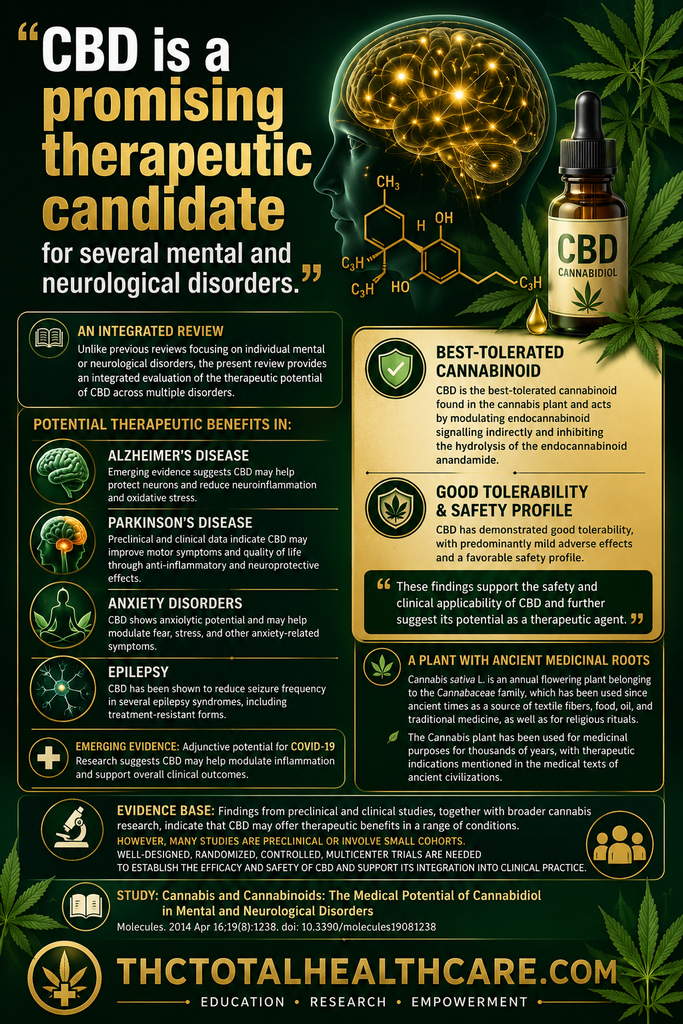
Cannabidiol (CBD) has become one of the most widely studied cannabis compounds for its potential effects on the brain and nervous system.

This review examines evidence across a range of mental and neurological disorders, including anxiety, depression, psychosis, epilepsy, neurodegenerative diseases and other conditions involving altered brain signaling or inflammation.

The research highlights CBD’s broad therapeutic potential while helping clarify the biological mechanisms that may underlie its effects.

Background/Objectives: Mental and neurological disorders contribute substantially to the global burden of disease, affecting people of all ages and backgrounds. As their prevalence increases with age, their overall impact is expected to grow in the coming decades. Although psychological and pharmacological treatments are available, many patients fail to achieve satisfactory outcomes, underscoring the need for improved therapeutic strategies. Cannabis sativa L. has been used for medicinal purposes for centuries, and cannabidiol (CBD) has attracted increasing attention because of its broad therapeutic potential. Scientific studies indicate that CBD may be beneficial in several mental and neurological disorders. 

Methods: A comprehensive literature search was conducted to identify articles investigating the therapeutic potential of CBD and cannabis in selected disorders. 

Results: Evidence from preclinical and clinical studies, together with findings from the broader cannabis literature, indicates that CBD may offer therapeutic benefits in a range of conditions, including Alzheimer’s and Parkinson’s disease, anxiety disorders, and epilepsy. Emerging data also support its potential use as an adjunctive therapy for COVID-19. Current research has improved understanding of the neurobiological mechanisms underlying these disorders and the molecular pathways through which CBD may exert its effects. CBD has demonstrated good tolerability, with predominantly mild adverse effects and a favorable safety profile. 

Conclusions: Despite promising findings, many available studies are preclinical or involve small patient cohorts, and the mechanisms underlying the therapeutic effects of CBD remain incompletely understood. Further well-designed, randomized, controlled, multicenter trials are needed to establish the efficacy and safety of CBD and support its integration into clinical practice.”

https://pubmed.ncbi.nlm.nih.gov/42653735

“The Cannabis plant has been used for medicinal purposes for thousands of years, with therapeutic indications mentioned in the medical texts of ancient civilizations.”

“These findings support the safety and clinical applicability of CBD and further suggest its potential as a therapeutic agent.”

“CBD is a promising therapeutic candidate for several mental and neurological disorders.”,

https://www.mdpi.com/1424-8247/19/8/1238


Plant-derived neuroprotective compounds and nanoformulations targeting Parkinson’s disease: a semi-systematic review of mechanisms and therapeutic potential

Plant-derived compounds are being studied for their potential to protect brain cells from the processes involved in Parkinson’s disease, including oxidative stress, inflammation, mitochondrial dysfunction and abnormal protein accumulation.

This review examines natural neuroprotective compounds and newer nanoformulations designed to improve their delivery to the brain. It highlights multiple plant-based candidates, including cannabis-derived compounds, that may influence pathways involved in neuronal survival and disease progression.

The findings point to growing interest in combining natural bioactive compounds with nanotechnology to develop more effective strategies for Parkinson’s disease.

“Parkinson’s disease (PD) is a progressive neurodegenerative disorder characterized by aggregates of α-synuclein and the degeneration of dopaminergic neurons in the substantia nigra. Current pharmaceutical therapies mainly alleviate symptoms without halting disease progression.

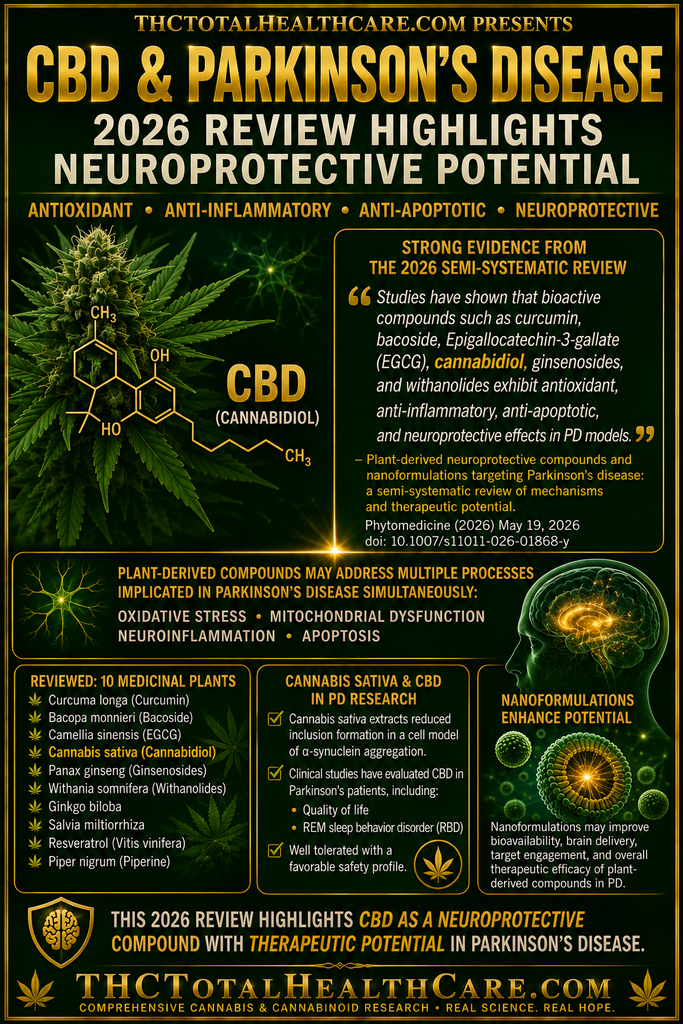
Evidence suggests that traditional plant-based interventions may serve as supplementary therapies by targeting oxidative stress, mitochondrial dysfunction, neuroinflammation, and apoptosis.

This review explores the neuroprotective properties of ten medicinal plants commonly used in traditional medicine: Bacopa monnieri, Curcuma longa, Mimosa pudica, Zingiber officinale, Ocimum sanctum, Emblica officinalis, Camellia sinensis, Cannabis sativa, Panax ginseng, and Withania somnifera. A systematic and comprehensive search of PubMed, Scopus, and Web of Science identified relevant in vitro, in vivo, and clinical studies.

This study highlights the mechanisms by which plant-derived chemicals influence cellular pathways associated with PD, emphasising their therapeutic potential despite limited clinical validation.

Studies have shown that bioactive compounds such as curcumin, bacoside, Epigallocatechin-3-gallate (EGCG), cannabidiol, ginsenosides, and withanolides exhibit antioxidant, anti-inflammatory, anti-apoptotic, and neuroprotective effects in PD models.

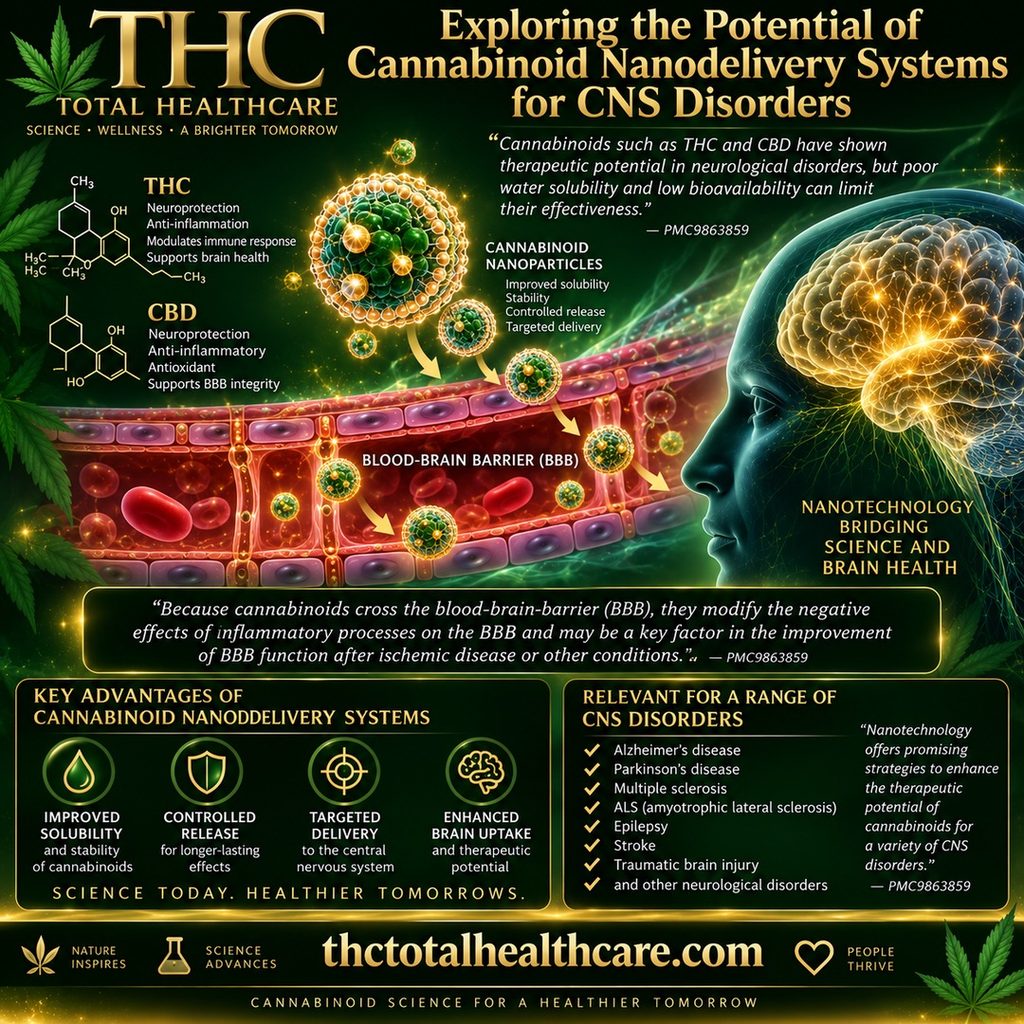
Nanotechnology offers promising strategy to enhance the efficacy of herbal compounds, addressing challenges of poor solubility, rapid metabolism, low bioavailability, and restricted blood-brain barrier penetration. Nano-delivery systems including liposomes, polymeric nanoparticles, nanoemulsions, and metal nanoparticles can improve stability, brain targeting, controlled release, and cellular uptake of these bioactives, thereby enhancing therapeutic efficiency while reducing systemic toxicity.

Green-synthesized plant-based nanoparticles further provide synergistic neuroprotective benefits, positioning phyto-nanomedicine as a multi-target approach for PD therapy. However, extensive clinical studies are required to confirm safety and effectiveness.”

https://pubmed.ncbi.nlm.nih.gov/42154395

“Current pharmaceutical therapies mainly alleviate symptoms without halting disease progression.”

“Evidence suggests that traditional plant-based interventions may serve as supplementary therapies by targeting oxidative stress, mitochondrial dysfunction, neuroinflammation, and apoptosis.”

“Studies have shown that bioactive compounds such as curcumin, bacoside, Epigallocatechin-3-gallate (EGCG), cannabidiol, ginsenosides, and withanolides exhibit antioxidant, anti-inflammatory, anti-apoptotic, and neuroprotective effects in PD models.”

https://link.springer.com/article/10.1007/s11011-026-01868-y


Beyond inflammation: Cannabinoid receptors as metabolic checkpoints in glial reprogramming during neurodegeneration

Cannabinoid receptors are increasingly being studied for roles that go beyond controlling inflammation in the brain.

This review examines how CB1 and CB2 receptors may act as metabolic checkpoints in glial cells, influencing how these cells use energy, respond to stress and change their behavior during neurodegenerative disease.

The findings highlight a broader role for the endocannabinoid system in shaping brain metabolism and glial function, with potential relevance to conditions such as Alzheimer’s, Parkinson’s and other neurodegenerative disorders.

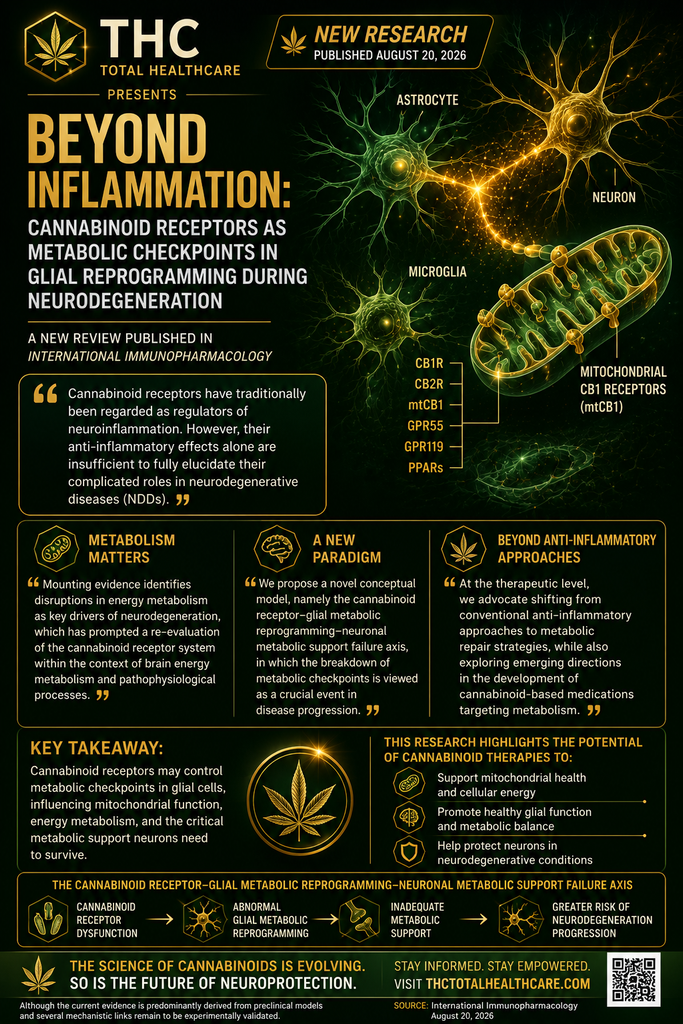
“Cannabinoid receptors have traditionally been regarded as regulators of neuroinflammation. However, their anti-inflammatory effects alone are insufficient to fully elucidate their complicated roles in neurodegenerative diseases (NDDs).

Mounting evidence identifies disruptions in energy metabolism as key drivers of neurodegeneration, which has prompted a re-evaluation of the cannabinoid receptor system within the context of brain energy metabolism and pathophysiological processes. Accumulated findings from several independent preclinical studies have offered novel insights into the potential involvement of cannabinoid receptors in energy metabolism, mitochondrial function, and glial metabolic reprogramming.

This review focuses on the metabolic regulatory potential of classical cannabinoid receptors, including cannabinoid receptor type 1 (CB1R) and cannabinoid receptor type 2 (CB2R), with particular attention to mitochondrial CB1 receptors (mtCB1), as well as non-classical targets such as G protein-coupled receptor 55 (GPR55), G protein-coupled receptor 119 (GPR119), and peroxisome proliferator-activated receptors (PPARs). Additionally, the review explores the mechanisms by which astrocytes maintain neuronal support through cell-type-specific metabolic specialization and how metabolic reprogramming in microglia modulates neuroinflammatory phenotypes.

Although the current evidence is predominantly derived from preclinical models and several mechanistic links remain to be experimentally validated, we propose a novel conceptual model, namely the cannabinoid receptor-glial metabolic reprogramming-neuronal metabolic support failure axis, in which the breakdown of metabolic checkpoints is viewed as a crucial event in disease progression.

At the therapeutic level, we advocate shifting from conventional anti-inflammatory approaches to metabolic repair strategies, while also exploring emerging directions in the development of cannabinoid-based medications targeting metabolism.

Collectively, a deep understanding of the complex metabolic regulatory functions of cannabinoid receptors is critical for developing next-generation treatment strategies for NDDs.”

https://pubmed.ncbi.nlm.nih.gov/42624021

“Shift from anti-inflammation to metabolic repair for cannabinoid NDD therapy.”

https://www.sciencedirect.com/science/article/abs/pii/S1567576926011458?via%3Dihub


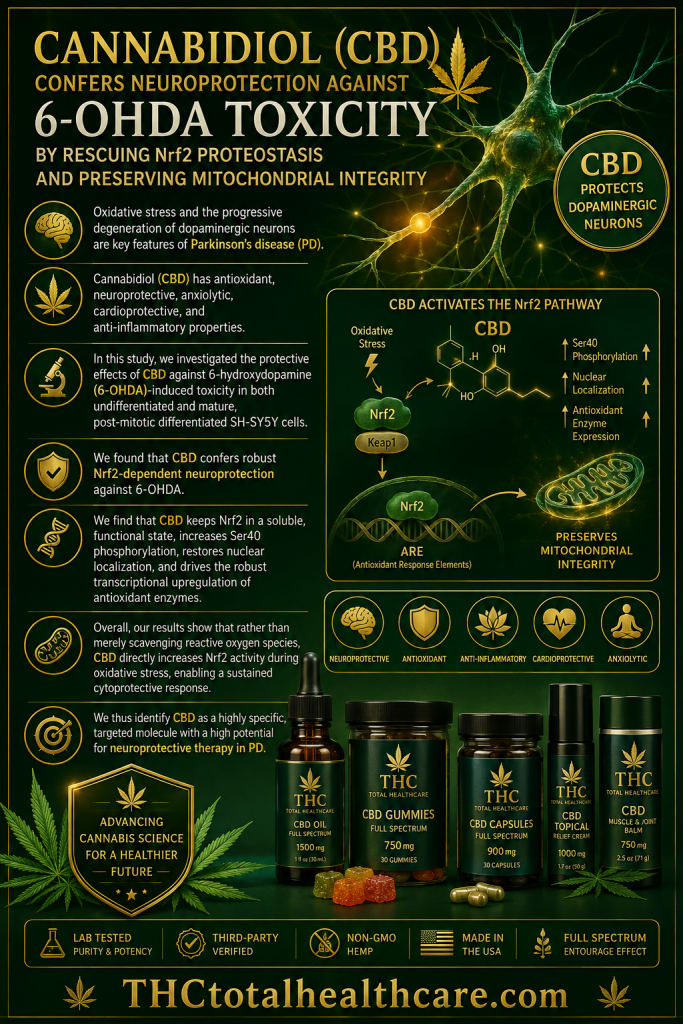
Cannabidiol confers neuroprotection against 6-OHDA toxicity by rescuing Nrf2 proteostasis and preserving mitochondrial integrity

Oxidative stress and mitochondrial dysfunction are major contributors to the loss of dopamine-producing neurons in Parkinson’s disease. In this cellular model, cannabidiol (CBD) protected against 6-OHDA-induced neurotoxicity by restoring Nrf2-dependent antioxidant defenses, preserving mitochondrial integrity, and reducing cellular damage.

“Oxidative stress and the progressive degeneration of dopaminergic neurons are key features of Parkinson’s disease (PD). The intrinsically disordered structure of the transcription factor Nuclear factor erythroid 2-related factor 2 (Nrf2), which coordinates the main cellular antioxidant response of the body, makes it highly susceptible to misfolding and aggregation under severe oxidative stress, compromising cellular survival.

Cannabidiol (CBD) has potent neuroprotective properties, but its exact molecular mechanism within the dopaminergic redox environment remains unclear. In this study, we investigated the protective effects of CBD against 6-hydroxydopamine (6-OHDA)-induced toxicity in both undifferentiated and mature, post-mitotic differentiated SH-SY5Y cells.

We found that CBD confers robust Nrf2-dependent neuroprotection against 6-OHDA. Importantly, we uncover a previously unexplored mechanism of neuroprotection by which CBD actively prevents the stress-induced sequestration of Nrf2 into insoluble cytoplasmic inclusions under oxidative stress.

We find that CBD keeps Nrf2 in a soluble, functional state, increases Ser40 phosphorylation, restores nuclear localization, and drives the robust transcriptional upregulation of antioxidant enzymes. This targeted activation of Nrf2 effectively reduces intracellular reactive oxygen species (ROS), significantly attenuates mitochondrial fragmentation, and decreases aberrant mitophagic activity.

Overall, our results show that rather than merely scavenging reactive oxygen species, CBD directly increases Nrf2 activity during oxidative stress, enabling a sustained cytoprotective response.

We thus identify CBD as a highly specific, targeted molecule with a high potential for neuroprotective therapy in PD.”

https://pubmed.ncbi.nlm.nih.gov/42570822

“CBD has antioxidant, neuroprotective, anxiolytic, cardioprotective, and anti-inflammatory properties.”

https://www.sciencedirect.com/science/article/pii/S0891584926010105?via%3Dihub


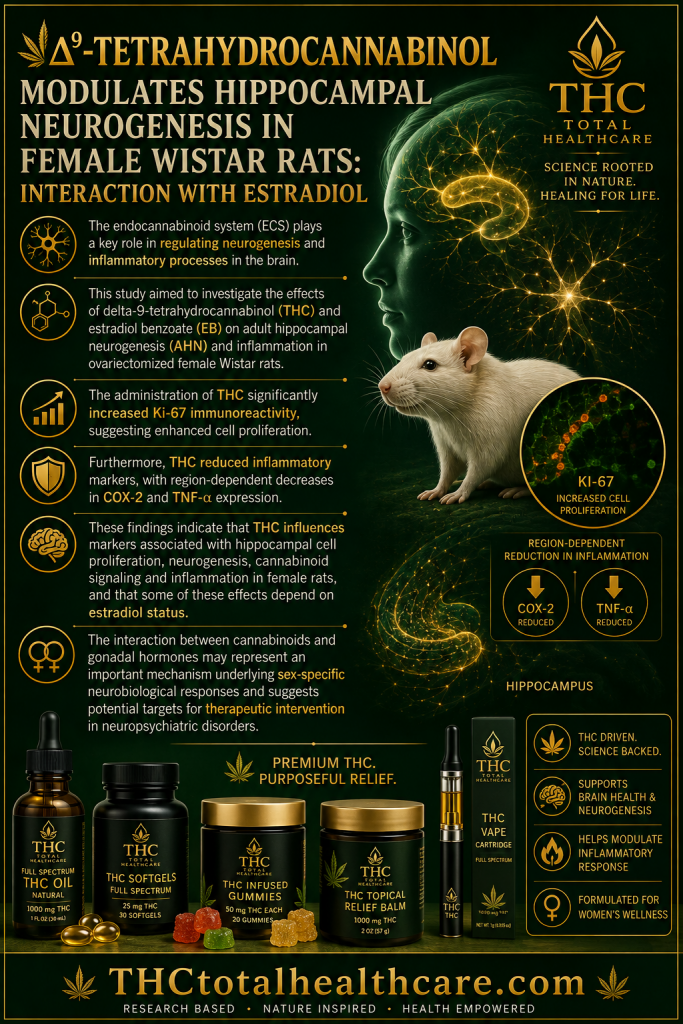
Δ9-Tetrahydrocannabinol Modulates Hippocampal Neurogenesis in Female Wistar Rats: Interaction with Estradiol

THC may influence the female brain through both neurogenic and anti-inflammatory mechanisms. In ovariectomized female rats, Δ9-THC significantly increased hippocampal cell proliferation, showed evidence of enhanced neurogenesis, and reduced the inflammatory markers COX-2 and TNF-α. The effects also interacted with estradiol, highlighting the importance of hormonal status in determining THC’s actions in the brain.

“The endocannabinoid system (ECS) plays a key role in regulating neurogenesis and inflammatory processes in the brain.

The increasing prevalence of Cannabis use among women highlights the importance of understanding sex-specific effects of cannabinoids, particularly in the context of hormonal interactions.

This study aimed to investigate the effects of delta-9-tetrahydrocannabinol (THC) and estradiol benzoate (EB) on adult hippocampal neurogenesis (AHN) and inflammation in ovariectomized female Wistar rats.

Sixteen rats were allocated to four experimental groups receiving THC, EB, both treatments, and vehicle. Immunohistochemical analyses were conducted to evaluate markers of proliferation (Ki-67), neurogenesis (doublecortin and PSA-NCAM), cannabinoid receptor expression (CB1), and inflammation (COX-2 and TNF-α) in the hippocampal formation.

The administration of THC significantly increased Ki-67 immunoreactivity, suggesting enhanced cell proliferation. A trend toward increased doublecortin expression was observed, particularly in EB-treated animals. THC also modulated CB1 receptor expression, with significant increases in the dentate gyrus and hilus following combined THC and EB treatment. Furthermore, THC reduced inflammatory markers, with region-dependent decreases in COX-2 and TNF-α expression.

These findings indicate that THC influences markers associated with hippocampal cell proliferation, neurogenesis, cannabinoid signaling and inflammation in female rats, and that some of these effects depend on estradiol status.

The interaction between cannabinoids and gonadal hormones may represent an important mechanism underlying sex-specific neurobiological responses and suggests potential targets for therapeutic intervention in neuropsychiatric disorders.”

https://pubmed.ncbi.nlm.nih.gov/42570151

https://link.springer.com/article/10.1007/s11064-026-04857-w


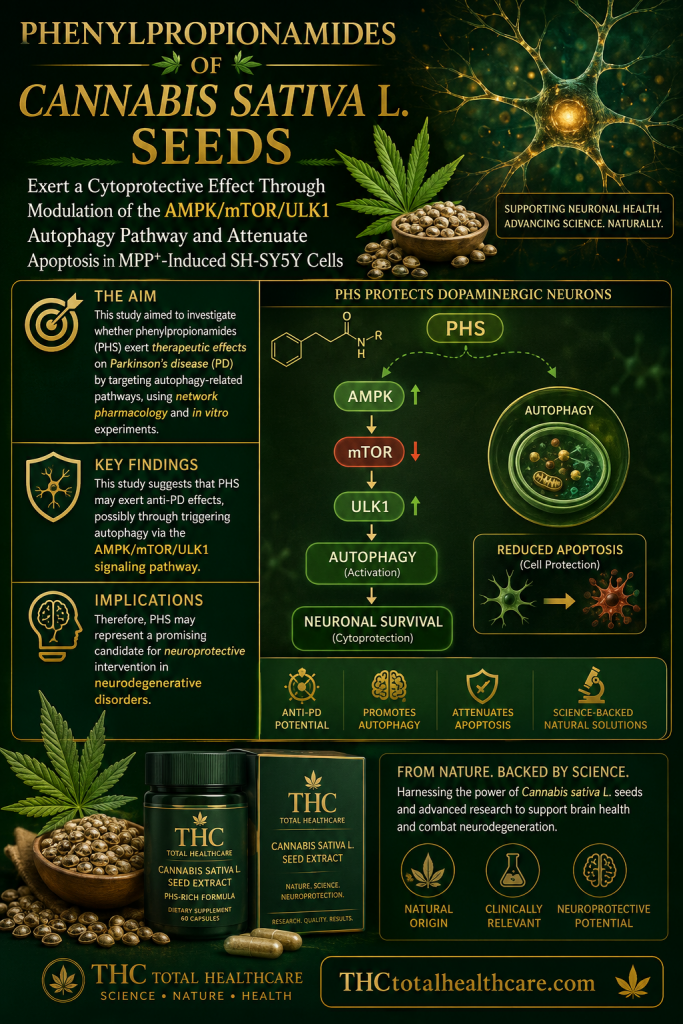
Phenylpropionamides of Cannabis sativa L. seeds exert a cytoprotective effect through modulation of the AMPK/mTOR/ULK1 autophagy pathway and attenuate apoptosis in MPP+-induced SH-SY5Y cells

Cannabis seeds contain phenylpropionamides with potential neuroprotective activity beyond their better-known nutritional value. In a cellular model of Parkinson’s disease, these compounds improved cell survival, preserved mitochondrial function, reduced apoptosis, and activated protective autophagy signaling through the AMPK/mTOR/ULK1 pathway. The researchers concluded that cannabis seed phenylpropionamides may exert anti-Parkinson’s effects and represent promising candidates for neuroprotective intervention in neurodegenerative disease.

Objective: This study aimed to investigate whether phenylpropionamides (PHS) exert therapeutic effects on Parkinson’s disease (PD) by targeting autophagy-related pathways, using network pharmacology and in vitro experiments.

Methods: Network pharmacology (NP) analysis and molecular dynamics simulation (MDS) were applied to elucidate the potential mechanisms by which PHS treats PD. Subsequently, SH-SY5Y cells were treated with MPP+ to establish a neurotoxin model. Cell viability was assessed using the CCK-8 assay. Mitochondrial membrane potential (MMP) in SH-SY5Y cells was measured using JC-1 staining. Western blot (WB) was used to detect the expression of Bax, cleaved caspase-3, caspase-3, LC3-II, p62, Beclin-1, AMPK, mTOR, and ULK1 signaling proteins in SH-SY5Y cells.

Results: NP analysis suggested that the potential anti-PD effects of PHS were associated with cleaved caspase-3, Bcl-2, mTOR, and Beclin-1. Furthermore, KEGG and PPI analyses demonstrated that PHS may exert anti-PD effects by modulating the AMPK/mTOR/ULK1 autophagy signaling pathway. Molecular docking (MolD) and MDS showed that the key PHS component (Cannabisin I) had a stable interaction with caspase-3, Bcl-2, AMPK, mTOR, ULK1, and Beclin-1. The in vitro experiments showed that PHS suppressed the expression of cleaved caspase-3 and Bax, promoted Bcl-2 expression, activated the autophagy pathway, increased the levels of LC3-II and Beclin-1, increased mitochondrial membrane potential and decreased the levels of p62. Notably, PHS promoted autophagy by increasing AMPK and ULK1 while inhibiting mTOR protein levels. Therefore, PHS may represent a promising candidate for neuroprotective intervention in neurodegenerative disorders.

Conclusion: This study suggests that PHS may exert anti-PD effects, possibly through triggering autophagy via the AMPK/mTOR/ULK1 signaling pathway.”

https://pubmed.ncbi.nlm.nih.gov/42456387

“Historically, the seeds of Cannabis sativa L. have been used in traditional Chinese medicine (TCM). They are frequently utilized in various dietary applications, including cannabis seed oil, bread, and yogurt. Because they are rich in unsaturated fatty acids (UFAs) and essential amino acids (EAAs), they have been sought after by people. In addition, they have been reported to exhibit neuroprotective and immunomodulatory effects, as well as benefits for gastrointestinal health.

Furthermore, UFAs and EAAs, the seeds of Cannabis sativa L., are abundant in a category of compounds known as phenylpropionamides (PHS). Research has demonstrated that PHS compounds possess the ability to inhibit apoptosis in the SH-SY5Y cell model of PD, which is triggered by 1-methyl−4-phenylpyridinium (MPP+), by modulating the autophagy pathway. Previous studies have identified 22 PHS in cannabis seeds and demonstrated that PHS ameliorated MPTP-induced PD symptoms by promoting autophagy.”

https://www.sciencedirect.com/science/article/abs/pii/S0040816626004490?via%3Dihub

Exploratory Prospective Study of Self-Titrated Medical Cannabis for Nonmotor Symptoms in Parkinson’s Disease

Nonmotor symptoms such as sleep disturbance, anxiety, pain, and mood changes can be among the most difficult aspects of Parkinson’s disease to manage. In this prospective study, patients used self-titrated medical cannabis while researchers tracked changes in these symptoms over time. Participants reported improvements in several nonmotor outcomes, suggesting that individualized cannabis use may provide meaningful symptom relief for some people with Parkinson’s disease. The findings support further controlled research to determine which cannabinoid profiles, doses, and symptom targets are most likely to benefit.

Background: Medical cannabis (MC) has emerged as a potential therapy for Parkinson’s disease (PD), targeting motor and nonmotor symptoms (NMS), such as pain, sleep disturbance, and urinary dysfunction. Cannabinoid receptors in central and peripheral systems, including the bladder, provide a mechanistic basis for symptom modulation. This study evaluated the feasibility, safety, and preliminary clinical effects of MC on NMS in PD within a real-world, regulated framework.

Methods: In this single-center, open-label, prospective cohort, 68 patients with PD initiating MC were assessed at baseline and at 3 months using validated scales: the Non-Motor Symptoms Scale (NMSS), King’s Parkinson’s Disease Pain Scale (KPPS), PD Sleep Scale-2 (PDSS-2), PD Quality-of-Life Questionnaire-8 (PDQ-8), and International Prostate Symptom Score (IPSS), along with 2-day urinary diaries. Participants used either cannabis oil extract or inflorescence products with varying THC/CBD (Δ9-tetrahydrocannabinol/cannabidiol) ratios. Adverse events and withdrawals were recorded. Cannabinoid composition was analyzed via ultra-high-performance liquid chromatography and correlated with clinical outcomes.

Results: Fifty participants (mean age 65.6 ± 11.0 years; 68% male) completed follow-up. MC use was associated with improvements in NMSS total (Δ 14.5, p = 0.001), PDSS-2 (Δ 5.9, p < 0.001), KPPS (Δ 8.1, p = 0.004), PDQ-8 (Δ 1.5, p = 0.040), and the NMSS urinary domain (Δ 2.1, p = 0.050). Nighttime urinary frequency decreased (median Δ 0.5, p = 0.016), while daytime parameters were unchanged. No correlations were found between cannabinoid composition or THC/CBD enrichment type and clinical response. The dropout rate was 26.5%, mainly due to loss to follow-up.

Conclusions: Short-term, self-titrated MC was feasible and appeared generally well tolerated in this open-label setting, suggesting potential benefits for pain, sleep, and nocturnal urinary frequency in PD. These exploratory findings warrant randomized controlled trials focused on these domains and incorporating standardized dosing, pharmacokinetic monitoring, and predefined cognitive safety assessments to determine efficacy, safety, and optimal dosing.”

https://pubmed.ncbi.nlm.nih.gov/42304702

https://journals.sagepub.com/doi/10.1177/25785125261458680

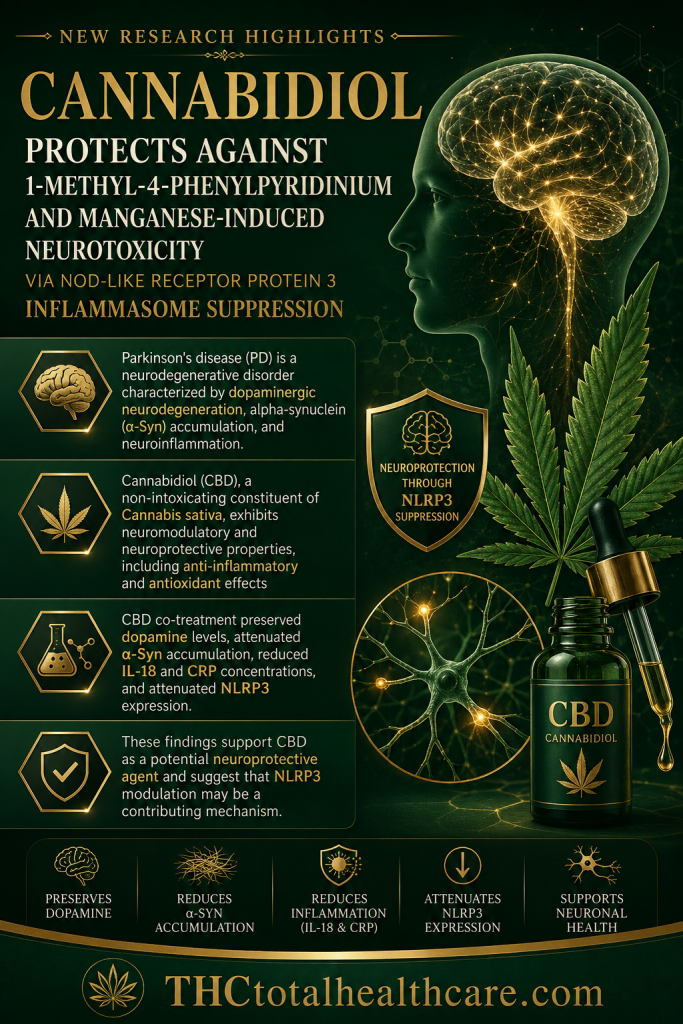
Cannabidiol Protects Against 1-Methyl-4-Phenylpyridinium and Manganese-Induced Neurotoxicity via Nod-Like Receptor Protein 3 Inflammasome Suppression

Neuroinflammation and oxidative injury play major roles in the loss of dopamine-producing neurons seen in Parkinson’s disease and related toxic exposures. In this preclinical study, cannabidiol protected neuronal cells against damage caused by 1-methyl-4-phenylpyridinium and manganese, two well-established neurotoxic insults. CBD reduced cell injury and suppressed activation of the NLRP3 inflammasome, a key inflammatory pathway involved in neurodegeneration. The findings strengthen evidence that CBD may protect vulnerable neurons by directly limiting inflammatory mechanisms associated with Parkinsonian neurotoxicity.

“Parkinson’s disease (PD) is a neurodegenerative disorder characterized by dopaminergic neurodegeneration, alpha-synuclein (α-Syn) accumulation, and neuroinflammation. The NOD-Like Receptor (NLR) family pyrin domain containing 3 NLRP3 inflammasome has recently been identified as a central mediator of PD-associated inflammatory responses.

Cannabidiol (CBD), a non-psychoactive phytocannabinoid, exhibits anti-inflammatory and neuroprotective properties; however, its effects on NLRP3 inflammasome in PD remain insufficiently understood.

This study investigated the neuroprotective effects of CBD-rich oil against 1-methyl-4-phenylpyridinium (MPP+) and manganese-induced neurotoxicity in SH-SY5Y cells.

Cells were exposed to these substances with or without CBD co-treatment, and cell viability, α-Syn, dopamine, inflammatory markers [C reactive protein (CRP) and interleukin 18 (IL-18)], and NLRP3 expressions were evaluated.

MPP+ and manganese exposures significantly decreased cell viability and dopamine levels while increasing α-Syn accumulation and inflammatory markers. Manganese induced an approximately twofold upregulation in NLRP3 mRNA and 1.5-fold increase in protein expression.

CBD co-treatment preserved dopamine levels, attenuated α-Syn accumulation, reduced IL-18 and CRP concentrations, and attenuated NLRP3 expression.

These findings demonstrate that CBD-rich oil exerts neuroprotective effects in a PD cellular model by attenuating α-Syn accumulation, preserving dopamine homeostasis, which is associated with reduced NLRP3 expression and potential modulation of inflammasome-related signaling, supporting further investigation of CBD as a potential therapeutic strategy for PD.”

https://pubmed.ncbi.nlm.nih.gov/42262723

“There is growing interest in phytocannabinoids as potential interventions for neurodegenerative disorders. Cannabidiol (CBD), a non-intoxicating constituent of Cannabis sativa, exhibits neuromodulatory and neuroprotective properties, including anti-inflammatory and antioxidant effects mediated through multiple molecular targets relevant to basal ganglia function and PD symptomatology.”

“Accordingly, the present study investigated the neuroprotective potential of CBD-rich oil in an in vitro PD model using SH-SY5Y cells exposed to MPP+ and/or manganese.”

“In conclusion, CBD-rich oil mitigated multiple PD-relevant pathological features in a neurotoxicant-based cellular model. CBD reduced α-synuclein accumulation, preserved dopamine content, attenuated inflammatory markers, and was associated with reduced NLRP3 expression at both mRNA and protein levels. These findings support CBD as a potential neuroprotective agent and suggest that NLRP3 modulation may be a contributing mechanism.”

https://onlinelibrary.wiley.com/doi/10.1002/jbt.70957

Cannabidiol and other non-psychotropic cannabinoids from Cannabis sativa as therapeutics for microglial-mediated neuroinflammation and neurodegeneration

Microglia are central regulators of inflammation in the brain, and their chronic overactivation is increasingly linked to neurodegenerative diseases. This review examines cannabidiol and other non-psychotropic cannabinoids from Cannabis sativa and highlights their ability to reduce microglial activation, suppress inflammatory signaling, and protect neural tissue from damage. The evidence suggests that these cannabinoids may act on several pathways involved in neuroinflammation and neurodegeneration, supporting their potential as therapeutic agents for conditions in which persistent brain inflammation drives disease progression.

“Non-psychotropic phytocannabinoids produced by Cannabis sativa, including cannabidiol, cannabigerol, cannabichromene and their varin and acidic analogs, are emerging as promising modulators of neuroinflammation, particularly through actions on microglia, the brain’s resident immune cells.

These compounds engage numerous receptors, ion channels, and intracellular signaling systems in microglia associated with neuroinflammation, and therefore are promising therapeutic candidates to treat chronic microglial inflammation-mediated neurodegenerative disorders.

Despite substantial public and scientific interest, comprehensive evaluation of their mechanistic diversity, disease-relevant potential, and translational gaps across neurodegenerative disorders remains limited. Commonly, gaps also exist between cannabis breeders’ and cultivators’ knowledge of phytocannabinoid diversity and translational scientists’ understanding of therapeutic potential.

In this review, we first provide an in-depth overview of the main non-psychotropic phytocannabinoids, their biosynthesis, and the genetics that control their production in cannabis. We then summarize the known mechanisms of action for each cannabinoid in microglial-expressed molecular targets and signaling pathways relevant to neuroinflammation.

Lastly, we review the effects of non-psychotropic phytocannabinoids in pre-clinical models and clinical trials of four neuroinflammation-associated neurodegenerative diseases: Alzheimer’s disease, Parkinson’s disease, multiple sclerosis, and Huntington’s disease.

Current evidence supports meaningful biological activity and complex cannabinoid-specific polypharmacology, yet substantial gaps persist, especially for cannabinoids other than cannabidiol; addressing these gaps in disease-relevant models will be essential for translating these compounds into future therapeutic strategies. Further, we anticipate the summarized information will foster collaboration between cannabis breeders/cultivators and applications scientists for therapeutic evaluation and development of emerging non-psychotropic phytocannabinoids.”

https://pubmed.ncbi.nlm.nih.gov/42121212

https://link.springer.com/article/10.1186/s42238-026-00445-5