Terpenes from Cannabis sativa Induce Antinociception in Mouse Chronic Neuropathic Pain via Activation of Spinal Cord Adenosine A 2A Receptors

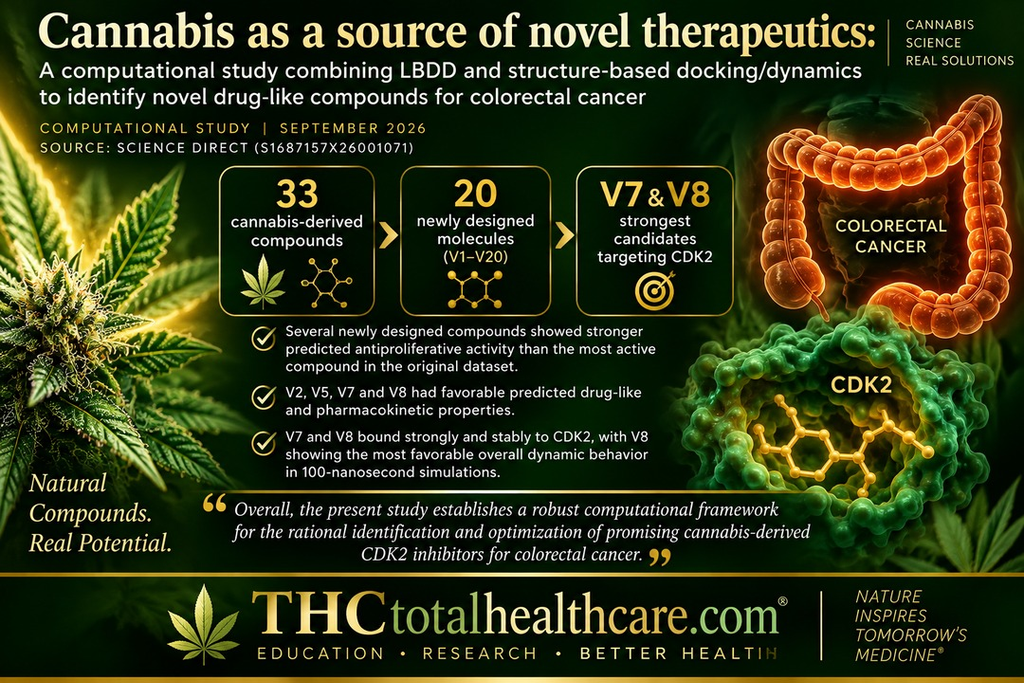
Cannabis terpenes produced strong pain-relieving effects in mice with chemotherapy-induced peripheral neuropathy and inflammatory pain. Researchers tested geraniol, linalool, β-pinene, α-humulene and β-caryophyllene and found that, at the tested dose, their antinociceptive effects were roughly comparable to 10 mg/kg morphine or 3.2 mg/kg of the synthetic cannabinoid WIN55,212.

The terpenes also enhanced morphine’s pain-relieving effect when the two were given together at lower doses, while none of the terpenes produced reward in the conditioned-place-preference test. In the neuropathic pain model, blocking the adenosine A2A receptor significantly reduced the pain-relieving effect of every terpene tested.

Spinal-cord-specific A2A receptor knockdown further supported that mechanism, while laboratory and computer modeling suggested the terpenes can act as A2A receptor agonists. The authors concluded that Cannabis terpenes may represent potential therapeutics for chronic neuropathic pain and identified a specific receptor pathway through which that activity occurs.

“Terpenes are small hydrocarbon compounds that impart aroma and taste to many plants, including Cannabis sativa .

A number of studies have shown that terpenes can produce pain relief in various pain states in both humans and animals. However, these studies were methodologically limited and few established mechanisms of action.

In our previous work, we showed that the terpenes geraniol, linalool, β-pinene, α-humulene, and β-caryophyllene produced cannabimimetic behavioral effects via multiple receptor targets. We thus expanded this work to explore the potential antinociception and mechanism of these Cannabis terpenes in a mouse model of chronic pain.

We first tested for antinociception by injecting terpenes (200 mg/kg, IP) into male and female CD-1 mice with mouse models of chemotherapy-induced peripheral neuropathy (CIPN) or lipopolysaccharide-induced inflammatory pain, finding that the terpenes produced roughly equal antinociception to 10 mg/kg morphine or 3.2 mg/kg WIN55,212.

We further found that none of the terpenes produced reward as measured by conditioned place preference, while low doses of terpene (100 mg/kg) combined with morphine (3.2 mg/kg) produced enhanced antinociception vs either alone. We then used the adenosine A 2A receptor (A 2A R) selective antagonist istradefylline (3.2 mg/kg, IP) and spinal cord-specific CRISPR knockdown of the A 2A R to identify this receptor as the mechanism for terpene antinociception in CIPN. In vitro cAMP and binding studies and in silico modeling studies further suggested that the terpenes act as A 2A R agonists.

Together these studies identify Cannabis terpenes as potential therapeutics for chronic neuropathic pain and identify a receptor mechanism for this activity.”
https://pubmed.ncbi.nlm.nih.gov/38709489/

https://journals.lww.com/pain/abstract/10.1097/j.pain.0000000000003265~terpenes-from-cannabis-sativa-induce-antinociception-in-a?redirectionsource=fulltextview

Exploring the potential benefits of combining cannabidiol and beta-caryophyllene for neuropathic and inflammatory pain: A systematic review

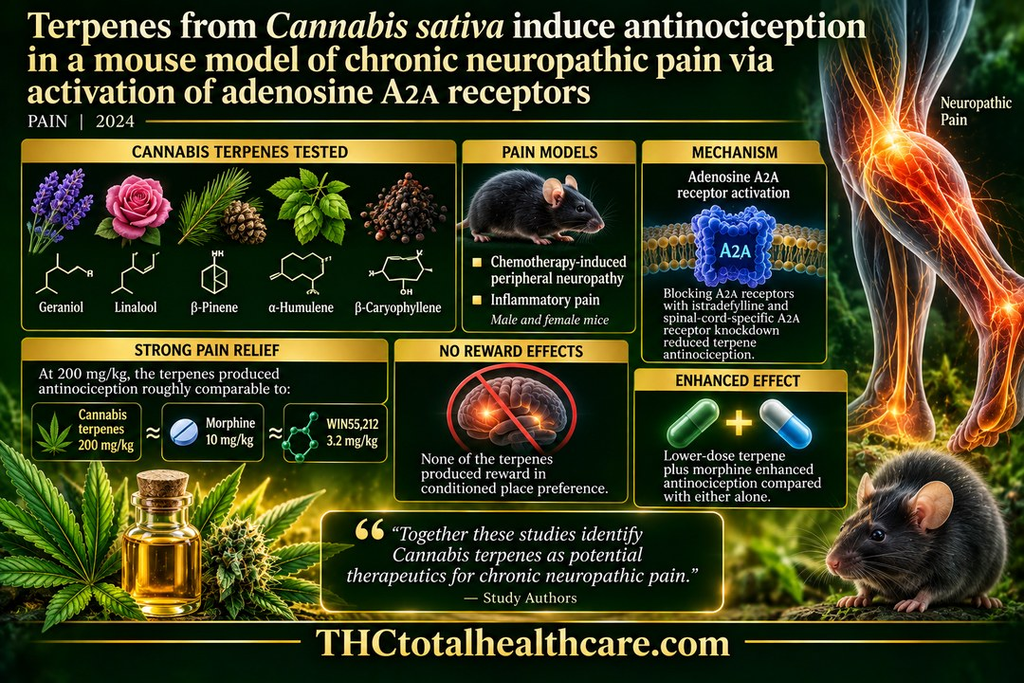
A new systematic review found that combining cannabidiol (CBD) with beta-caryophyllene (BCP) consistently reduced neuropathic and inflammatory pain in preclinical studies. The review searched research published from 2009 through 2026 and identified five studies that met its inclusion criteria, all using rodent pain models.

Across those studies, the CBD–BCP combination reduced both neuropathic and inflammatory pain, with the authors describing evidence of a possible synergistic analgesic effect. Importantly, the reported pain relief was not accompanied by the central adverse effects associated with cannabinoid receptor 1 (CB1) activation.

The authors concluded that CBD and beta-caryophyllene may work together synergistically in chronic pain and said the findings provide a rationale for future preclinical and clinical studies. Because the evidence so far is entirely preclinical, the next step is determining whether the same combination can produce meaningful pain relief in people.

“Purpose: In this review, we examined the analgesic effect of the combination of cannabidiol (CBD) and beta-caryophyllene (BCP) in different pain conditions.

Methods: A systematic review was conducted in accordance with the Preferred Reporting Items for Systematic Reviews and Meta-Analyses guidelines. Literature searches were performed across major academic databases (Google Scholar, Web of Science, and PubMed) from 2009 to 2026 to identify studies investigating the analgesic effect of the combination of CBD and BCP.

Results: The search identified 31 records. Ten reports were screened and assessed for eligibility, and five studies met the inclusion and exclusion criteria. Findings consistently demonstrate that the combination of CBD and BCP reduces neuropathic and inflammatory pain in rodent models. This effect does not result in adverse outcomes associated with cannabinoid receptor 1 (CB1). This review discusses potential mechanisms by which this combination produces synergistic analgesic effects.

Conclusion: The literature discussed in this review suggests that the combination of CBD and BCP can work in synergy in chronic pain without cannabinoid receptor 1 central side effects. These preclinical findings provide the rationale for future preclinical and clinical studies.”

https://pubmed.ncbi.nlm.nih.gov/42753475

“In summary, these data suggest that combining CBD and BCP may be especially effective in reducing neuropathic pain caused by spinal cord injury. Additionally, this combination resulted in minimal cannabinoid-like side effects.”

https://www.sciencedirect.com/science/article/pii/S0944711326010287?via%3Dihub

Cannabinoids and therapeutic potential in neuropsychiatry

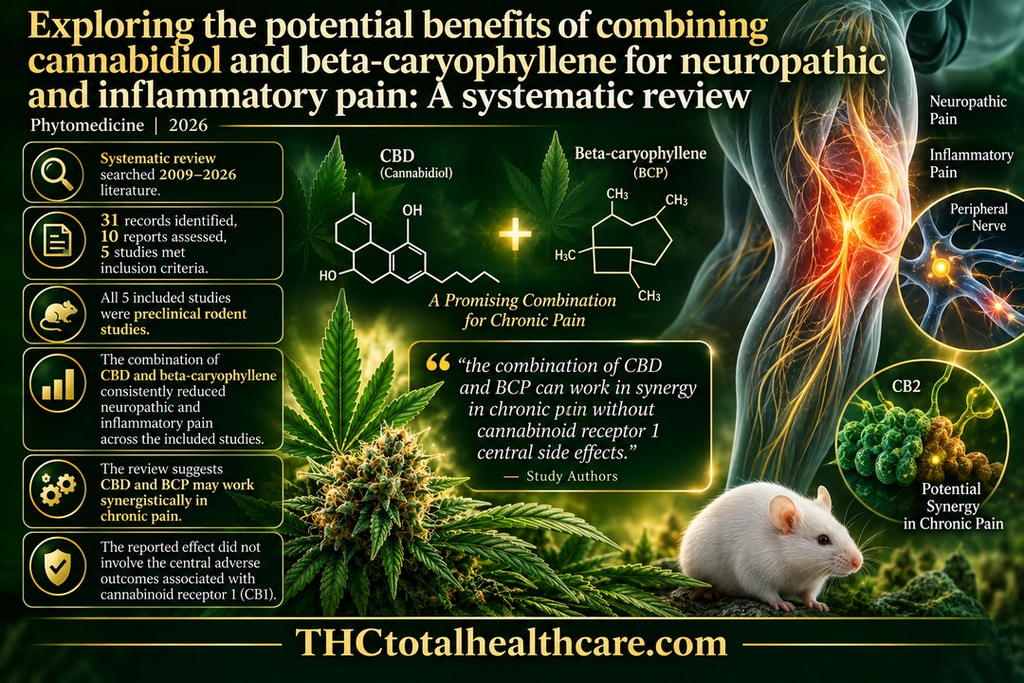
Cannabinoids are already used therapeutically in several areas of medicine, and a new review examines how that potential may extend into neuropsychiatry. The authors look beyond cannabis as a single drug, focusing instead on its individual cannabinoids and how different components may contribute to neurological and psychiatric effects.

The review highlights cannabidiol as the cannabinoid with the clearest established role in certain seizure disorders, while examining the broader literature on cannabinoids in neuropsychiatric illness. The authors argue that cannabis is more pharmacologically complicated than any one cannabinoid and that its therapeutic potential may depend on interactions among multiple plant components.

One of the review’s most important points is that combinations of cannabis components may ultimately prove more useful than isolated compounds alone. Rather than dismissing cannabis as having no medical utility in neuropsychiatry, the authors call for approaches that better investigate and use the therapeutic attributes of the plant.

“Cannabinoids have therapeutic utility in some specific areas of medicine, including as an anti-nausea adjunct for chemotherapy and as an anti-inflammatory agent, among others. However, as a therapeutic agent in neuropsychiatric conditions, the data is more limited. Cannabis itself is viewed as a recreational drug of abuse with no medical utility; however, the reality may be more complex when considering individual components of the plant.

Cannabinoid components may have some benefit as therapeutic agents in neuropsychiatry, with cannabidiol most often purported to be a therapeutic agent for some seizure disorders. However, recent studies suggest that the cannabis plant is proving to be broader and more complicated in how it delivers potential therapeutic effects. It may be that a combination of components is more effective than any one component.

This chapter reviews the medical usage of cannabinoids in neuropsychiatric illness, as reported in the literature, and proposes future approaches that may more effectively avail the attributes of this plant.”

https://pubmed.ncbi.nlm.nih.gov/42767714

“Cannabinoid treatments are carving a noteworthy niche in the pharmaceutical repertoire, offering new hope for conditions that have been historically difficult to manage, such as comorbid anxiety and epilepsy.”

https://www.sciencedirect.com/science/chapter/bookseries/abs/pii/S0074774226001303?via%3Dihub

Cannabis as a source of novel therapeutics: A computational study combining LBDD and structure-based docking/dynamics to identify novel drug-like compounds for colorectal cancer

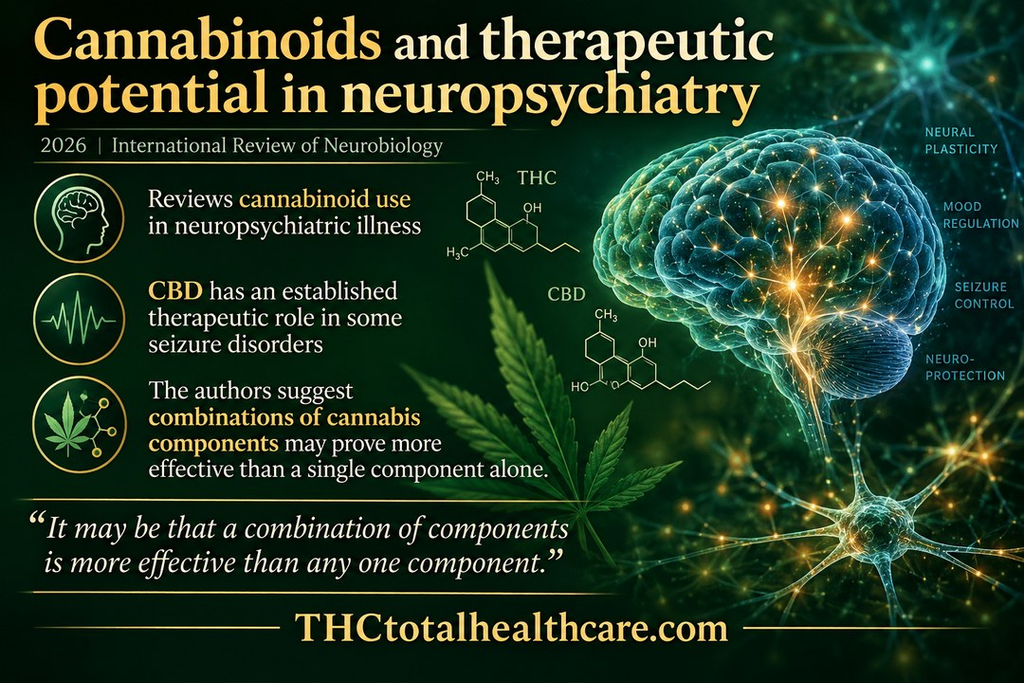
Cannabis continues to provide researchers with chemical starting points for the development of new cancer therapies. In this 2026 study, scientists examined 33 cannabis-derived compounds with reported antiproliferative activity against HCT-116 colorectal cancer cells, then used computational modeling to investigate their potential interactions with CDK2, an enzyme involved in cell-cycle regulation and cancer-cell proliferation.

Using those cannabis compounds as a foundation, the researchers designed 20 new drug-like molecules. Several were predicted to have stronger antiproliferative activity than the most active compound in the original cannabis-derived dataset, with four candidates — V2, V5, V7 and V8 — also showing favorable predicted pharmacokinetic and drug-like properties.

V7 and V8 emerged as the strongest candidates. Molecular docking and 100-nanosecond molecular-dynamics simulations indicated stable interactions with the active site of CDK2, with V8 showing particularly favorable behavior. The findings suggest that compounds inspired by cannabis chemistry could provide promising leads for the development of new therapeutics targeting colorectal cancer.

“Cannabis represents a valuable source of bioactive compounds with significant therapeutic potential, thanks to its rich phytochemical profile, making it a prime candidate for cancer research.

Our study investigates the potential of cannabis-derived compounds to inhibit cyclin-dependent kinase 2 (CDK2), a crucial regulator of cell-cycle progression and colorectal cancer cell proliferation.

A comprehensive computational workflow integrating 3D-QSAR modeling, molecular docking, molecular dynamics simulations, drug-likeness assessment, and ADMET prediction was employed to investigate a dataset of 33 cannabis-derived compounds. The robustness and predictive performance of the generated CoMFA and CoMSIA models were confirmed through internal and external validation, leave-one-out cross-validation (LOOCV), and Y-randomization tests, yielding excellent statistical parameters for CoMFA (Q2=0.651, R2=0.986, SEE=0.069) and CoMSIA (Q2=0.665, R2=0.985, SEE=0.071).

Using contour map analysis, twenty new molecules (V1-V20) with enhanced antiproliferative activity against the HCT-116 colorectal cancer cell line were developed, and outperformed the original dataset’s most active one. Following drug-likeness screening and ADMET profiling, compounds V2, V5, V7, and V8 emerged as the most promising candidates, exhibiting favorable pharmacokinetic properties and drug-like characteristics.

Molecular docking studies revealed that V7 and V8 exhibit high stability within the CDK2 active site and possess stronger binding affinity than the reference compound. Furthermore, 100 ns molecular dynamics simulations demonstrated that both protein-ligand complexes reached stable conformational states, as confirmed by converged backbone RMSD profiles, low residue fluctuations (RMSF), persistent protein-ligand interactions, and complementary structural descriptors including radius of gyration (Rg), solvent-accessible surface area (SASA), and molecular surface area (MolSA).

Collectively, these analyses confirmed the structural stability and compactness of the investigated complexes throughout the simulation period, with V8 exhibiting the most favorable dynamic behavior.”

https://pubmed.ncbi.nlm.nih.gov/42749433

 “Overall, the present study establishes a robust computational framework for the rational identification and optimization of promising cannabis-derived CDK2 inhibitors for colorectal cancer.”

https://www.sciencedirect.com/science/article/pii/S1687157X26001071?via%3Dihub