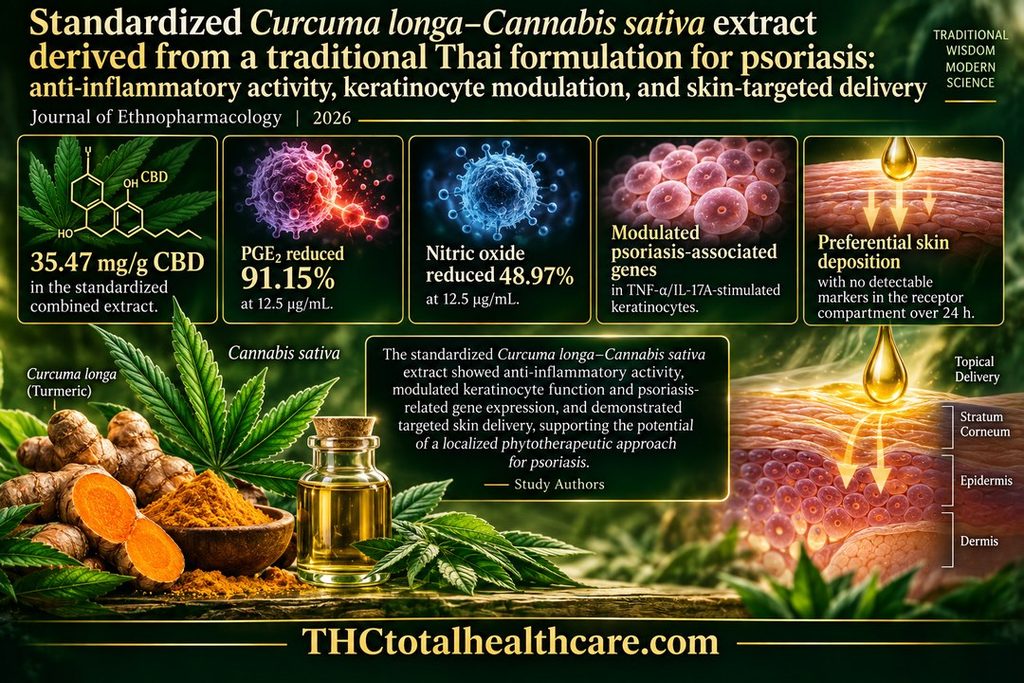
Standardized Curcuma longa-Cannabis sativa extract derived from a traditional Thai formulation for psoriasis: anti-inflammatory activity, keratinocyte modulation, and skin-targeted delivery

A new study tested a standardized combination of Curcuma longa (turmeric) and Cannabis sativa derived from a traditional Thai topical formulation for psoriasis. The combined extract contained curcuminoids, ar-turmerone and cannabidiol, including 35.47 mg/g CBD, and was evaluated for anti-inflammatory activity, effects on psoriasis-related keratinocytes and its ability to remain concentrated in the skin.

At 12.5 µg/mL, the combined extract reduced nitric oxide production by 48.97% and PGE₂ production by 91.15%. It also altered psoriasis-associated gene expression in TNF-α/IL-17A-stimulated keratinocytes, showing activity against several biological processes involved in psoriasis.

The skin-delivery experiments found strong deposition of the extract’s markers in the skin, with none detected in the receptor compartment during the 24-hour test. The authors concluded that the standardized turmeric–cannabis combination showed anti-inflammatory, psoriasis-relevant and skin-targeted activity supporting further development as a localized phytotherapeutic approach for psoriasis.

“Ethnopharmacological relevance: Curcuma longa rhizomes and Cannabis sativa leaves are traditionally combined in Thai topical remedies using cottonseed oil. However, the pharmacological basis and dermal delivery of this combination remain unclear.

Aim of the study: This study evaluated a standardized Thai CL-CS combined extract (CLCS) by integrating phytochemical characterization, psoriasis-relevant biological activities, and ex vivo skin deposition and permeation, with comparison to the single extracts.

Materials and methods: CLCS was standardized by validated HPLC using curcuminoids, ar-turmerone, and cannabidiol as markers. Anti-inflammatory activity was evaluated in RAW264.7 macrophages, while psoriasis-relevant activity was assessed in TNF-α/IL-17A-stimulated HaCaT keratinocytes. Skin deposition and permeation were evaluated using porcine ear skin and Franz diffusion cells.

Results: CLCS contained bisdemethoxycurcumin (18.79 ± 1.54 mg/g), demethoxycurcumin (12.89 ± 1.02 mg/g), curcumin (22.12 ± 1.62 mg/g), ar-turmerone (75.35 ± 3.94 mg/g), and cannabidiol (35.47 ± 2.39 mg/g). IC50 values were 41.22 ± 1.70 and 22.91 ± 0.51 μg/mL in HaCaT and RAW264.7 cells, respectively. At 12.5 μg/mL, CLCS inhibited NO and PGE2 production by 48.97 ± 0.88% and 91.15 ± 3.66%, respectively, and modulated psoriasis-associated genes. Cottonseed oil containing 20% DG achieved the highest skin deposition of BCM, DCM, and CM, with no detectable markers in the receptor compartment over 24 h.

Conclusions: Standardized CLCS exhibited anti-inflammatory and psoriasis-relevant activities and preferential skin deposition, supporting its potential as a localized phytotherapeutic approach for psoriasis.”

https://pubmed.ncbi.nlm.nih.gov/42772617

“The present study provides an integrated chemical, biological, and skin-targeted delivery evaluation of a standardized CLCS co-extract derived from a traditional Thai topical formulation. The extract was successfully standardized by its characteristic bioactive constituents derived from both botanical components. CLCS demonstrated anti-inflammatory and psoriasis-relevant biological activities”

https://www.sciencedirect.com/science/article/abs/pii/S0378874126012833?via%3Dihub
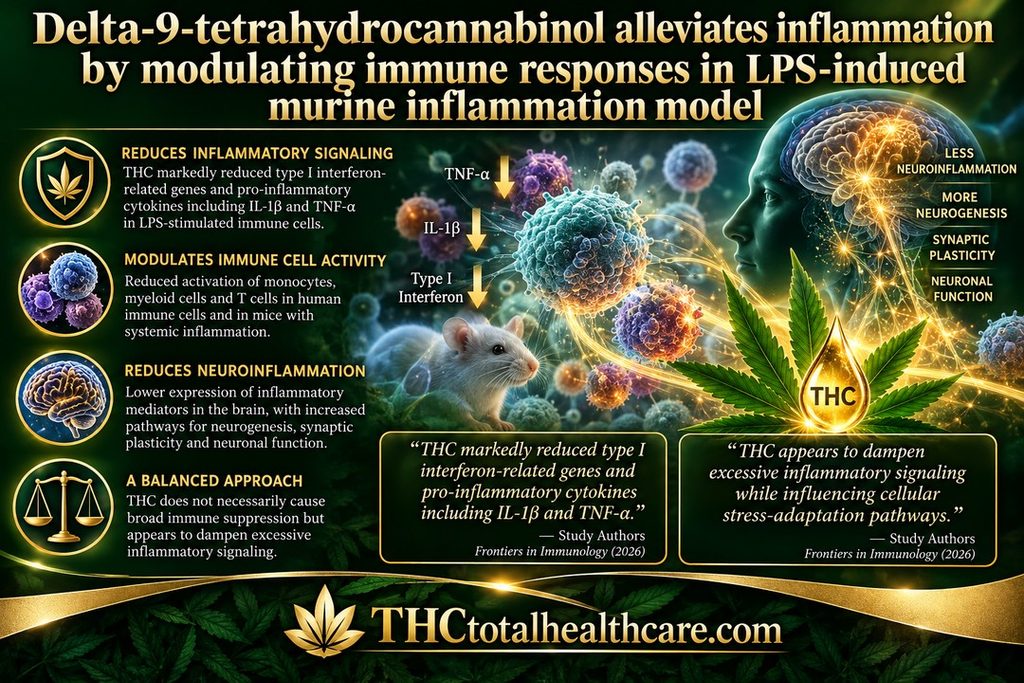
Delta-9-tetrahydrocannabinol alleviates inflammation by modulating immune responses in LPS-induced murine inflammation model

Delta-9-THC reduced inflammatory immune signaling across human immune cells and a mouse model of systemic inflammation. In LPS-stimulated cells, THC markedly suppressed type I interferon-related genes and pro-inflammatory cytokines including IL-1β and TNF-α, while also reducing immune-cell activation markers.

The effects extended beyond isolated cells. In mice exposed to systemic inflammation, THC reduced activation of splenic myeloid cells and T cells. Brain analysis also showed reduced neuroinflammatory signaling, including lower expression of inflammatory mediators, while pathways associated with neurogenesis, synaptic plasticity and neuronal function were enriched.

Importantly, the researchers describe THC’s effects as modulation rather than indiscriminate immune suppression, concluding that THC appears to dampen excessive inflammatory signaling while influencing cellular stress-adaptation pathways. They say these findings support further investigation of cannabinoid signaling in chronic inflammatory, neuroimmune and neurodegenerative disorders.

“Introduction: Δ9-Tetrahydrocannabinol (THC), the primary psychoactive component of cannabis, has been reported to modulate immune responses; however, its effects on complex innate immune signaling pathways and inflammation remain incompletely understood. Here, we investigated the immunomodulatory effects of THC on lipopolysaccharide (LPS)-induced inflammation across cellular and in vivo models.

Methods: We integrated transcriptomic, cellular, and in vivo approaches to characterize the effects of THC on innate immune activation. Human THP-1 monocytic cells were treated with THC in the presence or absence of LPS, followed by transcriptomic and gene expression analyses to evaluate inflammatory, type I interferon, unfolded protein response (UPR), and autophagy pathways. Findings were validated in primary human monocytes by assessing immune activation markers. The effects of chronic THC exposure were further evaluated in a murine model of systemic inflammation by examining splenic myeloid and T-cell activation. RNA sequencing of brain tissue was performed to assess the effects of THC on neuroinflammatory and neuronal pathways.

Results: THC induced a stress-adaptive transcriptional program in THP-1 cells, characterized by upregulation of genes associated with the UPR and autophagy pathways. In contrast, THC markedly suppressed LPS-induced type I interferon-stimulated genes (ISGs) and pro-inflammatory cytokines, including IL-1β and TNF-α. In primary human monocytes, THC significantly reduced the expression of activation markers CD80, CD83, and CD209. Consistent with these findings, chronic THC exposure attenuated the activation of splenic myeloid and T cells in mice subjected to systemic inflammation. Brain transcriptomic analysis further demonstrated reduced expression of neuroinflammatory pathways following THC exposure, accompanied by enrichment of pathways associated with neurogenesis and synaptic plasticity.

Discussion: Our findings demonstrate that THC exerts broad immunomodulatory effects characterized by suppression of inflammatory and type I interferon responses while promoting cellular stress-adaptation pathways. These effects were observed across human monocytic cells, primary monocytes, and peripheral immune populations in vivo, and were accompanied by reduced neuroinflammatory signaling and increased neuronal plasticity-associated pathways in the brain. Together, these findings provide mechanistic insight into the immunomodulatory actions of THC and support further investigation of cannabinoid signaling as a potential regulator of chronic inflammatory and neuroimmune disorders.”

https://pubmed.ncbi.nlm.nih.gov/42818626

“Chronic THC exposure reduces LPS-induced immune activation in vivo.”

https://www.frontiersin.org/journals/immunology/articles/10.3389/fimmu.2026.1856131/full

Need this THC study explained? thcXplained.com

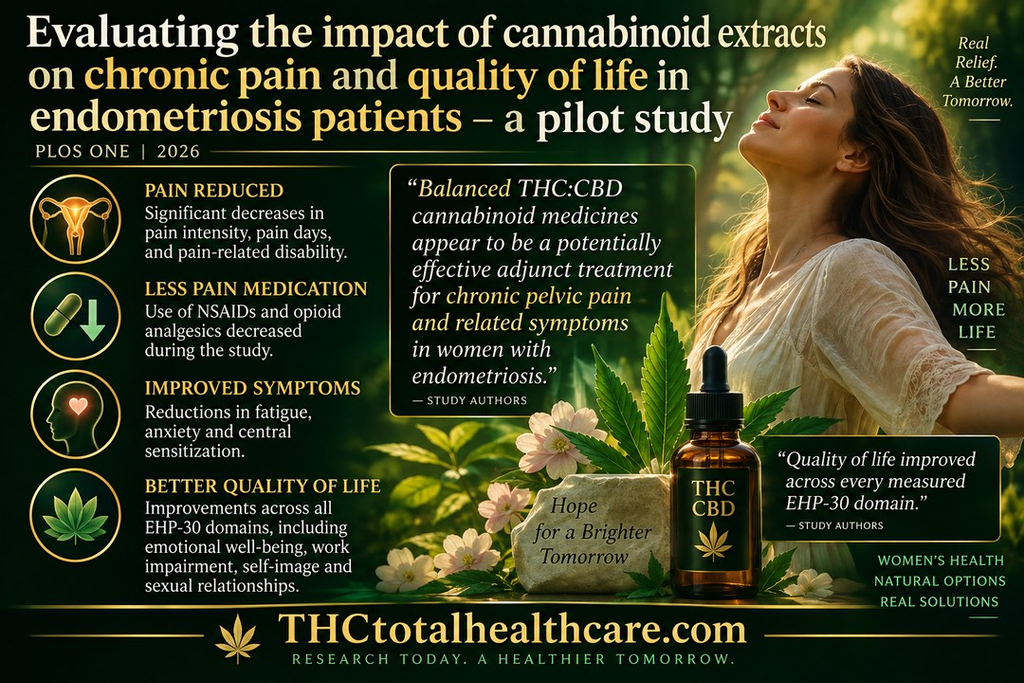
Evaluating the impact of cannabinoid extracts on chronic pain and quality of life in endometriosis patients – a pilot study

Women with endometriosis and chronic pelvic pain experienced significant improvements after adding a balanced oral THC cannabis extract to their existing treatment. In this prospective pilot study, 27 women completed three months of treatment, with benefits appearing within the first month and continuing through the study period.

Pain intensity fell significantly, along with the number of pain days and the need for conventional pain medicines. Use of both NSAIDs and opioid analgesics decreased, while fatigue, anxiety, central sensitization and pain-related disability also improved.

Quality of life improved across every measured EHP-30 domain, including pain, emotional well-being, work impairment, self-image and sexual relationships. The authors concluded that balanced THC cannabinoid medicines appear to be a potentially effective adjunct treatment for chronic pelvic pain and related symptoms in women with endometriosis.

“Endometriosis is a chronic gynecological disorder characterized by persistent pain and impaired quality of life, with limited effective treatment options. Emerging evidence indicates that cannabinoids may provide analgesic and symptom-relieving effects in chronic pain conditions.

This prospective single-center cohort study investigated the effects of standardized oral cannabis extracts (cannabinoid-based medicinal products, CBMPs) on pain and quality of life in women with endometriosis.

Thirty premenopausal women aged 18-45 years with confirmed endometriosis and chronic pelvic pain were enrolled; 27 completed the 3-month treatment period. Participants received oral CBMPs containing a balanced THC: CBD ratio. Pain intensity, frequency of pain episodes, analgesic use, fatigue, anxiety, central sensitization, disability, and quality of life were assessed using validated questionnaires (VAS, EHP-30, PDI, CFS, GAD-7, CSI).

Significant improvements were observed after one month of treatment, with continued benefit over three months. Pain intensity decreased markedly (p = 0.0004), accompanied by reductions in the number of pain days and analgesic use, including both NSAIDs (e.g., ibuprofen, diclofenac) and opioid analgesics (e.g., tramadol, tilidin, oxycodone) (p < 0.001). Fatigue (p = 0.0013), anxiety (p < 0.0001), central sensitization (p < 0.0001), disability (p < 0.0001), and overall quality of life (EHP-30) improved significantly.

Treatment was well tolerated; side effects were predominantly mild (severity score 1 on a 0-3 scale) and transient, occurring mainly during the titration phase and declining thereafter. Although limited by its single-center design, lack of placebo control, and short follow-up, this study provides preliminary evidence that oral CBMPs may represent a safe and effective adjunct therapy for managing pain and related symptoms in women with endometriosis. Larger randomized controlled trials are warranted to confirm these findings and establish optimal dosing strategies.”

https://pubmed.ncbi.nlm.nih.gov/42771648

“In conclusion, oral CBMPs with balanced THC: CBD ratios seem to be a safe and potentially effective adjunct therapy for chronic pelvic pain and related symptoms in women with endometriosis. By targeting both nociceptive and neuropsychological aspects of the condition, CBMPs can supplement existing pharmacological and lifestyle strategies, providing a more comprehensive approach to symptom management. These findings establish a basis for future controlled studies to refine dosing, investigate mechanisms, and assess long-term outcomes in this complex patient group.”

https://journals.plos.org/plosone/article?id=10.1371/journal.pone.0356768

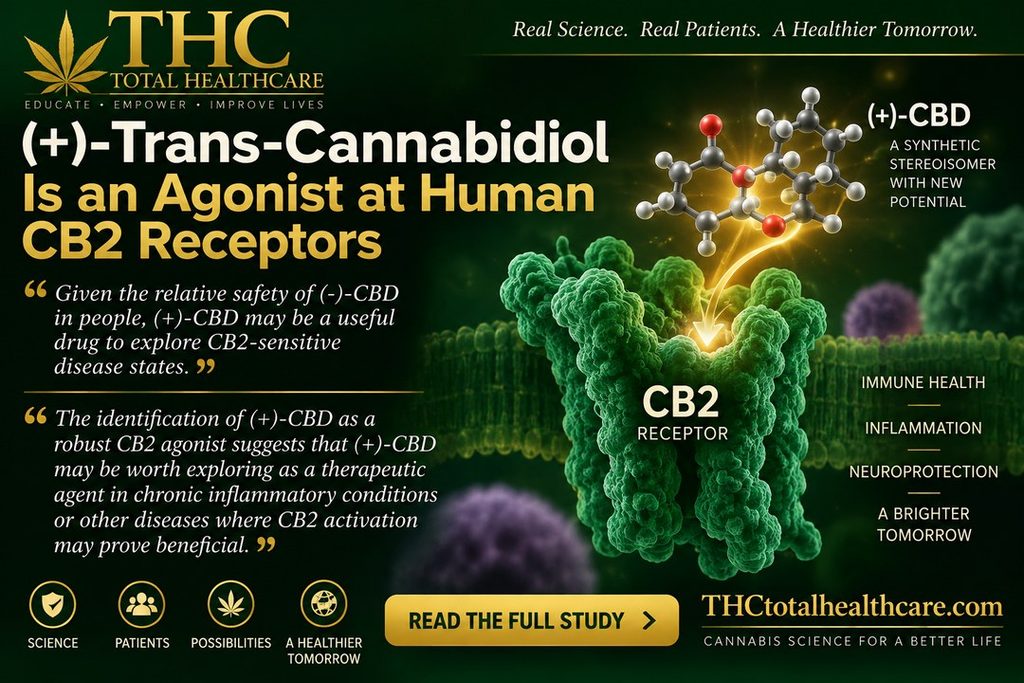
(+)-Trans-Cannabidiol Is an Agonist at Human CB2 Receptors

A new 2026 study reports that (+)-trans-cannabidiol [(+)-CBD] acts as an agonist at human CB2 cannabinoid receptors, activating a major receptor of the endocannabinoid system involved in immune and inflammatory signaling.

Researchers found that (+)-CBD produced a strong, concentration-dependent CB2 response, reaching roughly 90% of the maximum effect produced by the reference cannabinoid agonist CP55940. Additional testing indicated that the compound acts through the receptor’s primary, or orthosteric, binding site.

The findings show that different molecular forms of cannabidiol can interact with cannabinoid receptors in very different ways. The researchers conclude that (+)-CBD may deserve further study in CB2-sensitive disease states, adding another layer to our understanding of how cannabinoid chemistry can influence the human endocannabinoid system.

“(-)-trans-Cannabidiol ((-)-CBD) is a principal phytocannabinoid from Cannabis sativa. (-)-CBD has complex pharmacology but is a relatively weak inhibitor of CB1 and CB2 receptor signaling. Cannabidiol has two chiral centres and thus four stereoisomers. (+)-trans-CBD ((+)-CBD) has a higher affinity than (-)-CBD at CB1 and CB2, but its pharmacodynamic effects at these receptors are incompletely described.

We examined the activity of (+)-CBD at human CB1 and CB2 receptors using a fluorescence-based assay of membrane potential in AtT20 cells stably expressing CB1 or CB2 receptors.

(+)-CBD produced a rapid, concentration-dependent hyperpolarization in CB2-expressing cells (pEC50 6.63 ± 0.08) with a maximal effect 90% of the response to CP55940. The CB2 response was blocked by pertussis toxin pretreatment and competitively inhibited by the CB2 antagonist AM630 (Schild slope 1.1 ± 0.1). (+)-CBD was a low-efficacy, low-potency CB1 agonist and inhibited somatostatin-receptor effects at high concentrations (10-30 μM). (+)-CBD had no effect on the membrane potential of AtT20 wild-type cells. In silico modeling of ligand interactions with CB2 indicated that (+)-CBD but not (-)-CBD formed an H-bond with Ser285, a residue crucial for agonist activation of CB2.

Our data suggests (+)-CBD acted as a CB2 agonist via the orthosteric binding site on the receptor. Synthetic CBD, including (+)-CBD, has previously been administered in clinical trials, presumably without consideration of its potential CB2 agonist activity.

Given the relative safety of (-)-CBD in people, (+)-CBD may be a useful drug to explore CB2-sensitive disease states.”

https://pubmed.ncbi.nlm.nih.gov/42745361

“This study emphasizes the importance of understanding the molecular actions of the enantiomers of chiral cannabinoids. Although the safety of (+)-CBD cannot simply be assumed to be the same as (−)-CBD, the identification of (+)-CBD as a robust CB2 agonist suggests that (+)-CBD may be worth exploring as a therapeutic agent in chronic inflammatory conditions or other diseases where CB2 activation may prove beneficial.”

https://bpspubs.onlinelibrary.wiley.com/doi/10.1002/prp2.70325

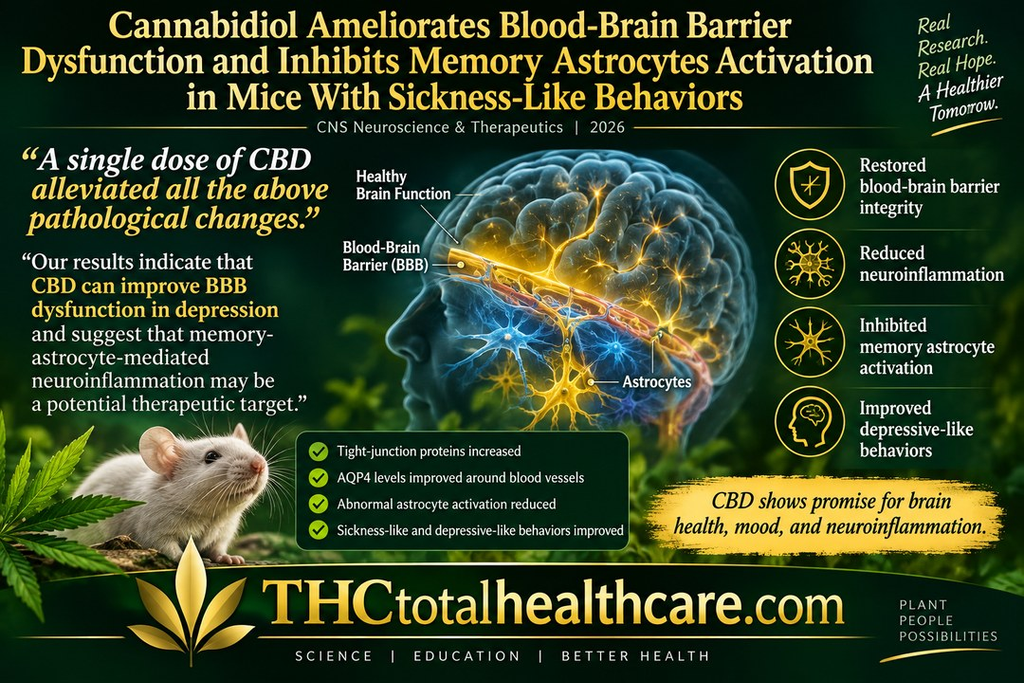
Cannabidiol Ameliorates Blood-Brain Barrier Dysfunction and Inhibits Memory Astrocytes Activation in Mice With Sickness-Like Behaviors

A new 2026 study published in CNS Neuroscience & Therapeutics found that cannabidiol (CBD) improved blood-brain barrier dysfunction, reduced neuroinflammation, and alleviated depressive-like behaviors in mice. The researchers found that sickness-like mice showed weakened blood-brain barrier integrity, reduced protective tight-junction proteins, abnormal astrocyte activation, and increased inflammation in the brain.

A single dose of CBD improved these changes, restoring important blood-brain barrier markers while reducing abnormal astrocyte activity and neuroinflammation. The researchers also identified a particularly interesting target called “memory astrocytes”—astrocytes that can respond more rapidly and strongly when exposed to a second inflammatory challenge.

The study found that CBD inhibited this memory-astrocyte-associated secondary inflammatory response, helping protect the blood-brain barrier and improve behavior. The researchers concluded that CBD may improve blood-brain barrier dysfunction associated with depression and identified memory-astrocyte-mediated neuroinflammation as a potential therapeutic target.

“Background: Blood-brain barrier (BBB) dysfunction has been increasingly implicated in the pathophysiology of depression; however, effective therapeutic strategies targeting this pathology remain limited. This study aimed to investigate the effect of cannabidiol (CBD) on improving depressive-like behaviors and BBB impairment, as well as its underlying mechanism.

Methods: Depressive-like behaviors in mice were assessed via exploratory and despair-like tests. BBB integrity was evaluated by examining tight junction protein expression in endothelial cells and AQP4 reduction from the perivascular membrane. Astrocyte activation and neuroinflammation were also measured. The therapeutic effects of a single CBD dose were examined.

Results: Mice with depressive-like phenotypes showed reduced exploratory behavior and increased despair-like behavior. In the BBB, the expression of tight junction proteins in endothelial cells was downregulated; in astrocytes, decreased AQP4 expression was observed, abnormal activation was enhanced, and neuroinflammation was elevated. A single dose of CBD alleviated all the above pathological changes. Further studies demonstrated that CBD exerted its effects by inhibiting memory astrocyte-associated secondary neuroinflammation, thereby alleviating depressive-like behaviors in mice with depressive-like phenotypes.

Conclusion: Experimental results show that CBD treatment can improve BBB dysfunction in depression and further indicates that targeted inhibition of memory astrocytes-mediated neuroinflammation may promote the treatment of depression.”

https://pubmed.ncbi.nlm.nih.gov/42747207

“Cannabidiol (CBD), a natural extract from cannabis, possesses multiple biological functions including cardioprotection, anti-inflammation, anti-cancer, anti-oxidation, and neuroprotection. Additionally, it plays indispensable roles in relieving depression and regulating BBB function]. CBD ameliorates depression by upregulating brain-derived neurotrophic factor, inhibiting neuroinflammation, alleviating oxidative stress, and modulating neurotransmitter transmission.”

https://onlinelibrary.wiley.com/doi/10.1002/cns.71168

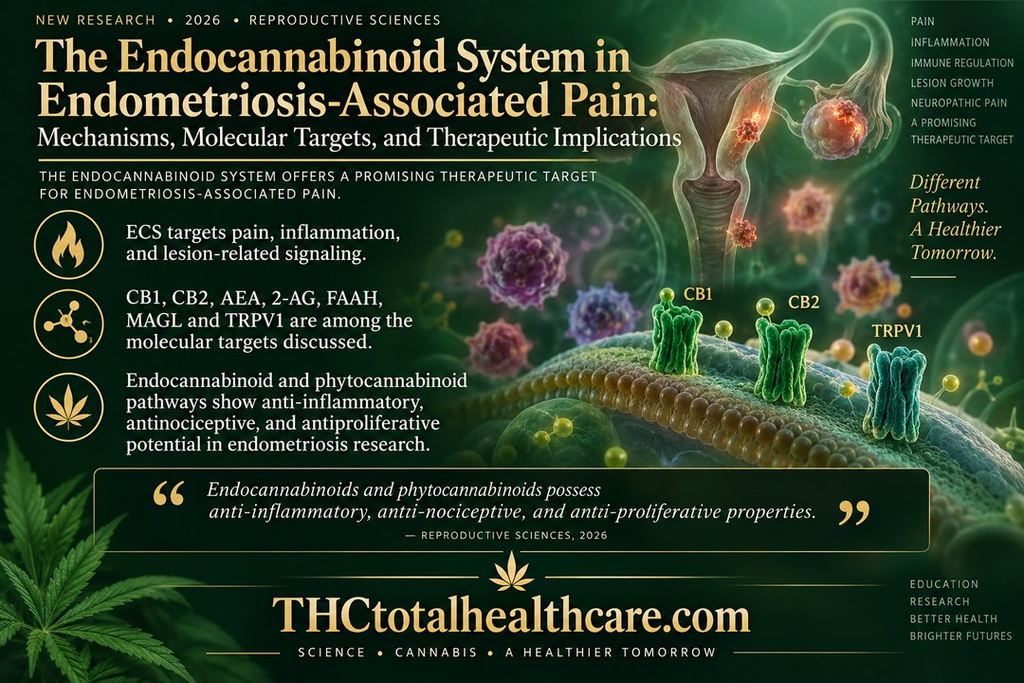
The Endocannabinoid System in Endometriosis-Associated Pain: Mechanisms, Molecular Targets, and Therapeutic Implications

A new 2026 review published in Reproductive Sciences examines the endocannabinoid system (ECS) as a therapeutic target for endometriosis-associated pain, a condition that can cause severe pelvic pain, painful menstruation, painful intercourse, and other chronic symptoms. The authors highlight the ECS because of its established roles in regulating pain, inflammation, and immune activity.

The review found that cannabinoids may influence three major mechanisms involved in endometriosis-associated pain: inflammation, pain signaling and sensitization, and the growth of endometriotic lesions. Cannabinoids interact with both cannabinoid and non-cannabinoid receptors found in endometriotic tissue, while also reducing inflammatory signaling from immune cells such as mast cells and macrophages.

The researchers conclude that the endocannabinoid system is a promising therapeutic target for endometriosis-associated pain, with cannabinoid therapies showing potential to regulate nociception, inflammation, and lesion proliferation. They call for clinical trials to further evaluate cannabinoid-based treatments for people living with endometriosis.

“Endometriosis is a chronic gynecological disorder affecting approximately 10% of reproductive-age women, characterized by the ectopic growth of endometrial tissue and severe pain, including dysmenorrhea, chronic pelvic pain, dyspareunia, dysuria, and dyschezia. Current treatments are limited in efficacy and associated with significant side effects, underscoring the urgent need for novel therapeutic strategies.

The endocannabinoid system (ECS) has emerged as a promising therapeutic target, given its well-established roles in pain modulation, inflammation, and immune regulation. Epidemiological evidence demonstrates that women with endometriosis increasingly use cannabis for symptom self-management, yet the underlying mechanisms remain poorly characterized.

This review integrates preclinical and human evidence to comprehensively evaluate the mechanistic basis of cannabinoid efficacy in endometriosis-associated pain. Evidence from in vitro studies and animal models indicates that cannabinoids target three main mechanisms of endometriosis-associated pain, including inflammation, nociceptive signaling, and lesion proliferation.

Cannabinoids suppress pain signaling and sensitization by interacting with cannabinoid and non-cannabinoid receptors expressed in endometriotic lesions. Cannabinoids attenuate endometriosis-induced inflammation by inhibiting proinflammatory cytokine signaling and reducing the release of inflammatory mediators by mast cells and peritoneal macrophages. Cannabinoids also exert antiproliferative effects in endometriosis models, thereby suppressing the growth of endometriotic lesions.

In conclusion, the ECS is a promising therapeutic target for endometriosis-associated pain, as it regulates nociception, inflammation, and proliferation. These promising findings highlight the potential therapeutic benefits of cannabinoids for endometriosis-associated pain, warranting the need for clinical trials to evaluate the safety and effectiveness of cannabinoid therapies in endometriosis.”

https://pubmed.ncbi.nlm.nih.gov/42745018

https://link.springer.com/article/10.1007/s43032-026-02201-9

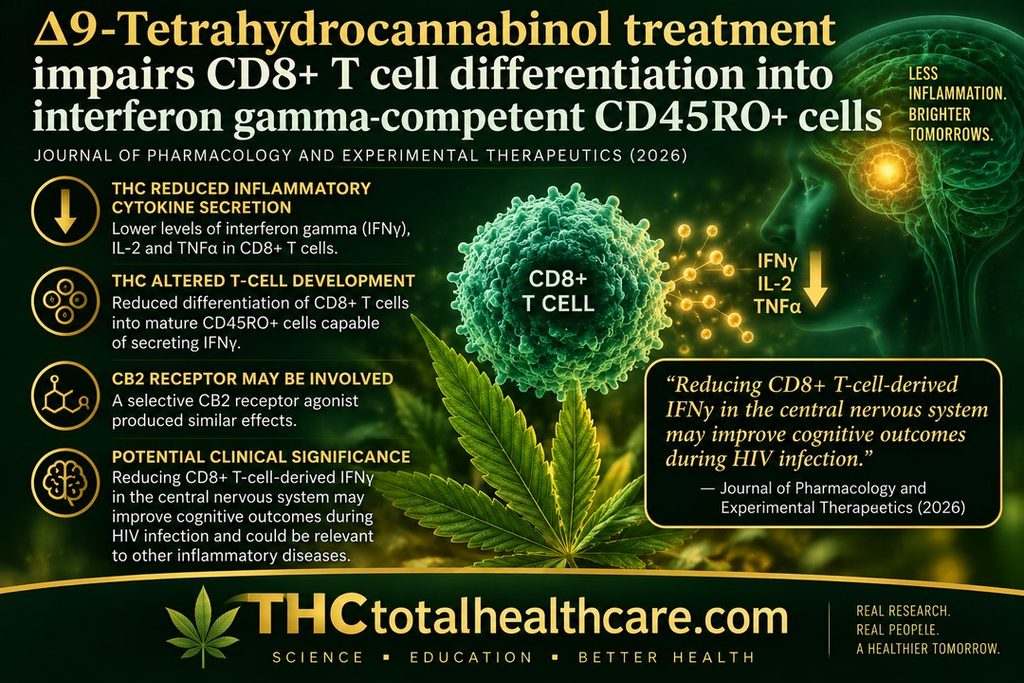
Δ9-Tetrahydrocannabinol treatment impairs CD8+ T cell differentiation into interferon gamma-competent CD45RO+ cells

New research published in The Journal of Pharmacology and Experimental Therapeutics shows that Δ9-tetrahydrocannabinol (THC) can alter the development of CD8+ T cells involved in inflammatory immune responses. Researchers found that THC reduced secretion of interferon gamma (IFNγ), interleukin-2 (IL-2), and tumor necrosis factor alpha (TNFα), three signaling molecules involved in immune activation and inflammation.

Rather than simply preventing cells from producing IFNγ, THC appeared to change how the T cells developed. THC reduced the differentiation of CD8+ T cells into mature CD45RO+ cells capable of secreting IFNγ. A selective CB2 receptor agonist produced similar effects, suggesting that activation of the cannabinoid CB2 receptor may play an important role in THC’s immune-modulating activity.

The researchers examined these effects partly because IFNγ-producing CD8+ T cells contribute to persistent neuroinflammation associated with HIV-associated neurocognitive disorders. They concluded that reducing CD8+ T-cell-derived IFNγ in the central nervous system may potentially improve cognitive outcomes during HIV infection, while noting that the findings may also have relevance to other inflammatory diseases involving IFNγ-producing CD8+ T cells.

“Chronic human immunodeficiency virus (HIV) infection results in a persistent state of neuroinflammation, even with combined antiretroviral therapy. Neuroinflammation contributes to pathology termed HIV-associated neurocognitive disorder, which is exacerbated by interferon gamma (IFNγ)-producing CD8+ T cells in the central nervous system.

Many people living with HIV self-report using Cannabis sativa to mitigate symptoms of chronic infection and side effects of treatment. C. sativa is composed of various phytocannabinoids, including Δ9-tetrahydrocannbinol (THC), which possesses immune-modulating properties.

This study aims to determine whether C. sativa use by people living with HIV, and specifically THC, affects IFNγ secretion by CD8+ T cells.

We found that HIV status does not influence T cell IFNγ responses, and C sativa use modestly reduces the average secretion of IFNγ by CD8+ T cells from HIV+ donors. Treatment of CD8+ T cells with THC and the selective cannabinoid receptor 2 agonist, JWH-015, reduced T-cell cytokine secretion, with THC eliciting greater suppression than cannabidiol.

These results suggest that THC treatment does not directly impair IFNγ gene expression or protein production, as determined by polymerase chain reaction and flow cytometry. However, THC treatment impaired CD8+ T cell differentiation into IFNγ-competent CD45RO+ cells.

These studies are of clinical relevance because reduction of CD8+ T-cell-derived IFNγ in the central nervous system may improve cognitive outcomes during HIV infection. Furthermore, these findings may be generalizable to other inflammatory diseases in which IFNγ-producing CD8+ T cells have been implicated.

SIGNIFICANCE STATEMENT: Δ9-Tetrahydrocannbinol (THC) treatment reduces CD8+ T cell interferon gamma (IFNγ) secretion isolated from HIV- and HIV+ individuals. THC and the selective cannabinoid receptor 2 agonist, JWH-015, both reduced CD8+ T cell secretion of IFNγ, interleukin 2, and tumor necrosis factor α, suggesting the involvement of cannabinoid receptor 2. Although THC treatment does not suppress IFNγ mRNA or protein levels, it reduces the number of IFNγ-secreting cells by impairing CD8+ T-cell differentiation into IFNγ-competent CD45RO+ cells.”

https://pubmed.ncbi.nlm.nih.gov/42748512

https://jpet.aspetjournals.org/article/S0022-3565(26)01210-3/abstract

Need this THC study explained? thcXplained.com

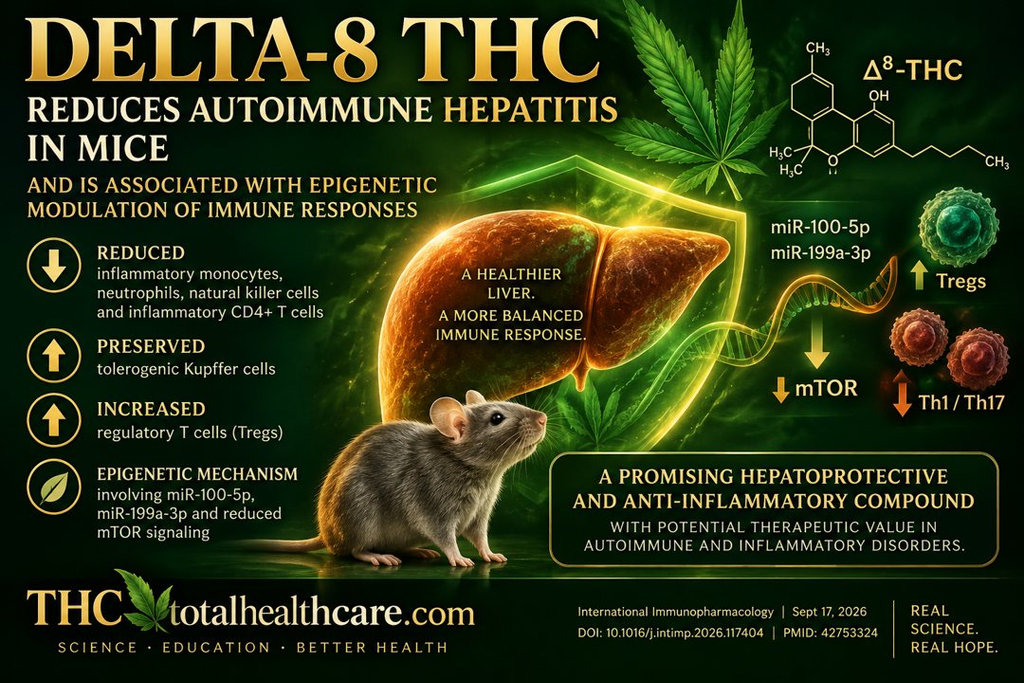
Delta-8-tetrahydrocannabinol ameliorates murine autoimmune hepatitis and is associated with epigenetic modulation of immune responses

A new 2026 study published in International Immunopharmacology found that delta-8-tetrahydrocannabinol (Δ8-THC) significantly reduced autoimmune hepatitis in mice while altering the immune responses responsible for liver inflammation. Researchers found that Δ8-THC reduced inflammatory immune cells and helped preserve immune cells involved in protecting the liver.

The researchers also uncovered a possible mechanism. Δ8-THC increased two microRNAs, miR-100-5p and miR-199a-3p, which suppressed mTOR signaling and shifted CD4+ T-cell development away from inflammatory Th1 and Th17 cells and toward regulatory T cells that help control excessive immune activity.

The authors concluded that Δ8-THC showed both hepatoprotective and anti-inflammatory activity and highlighted its potential therapeutic value for autoimmune and inflammatory disorders. The study adds new evidence that cannabinoids may influence disease not only by reducing inflammation, but by changing the molecular and epigenetic pathways that regulate immune responses.

“Aim of the study: Cannabinoids have gained attention for their ability to modulate immune responses and suppress inflammation. However, the effect of Δ8-THC, a minor cannabinoid found in Cannabis, has not been explored in autoimmune hepatitis. To address knowledge gap, the present study aimed to investigate the hepatoprotective and immunoregulatory properties of Δ8-THC in experimental autoimmune hepatitis and to identify molecular and epigenetic mechanisms underlying its immunoregulatory effects.

Methods: miRNA sequencing and flow cytometric analysis were performed using hepatic immune cells from female C57BL/6 mice treated with ConA (12.5 mg/kg, i.v.) and Δ8-THC (20 mg/kg, i.p.). Differential miRNA expressions were analyzed using the edgeR, and miRNA targets were predicted using Ingenuity Pathway Analysis. Target gene expression was validated by qRT-PCR and Western blot. Functional assays including miRNA mimic/inhibitor transfection and CD4+ T-cell differentiation were performed to validate target gene regulation by miRNAs and its role in CD4+ T-cell differentiation.

Results: Δ8-THC markedly suppressed ConA-induced autoimmune hepatitis by restoring immune homeostasis within the liver through suppression of inflammatory monocytes, neutrophils, and natural killer cells, and preservation of tolerogenic Kupffer cells. In addition, Δ8-THC reshaped the hepatic lymphoid compartment, diminishing inflammatory CD4+ T-cell responses while favoring regulatory T-cell expansion. These effects were associated with the preservation of miR-100-5p and miR-199a-3p expression in the liver, whereas both miRNAs were markedly downregulated following ConA treatment. mTOR, a central regulator of T-cell differentiation, was identified as a target of these miRNAs. Consistent with these findings, Δ8-THC reduced mTOR expression and upregulated hepatoprotective miRNAs in both in vivo and in vitro models. Functional analyses with miRNA overexpression and inhibition approaches verified the direct regulation of mTOR by these miRNAs in T cells and RAW 264.7 cells. In naïve CD4+ T cells, miRNA gain- and loss-of-function experiments demonstrated that miR-100-5p/miR-199a-3p-mediated suppression of mTOR promotes regulatory T-cell differentiation while limiting Th1 and Th17 polarization.

Conclusion: Our results identify Δ8-THC as a promising hepatoprotective and anti-inflammatory compound that ameliorates ConA-induced autoimmune hepatitis by influencing CD4+ T-cell differentiation potentially through the miR-100-5p/miR-199a-3p-mTOR axis, highlighting its potential therapeutic value in autoimmune and inflammatory disorders.”

https://pubmed.ncbi.nlm.nih.gov/42753324

“In conclusion, our findings suggest that Δ8-THC can mitigate ConA-induced hepatitis, potentially through epigenetic regulation involving microRNAs. Specifically, Δ8-THC improved liver function and reduced systemic and intrahepatic inflammation in ConA-exposed mice. These effects were associated with increased expression of miR-100-5p and miR-199a-3p in the liver, suggesting that these miRNAs may regulate mTOR signaling and contribute to the suppression of proinflammatory responses and promotion of anti-inflammatory pathways. Functional studies supported the involvement of these miRNAs in the regulation of mTOR signaling, CD4+ T-cell differentiation, and inflammatory responses.”

https://www.sciencedirect.com/science/article/pii/S1567576926012518?via%3Dihub

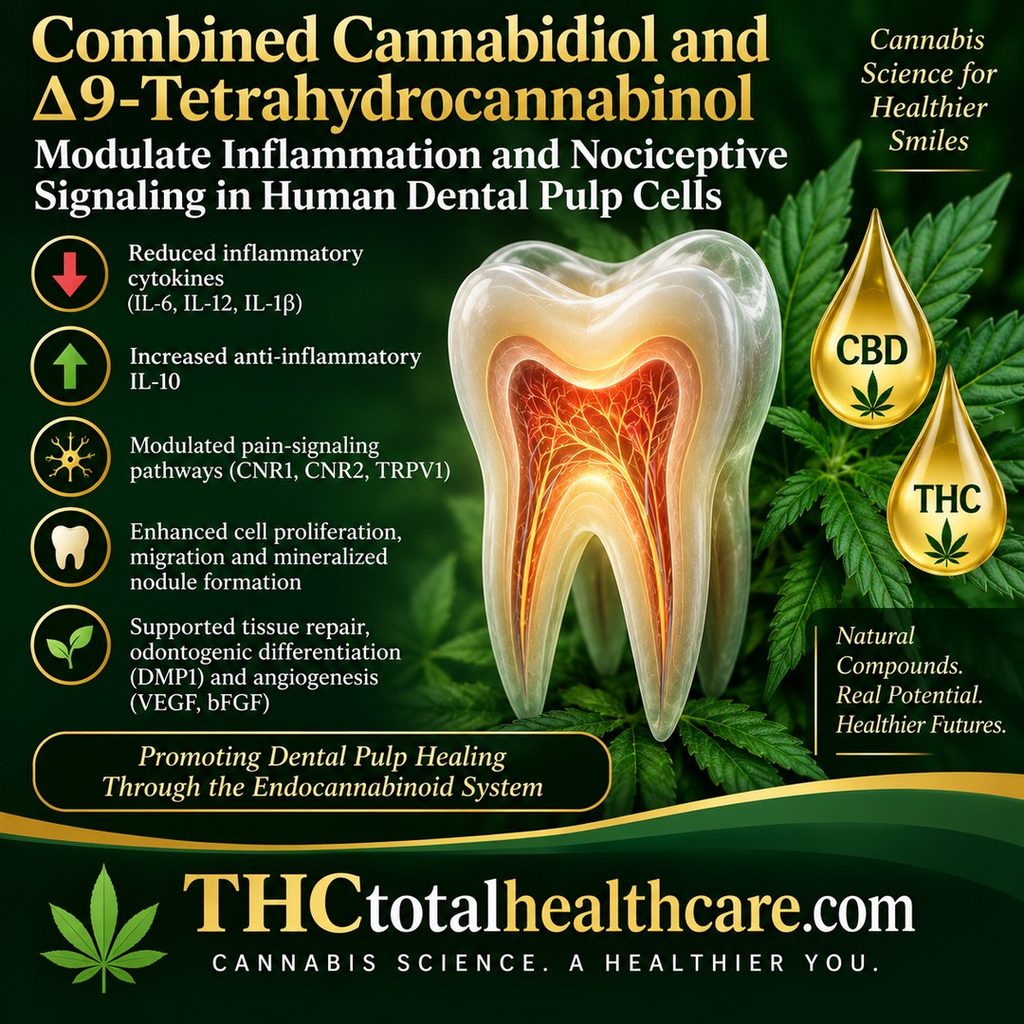
Combined Cannabidiol and Δ9-Tetrahydrocannabinol Modulate Inflammation and Nociceptive Signaling in Human Dental Pulp Cells

A new study using human dental pulp cells found that combining cannabidiol (CBD) and Δ9-tetrahydrocannabinol (THC) produced stronger anti-inflammatory effects than either cannabinoid alone. The combination reduced the pro-inflammatory cytokines IL-6, IL-12, and IL-1β while increasing the anti-inflammatory cytokine IL-10.

CBD and THC together also influenced important pathways involved in pain signaling and healing. Researchers reported increased expression of the cannabinoid receptors CNR1 and CNR2, modulation of TRPV1, and enhanced cell proliferation and migration. The combination also promoted mineralized nodule formation and increased markers associated with odontogenic differentiation and new blood-vessel formation.

The researchers concluded that combined CBD and THC show promise for promoting dental pulp healing by simultaneously influencing inflammation, nociceptive signaling, tissue repair, angiogenesis, and cell migration. The findings provide new evidence that cannabinoids may have potential applications in future vital pulp therapies designed to preserve and regenerate living dental tissue.

“Introduction: Dental pulp inflammation, caused by caries, trauma, or restorative operations, produces pain and slows regeneration. Cannabidiol (CBD) and Δ9-tetrahydrocannabinol (THC), cannabinoids of Cannabis sativa, have effects on inflammation and pain relief. However, the impact of these factors on dental pulp healing is not understood. This study investigated the combined effects of CBD and THC in controlling inflammation and nociception during dental pulp repair.

Methods: Human dental pulp cells were stimulated with lipopolysaccharide (LPS) and treated with CBD (2.5 μg/mL), THC (0.6 μg/mL), and their combination. Pro-inflammatory cytokines (IL-6, IL-12 and IL-1β) and anti-inflammatory cytokine IL-10 were analysed using qPCR and ELISA, while anti-nociceptive markers (CNR1, CNR2, and TRPV1) were evaluated by qPCR and Western blot. Cell viability, proliferation, and migration assays were performed to evaluate treatment effects on cellular behaviours associated with pulpal repair and regenerative potential.

Results: Compared with either treatment alone, the CBD/THC combination more effectively attenuated pro-inflammatory cytokines IL-6, IL-12, and IL-1β, enhanced CNR1 and CNR2 expression, modulated TRPV1, and increased IL-10 expression. Viability assays determined optimal non-cytotoxic concentrations for treatment. The combination enhanced cell proliferation and migration, promoted mineralized nodule formation, and significantly upregulated markers associated with tissue repair, odontogenic differentiation (DMP1), and angiogenesis (VEGF and bFGF).

Conclusion: Combined CBD and THC show promise for promoting dental pulp healing by modulating inflammation and nociceptive signaling, while supporting odontogenic differentiation, angiogenesis, and cell migration in human dental pulp cells. These findings provide in vitro evidence supporting combined cannabinoid treatment as a therapeutic strategy for vital pulp therapies.”

https://pubmed.ncbi.nlm.nih.gov/42722230

https://www.jendodon.com/article/S0099-2399(26)00500-5/abstract

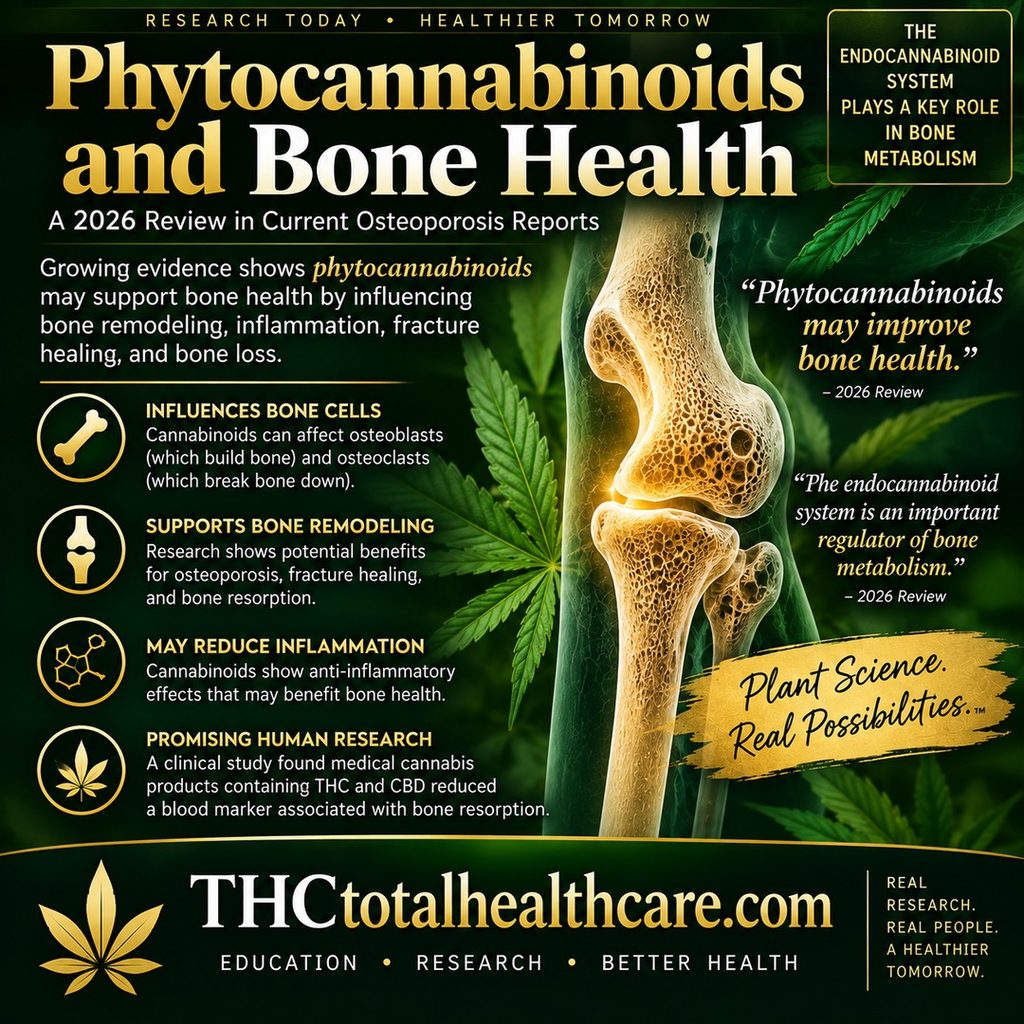
Phytocannabinoids and bone health

A 2026 review published in Current Osteoporosis Reports examines growing evidence that phytocannabinoids may support bone health by influencing bone remodeling, inflammation, fracture healing, and bone loss.

The review highlights the endocannabinoid system as an important regulator of bone metabolism. Research involving CBD and THC shows that cannabinoids can affect osteoblasts, which build bone, and osteoclasts, which break bone down.

The review also discusses early human research showing that medical cannabis products containing THC and CBD reduced a blood marker associated with bone resorption. Together, the findings point to cannabinoids and the endocannabinoid system as promising areas for further bone-health research.

“Purpose of the review: Phytocannabinoids have received attention for their therapeutic properties, however, it is unclear how they affect bone homeostasis. Additionally, increased use of cannabis and hemp-derived products have raised questions about their impact on musculoskeletal health. This review summarizes recent studies that investigate the impact of phytocannabinoids on bone.

Recent findings: The most well studied phytocannabinoid in relation to bone health is cannabidiol (CBD). In vitro data suggests CBD inhibits osteoclasts and promotes osteoblast activity. Rodent studies have demonstrated CBD may be useful for managing bone loss associated with osteoporosis and periodontitis, as well as reducing fracture pain and promoting healing. Recent studies suggest other phytocannabinoid isolates and extracts containing multiple phytocannabinoids have varying effects on bone. The first clinical study in this area reported that a medical cannabis product reduced markers of bone turnover in healthy adults. Cannabinoids bind to receptors in the endocannabinoid system which is involved in regulation of bone metabolism. Phytocannabinoids may improve bone health; however, additional work is required to determine factors such as the optimal dose, timing, and route of administration.”

https://pubmed.ncbi.nlm.nih.gov/42709344

“Due to their diverse pharmacological properties, phytocannabinoids may have therapeutic value for bone-related disorders.”

 https://link.springer.com/article/10.1007/s11914-026-00982-1