“Background: Older adults (≥50 years) represent the fastest-growing population of people who use cannabis, potentially due to the increasing promotion of cannabis as medicine by dispensaries and cannabis websites. Given healthy aging and cannabis use are both associated with cognitive decline, it is important to establish the effects of cannabis on cognition in healthy aging.
Objective: This systematic scoping review used preferred reporting items for systematic reviews and meta-analyses guidelines to critically examine the extent of literature on this topic and highlight areas for future research.
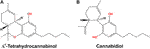
Results: Six articles reported findings for older populations (three human and three rodent studies), highlighting the paucity of research in this area. Human studies revealed largely null results, likely due to several methodological limitations. Better-controlled rodent studies indicate that the relationship between ∆9-tetrahydrocannabinol (THC) and cognitive function in healthy aging depends on age and level of THC exposure. Extremely low doses of THC improved cognition in very old rodents. Somewhat higher chronic doses improved cognition in moderately aged rodents. No studies examined the effects of cannabidiol (CBD) or high-CBD cannabis on cognition.
Conclusions: This systematic scoping review provides crucial, timely direction for future research on this emerging issue. Future research that combines neuroimaging and cognitive assessment would serve to advance understanding of the effects of age and quantity of THC and CBD on cognition in healthy aging.”
https://pubmed.ncbi.nlm.nih.gov/33159510/
“THC; the main psychoactive cannabis compound; exerted pro-cognitive effects on memory and learning in older populations.”
https://academic.oup.com/acn/advance-article/doi/10.1093/arclin/acaa105/5960018
“Cannabinoids have been found to be effective in controlling seizures and the highly purified form of cannabinoid derived for Cannabis sativa . Cannabidiol (CBD) is now approved for Lennox-Gastaut syndrome (LGS) and Dravet syndrome. CBD was used in a 9-year-old boy with LGS (unknown etiology) with very good results. The electroencephalography (EEG) response was very dramatic with near normalization of EEG background and complete control of seizures. The effect of CBD on EEG with such an improvement has not been described previously. Also, this adds to evidence that early intervention in LGS with CBD might be more helpful and improve outcomes.”
“Chronic pelvic pain affects women across all demographics. Its management is complex and requires a multimodal approach.
“(E)-β-caryophyllene (BCP) is a bicyclic sesquiterpene widely distributed in the plant kingdom, where it contributes a unique aroma to essential oils and has a pivotal role in the survival and evolution of higher plants.
“The anti-cancer effects of cannabinoids including CBD (Cannabidiol) and THC ((-)-trans-∆9-tetrahydrocannabinol) have been reported in the case of pancreatic cancer (PC).
“Cocaine addiction is a global health problem with no approved pharmacotherapies.
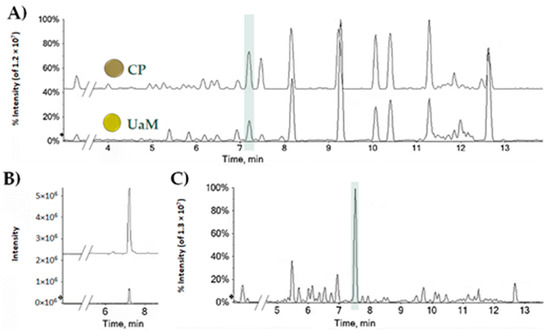
“Multiple therapeutic properties have been attributed to Cannabis sativa. However, further research is required to unveil the medicinal potential of Cannabis and the relationship between biological activity and chemical profile.
“Objective: To determine the benefit of a tetrahydrocannabinol (THC)-rich cannabis oil on symptoms and quality of life of fibromyalgia patients.
“Many people with MS (pwMS) use unregulated cannabis or cannabis products to treat the symptoms associated with the disease. In line with this, Sativex, a synthetic combination of cannabidiol (CBD) and Δ9-tetrahydrocannabinol (Δ9-THC) has been approved to treat symptoms of spasticity.