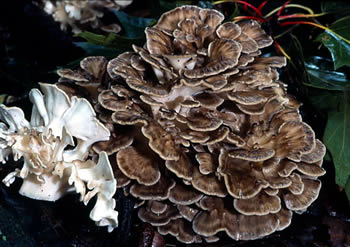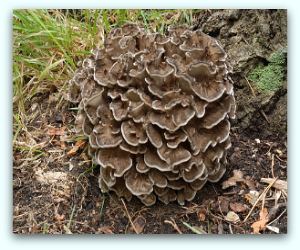
Antitumor effects of edible mushroom Maitake (Grifola frondosa)

“Antitumor activity of a polysaccharide fraction extracted from cultured fruiting bodies of Grifola frondosa.” http://www.ncbi.nlm.nih.gov/pubmed/6491867

“Antitumor effects of a water-soluble extract from Maitake (Grifola frondosa) on human gastric cancer cell lines. We investigated the effects of a water-soluble extract of Maitake (Grifola frondosa), a Japanese edible mushroom, on the proliferation and cell death of four human gastric cancer cell lines. The Maitake extract (ME) inhibited the proliferation of all four cell lines in a time-dependent manner…these results suggest that ME induces apoptosis…resulting in potential antitumor effects on gastric cancer.” http://www.ncbi.nlm.nih.gov/pubmed/19639212

“Maitake extracts and their therapeutic potential…premier culinary as well as medicinal mushroom. Maitake is increasingly being recognized as a potent source of polysaccharide compounds with dramatic health-promoting potential…MD-fraction, and other extracts, often in combination with whole maitake powder, have shown particular promise as immunomodulating agents, and as an adjunct to cancer…” http://www.ncbi.nlm.nih.gov/pubmed/11207456

“Effect of Maitake (Grifola frondosa) D-Fraction on the activation of NK cells in cancer patients. Maitake D-Fraction, extracted from maitake mushroom, has been reported to exert its antitumor effect in tumor-bearing mice by enhancing the immune system…maitake D-Fraction appears to repress cancer progression…”  http://www.ncbi.nlm.nih.gov/pubmed/14977447

“Effects of D-Fraction, a polysaccharide from Grifola frondosa on tumor growth involve activation of NK cells.” http://www.ncbi.nlm.nih.gov/pubmed/12499658

“Effects of maitake (Grifola frondosa) D-Fraction on the carcinoma angiogenesis…D-Fraction extracted from maitake (Grifola frondosa), activates immune competent cells, and indicates anti-tumor activities.”  http://www.ncbi.nlm.nih.gov/pubmed/11566496

“Enhancement of cytotoxicity of NK cells by D-Fraction, a polysaccharide from Grifola frondosa…D-Fraction, a polysaccharide extracted from the maitake mushroom (Grifola frondosa), activates macrophages, dendritic cells, and T cells and inhibits the growth of tumor cells.”  http://www.ncbi.nlm.nih.gov/pubmed/15706424

“A polysaccharide extracted from Grifola frondosa enhances the anti-tumor activity of bone marrow-derived dendritic cell-based immunotherapy against murine colon cancer.”  http://www.ncbi.nlm.nih.gov/pubmed/20563803

“A phase I/II trial of a polysaccharide extract from Grifola frondosa (Maitake mushroom) in breast cancer patients: immunological effects. Cancer patients commonly use dietary supplements to “boost immune function”. A polysaccharide extract from Grifola frondosa (Maitake extract) showed immunomodulatory effects in preclinical studies and therefore the potential for clinical use.”  http://www.ncbi.nlm.nih.gov/pmc/articles/PMC3751581/

“Maitake (D fraction) mushroom extract induces apoptosis in breast cancer cells…For many years mushrooms have been used empirically in traditional medicine to treat several diseases…The identification of the molecular mechanisms by which D fraction exerts its effects is crucial for the development of preventive and therapeutic strategies for cancer.”  http://www.ncbi.nlm.nih.gov/pubmed/21480800

“Maitake D-Fraction enhances antitumor effects and reduces immunosuppression by mitomycin-C in tumor-bearing mice. D-Fraction, a polysaccharide extracted from maitake mushrooms (Grifola frondosa), has been reported to exhibit an antitumor effect… These results suggest that D-Fraction can decrease the effective dosage in tumor-bearing mice by increasing the proliferation, differentiation, and activation of immunocompetent cells and thus provide a potential clinical benefit for patients with cancer.” http://www.ncbi.nlm.nih.gov/pubmed/15850970

“Antitumor activity of a beta-1,3-glucan obtained from liquid cultured mycelium of Grifola frondosa.” http://www.ncbi.nlm.nih.gov/pubmed/3820062

“Physiochemical properties and antitumor activities of chemically modified derivatives of antitumor glucan “grifolan LE” from Grifola frondosa.”  http://www.ncbi.nlm.nih.gov/pubmed/2805163

“Immunomodulating activities of cultivated maitake medicinal mushroom Grifola frondosa (Dicks.: Fr.) S.F. Gray (higher Basidiomycetes)…Grifola frondosa is a culinary-medicinal mushroom that contains several physiologically active compounds, of which polysaccharides, specifically β-glucans, are known to possess immunomodulating properties…”  http://www.ncbi.nlm.nih.gov/pubmed/23510175

“Structure of a β-glucan from Grifola frondosa and its antitumor effect…This molecule could be a promising biological response modifier with clear application for antitumor therapies.”  http://www.ncbi.nlm.nih.gov/pubmed/22744837

“Oral administration of soluble β-glucans extracted from Grifola frondosa induces systemic antitumor immune response and decreases immunosuppression in tumor-bearing mice. Maitake D (MD)-Fraction is a highly purified soluble β-glucan derived from Grifola frondosa (an oriental edible mushroom)…Our preclinical study suggests that MD-Fraction is a useful oral therapeutic agent in the management of patients with cancer.” http://www.ncbi.nlm.nih.gov/pubmed/23280601

“Host-mediated antitumor effect of grifolan NMF-5N, a polysaccharide obtained from Grifola frondosa. These results suggested that grifolan NMF-5N shows antitumor activity via host-mediated mechanisms…”  http://www.ncbi.nlm.nih.gov/pubmed/3446772

“Anti-tumor effect of polysaccharide from Grifola frondosa and its influence on immunological function.” http://www.ncbi.nlm.nih.gov/pubmed/12858772

“Administration of a polysaccharide from Grifola frondosa stimulates immune function of normal mice…D-Fraction, a polysaccharide extracted from the edible maitake mushroom (Grifola frondosa), activates immunocompetent cells, thereby eliciting antitumor activity… its administration may enhance host defense against foreign pathogens and protect healthy individuals from infectious diseases.”  http://www.ncbi.nlm.nih.gov/pubmed/15298759

“Preparation of a chemically sulfated polysaccharide derived from Grifola frondosa and its potential biological activities…combination might increase cytotoxic efficacy and decrease toxicity of some chemotherapeutic agents in cancer treatment.” http://www.ncbi.nlm.nih.gov/pubmed/16822541

“Antitumor activity exhibited by orally administered extract from fruit body of Grifola frondosa (maitake).” http://www.ncbi.nlm.nih.gov/pubmed/3203420

“Nitric oxide-mediated antitumor activity induced by the extract from Grifola frondosa (Maitake mushroom)…”  http://www.ncbi.nlm.nih.gov/pubmed/11876556

“Potential growth inhibitory effect of maitake D-fraction on canine cancer cells… The postulated anticancer effect of D-fraction, the bioactive extract of maitake mushroom, on three types of canine cancer cells was evaluated… D-fraction was highly effective on the canine cancer cells, either potently inhibiting cell growth or directly killing cells. Similar effects were also demonstrated in certain human cancer cells… D-fraction is a potent natural agent that could be useful in treating canine cancers as well as other veterinary cancers.”  http://www.ncbi.nlm.nih.gov/pubmed/15719326

“Possible immunotherapeutic potentiation with D-fraction in prostate cancer cells.”  http://www.ncbi.nlm.nih.gov/pmc/articles/PMC2613393/

“Inhibitory effect of MD-Fraction on tumor metastasis…The anti-metastatic activity of MD-Fraction extracted from the maitake mushroom (Grifola frondosa) was examined in an experimental murine model of lung metastasis…These results suggest that MD-Fraction inhibits tumor metastasis…”  http://www.ncbi.nlm.nih.gov/pubmed/18520039

“A heteropolysaccharide, L-fuco-D-manno-1,6-α-D-galactan extracted from Grifola frondosa and antiangiogenic activity of its sulfated derivative… tumor growth and metastasis are angiogenesis dependent, thus blockade of angiogenesis is a promising approach for treatment of cancer.”  http://www.ncbi.nlm.nih.gov/pubmed/24299820

“Characterization and antitumor effect of a novel polysaccharide from Grifola frondosa. A novel polysaccharide, MZF… was isolated from Grifola frondosa…These results indicate that MZF is a novel effective immunomodulator that has antitumor activity…” http://www.ncbi.nlm.nih.gov/pubmed/19839588

“Potential antitumor activity of a low-molecular-weight protein fraction from Grifola frondosa…clearly showed an inhibitory effect on tumor cell growth.”  http://www.ncbi.nlm.nih.gov/pubmed/20136432

“Enhancement of in vitro and in vivo anticancer activities of polysaccharide peptide from Grifola frondosa by chemical modifications.”  http://www.ncbi.nlm.nih.gov/pubmed/21595572

“Genes related to suppression of malignant phenotype induced by Maitake D-Fraction in breast cancer cells. Maitake (D-Fraction) mushroom is involved in stimulating the immune system and activating certain cells that attack cancer… According to the U.S. National Cancer Institute, polysaccharide complexes present in Maitake mushrooms appear to have significant anticancer activity. Altogether, these results suggest that Maitake D-Fraction could be a potential new target for breast cancer chemoprevention and treatment.”  http://www.ncbi.nlm.nih.gov/pubmed/23875900

“Possible disease remission in patient with invasive bladder cancer with D-fraction regimen…To our knowledge, this is the first and only case report of possible disease remission in a bladder cancer patient…it is conceivable that D-fraction is a natural agent that may have clinical implications in patients with superficial bladder tumors.” http://www.ncbi.nlm.nih.gov/pmc/articles/PMC2840560/

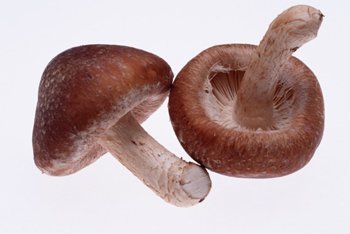
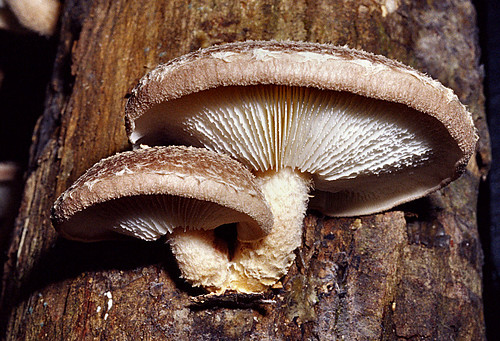
Shiitake mushrooms (Lentinus edodes)- Natural Antitumor Drug

“The cancer preventive effects of edible mushrooms.”  http://www.ncbi.nlm.nih.gov/pubmed/22583406

“Inhibition of growth and induction of apoptosis in human cancer cell lines by an ethyl acetate fraction from shiitake mushrooms. Shiitake (Lentinus edodes) mushrooms have been reported to have cancer-preventing properties…These data suggest that inhibition of growth in tumor cells by “mycochemicals” in shiitake mushrooms may result from induction of apoptosis.”  http://www.ncbi.nlm.nih.gov/pubmed/16566671

“Selective induction of apoptosis in murine skin carcinoma cells by an ethanol extract of Lentinula edodes.” http://www.ncbi.nlm.nih.gov/pubmed/15737684

“Antitumor effect of virus-like particles from Lentinus edodes (Shiitake) on Ehrlich ascites carcinoma in mice.”  http://www.ncbi.nlm.nih.gov/pubmed/7271461

“Inhibition of human colon carcinoma development by lentinan from shiitake mushrooms (Lentinus edodes). This study showed that the antitumor property of lentinan was maintained with oral administration.”  http://www.ncbi.nlm.nih.gov/pubmed/12470439

“The Use of Lentinan for Treating Gastric Cancer. Natural compounds containing fungal β-glucans have been used to improve general health for thousands of years…Lentinan…is one of the active ingredients purified from Shiitake mushrooms and has been approved as a biological response modifier for the treatment of gastric cancer in Japan.”  http://www.ncbi.nlm.nih.gov/pmc/articles/PMC3664515/

“[Anti tumor activities of lentinan and micellapist in tumor-bearing mice]… Lentinan (LNT) is sold as a medicine, and Micellapist (MME) sold as a food supplement, both LNT and MME are beta-glucans isolated from the Shiitake mushroom (Lentinula edodes)…tumor growth was significantly suppressed…”  http://www.ncbi.nlm.nih.gov/pubmed/17212088

“Lentinula edodes mycelia (L.E.M.) is a dried powder extracted from shiitake mushrooms (Lentinula edodes)… Direct cytotoxicity of Lentinula edodes mycelia extract on human hepatocellular carcinoma cell line…may have potential chemotherapeutic applications for the treatment of HCC.”  http://www.ncbi.nlm.nih.gov/pubmed/22791146

“Lentinus edodes: a macrofungus with pharmacological activities…Antibiotic, anti-carcinogenic and antiviral compounds have been isolated…”  http://www.ncbi.nlm.nih.gov/pubmed/20491636

“A novel polysaccharide from Lentinus edodes Mycelia exhibits potential antitumor activity…could be explored as a potential antitumor material…”  http://www.ncbi.nlm.nih.gov/pubmed/23955351

“Immunological study on the antitumor effects of fungus polysaccharides compounds.”  http://www.ncbi.nlm.nih.gov/pubmed/12725070

“Immunomodulation and anti-cancer activity of polysaccharide-protein complexes.”  http://www.ncbi.nlm.nih.gov/pubmed/10702635

“Effect of the culture extract of Lentinus edodes mycelia on splenic sympathetic activity and cancer cell proliferation…These findings suggest that L.E.M has an inhibitory effect on tumor proliferation…”  http://www.ncbi.nlm.nih.gov/pubmed/19059811

“Effects of lentinan alone and in combination with fluoropyrimidine anticancer agent on growth of human oral squamous cell carcinoma in vitro and in vivo. These findings demonstrate that the combination of Lentinan and S-1 is effective against OSCC and has the potential of being a new therapeutic tool for future treatment of these tumors.” http://www.ncbi.nlm.nih.gov/pubmed/20664931

“Efficacy of orally administered Lentinula edodes mycelia extract for advanced gastrointestinal cancer patients undergoing cancer chemotherapy: a pilot study.”  http://www.ncbi.nlm.nih.gov/pubmed/22126542

“An evidence-based review of a Lentinula edodes mushroom extract as complementary therapy in the surgical oncology patient.”  http://www.ncbi.nlm.nih.gov/pubmed/21628606

“Lentinan from shiitake mushroom (Lentinus edodes) suppresses expression of cytochrome P450 1A subfamily in the mouse liver.”  http://www.ncbi.nlm.nih.gov/pubmed/15630237

“In vitro cytostatic and immunomodulatory properties of the medicinal mushroom Lentinula edodes. Lentinula edodes, known as “shiitake” is one of the widely used medicinal mushrooms in the Orient. Antitumour activity of extracts of this mushroom has been widely demonstrated in animals and humans…  L. edodes aqueous extracts have demonstrated direct inhibition of the proliferation of human breast cancer cells in vitro and immunostimulatory properties…”  http://www.ncbi.nlm.nih.gov/pubmed/18242970

“Oral ingestion of Lentinula edodes mycelia extract inhibits B16 melanoma growth via mitigation of regulatory T cell-mediated immunosuppression.”  http://www.ncbi.nlm.nih.gov/pubmed/21261790

“Oral ingestion of Lentinula edodes mycelia extract can restore the antitumor T cell response of mice inoculated with colon-26 cells into the subserosal space of the cecum…oral ingestion of Lentinula edodes mycelia (L.E.M.) extract can inhibit the growth of a subcutaneously established melanoma…important implications for anticancer immunotherapy of human colon cancer.”  http://www.ncbi.nlm.nih.gov/pubmed/22086364

“Anticarcinogenic actions of water-soluble and alcohol-insoluble fractions from culture medium of Lentinus edodes mycelia.”  http://www.ncbi.nlm.nih.gov/pubmed/6891904

“Anticarcinogenic action of an alcohol-insoluble fraction (LAP1) from culture medium of Lentinus edodes mycelia.” http://www.ncbi.nlm.nih.gov/pubmed/4039972

“[Evaluation of quality of life and immune function in cancer patients receiving combined immunotherapy and oral administration of lentinula edodes mycelia extract]. In this study, we evaluated the quality of life (QOL) and immune function in cancer patients receiving a combination of immunotherapy and oral administration of Lentinula edodes mycelia extract (LEM)…Oral administration of LEM may improve QOL and immunity in patients receiving cancer immunotherapy.” http://www.ncbi.nlm.nih.gov/pubmed/23267884

“Fractionation and purification of the polysaccharides with marked antitumor activity, especially lentinan, fromLentinus edodes (Berk.) Sing. (an edible mushroom).”  http://www.ncbi.nlm.nih.gov/pubmed/5530561

“Purification, structural elucidation and antitumor activity of a novel mannogalactoglucan from the fruiting bodies of Lentinus edodes… should be explored as potential antitumor agents and could be potentially applied as a natural antitumor drug.” http://www.ncbi.nlm.nih.gov/pubmed/23262267

“Structure, chain conformation and antitumor activity of a novel polysaccharide from Lentinus edodes…could be potentially applied as a natural antitumor drug.”  http://www.ncbi.nlm.nih.gov/pubmed/20659533

The cancer preventive effects of edible mushrooms

“The cancer preventive effects of edible mushrooms…dietary components may exert cancer preventive effects.”  http://www.ncbi.nlm.nih.gov/pubmed/22583406

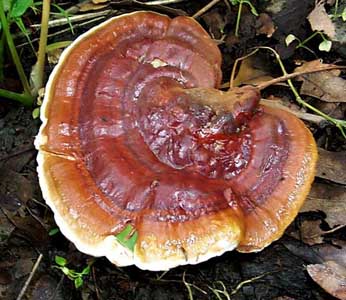
“Reishi (Ganoderma lucidum)”

“Anti-cancer properties of triterpenoids isolated from Ganoderma lucidum…”  http://www.ncbi.nlm.nih.gov/pubmed/23790022


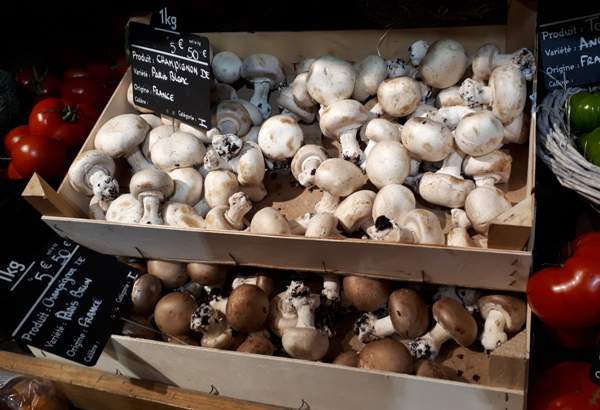
“Button mushrooms (Agaricus bisporus)” 

“Macrophage immunomodulating and antitumor activities of polysaccharides isolated from Agaricus bisporus… Mushroom polysaccharides are known for their immunomodulating and antitumor properties… antitumor effects of Agaricus polysaccharides.” http://www.ncbi.nlm.nih.gov/pubmed/22217303


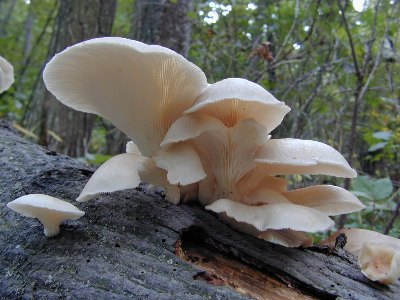
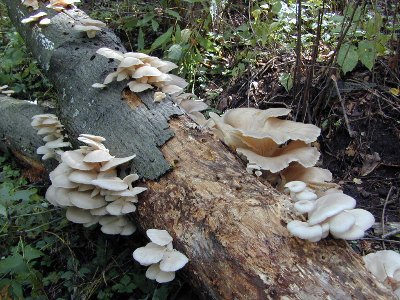
“A. blazei, oyster mushrooms (Pleurotus ostreatus),” 

“Anti-tumor and immunomodulating effects of Pleurotus ostreatus…could be used as immunomodulators and anti cancer agents.”  http://www.ncbi.nlm.nih.gov/pubmed/16782541


“Shiitake mushrooms (Lentinus edodes),” 

“A novel polysaccharide from Lentinus edodes Mycelia exhibits potential antitumor activity…could be explored as a potential antitumor material…”  http://www.ncbi.nlm.nih.gov/pubmed/23955351


“and maitake (Grifola frondosa)”

“Antitumor effects of a water-soluble extract from Maitake (Grifola frondosa) on human gastric cancer cell lines…potential antitumor effects on gastric cancer.”  http://www.ncbi.nlm.nih.gov/pubmed/19639212

“From time immemorial, mushrooms have been valued by humankind as a culinary wonder and folk medicine…The chief medicinal uses of mushrooms discovered so far are as anti-oxidant, anti-diabetic, hypocholesterolemic, anti-tumor, anti-cancer, immunomodulatory, anti-allergic, nephroprotective, and anti-microbial agents. The mounting evidences from various research groups across the globe, regarding anti-tumor application of mushroom extracts unarguably make it a fast-track research area worth mass attention.” http://www.ncbi.nlm.nih.gov/pmc/articles/PMC3339609/

“Compounds from wild mushrooms with antitumor potential.”  http://www.ncbi.nlm.nih.gov/pubmed/20545620


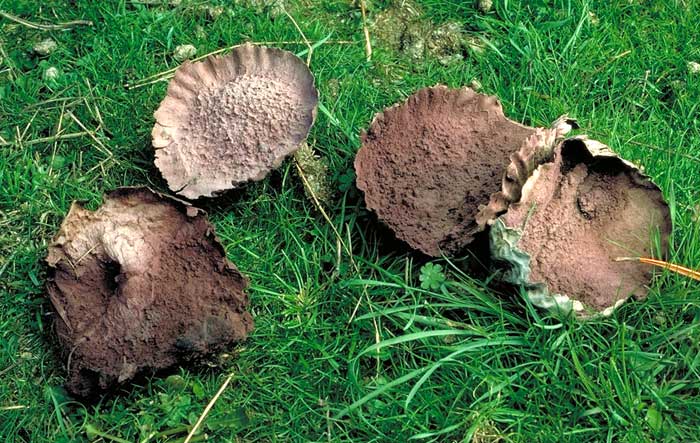
Anti-Cancer Effects of Calvatia lilacina, Pleurotus ostreatus and Volvariella volvacea

“Anti-Cancer Effects of Protein Extracts from Calvatia lilacina (CL), Pleurotus ostreatus (PO) and Volvariella volvacea (VV)… widely distributed worldwide and commonly eaten as mushrooms…the protein extracts of these mushrooms could be considered an important source of new anti-cancer drugs…”  http://www.ncbi.nlm.nih.gov/pmc/articles/PMC3139501/

“Calvatia lilacina (CL),” 

“Calvatia lilacina protein-extract induces apoptosis through glutathione depletion in human colorectal carcinoma cells. This paper reports that a novel protein extract isolated from Calvatia lilacina (CL) can induce cell death against four types of human colorectal cancer cells…we report here for the first time the anticancer effect of CL on human colorectal cancer cells…CL can thus provide the basis for the strategic design of a treatment of colorectal cancer.”  http://www.ncbi.nlm.nih.gov/pubmed/19182949


“Pleurotus ostreatus (PO),” 

“Pleurotus ostreatus inhibits proliferation of human breast and colon cancer cells…our results indicated that the edible oyster mushroom has potential therapeutic/preventive effects on breast and colon cancer.”  http://www.ncbi.nlm.nih.gov/pmc/articles/PMC2796484/


“and Volvariella volvacea (VV)”

“Isolation and characterization of a lectin from edible mushroom, Volvariella volvacea… The lectin has a moderate inhibitory effect on the growth of tumor cells.” http://www.ncbi.nlm.nih.gov/pubmed/6541650

“Structures and antitumor activities of polysaccharides isolated from mycelium of Volvariella volvacea.” http://www.ncbi.nlm.nih.gov/pubmed/1368842

“Medicinal mushrooms as a source of antitumor and immunomodulating polysaccharides. The number of mushrooms on Earth is estimated at 140,000, yet maybe only 10% (approximately 14,000 named species) are known. Mushrooms comprise a vast and yet largely untapped source of powerful new pharmaceutical products. In particular, and most importantly for modern medicine, they represent an unlimited source of polysaccharides with antitumor and immunostimulating properties.” http://www.ncbi.nlm.nih.gov/pubmed/12436306

“Antitumor activity of mushroom polysaccharides: a review.”  http://www.ncbi.nlm.nih.gov/pubmed/22865023

“The protein extracts of CL, PO and VV can be considered as a source of potential cancer therapeutic agents.” http://www.ncbi.nlm.nih.gov/pmc/articles/PMC3139501/

Anti-cancer effects of Pleurotus ostreatus

“Pleurotus ostreatus inhibits proliferation of human breast and colon cancer cells… our results indicated that the edible oyster mushroom has potential therapeutic/preventive effects on breast and colon cancer.”  http://www.ncbi.nlm.nih.gov/pmc/articles/PMC2796484/

“An aqueous polysaccharide extract from the edible mushroom Pleurotus ostreatus induces anti-proliferative and pro-apoptotic effects…Here, we describe a newly identified low-molecular-weight alpha-glucan with promising anti-tumorigenic properties, and demonstrate its direct effect on colon cancer cell proliferation via induction of programmed cell death.”  http://www.ncbi.nlm.nih.gov/pubmed/16413114

“Anti-tumor and immunomodulating effects of Pleurotus ostreatus mycelia-derived proteoglycans…proteoglycans derived from the mushroom (P. ostreatus) mycelia could be used as immunomodulators and anti cancer agents.” http://www.ncbi.nlm.nih.gov/pubmed/16782541

“Anti-inflammatory activity of edible oyster mushroom (Pleurotus ostreatus)… Mushrooms have been used, as a source of food and for their medicinal (generally anticancer) properties, since ancient times. A number of biologically active compounds, including polysaccharides, vitamins, terpenes, steroids, amino acids, and trace elements, have been identified in different mushroom species…In conclusion, the results of our study show that the edible oyster mushroom possesses anti-inflammatory activity. As such, the mushroom and its extract or concentrate, can be considered a functional food that has the potential to control inflammation.” http://www.ncbi.nlm.nih.gov/pmc/articles/PMC3120742/

“Anti-inflammatory plant natural products for cancer therapy.”http://www.ncbi.nlm.nih.gov/pubmed/20432202

“Cytotoxic effect of oyster mushroom Pleurotus ostreatus on human androgen-independent prostate cancer PC-3 cells. A water-soluble extract (POE) prepared from the fresh oyster mushroom Pleurotus ostreatus produced the most significant cytotoxicity on PC-3 cells among the mushroom species tested.”  http://www.ncbi.nlm.nih.gov/pubmed/16822205

“Effect of oyster mushroom (Pleurotus ostreatus) on pathological changes in dimethylhydrazine-induced rat coloncancer…a reduction in total number of tumours was observed in both groups of animals fed mushroom diet.”  http://www.ncbi.nlm.nih.gov/pubmed/9538185

“The role of apoptosis, proliferative cell nuclear antigen (PCNA) and p53 protein in the preventive effects of dietary fiber treated with the fungus Pleurotus ostreatus on rat-colon tumorigenesis was studied… corncob (treated with the fungus Pleurotus ostreatus) inhibits colon cancer development, and, therefore, may considered of potential use to the public.”  http://www.ncbi.nlm.nih.gov/pubmed/9216672

“Anti-Cancer Effects of Protein Extracts from… Pleurotus ostreatus…protein extracts of these mushrooms could be considered an important source of new anti-cancer drugs.” http://www.ncbi.nlm.nih.gov/pmc/articles/PMC3139501/

Anticancer effects of White button mushrooms (Agaricus bisporus)

“White button mushroom (Agaricus bisporus) exhibits antiproliferative and proapoptotic properties and inhibits prostate tumor growth… White button mushrooms are a widely consumed food containing phytochemicals beneficial to cancer prevention. The purpose of this research was to evaluate the effects of white button mushroom extract and its major component, conjugated linoleic acid (CLA) on prostate cancer cell lines in vitro and mushroom extract in vivo… The data provided by this study illustrate the anticancer potential of phytochemicals in mushroom extract both in vitro and in vivo and supports the recommendation of white button mushroom as a dietary component that may aid in the prevention of prostate cancer in men.” http://www.ncbi.nlm.nih.gov/pubmed/19005974

“Anti-Aromatase Activity of Phytochemicals in White Button Mushrooms (Agaricus bisporus). White button mushrooms (Agaricus bisporous) are a potential breast cancer chemopreventive agent, as they suppress aromatase activity and estrogen biosynthesis. Therefore, we evaluated the activity of mushroom extracts in the estrogen receptor–positive/aromatase-positive MCF-7aro cell line in vitro and in vivo… our studies illustrate the anticancer activity in vitro and in vivo of mushroom extract and its major fatty acid constituents.” http://cancerres.aacrjournals.org/content/66/24/12026.long

“White Button Mushroom Phytochemicals Inhibit Aromatase Activity and Breast Cancer Cell Proliferation…Because natural compounds such as flavones and isoflavones have been shown to be inhibitors of aromatase, it is thought that vegetables that contain these phytochemicals can inhibit aromatase activity and suppress breast cancer cell proliferation…The white button mushroom (species Agaricus bisporus) suppressed aromatase activity dose dependently…Phytochemicals in the mushroom aqueous extract inhibited aromatase activity and proliferation of MCF-7aro cells. These results suggest that diets high in mushrooms may modulate the aromatase activity and function in chemoprevention in postmenopausal women by reducing the in situ production of estrogen.” http://jn.nutrition.org/content/131/12/3288.long

“Macrophage immunomodulating and antitumor activities of polysaccharides isolated from Agaricus bisporuswhite button mushrooms.Agaricus bisporus white button mushroom (WBM)… its dietary intake has been shown to protect against breast cancer. Mushroom polysaccharides are known for their immunomodulating and antitumor properties…our data provide a molecular basis to explain in part the reported beneficial therapeutic effects of A. bisporus WBM intake and suggest that macrophages likely contribute to the antitumor effects of Agaricus polysaccharides.” http://www.ncbi.nlm.nih.gov/pubmed/22217303

“Synthesis, biological evaluation and molecular docking of aryl hydrazines and hydrazides for anticancer activity…isolated as a breakdown product of a secondary metabolite from the mushroom, Agaricus bisporus…The synthesized analogues were tested for anticancer activity… significant in vitro anticancer activity.” http://www.ncbi.nlm.nih.gov/pubmed/21046979

“Carcinogenicity examination of Agaricus bisporus, edible mushroom, in rats. Carcinogenicity of Agaricus bisporus, the edible mushroom, was studied in rats… No carcinogenic activity of A. bisporus was observed in this experiment.” http://www.ncbi.nlm.nih.gov/pubmed/2049788

“Reversible inhibition of proliferation of epithelial cell lines by Agaricus bisporus (edible mushroom) lectin…the edible mushroom Agaricus bisporus lectin (ABL)…A. bisporus lectin is a reversible noncytotoxic inhibitor of epithelial cell proliferation which deserves study as a potential agent for cancer therapy.” http://www.ncbi.nlm.nih.gov/pubmed/8402638

“Uses of plant lectins in bioscience and biomedicine.”  http://www.ncbi.nlm.nih.gov/pubmed/17981618

“The Antineoplastic Lectin of the Common Edible Mushroom (Agaricus bisporus) Has Two Binding Sites, Each Specific for a Different Configuration at a Single Epimeric Hydroxyl. The lectin from the common mushroom Agaricus bisporus, the most popular edible species in Western countries, has potent antiproliferative effects on human epithelial cancer cells, without any apparent cytotoxicity.” http://www.jbc.org/content/280/11/10614.long

“Lectin from Agaricus bisporus… Mushrooms have long been consumed not only for their dietary value, but also popularly as supplements for their medicinal properties. In recent years, attention has been focused on using mushrooms as antitumor agents and immunoregulators. Agaricus bisporus, commonly known as button mushroom or table mushroom, is the most widely consumed cultivated mushroom worldwide. Besides containing high amount of vitamins, extracts from the mushroom were found to exhibit chemopreventive, antiproliferative, and anti-inflammatory properties…Lectin from the edible mushroom Agaricus bisporus (ABL) was found to inhibit cell proliferation of some ocular and cancer cell lines.” http://www.iovs.org/content/53/12/7469.long

“Mushroom intake and risk of epithelial ovarian cancer in southern Chinese women…Intake of mushrooms, particularly white button mushroom, seemed to be inversely associated with the incidence of epithelial ovarian cancer in southern Chinese women.” http://www.ncbi.nlm.nih.gov/pubmed/24257554

“Edible Mushroom (Agaricus bisporus) Lectin, Which Reversibly Inhibits Epithelial Cell Proliferation, Blocks Nuclear Localization Sequence-dependent Nuclear Protein Import. The Galβ1–3GalNAcα (TF antigen)-binding lectin (ABL) from the common edible mushroom (Agaricus bisporus) has a potent anti-proliferative effect without any apparent cytotoxicity.” http://www.jbc.org/content/274/8/4890.long

Anticancer and immunomodulating effects of Hericium erinaceus (Lion’s Mane) Yamabushitake mushrooms

“Hericium erinaceus (Lion’s Mane) mushroom extracts inhibit metastasis of cancer… edible mushrooms have the potential to serve as a health-promoting functional food.” http://www.ncbi.nlm.nih.gov/pubmed/23668749

“Antimetastatic and immunomodulating effect of water extracts from various mushrooms.” http://www.ncbi.nlm.nih.gov/pubmed/20633495

“[Immunological study on the antitumor effects of fungus polysaccharides compounds]” http://www.ncbi.nlm.nih.gov/pubmed/12725070

“Antitumor and immunoenhancing activities of polysaccharide from culture broth of Hericium spp. The fruiting body and culture broth of many edible mushrooms contain water-soluble polysaccharides. Numerous researchers have reported that these polysaccharides have immunoenhancing effects. In this study,” http://www.ncbi.nlm.nih.gov/pubmed/11842649

“It has been demonstrated that the Hericium erinaceus (HE) mushroom, which primarily consists of polysaccharides, possesses anti-tumor activities…These findings suggest that HE… serves as an effective tool for treating drug-resistant human hepatocellular carcinoma.” http://www.ncbi.nlm.nih.gov/pubmed/20554107

“Mechanism of Hericium erinaceus (Yamabushitake) mushroom-induced apoptosis of U937 human monocytic leukemia cells. Phytochemicals in some foods are a potential source of bioactive safe compounds for cancer chemoprevention and suppression of tumor initiation, promotion, and metastasis… we evaluated… Hericium erinaceus (Yamabushitake, Lion’s Mane) mushrooms for their ability to induce apoptosis (programmed cell death) in human leukemia cells…The results indicate that H. erinaceus mushrooms may have therapeutic potential against human leukemia.”  http://www.ncbi.nlm.nih.gov/pubmed/21779573

“Composition and mechanism of antitumor effects of Hericium erinaceus mushroom extracts in tumor-bearing mice.”  http://www.ncbi.nlm.nih.gov/pubmed/21846141

“Potential activity of aqueous extract of culinary-medicinal Lion’s Mane mushroom, Hericium erinaceus (Bull.: Fr.) Pers. (Aphyllophoromycetideae) in accelerating wound healing…” http://www.ncbi.nlm.nih.gov/pubmed/22135902

“Neuroregenerative potential of lion’s mane mushroom, Hericium erinaceus…”  http://www.ncbi.nlm.nih.gov/pubmed/23510212

“Hericium erinaceus: an edible mushroom with medicinal values…anti-cancer, immuno-modulating, hypolipidemic, antioxidant and neuro-protective activities of this mushroom. H. erinaceus has also been reported to have anti-microbial, anti-hypertensive, anti-diabetic, wound healing properties among other therapeutic potentials.” http://www.ncbi.nlm.nih.gov/pubmed/23735479

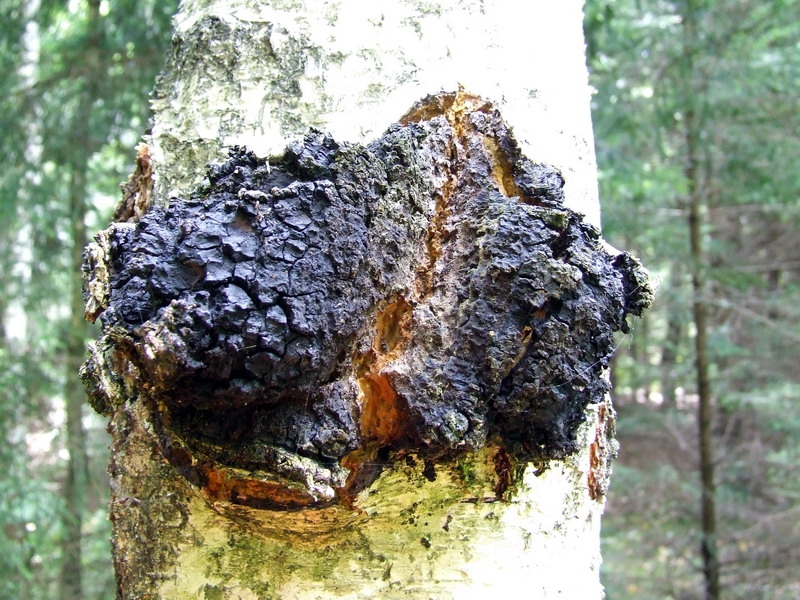
Anticancer activity of Chaga mushroom (Inonotus obliquus)

“Most chemotherapeutic agents for the treatment of cancer can destroy tumors and arrest cancer progress but cancer treatment may damage healthy cells and tissues. Thus, new anticancer drugs from natural products are expected to play an important role in the development of more effective and safer agents to inhibit the onset of cancer… Anticancer activity of subfractions containing pure compounds of Chaga mushroom (Inonotus obliquus) extract in human cancer cells..In conclusion, the three subfractions (3β-hydroxy-lanosta-8,24-dien-21-al, inotodiol, and lanosterol) inhibited in vitro proliferation of various human cancer cell lines… 3β-hydroxy-lanosta-8,24-dien-21-al, inotodiol, and lanosterol may therefore be interesting compounds for the development of novel anticancer drugs and functional anticancer food.” http://www.ncbi.nlm.nih.gov/pmc/articles/PMC2895696/

“Anti-cancer effect and structural characterization of endo-polysaccharide from cultivated mycelia of Inonotus obliquus.”  http://www.ncbi.nlm.nih.gov/pubmed/16458328

“Anticancer effects of fraction isolated from fruiting bodies of Chaga medicinal mushroom, Inonotus obliquus (Pers.:Fr.) Pilát (Aphyllophoromycetideae): in vitro studies.” http://www.ncbi.nlm.nih.gov/pubmed/22135889

“Antitumor and immunomodulatory activity of water-soluble polysaccharide from Inonotus obliquus.” http://www.ncbi.nlm.nih.gov/pubmed/22840014

“Identification of Inonotus obliquus and analysis of antioxidation and antitumor activities of polysaccharides.” http://www.ncbi.nlm.nih.gov/pubmed/18795365

“Antitumor activity of water extract of a mushroom, Inonotus obliquus…”  http://www.ncbi.nlm.nih.gov/pubmed/19367670

“Progress on understanding the anticancer mechanisms of medicinal mushroom: inonotus obliquus. Cancer is a leading cause of death worldwide. Recently, the demand for more effective and safer therapeutic agents for the chemoprevention of human cancer has increased. As a white rot fungus, Inonotus obliquus is valued as an edible and medicinal resource. Chemical investigations have shown that I. obliquus produces a diverse range of secondary metabolites, including phenolic compounds, melanins, and lanostane-type triterpenoids. Among these are active components for antioxidant, antitumoral, and antiviral activities and for improving human immunity against infection of pathogenic microbes…polysaccharides from I. obliquus can indirectly be involved in anticancer processes mainly via stimulating the immune system. Furthermore, the antioxidative ability of I. obliquus extracts can prevent generation of cancer cells… mechanisms underlying the anticancer influence of I. obliquus…”  http://www.ncbi.nlm.nih.gov/pubmed/23679238

“In vitro antitumor activity and structure characterization of ethanol extracts from wild and cultivated Chaga medicinal mushroom, Inonotus obliquus (Pers.:Fr.) Pilát (Aphyllophoromycetideae).” http://www.ncbi.nlm.nih.gov/pubmed/22135888

“Potential anticancer properties of the water extract of Inonotus obliquus by induction of apoptosis in melanoma cells…This study showed that the water extract of Inonotus obliquus mushroom exhibited a potential anticancer activity against melanoma cells in vitro and in vivo through the inhibition of proliferation and induction of differentiation and apoptosis of cancer cells…”  http://www.ncbi.nlm.nih.gov/pubmed/19041933

“Comparative study of antioxidant activity and antiproliferative effect of hot water and ethanol extracts from the mushroom Inonotus obliquus.” http://www.ncbi.nlm.nih.gov/pubmed/19147108

“Anti-inflammatory and anticancer activities of extracts and compounds from the mushroom Inonotus obliquus.” http://www.ncbi.nlm.nih.gov/pubmed/23561137

“Chaga mushroom (Inonotus obliquus)…Chaga mushroom may provide a new therapeutic option, as a potential anticancer agent…”  http://www.ncbi.nlm.nih.gov/pmc/articles/PMC2681140/

Anticancer Activity of Mushrooms

An external file that holds a picture, illustration, etc.<br /><br /><br /><br /><br /><br /><br /><br /><br /><br /><br /><br /><br /><br /><br /><br /><br /><br /><br />
Object name is pone.0066504.g001.jpg

“Medicinal mushrooms and cancer therapy: translating a traditional practice into Western medicine… novel anticancer agents are being sought from traditional medicine… Purified bioactive compounds derived from medicinal mushrooms are a potentially important new source of anticancer agents.”  http://www.ncbi.nlm.nih.gov/pubmed/16702701

“New scientific approaches to cancer treatment: can medicinal mushrooms defeat the curse of the century? Unfortunately, our age, heredity, lifestyle, race, and ethnicity are directly connected to the development of carcinogenesis… It is already well established that medicinal mushrooms represent a potential source for biologically active compounds with immunomodulating, free radical scavenging, anti-inflammatory, antibacterial, antifungal, antiviral, hepatoprotective, antidiabetic, and anticancer activities… low-molecular weight mushroom substances… representing a new scientific approach to cancer treatment and prevention.”  http://www.ncbi.nlm.nih.gov/pubmed/22339703

“Medicinal mushroom modulators of molecular targets as cancer therapeutics..high-molecular-weight polysaccharides or polysaccharide-protein complexes from mushrooms appear to enhance innate and cell-mediated immune responses, exhibit antitumor activities in animals and humans, and demonstrate anticancer properties”  http://www.ncbi.nlm.nih.gov/pubmed/15726350

“Antitumor activity of mushroom polysaccharides: a review” http://www.ncbi.nlm.nih.gov/pubmed/22865023

“Bioactive polysaccharides from traditional Chinese medicine herbs as anticancer adjuvants.” http://www.ncbi.nlm.nih.gov/pubmed/12470436

“Immunomodulatory and anti-tumour polysaccharides from medicinal plants.”  http://www.ncbi.nlm.nih.gov/pubmed/7895893

“Medicinal mushrooms as a source of antitumor and immunomodulating polysaccharides. The number of mushrooms on Earth is estimated at 140,000, yet maybe only 10% (approximately 14,000 named species) are known. Mushrooms comprise a vast and yet largely untapped source of powerful new pharmaceutical products. In particular, and most importantly for modern medicine, they represent an unlimited source of polysaccharides with antitumor and immunostimulating properties.” http://www.ncbi.nlm.nih.gov/pubmed/12436306

“Recent developments in mushrooms as anti-cancer therapeutics: a review. From time immemorial, mushrooms have been valued by humankind as a culinary wonder and folk medicine in Oriental practice…The chief medicinal uses of mushrooms discovered so far are as anti-oxidant, anti-diabetic, hypocholesterolemic, anti-tumor, anti-cancer, immunomodulatory, anti-allergic, nephroprotective, and anti-microbial agents.The mounting evidences from various research groups across the globe, regarding anti-tumor application of mushroom extracts unarguably make it a fast-track research area worth mass attention.” http://www.ncbi.nlm.nih.gov/pmc/articles/PMC3339609/

“Biotechnological cultivation of edible macrofungi: an alternative for obtaining nutraceutics” http://www.ncbi.nlm.nih.gov/pubmed/22449697

“Therapeutic potential of various beta-glucan sources in conjunction with anti-tumor monoclonal antibody in cancer therapy.”  http://www.ncbi.nlm.nih.gov/pubmed/19106638

“Commonly consumed and specialty dietary mushrooms reduce cellular proliferation in human breastcancer cells…both common and specialty mushrooms may be chemoprotective against breast cancer.”  http://www.ncbi.nlm.nih.gov/pubmed/20921274

“Enhanced antiproliferative effects of aqueous extracts of some medicinal mushrooms on colon cancer cells. Auricularia polytricha, Macrolepiota procera, and Pleurotus ostreatus…the aqueous extracts of all 3 species of mushrooms have a remarkable irreversible antiproliferative effect on cancer cell lines… treatment with the extracts validated the anticancerous property of these mushroom species.”  http://www.ncbi.nlm.nih.gov/pubmed/23662617

“Effect of various natural products on growth of bladder cancer cells: two promising mushroom extracts… GD- and PL-fractions…It is thus plausible that these substances could be used, solely or combined with conventional modalities, for the treatment of superficial bladder cancer.”  http://www.ncbi.nlm.nih.gov/pubmed/17397268


“Anticancer Activity of Amauroderma rude… medicinal mushrooms have been widely used as a miraculous herb for health promotion, especially by cancer patients… we found that the extract of Amauroderma rude exerted the highest activity in killing most of these cancer cell lines…Taken together, Amauroderma rude represented a powerful medicinal mushroom with anti-cancer activities.” http://www.ncbi.nlm.nih.gov/pmc/articles/PMC3688780/


“Medicinal mushroom Phellinus linteus as an alternative cancer therapy.”  http://www.ncbi.nlm.nih.gov/pmc/articles/PMC3445909/

“Phellinus linteus activates different pathways to induce apoptosis in prostate cancer cells…polysaccharides extracted from the Phellinus linteus (PL) mushroom possess antitumour activity.” http://www.ncbi.nlm.nih.gov/pmc/articles/PMC2360058/

“Dramatic remission of hormone refractory prostate cancer achieved with extract of the mushroom, Phellinus linteus.” http://www.ncbi.nlm.nih.gov/pubmed/15331908

“Protein-bound polysaccharide from Phellinus linteus inhibits tumor growth, invasion, and angiogenesis in human colon cancer cells. Polysaccharides extracted from the Phellinus linteus (PL) mushroom are known to possess anti-tumor effects…These data suggest that PL suppresses tumor growth, invasion, and angiogenesis through the inhibition of Wnt/β-catenin signaling in certain colon cancer cells.” http://www.ncbi.nlm.nih.gov/pmc/articles/PMC3154178/

“Phellinus linteus suppresses growth, angiogenesis and invasive behaviour of breast cancer cells…our study suggests potential therapeutic effect of PL against invasive breast cancer.” http://www.ncbi.nlm.nih.gov/pmc/articles/PMC2361714/

“Mycelial Extract of Phellinus linteus Induces Cell Death in Lung Cancer Cells…  may be a potential therapeutic agent for the control of human lung carcinoma cells.”  http://www.ncbi.nlm.nih.gov/pmc/articles/PMC3769563/


“Constituents isolated from Cordyceps militaris suppress enhanced inflammatory mediator’s production and human cancer cell proliferation. The present study provides scientific supporting information for the ethnopharmacological use of Cordyceps militaris as an anti-inflammatory and anticancer agent.”  http://www.ncbi.nlm.nih.gov/pubmed/20633630

“Antifungal and Anticancer Activities of a Protein from the Mushroom Cordyceps militaris… These results indicate that C. militaris represents a source of a novel protein that might be applied in diverse biological and medicinal applications…mushroom C. militaris could be used as a nutraceutical for cancer patients, and also as a fungicide or for meat tenderizer.” http://www.ncbi.nlm.nih.gov/pmc/articles/PMC2766723/

“Cordycepin-enriched Cordyceps militaris induces immunomodulation and tumor growth delay in mouse-derived breast cancer. Cordyceps militaris (C. militaris) and its main functional component, cordycepin, has been shown to possess a number of pharmacological activities including immunological stimulation and antitumor effects. ” http://www.ncbi.nlm.nih.gov/pubmed/23921598

“Induction of apoptosis by aqueous extract of Cordyceps militaris…Cordyceps militaris is well known as a traditional medicinal mushroom and has been shown to exhibit immunostimulatory and anticancer activities.”  http://www.ncbi.nlm.nih.gov/pubmed/19131705


“Anticancer, antioxidant and antibiotic activities of mushroom Ramaria flava… These results suggest that R. flava could hold a good potential source for human health.” http://www.ncbi.nlm.nih.gov/pubmed/23684998


A comparison of cannabidiolic acid with other treatments for anticipatory nausea using a rat model of contextually elicited conditioned gaping

“The effectiveness of cannabidiolic acid (CBDA) was compared with other potential treatments for anticipatory nausea (AN), using a rat model of contextually elicited conditioned gaping reactions…

Conclusions

CBDA has therapeutic potential as a highly potent and selective treatment for AN without psychoactive or locomotor effects.”

http://link.springer.com/article/10.1007/s00213-014-3498-1