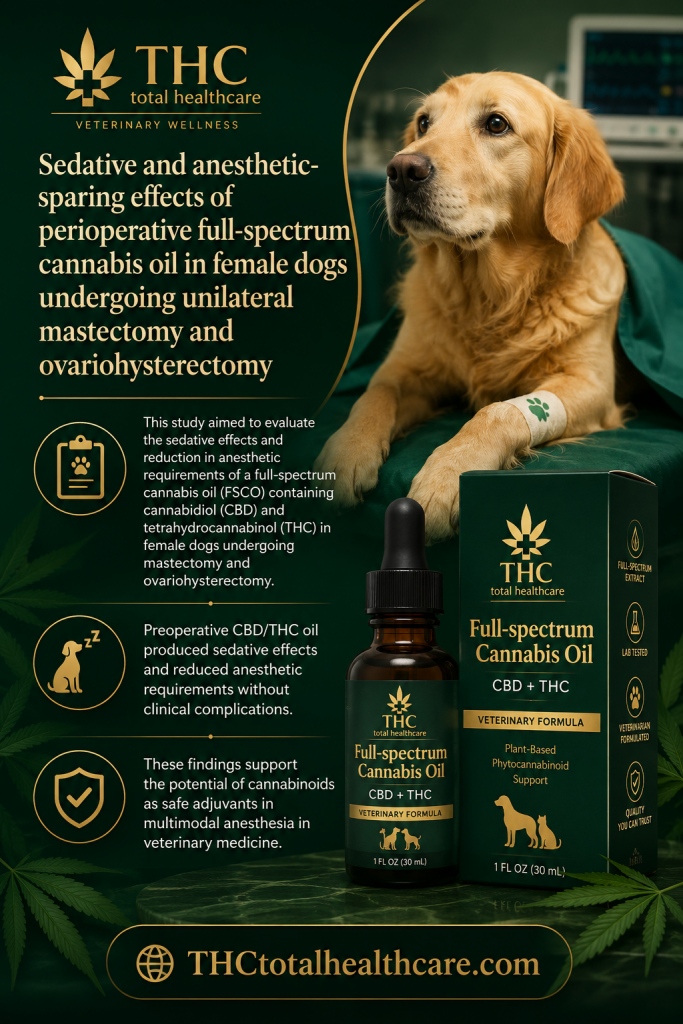
Sedative and anesthetic-sparing effects of perioperative full-spectrum cannabis oil in female dogs undergoing unilateral mastectomy and ovariohysterectomy

Cannabis-based products are increasingly being studied for their potential to reduce the amount of sedative and anesthetic medication needed during surgery. In this veterinary study, female dogs undergoing mastectomy and ovariohysterectomy received full-spectrum cannabis oil as part of their perioperative care. The researchers found evidence of sedative and anesthetic-sparing effects, suggesting that cannabis oil may influence how much conventional anesthesia is required while also contributing to perioperative pain management. The findings are preliminary and specific to a veterinary surgical setting, but they add to emerging research on cannabinoids as adjuncts to anesthesia and postoperative care.

“The anesthetic management of female dogs with mammary neoplasia, usually classified as ASA II and undergoing invasive procedures such as mastectomy and ovariohysterectomy, requires effective sedation and anesthetic stability due to the increased anesthetic risk associated with advanced age and underlying disease.

In this context, this study aimed to evaluate the sedative effects and reduction in anesthetic requirements of a full-spectrum cannabis oil (FSCO) containing cannabidiol (CBD) and tetrahydrocannabinol (THC) in female dogs undergoing mastectomy and ovariohysterectomy.

Twenty dogs were randomly assigned to two groups: group A (n = 10), treated with FSCO (0.02 mL/kg PO; 0.2 mg/kg CBD and 0.12 mg/kg THC) twice daily for seven days, plus 0.2 mL/kg (2 mg/kg CBD; 1.2 mg/kg THC) one hour before premedication; and group B (n = 10), treated with placebo. Groups A and B had similar ages (9.6; 10.2 years) and weights (7.4; 6.8 kg). Anesthesia was induced with propofol and maintained with sevoflurane. Outcomes included sedation scores, anesthetic requirements, rescue analgesia, responses to instrumentation, and adverse effects. The treated group required less propofol (2.33 vs. 5.98 mg/kg; p = 0.001) and lower sevoflurane concentrations from T0 to T4 (p < 0.05). Sedation scores were higher at 40 and 60 min (median of 4 vs. 0, and 6.5 vs. 0.5; p = 0.015 and p = 0.002, respectively). Fewer treated dogs required rescue analgesia (3/10 vs. 6/10; p = 0.178). No differences were observed in catheterization, intubation, or adverse effects.

Preoperative CBD/THC oil produced sedative effects and reduced anesthetic requirements without clinical complications.

These findings support the potential of cannabinoids as safe adjuvants in multimodal anesthesia in veterinary medicine.”

https://pubmed.ncbi.nlm.nih.gov/42348039

“The findings of this study indicate that preoperative administration of full-spectrum Cannabis sativa oil containing CBD and THC exerts significant sedative and anesthetic-sparing effects in female dogs with mammary neoplasia undergoing mastectomy and ovariohysterectomy.

The use of this phytocannabinoid extract significantly reduced the required doses of both propofol for induction and sevoflurane for maintenance, supporting its potential as an adjuvant in multimodal anesthetic protocols. Furthermore, the therapy was not associated with clinical adverse effects or compromised anesthetic safety, suggesting a favorable safety profile for perioperative use in oncological patients.”

https://link.springer.com/article/10.1007/s11259-026-11367-1
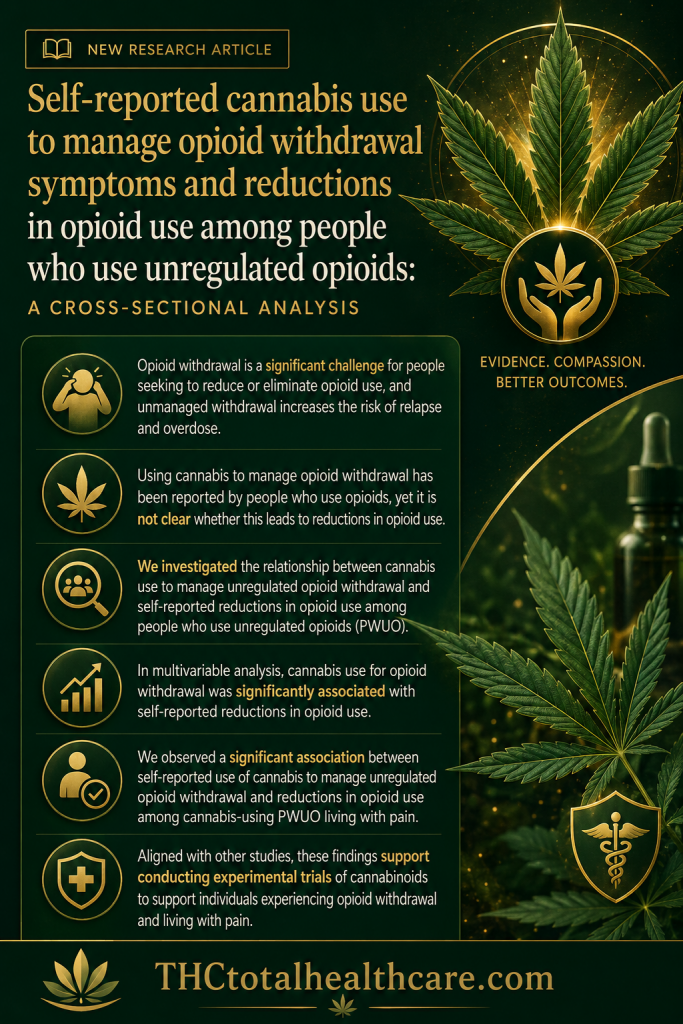
Self-reported cannabis use to manage opioid withdrawal symptoms and reductions in opioid use among people who use unregulated opioids: a cross-sectional analysis

As the opioid crisis continues, researchers are examining whether cannabis may play a role in reducing withdrawal symptoms or helping some people decrease opioid use. In this cross-sectional study of people using unregulated opioids, many participants reported using cannabis specifically to manage withdrawal-related symptoms, and some also reported reductions in opioid consumption. The findings add real-world evidence that people are already using cannabis as a self-directed strategy during opioid withdrawal. The study supports further research into whether cannabinoid-based approaches could have a formal role in harm reduction or opioid-use treatment.

“Background: Opioid withdrawal is a significant challenge for people seeking to reduce or eliminate opioid use, and unmanaged withdrawal increases the risk of relapse and overdose. Using cannabis to manage opioid withdrawal has been reported by people who use opioids, yet it is not clear whether this leads to reductions in opioid use. Moreover, because pain is prevalent among people who use unregulated opioids (PWUO) and may contribute to ongoing opioid use, the effects of cannabis use to manage withdrawal symptoms may differ among individuals experiencing moderate to severe pain. We investigated the relationship between cannabis use to manage unregulated opioid withdrawal and self-reported reductions in opioid use among PWUO.

Methods: Data were derived from a cross-sectional questionnaire administered to cannabis-using PWUO in Vancouver, Canada, between December 2019 and November 2021. Multivariable logistic regression estimated the associations between cannabis use for opioid withdrawal and self-reported reductions in opioid use. A sub-analysis explored if these associations varied among participants living with and without moderate to severe pain.

Results: Among 197 participants, 89 (45.2%) reported cannabis use to manage symptoms of opioid withdrawal in the past six months. In multivariable analysis, cannabis use for opioid withdrawal was significantly associated with self-reported reductions in opioid use (adjusted Odds Ratio [AOR] = 2.16, 95% Confidence Interval [CI]: 1.13-4.19) in the same time period. In a sub-analysis, this association was only significant among participants with moderate to severe pain (AOR = 6.55; 95% CI: 2.44-19.63).

Conclusions: We observed a significant association between self-reported use of cannabis to manage unregulated opioid withdrawal and reductions in opioid use among cannabis-using PWUO living with pain. Aligned with other studies, these findings support conducting experimental trials of cannabinoids to support individuals experiencing opioid withdrawal and living with pain.”

https://pubmed.ncbi.nlm.nih.gov/42343486

https://link.springer.com/article/10.1186/s42238-026-00458-0

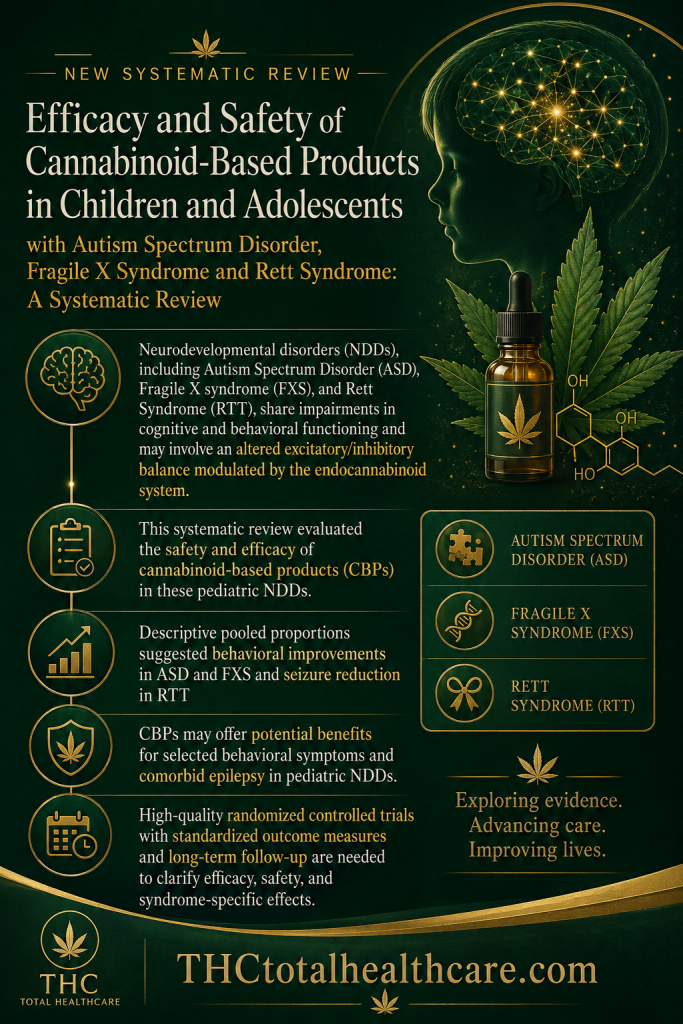
Efficacy and Safety of Cannabinoid-Based Products in Children and Adolescents with Autism Spectrum Disorder, Fragile X Syndrome and Rett Syndrome: A Systematic Review

Cannabinoid-based treatments are increasingly being studied in pediatric neurodevelopmental conditions, particularly when behavioral symptoms, sleep problems, anxiety, or irritability remain difficult to manage. This systematic review evaluated the available evidence in children and adolescents with autism spectrum disorder, Fragile X syndrome, and Rett syndrome. Across the studies reviewed, cannabinoid-based products showed signals of benefit in several symptom domains, while safety findings were generally manageable but varied by formulation and study design. The review highlights the growing clinical interest in cannabinoids for complex neurodevelopmental disorders while emphasizing the need for larger, well-controlled trials to determine which patients, formulations, and doses are most likely to benefit.

“Introduction: Neurodevelopmental disorders (NDDs), including Autism Spectrum Disorder (ASD), Fragile X syndrome (FXS), and Rett Syndrome (RTT), share impairments in cognitive and behavioral functioning and may involve an altered excitatory/inhibitory balance modulated by the endocannabinoid system. This systematic review evaluated the safety and efficacy of cannabinoid-based products (CBPs) in these pediatric NDDs.

Methods: We conducted a systematic review according to Preferred Reporting Items of Systematic Reviews and Meta-Analyses (PRISMA) 2020, including randomized and nonrandomized studies of patients under 18 years treated with cannabidiol (CBD), cannabidivarin (CBDV), tetrahydrocannabinol (THC), or their combinations. Outcomes were adverse events (AEs) and treatment discontinuation, seizure reduction, and behavioral and cognitive changes. Study quality and certainty of evidence were assessed using design-specific risk-of-bias tools and the GRADE approach.

Results: Seventeen studies (two randomized controlled trials, observational studies, and case series) met the inclusion criteria. Across diagnoses, CBPs were generally associated with mild-to-moderate AEs and low discontinuation rates. Descriptive pooled proportions suggested behavioral improvements in ASD and FXS and seizure reduction in RTT, with exploratory analyses indicating differential effects of CBD versus CBD + THC on behavioral and cognitive outcomes in ASD.

Conclusion: CBPs may offer potential benefits for selected behavioral symptoms and comorbid epilepsy in pediatric NDDs, but current evidence is insufficient to support routine clinical use. High-quality randomized controlled trials with standardized outcome measures and long-term follow-up are needed to clarify efficacy, safety, and syndrome-specific effects.”

https://pubmed.ncbi.nlm.nih.gov/42339654

https://journals.sagepub.com/doi/10.1177/10445463261462382

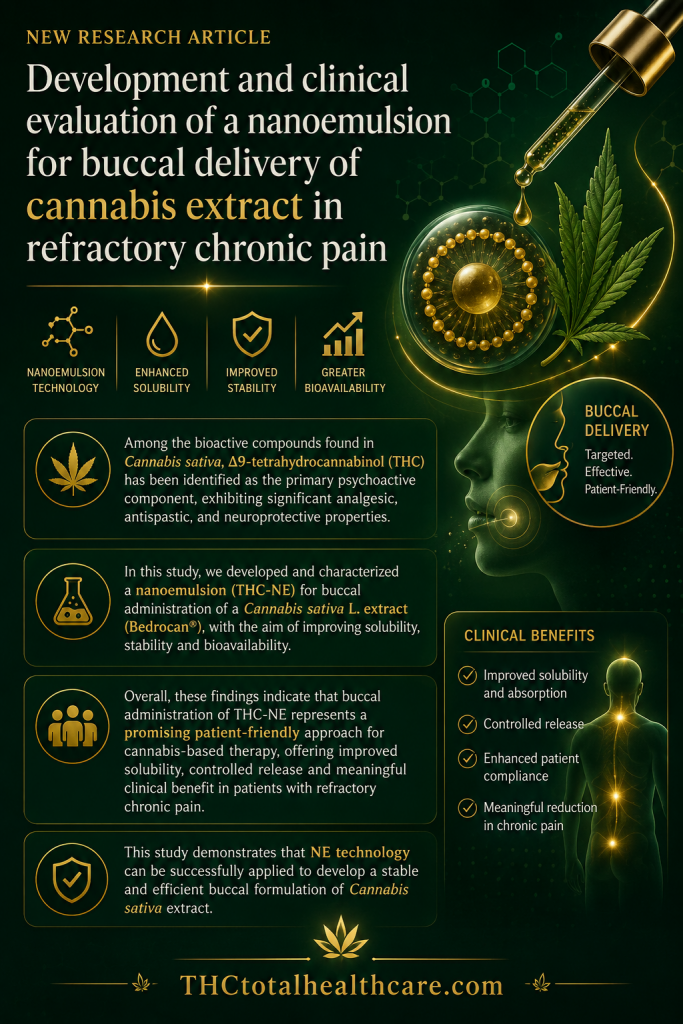
Development and clinical evaluation of a nanoemulsion for buccal delivery of cannabis extract in refractory chronic pain

For patients with refractory chronic pain, one challenge with cannabis-based treatment is achieving reliable absorption while avoiding the variability associated with oral or inhaled products. In this study, researchers developed a nanoemulsion designed for buccal delivery of cannabis extract and evaluated it clinically in patients with difficult-to-treat chronic pain. The formulation was intended to improve cannabinoid absorption through the lining of the mouth, and the clinical findings showed meaningful improvements in pain-related outcomes with acceptable tolerability. The results suggest that nanoemulsion-based buccal delivery may offer a more controlled and practical way to administer cannabis extracts for chronic pain.

“Cannabinoid-based therapies have gained increasing attention for the management of chronic and treatment-resistant pain, although their clinical application is limited by the poor aqueous solubility and variable bioavailability of Δ9-tetrahydrocannabinol (THC).

In this study, we developed and characterized a nanoemulsion (THC-NE) for buccal administration of a Cannabis sativa L. extract (Bedrocan®), with the aim of improving solubility, stability and bioavailability.

The optimized formulation, composed of pharmaceutically acceptable excipients, showed a narrow droplet size distribution (DH ≈ 73 nm, PDI ≈ 0.2), a THC content consistent with the theoretical value (3.53 ± 0.56 mg/mL), and good physicochemical stability at 4°C for at least 90 days. The formulation maintained its properties upon extensive dilution in simulated buccal fluids and after spray nebulization, supporting its suitability for oromucosal delivery. In vitro release studies confirmed sustained THC release from THC-NE, whereas negligible release was observed from the oil extract, highlighting the role of nanoformulation in enhancing solubilization and controlled release.

An observational study was conducted in 18 patients with chronic pain unresponsive to standard treatments. After a median follow-up of 189 days, mean pain scores (NRS) decreased significantly from 8.6 ± 0.9 to 5.4 ± 2.8 (p < 0.001), with 83% of patients achieving a ≥ 20% reduction. Among responders, the mean NRS decreased by 45% and treatment persistence was found to be high, with 64% of patients still remaining under therapy after six months. A total of 17 adverse events were reported in 11 patients, most of which were mild to moderate and transient. Additionally, treatment interruption occurred in three patients due to adverse events, in other three owing to limited efficacy and in two for logistical reasons.

Overall, these findings indicate that buccal administration of THC-NE represents a promising patient-friendly approach for cannabis-based therapy, offering improved solubility, controlled release and meaningful clinical benefit in patients with refractory chronic pain.”

https://pubmed.ncbi.nlm.nih.gov/42336000

“Among the bioactive compounds found in Cannabis sativa, Δ9-tetrahydrocannabinol (THC) has been identified as the primary psychoactive component, exhibiting significant analgesic, antispastic, and neuroprotective properties. “

“This study demonstrates that NE technology can be successfully applied to develop a stable and efficient buccal formulation of Cannabis sativa extract. The optimized THC-NE proved to be physicochemically stable, robust under dilution, and suitable for administration via standard spray devices, while ensuring enhanced release of THC compared to the oily extract.”

https://www.sciencedirect.com/science/article/pii/S0939641126001839?via%3Dihub

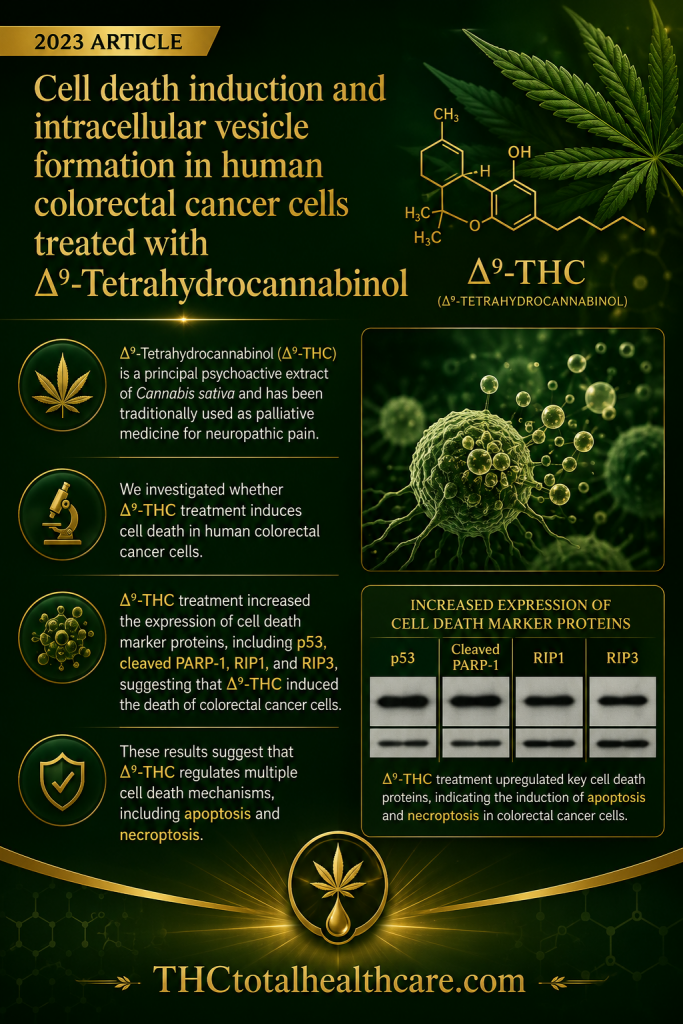
Cell death induction and intracellular vesicle formation in human colorectal cancer cells treated with Δ9-Tetrahydrocannabinol

THC continues to be investigated for direct effects on cancer-cell biology, including the mechanisms that lead tumor cells toward death. In this laboratory study, researchers exposed human colorectal cancer cells to Δ9-THC and observed increased cell death together with marked changes in intracellular vesicle formation. These structural changes suggest that THC may disrupt cellular trafficking and survival processes in ways that contribute to its anticancer effects. The findings add another mechanistic layer to research examining how THC may influence colorectal cancer cells beyond simple growth inhibition.

“Background: Δ9-Tetrahydrocannabinol (Δ9-THC) is a principal psychoactive extract of Cannabis sativa and has been traditionally used as palliative medicine for neuropathic pain. Cannabidiol (CBD), an extract of hemp species, has recently attracted increased attention as a cancer treatment, but Δ9-THC is also requiring explored pharmacological application.

Objective: This study evaluated the pharmacological effects of Δ9-THC in two human colorectal cancer cell lines. We investigated whether Δ9-THC treatment induces cell death in human colorectal cancer cells.

Methods: We performed an MTT assay to determine the pharmacological concentration of Δ9-THC. Annxein V and Western blot analysis confirmed that Δ9-THC induced apoptosis in colorectal cancer cells. Metabolic activity was evaluated using MitoTracker staining and ATP determination. We investigated vesicle formation by Δ9-THC treatment using GW9662, known as a PPARγ inhibitor.

Results: The MTT assay showed that treatment with 40 μM Δ9-THC and above inhibited the proliferation of colorectal cancer cells. Multiple intracytoplasmic vesicles were detected upon microscopic observation, and fluorescence-activated cell sorting analysis showed cell death via G1 arrest. Δ9-THC treatment increased the expression of cell death marker proteins, including p53, cleaved PARP-1, RIP1, and RIP3, suggesting that Δ9-THC induced the death of colorectal cancer cells. Δ9-THC treatment also reduced ATP production via changes in Bax and Bcl-2. Δ9-THC regulated intracytoplasmic vesicle formation by modulating the expression of PPARγ and clathrin, adding that antiproliferative activity of Δ9-THC was also affected.

Conclusion: In conclusion, Δ9-THC regulated two functional mechanisms, intracellular vesicle formation and cell death. These findings can help to determine how cannabinoids can be used most effectively to improve the efficacy of cancer treatment.”

https://pubmed.ncbi.nlm.nih.gov/37837516

 “Cannabinoid extracts exhibit pharmacological effects by regulating the endocannabinoid system.”

“Δ9-THC treatment shows cell death and morphological changes in human colorectal cancer cells.”

“Therefore, these results suggest that Δ9-THC treatment induced cell death by inhibiting cell growth and inducing cellular morphological changes.”

https://link.springer.com/article/10.1007/s13258-023-01466-7

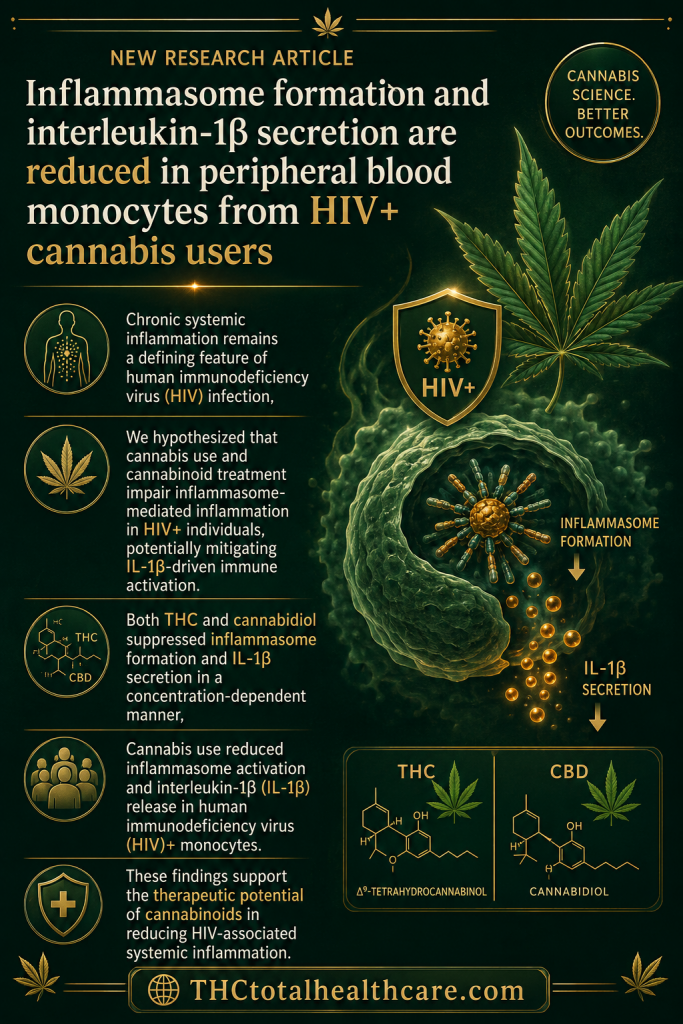
Inflammasome formation and interleukin-1β secretion are reduced in peripheral blood monocytes from HIV+ cannabis users

Chronic inflammation remains a major challenge in HIV even when the virus itself is controlled, and overactive innate immune signaling can contribute to long-term complications. In this human-cell study, monocytes from HIV-positive cannabis users released significantly less IL-1β than those from HIV-positive nonusers, with levels comparable to HIV-negative participants. Both THC and CBD also reduced inflammasome formation and IL-1β secretion in a concentration-dependent manner, while THC produced a stronger reduction in caspase-1 activity. The findings support the possibility that cannabinoids may help regulate HIV-associated systemic inflammation by suppressing key inflammatory pathways.

“Chronic systemic inflammation remains a defining feature of human immunodeficiency virus (HIV) infection, partly driven by the translocation of microbial-derived products, including toll-like receptor 4 agonist lipopolysaccharide, from the gut, which is a well established HIV reservoir. These products activate peripheral blood monocytes, leading to the secretion of proinflammatory cytokines, particularly interleukin-1β (IL-1β), which exacerbates systemic inflammation.

Cannabis and its bioactive constituents, Δ9-tetrahydrocannabinol (THC) and cannabidiol, exhibit immune-modulating properties, yet their effects on innate immune pathways in HIV remain poorly defined. Here, we investigated the impact of cannabis use and individual cannabinoids, THC and cannabidiol, on toll-like receptor 4-induced ASC-incorporating inflammasome activation, IL-1β secretion, and caspase-1 activity in monocytes derived from HIV-negative and HIV-positive individuals. We hypothesized that cannabis use and cannabinoid treatment impair inflammasome-mediated inflammation in HIV+ individuals, potentially mitigating IL-1β-driven immune activation.

Our results show that inflammasome formation was reduced in both HIV+ marijuana (cannabis use status, MJ)- and HIV+MJ+ (MJ: cannabis use) derived monocytes compared with HIV- derived monocytes. Despite this, HIV+MJ- monocytes secreted more IL-1β than HIV- monocytes, whereas HIV+MJ+ monocytes secreted IL-1β at levels comparable to those of HIV- cells.

Both THC and cannabidiol suppressed inflammasome formation and IL-1β secretion in a concentration-dependent manner, with THC producing a greater magnitude of reduction in caspase-1 activity in HIV- monocytes. Cannabis use by HIV+ individuals lowered IL-1β secretion by peripheral blood monocytes compared with that of non-cannabis-using HIV+ donors, implicating an inhibitory role in immune activation.

These findings support the therapeutic potential of cannabinoids in reducing HIV-associated systemic inflammation.

SIGNIFICANCE STATEMENT: Cannabis use reduced inflammasome activation and interleukin-1β (IL-1β) release in human immunodeficiency virus (HIV)+ monocytes. HIV+ cannabis users showed IL-1β levels comparable to HIV- individuals, whereas HIV+ cannabis nonusers displayed elevated levels of IL-1β secretion. The combination of reduced ASC-incorporating inflammasome formation but elevated IL-1β in HIV+ nonusers suggests involvement of noncanonical IL-1β maturation pathways.”

https://pubmed.ncbi.nlm.nih.gov/42320431

“Collectively, these findings highlight a complex role for cannabinoids in modulating innate immune responses. The suppression of IL-1β via reduced inflammasome formation and caspase-1 activity, without direct enzymatic inhibition, suggests that cannabinoids may have therapeutic utility for regulating inflammation, particularly in chronic and systemic inflammation incurred by HIV.”

https://jpet.aspetjournals.org/article/S0022-3565(26)01151-1/fulltext


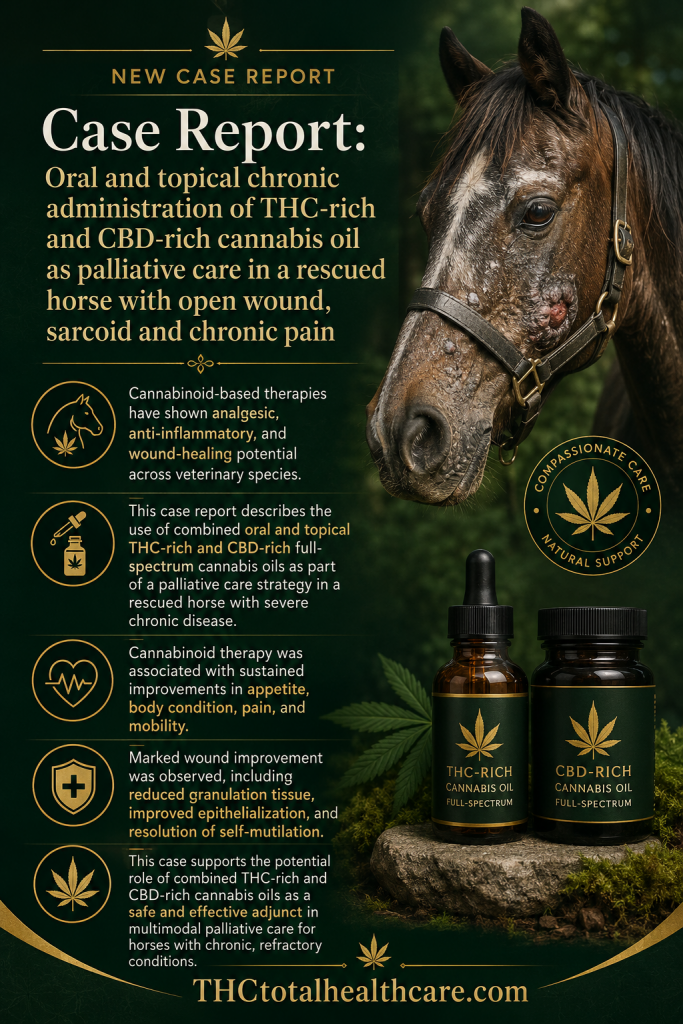
Case Report: Oral and topical chronic administration of THC-rich and CBD-rich cannabis oil as palliative care in a rescued horse with open wound, sarcoid and chronic pain

Cannabis-based treatments are also being explored in veterinary palliative care, particularly for animals with chronic pain and difficult-to-manage skin lesions. This case report describes a rescued horse with an open wound, sarcoid, and persistent pain that received both oral and topical THC-rich and CBD-rich cannabis oils over an extended period. The authors reported improvements in pain, wound condition, and overall comfort during treatment. As a single-animal case report, the findings suggest that cannabinoid-based therapies may deserve further study as supportive care options in veterinary patients with chronic wounds and pain.

“Cannabinoid-based therapies have shown analgesic, anti-inflammatory, and wound-healing potential across veterinary species; however, clinical data on long-term use of THC-rich formulations in horses remain scarce.

This case report describes the use of combined oral and topical THC-rich and CBD-rich full-spectrum cannabis oils as part of a palliative care strategy in a rescued horse with severe chronic disease.

A senior mixed-breed gelding was rescued with a large, chronic ulcerative lesion of the left hind limb, severe malnutrition, non-weight-bearing lameness (AAEP grade 5/5), and refractory pain. Diagnostic workup identified a fibroblastic equine sarcoid complicated by complete suspensory tendon rupture, early osteomyelitis, and chronic joint disease. Conventional medical and surgical options were limited due to poor response, disease severity, and resource constraints.

A long-term palliative protocol was initiated using oral THC-rich and CBD-rich full-spectrum cannabis oils (1:1 ratio; 100 mg/mL each) with gradual dose escalation to a target of 0.5 mg/kg of each compound every 12 hours. The same formulation was applied topically to the wound once to twice daily. Treatment duration was 10 months, with concurrent multimodal analgesia as needed.

Cannabinoid therapy was associated with sustained improvements in appetite, body condition, pain, and mobility. Marked wound improvement was observed, including reduced granulation tissue, improved epithelialization, and resolution of self-mutilation.

No clinically relevant adverse effects or laboratory abnormalities occurred during routine dosing. Transient ataxia and sedation were noted only at high rescue doses near end of life. Despite eventual disease progression and euthanasia due to refractory pain, quality of life was substantially improved for most of the treatment period.

This case supports the potential role of combined THC-rich and CBD-rich cannabis oils as a safe and effective adjunct in multimodal palliative care for horses with chronic, refractory conditions. Controlled studies are warranted to define optimal dosing and indications.”

https://pubmed.ncbi.nlm.nih.gov/42311392

“Across veterinary species, cannabinoids have shown therapeutic potential with favorable safety and tolerability profiles.”

“The aim of this case report is to describe a long-term multimodal clinical approach using cannabinoids (THC and CBD) in a rescued horse affected by a wound/sarcoid and joint disease, as part of a palliative care strategy for pain management, inflammation control, and wound-healing enhancement.”

“This case suggests that long-term administration of THC-rich and CBD-rich cannabis oils may be a useful adjunct for palliative management in horses with chronic, refractory conditions.”

“Cannabinoid therapy was associated with improved comfort, mobility, and quality of life, supporting its potential role within multimodal palliative care.”

https://www.frontiersin.org/journals/veterinary-science/articles/10.3389/fvets.2026.1794084/full


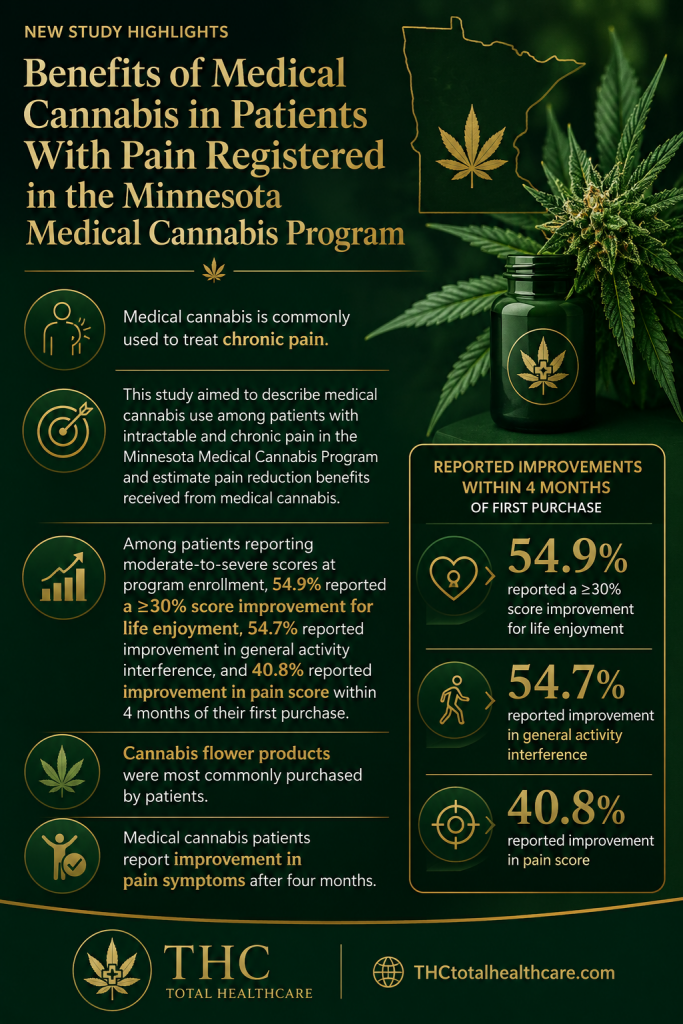
Benefits of Medical Cannabis in Patients With Pain Registered in the Minnesota Medical Cannabis Program

Real-world medical cannabis programs provide an important opportunity to examine how patients with chronic pain respond outside tightly controlled clinical trials. This analysis of participants in Minnesota’s Medical Cannabis Program found that many patients reported meaningful improvements in pain and related symptoms after beginning medical cannabis treatment. Benefits were also reflected in measures of daily functioning and quality of life, suggesting that cannabis may provide broader relief than pain reduction alone for some patients. The findings add large-scale, real-world evidence supporting the role of medical cannabis as a treatment option for people living with persistent pain

“Purpose: Medical cannabis is commonly used to treat chronic pain. Clinical trials typically use only one type and dosage of medical cannabis product, which is not reflective of real-world use. The use of a state-run medical cannabis program can bridge the gap between clinical research and real-world use of medical cannabis to estimate the benefits of cannabis use on patient symptoms. This study aimed to describe medical cannabis use among patients with intractable and chronic pain in the Minnesota Medical Cannabis Program and estimate pain reduction benefits received from medical cannabis.

Methods: Patients who enrolled in the Minnesota Medical Cannabis Program between March 2022 and February 2023 for chronic pain and purchased medical cannabis for at least 8 months were included in this study. Patients were required to complete the Patient Self-Evaluation before each medical cannabis purchase, which included the PEG (Pain, Enjoyment of Life, and General Activity) scale. The main outcome of this analysis was a ≥30% change in PEG component score within 4 months of first medical cannabis purchase. The proportion of patients who maintained that reduction for an additional 4 months was also calculated. Medical cannabis product purchases were queried from the first 4 months in the program and categorized by route of administration and tetrahydrocannabinol:cannabidiol ratio. Medical cannabis purchasing profiles were created using k-means clustering to group patients who purchased similar proportions of product types. Adjusted logistic regression models were run to investigate the association between medical cannabis purchasing profile and reporting ≥30% reduction in PEG score.

Findings: Among patients reporting moderate-to-severe scores at program enrollment, 54.9% reported a ≥30% score improvement for life enjoyment, 54.7% reported improvement in general activity interference, and 40.8% reported improvement in pain score within 4 months of their first purchase. Cannabis flower products were most commonly purchased by patients. High tetrahydrocannabinol:cannabidiol products were the most commonly purchased in all medical cannabis product categories. K-means clustering created 5 product purchasing profiles, which were not associated with PEG score improvement outcomes after adjustment for number of purchasing transactions.

Implications: Medical cannabis patients report reduction in PEG scores within 4 months of first medical cannabis purchase using a variety of medical cannabis products. Future research on medical cannabis should determine the frequency of use of different products and administration methods to further investigate how cannabis can be used for effective pain management in patients with chronic pain.”

https://pubmed.ncbi.nlm.nih.gov/42303550

“Medical cannabis patients report improvement in pain symptoms after four months.”

https://www.clinicaltherapeutics.com/article/S0149-2918(26)00187-6/fulltext

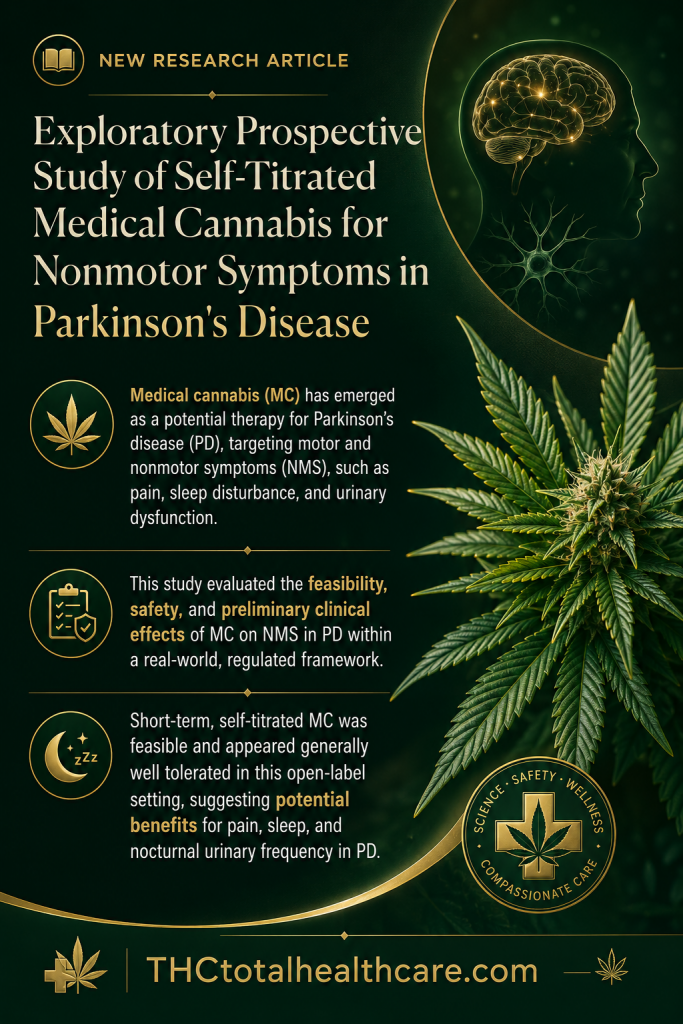
Exploratory Prospective Study of Self-Titrated Medical Cannabis for Nonmotor Symptoms in Parkinson’s Disease

Nonmotor symptoms such as sleep disturbance, anxiety, pain, and mood changes can be among the most difficult aspects of Parkinson’s disease to manage. In this prospective study, patients used self-titrated medical cannabis while researchers tracked changes in these symptoms over time. Participants reported improvements in several nonmotor outcomes, suggesting that individualized cannabis use may provide meaningful symptom relief for some people with Parkinson’s disease. The findings support further controlled research to determine which cannabinoid profiles, doses, and symptom targets are most likely to benefit.

“Background: Medical cannabis (MC) has emerged as a potential therapy for Parkinson’s disease (PD), targeting motor and nonmotor symptoms (NMS), such as pain, sleep disturbance, and urinary dysfunction. Cannabinoid receptors in central and peripheral systems, including the bladder, provide a mechanistic basis for symptom modulation. This study evaluated the feasibility, safety, and preliminary clinical effects of MC on NMS in PD within a real-world, regulated framework.

Methods: In this single-center, open-label, prospective cohort, 68 patients with PD initiating MC were assessed at baseline and at 3 months using validated scales: the Non-Motor Symptoms Scale (NMSS), King’s Parkinson’s Disease Pain Scale (KPPS), PD Sleep Scale-2 (PDSS-2), PD Quality-of-Life Questionnaire-8 (PDQ-8), and International Prostate Symptom Score (IPSS), along with 2-day urinary diaries. Participants used either cannabis oil extract or inflorescence products with varying THC/CBD (Δ9-tetrahydrocannabinol/cannabidiol) ratios. Adverse events and withdrawals were recorded. Cannabinoid composition was analyzed via ultra-high-performance liquid chromatography and correlated with clinical outcomes.

Results: Fifty participants (mean age 65.6 ± 11.0 years; 68% male) completed follow-up. MC use was associated with improvements in NMSS total (Δ 14.5, p = 0.001), PDSS-2 (Δ 5.9, p < 0.001), KPPS (Δ 8.1, p = 0.004), PDQ-8 (Δ 1.5, p = 0.040), and the NMSS urinary domain (Δ 2.1, p = 0.050). Nighttime urinary frequency decreased (median Δ 0.5, p = 0.016), while daytime parameters were unchanged. No correlations were found between cannabinoid composition or THC/CBD enrichment type and clinical response. The dropout rate was 26.5%, mainly due to loss to follow-up.

Conclusions: Short-term, self-titrated MC was feasible and appeared generally well tolerated in this open-label setting, suggesting potential benefits for pain, sleep, and nocturnal urinary frequency in PD. These exploratory findings warrant randomized controlled trials focused on these domains and incorporating standardized dosing, pharmacokinetic monitoring, and predefined cognitive safety assessments to determine efficacy, safety, and optimal dosing.”

https://pubmed.ncbi.nlm.nih.gov/42304702

https://journals.sagepub.com/doi/10.1177/25785125261458680

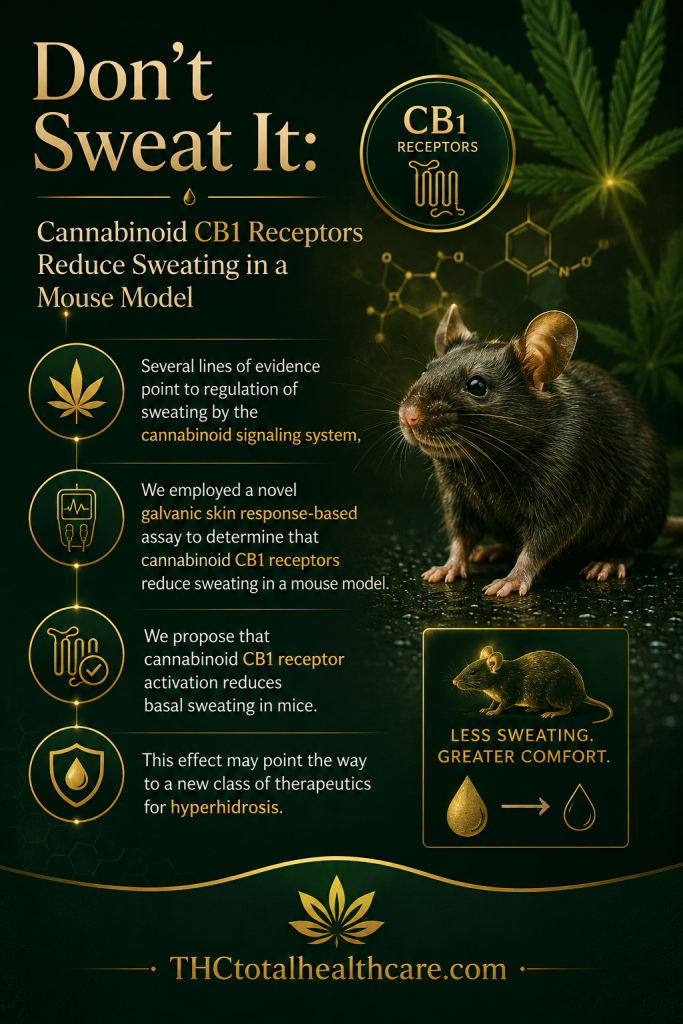
Don’t Sweat It: Cannabinoid CB1 Receptors Reduce Sweating in a Mouse Model

The endocannabinoid system may play a previously underappreciated role in controlling sweat production. In this preclinical study, researchers found that activation of cannabinoid CB1 receptors reduced sweating in a mouse model, providing mechanistic evidence that cannabinoid signaling can directly influence sweat-gland activity. The findings complement emerging clinical observations involving CBD and hyperhidrosis and suggest that the endocannabinoid system could represent a new biological target for excessive sweating disorders. Further research will be needed to determine whether these effects can be translated into practical treatments for people with hyperhidrosis.

“Numerous exocrine glands play key physiological roles in the body that include tearing, salivation, and lactation, as well as the control of body temperature via sweating. Malfunction of sweat glands can be deeply problematic or-in the case of anhidrosis-life-threatening. The prevalence of sweating disorders is high, affecting millions. The few available therapies are generally of limited effectiveness.

Several lines of evidence point to regulation of sweating by the cannabinoid signaling system, an arrangement that would mirror cannabinoid regulation of tearing and salivation.

Mice sweat in their paws via glands that closely resemble human eccrine sweat glands, including regulation by muscarinic signaling and by temperature. We applied a galvanic skin response-based assay to investigate cannabinoid regulation of sweating in awake, unanesthetized mice. The muscarinic agonist pilocarpine increased conductance while the antagonist glycopyrrolate reduced conductance, validating the model as a measure of sweating. The cannabinoid receptor agonist CP55940 substantially reduced conductance in wild-type and CB2 but not CB1 receptor knockout mice.

The phytocannabinoid tetrahydrocannabinol (THC) also reduced conductance, while the non-psychoactive cannabidiol (CBD) did not. Using immunohistochemistry, we detected CB1 receptors in periglandular cholinergic axons, the anandamide-synthesizing enzyme NAPE-PLD in myoepithelial cells, and the anandamide metabolizing enzyme FAAH in acinar cells. This indicates that a local CB1/anandamide-based circuit is present in mouse walking pads.

In summary, we employed a novel galvanic skin response-based assay to determine that cannabinoid CB1 receptors reduce sweating in a mouse model. This may point to a previously unappreciated effect on sweating in cannabis users.”

https://pubmed.ncbi.nlm.nih.gov/42287607

“In summary, we have made use of a galvanic skin response-based assay to measure the conductivity in the hind paws of awake, unanesthetized mice as a measure of sweating. We find the galvanic skin responses to be stable and consistent over time and, importantly, to be responsive to stimuli that increase or decrease basal sweating. Using this model, we determined that cannabinoid CB1 receptor activation reduces the galvanic skin response.

We propose that cannabinoid CB1 receptor activation reduces basal sweating in mice.

This effect may point the way to a new class of therapeutics for hyperhidrosis.”

https://faseb.onlinelibrary.wiley.com/doi/10.1096/fj.202601143R