Cannabinoids in hyperhidrosis

Hyperhidrosis is driven by excessive sweat production and can be difficult to control with existing therapies. This review examines the emerging evidence that cannabinoids and the endocannabinoid system may influence sweating through CB1-related signaling and other autonomic mechanisms. The authors discuss both preclinical findings and early clinical observations suggesting that cannabinoid-based approaches could reduce excessive sweating in some settings. The review identifies cannabinoid signaling as a potentially novel therapeutic target for hyperhidrosis and supports further clinical study.

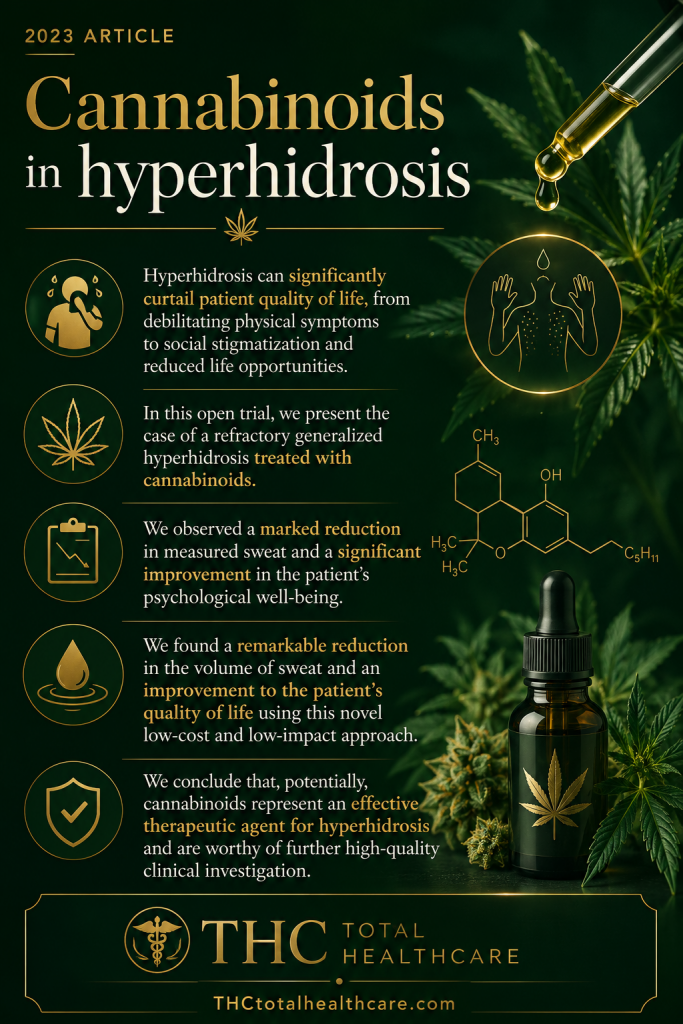
“In our literature search for alternative treatments, we identified multiple unscientific and anecdotal sources claiming that cannabis can inhibit sweating. Our search of the medical literature revealed no evidence of a treatment attempt using cannabinoids, and thus, we initiated our study of one case with refractory generalized hyperhidrosis treated with cannabinoids from March to May 2021.

We observed a marked reduction in measured sweat and a significant improvement in the patient’s psychological well-being.

We conclude that, potentially, cannabinoids represent an effective therapeutic agent for hyperhidrosis and are worthy of further high-quality clinical investigation.”

“Hyperhidrosis can significantly curtail patient quality of life, from debilitating physical symptoms to social stigmatization and reduced life opportunities. Current treatments often prove unsatisfactory, especially in sufferers of generalized hyperhidrosis. In this open trial, we present the case of a refractory generalized hyperhidrosis treated with cannabinoids.

We found a remarkable reduction in the volume of sweat and an improvement to the patient’s quality of life using this novel low-cost and low-impact approach.”

“In summary, we report a case of precisely analyzed effects of cannabinoid therapy in generalized hyperhidrosis.

We believe cannabinoids hold potential as a low side-effect and well-tolerated therapy, especially in refractory cases of hyperhidrosis.

This reflects not only in the reduced perspiration, but also in the significant improvement in the participant’s quality of life.”

https://pubmed.ncbi.nlm.nih.gov/36200741/

https://www.tandfonline.com/doi/full/10.1080/09546634.2022.2127308#d1e182
Therapeutic potential of endocannabinoid system activation in opioid use disorder and pain

Pain and opioid use disorder are closely linked, creating a need for treatments that can reduce pain without reinforcing opioid dependence. This review examines the endocannabinoid system as a potential therapeutic target for both conditions, focusing on how cannabinoid receptors and endogenous cannabinoid signaling influence pain perception, reward, withdrawal, and opioid-related behaviors. The authors discuss evidence that activating or modulating this system may reduce pain while also affecting mechanisms involved in opioid dependence and relapse. The review highlights the endocannabinoid system as a promising bridge between pain management and addiction treatment, supporting further development of cannabinoid-based and endocannabinoid-targeted therapies.

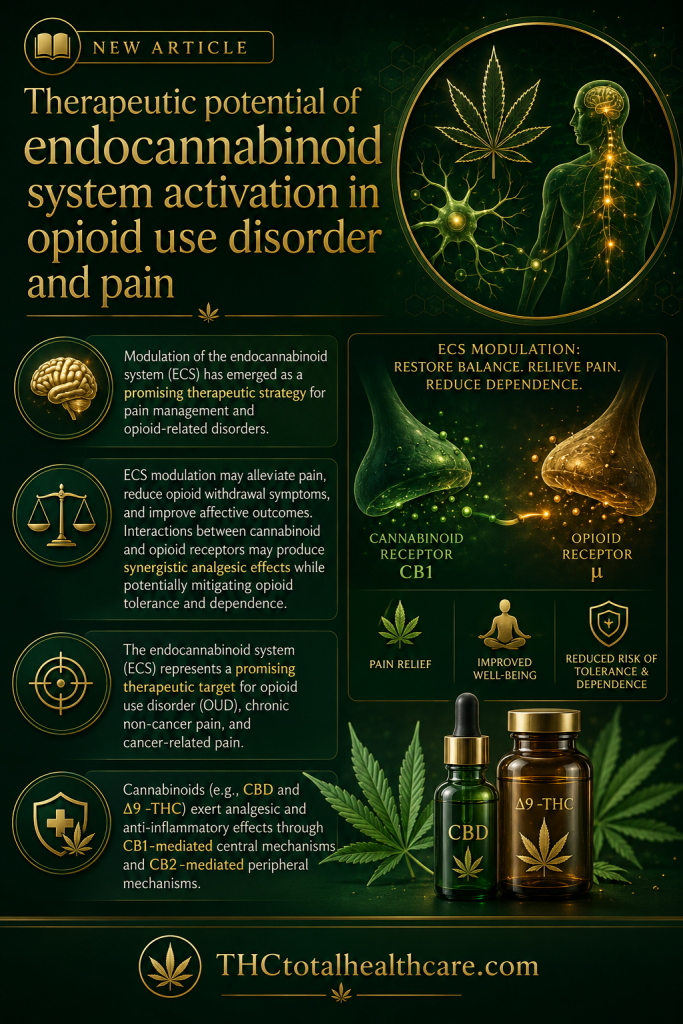
“Introduction: Opioid use disorder (OUD) and chronic pain remain major global health challenges. Although opioid-based therapies provide effective analgesia, their long-term use is limited by safety concerns, dependence, and variable efficacy. Modulation of the endocannabinoid system (ECS) has emerged as a promising therapeutic strategy for pain management and opioid-related disorders.

Areas covered: This narrative review summarizes current evidence on ECS-targeted interventions for OUD, chronic non-cancer pain, and cancer-related pain. Relevant literature was identified through PubMed using search terms related to the ECS, cannabinoid receptors (CB1 and CB2), phytocannabinoids (Δ9 -tetrahydrocannabinol [THC] and cannabidiol [CBD]), synthetic cannabinoids, fatty acid amide hydrolase (FAAH) and monoacylglycerol lipase (MAGL) inhibitors, and opioid – cannabinoid interactions. Particular emphasis is placed on mechanistic interactions between ECS and opioid signaling pathways, as well as evidence from preclinical and clinical studies evaluating therapeutic efficacy and safety.

Expert opinion: ECS modulation may alleviate pain, reduce opioid withdrawal symptoms, and improve affective outcomes. Interactions between cannabinoid and opioid receptors may produce synergistic analgesic effects while potentially mitigating opioid tolerance and dependence. However, clinical translation remains limited by small sample sizes, heterogeneous study populations, and variability in trial design. Well-controlled clinical trials are needed to establish optimal dosing strategies, evaluate long-term safety, and clarify the therapeutic role of ECS-targeted interventions in OUD and pain management.”

https://pubmed.ncbi.nlm.nih.gov/42295097

“The endocannabinoid system (ECS) represents a promising therapeutic target for opioid use disorder (OUD), chronic non-cancer pain, and cancer-related pain.”

“Cannabinoids (e.g., CBD and Δ9 -THC) exert analgesic and anti-inflammatory effects through CB1-mediated central mechanisms and CB2-mediated peripheral mechanisms.”

https://www.tandfonline.com/doi/full/10.1080/14728222.2026.2690138

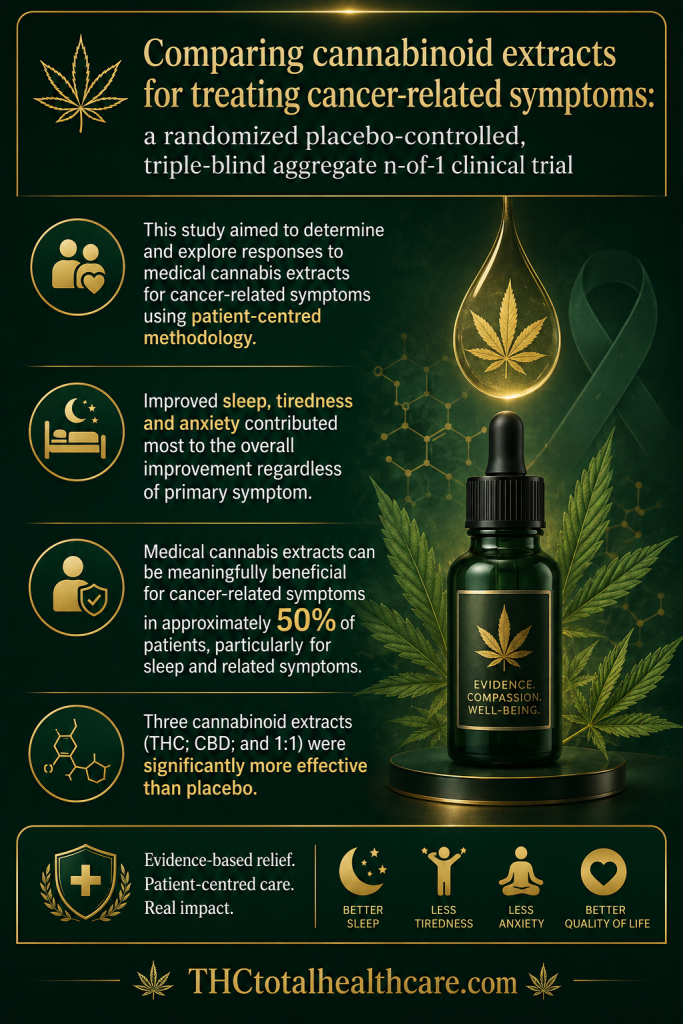
Comparing cannabinoid extracts for treating cancer-related symptoms: a randomized placebo-controlled, triple-blind aggregate n-of-1 clinical trial

Cancer-related symptoms such as poor sleep, anxiety, fatigue, and pain can remain difficult to manage despite standard supportive care. In this randomized, placebo-controlled, triple-blind clinical trial, 56% of participants achieved a clinically meaningful improvement with at least one cannabis extract compared with placebo. THC, CBD, and a 1:1 THC extract were significantly more effective than placebo overall, with improvements in sleep, anxiety, and daytime tiredness contributing most strongly to the benefit. The most effective formulation varied between individuals, supporting a personalized approach to cannabinoid treatment for cancer-related symptoms.

“Context Despite widespread use of medical cannabinoids for cancer-related symptom management, systematic reviews consistently call for more clinical trial evidence.

Objectives This study aimed to determine and explore responses to medical cannabis extracts for cancer-related symptoms using patient-centred methodology.

Methods An aggregate N-of-1 study of clinically stable but symptomatic outpatients from 8 Canadian cancer centres, comparing three blinded sublingual extracts (THC; CBD; 1:1) with placebo, self-titrated within a prescribed schedule for four consecutive days each in randomized sequence for up to three cycles (total 16-48 days). The primary outcome was the frequency of at least a 1.4-point (20%) improvement in a 7-point Patient Global Impression of Change (PGIC) for at least one extract over placebo.

Results The primary outcome was achieved in 50/89 (56%) participants (p<0.001), with no significant preference of one extract over another on average, but a clear preference between extracts for most individuals. Changes in a modified Edmonton Symptom Assessment score and participant preference (n=91) confirmed these findings. Improved sleep, tiredness and anxiety contributed most to the overall improvement regardless of primary symptom. There were no demographic predictors of response. Mild adverse effects were common with all extracts including placebo but resolved rapidly on dose reduction/cessation. Moderate/severe adverse effects were rare but associated with THC.

Conclusions Medical cannabis extracts can be meaningfully beneficial for cancer-related symptoms in approximately 50% of patients, particularly for sleep and related symptoms. A starting dose of 2.5mg of THC/CBD three times a day was well-tolerated. Personalization of treatment is required to optimize response.

Key Messages Three cannabinoid extracts (THC; CBD; and 1:1) were significantly more effective than placebo based on a Patient Global Impression of Change, a modified Edmonton Symptom Assessment System and participant preference. The most helpful extract differed between individuals. Benefits were mostly in sleep, anxiety, and daytime tiredness irrespective of primary symptom.”

https://www.medrxiv.org/content/10.64898/2026.05.31.26354558v1

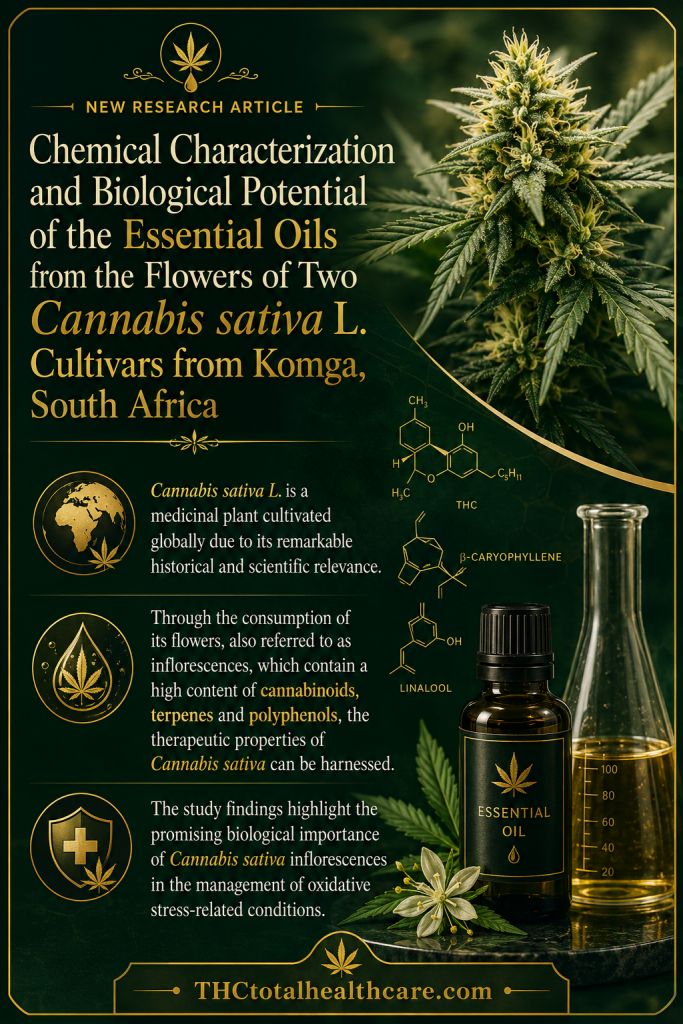
Chemical Characterization and Biological Potential of the Essential Oils from the Flowers of Two Cannabis sativa L. Cultivars from Komga, South Africa

Cannabis sativa flowers contain complex essential oils rich in terpenes and other bioactive compounds that may contribute to the plant’s broader therapeutic potential. In this study, researchers characterized the essential oils from two South African cannabis cultivars and found distinct chemical profiles together with promising biological activity. The oils demonstrated antioxidant and antimicrobial effects, highlighting the importance of cannabis terpenes and volatile compounds beyond the better-known cannabinoids. The findings add to growing evidence that cannabis essential oils may have value in pharmaceutical, antimicrobial, and natural-product applications.

“Cannabis sativa L. is a medicinal plant cultivated globally due to its remarkable historical and scientific relevance. Through the consumption of its flowers, also referred to as inflorescences, which contain a high content of cannabinoids, terpenes and polyphenols, the therapeutic properties of C. sativa can be harnessed.

This study therefore aimed to determine the chemical profile, antioxidant and anti-inflammatory activities of the essential oils (EOs) obtained from the fresh and dried flowers of two C. sativa cultivars, Lifter and Cherrywine, grown in Komga, South Africa, to assess which cultivar has greater biological potential.

The chemical profiles of the hydro-distilled EOs were analyzed by gas chromatography-mass spectrometry (GC-MS), while the in vitro antioxidant and anti-inflammatory activity of the EOs was analyzed using the DPPH and EAD methods, respectively. The identified constituents from the EOs were molecularly docked against NOX2 and NIK (NF-κB-inducing kinase) protein, which are implicated in oxidative stress. The afforded EOs were yellow (pale and bright yellow) in color with a sweet to mildly sweet aroma description.

A total of 51 constituents were identified in both fresh and dry oils from the Lifter cultivar, while the Cherrywine cultivar contained a total of 44 constituents. Eighteen compounds, were found to be the main chemical constituents consistent in the flower EOs of both cultivars, notably, caryophyllene (10.71-19.96%), levo-β-pinene (1.37-13.21%), humulene (5.88-9.77%), caryophyllene oxide (4.32-7.49%), D-limonene (1.40-5.48%), α-pinene (2.22-5.22%), nerolidol (0.63-4.97%), cis-β-ocimene (0.22-4.37%), linalool (1.12-4.28%), selina-3,7(11)-diene (0.15-4.23%), humulene-1,2-epoxide (1.23-3.32%), guaiol (0.17-2.60%), (+)-β-selinene (1.20-2.51%), trans-α-bergamotene (0.68-2.37%), β-ocimene (0.90-2.27%), fenchol exo- (0.15-1.27), terpineol (0.14-1.38%) and α-terpineol (0.19-0.75%). The fresh Lifter flower oil (LFO) showed 50% inhibition at 100 μg/mL, with an IC50 of 69.50 ± 4.05 µg/mL against DPPH, suggesting moderate to low radical scavenging activity. The maximum percentage inhibition response of DLFO, CFO and DCFO remained below 50% at all concentrations.

The antioxidant activity of fresh LFO may be attributed to its overall chemical composition. The flower oils showed in vitro inhibition of protein denaturation; however, the high standard deviation relative to the mean IC50 values limited the ability to rank the samples’ potencies. Further in silico studies on the putative constituents in the Lifter and Cherrywine cultivars revealed β-bisabolene and α-curcumene as potential molecular targets, with binding energy scores of -7.7 and -7.9 kcal/mol, respectively.

Thus, the study findings highlight the promising biological importance of C. sativa inflorescences in the management of oxidative stress-related conditions. Further studies may investigate the influence of environmental growing conditions on their chemical composition, total ROS analysis, pharmacokinetic properties, and in vivo efficacy against oxidative damage to DNA, proteins and lipids. Evaluating the toxicity of the flower EOs is also recommended.”

https://pubmed.ncbi.nlm.nih.gov/42280118

https://www.mdpi.com/1420-3049/31/11/1814


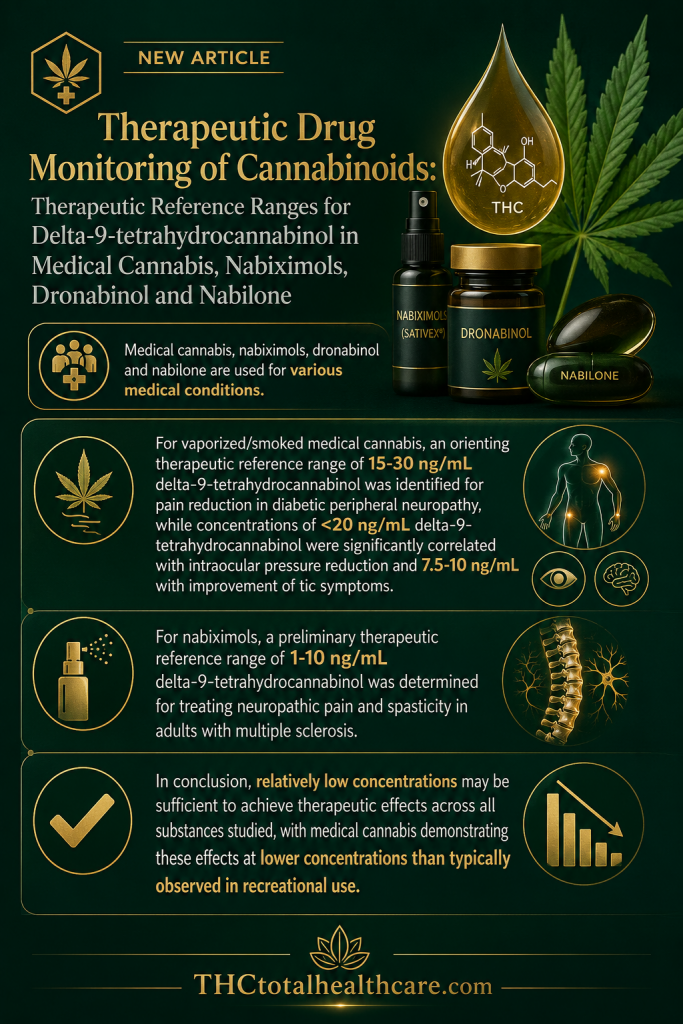
Therapeutic Drug Monitoring of Cannabinoids: Therapeutic Reference Ranges for Delta-9-tetrahydrocannabinol in Medical Cannabis, Nabiximols, Dronabinol and Nabilone

As cannabinoid-based medicines become more widely used, clinicians need better tools for determining whether patients are receiving therapeutic rather than excessive or ineffective doses. This review examines therapeutic drug monitoring for THC across medical cannabis, nabiximols, dronabinol, and nabilone and proposes reference ranges that can help interpret blood concentrations in clinical practice. By linking cannabinoid levels with dosing and treatment context, the work provides a foundation for more precise, individualized use of THC-based medicines and could improve both effectiveness and safety in medical cannabis therapy.

“Medical cannabis, nabiximols, dronabinol and nabilone are used for various medical conditions.

Despite their pronounced pharmacokinetic variability and complex concentration-effect relationships, therapeutic drug monitoring recommendations are lacking. We aimed to identify therapeutic reference ranges based on blood concentration-clinical effect relationships. Studies reporting blood concentrations and clinical effects/adverse effects or assessing cannabinoid receptors 1 and 2 occupancy were selected through a systematic literature search in the MEDLINE database via PubMed. Twenty-three articles were selected for vaporized/smoked medical cannabis, three for nabiximols, nine for dronabinol and one for nabilone. No article was identified for delta-9-tetrahydrocannabinol-dominant cannabis extracts.

For vaporized/smoked medical cannabis, an orienting therapeutic reference range of 15-30 ng/mL delta-9-tetrahydrocannabinol was identified for pain reduction in diabetic peripheral neuropathy, while concentrations of <20 ng/mL delta-9-tetrahydrocannabinol were significantly correlated with intraocular pressure reduction and 7.5-10 ng/mL with improvement of tic symptoms. Half-maximum effective concentrations of 7-29 ng/mL delta-9-tetrahydrocannabinol were reported for “high” effects.

For nabiximols, a preliminary therapeutic reference range of 1-10 ng/mL delta-9-tetrahydrocannabinol was determined for treating neuropathic pain and spasticity in adults with multiple sclerosis. For chemotherapy-induced nausea and vomiting, a preliminary therapeutic reference range of 1-5 ng/mL for nabilone and 5-15 ng/mL delta-9-tetrahydrocannabinol for dronabinol was assessed.

In conclusion, relatively low concentrations may be sufficient to achieve therapeutic effects across all substances studied, with medical cannabis demonstrating these effects at lower concentrations than typically observed in recreational use. Nevertheless, adverse effects at therapeutic reference ranges cannot be excluded.”

https://pubmed.ncbi.nlm.nih.gov/42269696

https://www.thieme-connect.de/products/ejournals/abstract/10.1055/a-2853-4984

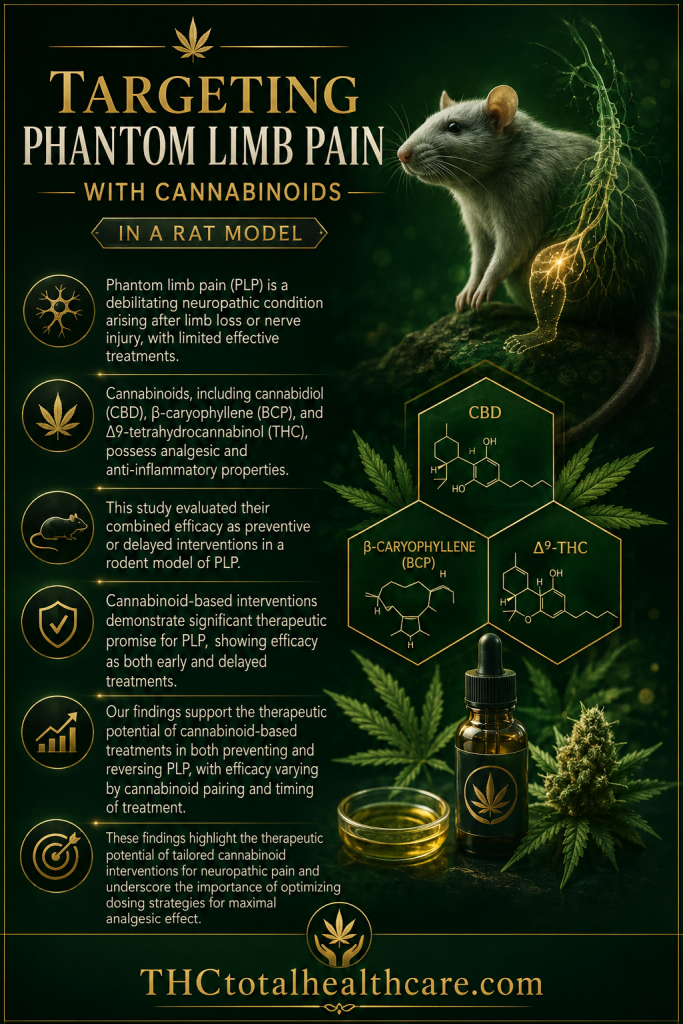
Targeting Phantom Limb Pain with Cannabinoids in a Rat Model

Phantom limb pain can be severe and difficult to treat because the pain persists even after the affected limb is gone. In this preclinical study, researchers tested cannabinoids in a rat model of phantom limb pain and found meaningful reductions in pain-related behaviors. The results suggest that cannabinoid signaling can modify the abnormal nerve activity involved in post-amputation pain, supporting the potential of cannabinoids as a new approach for managing phantom limb pain and other forms of neuropathic pain.

“Introduction: Phantom limb pain (PLP) is a debilitating neuropathic condition arising after limb loss or nerve injury, with limited effective treatments. Cannabinoids, including cannabidiol (CBD), β-caryophyllene (BCP), and Δ9-tetrahydrocannabinol (THC), possess analgesic and anti-inflammatory properties. This study evaluated their combined efficacy as preventive or delayed interventions in a rodent model of PLP.

Methods: To model PLP, a chronic constriction injury was used to mimic pre-amputation pain, followed by formalin-induced localized inflammation and complete sciatic nerve transection to simulate extremity amputation. Cannabinoid treatments (CBD/BCP/THC, CBD/BCP, or THC) or vehicle control were administered either preemptively on the day of axotomy (prevention paradigm) or after the emergence of pain behaviors (reversal paradigm). Progression of pain behaviors were assessed over a 72-day period, and modulation of spinal cytokine levels, glial reactivity, and GABAergic signaling was evaluated.

Results: Preemptive THC or CBD/BCP reduced PLP onset and severity, while the full combination was less effective. In contrast, with delayed treatment, CBD/BCP and the CBD/BCP/THC combination were most effective in mitigating PLP. Pain reduction was correlated with restoration of spinal GABAergic inhibition. All cannabinoid treatments decreased microglial and astrocyte reactivity and shifted cytokines toward an anti-inflammatory state.

Conclusion: Cannabinoid-based interventions demonstrate significant therapeutic promise for PLP, showing efficacy as both early and delayed treatments. Findings suggest that THC may exert greater therapeutic effects when administered pre-emptively, while CBD and BCP may offer greater therapeutic advantages in established pain states. These findings highlight the therapeutic potential of tailored cannabinoid interventions for neuropathic pain and underscore the importance of optimizing dosing strategies for maximal analgesic effect.”

https://pubmed.ncbi.nlm.nih.gov/42267080

“Cannabis contains a complex mixture of cannabinoids, terpenes, and flavonoids that have demonstrated therapeutic potential in a variety of pathologies and conditions. Their anti-inflammatory, analgesic, and antioxidant activities are believed to play a central role in mediating pain relief.”

“Our findings support the therapeutic potential of cannabinoid-based treatments in both preventing and reversing PLP, with efficacy varying by cannabinoid pairing and timing of treatment.

Together, these results underscore the therapeutic promise of cannabinoid-based treatments while highlighting the need to carefully consider how specific compounds and dosing strategies interact in different stages of pain.”

https://karger.com/mca/article/9/1/92/946968/Targeting-Phantom-Limb-Pain-with-Cannabinoids-in-a

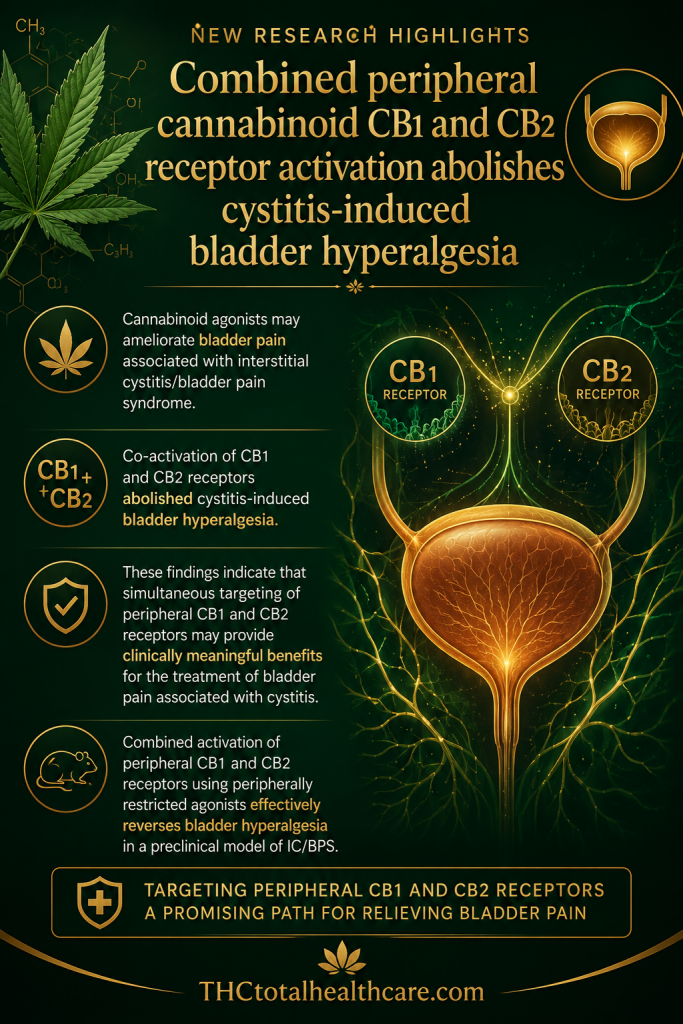
Combined peripheral cannabinoid CB1 and CB2 receptor activation abolishes cystitis-induced bladder hyperalgesia

Bladder pain caused by cystitis can be severe and difficult to control because inflammation sensitizes the nerves that carry pain signals from the urinary tract. In this preclinical study, combined activation of peripheral cannabinoid CB1 and CB2 receptors completely abolished cystitis-induced bladder hyperalgesia. The findings suggest that targeting both cannabinoid receptors outside the central nervous system may provide powerful pain relief while potentially avoiding some of the unwanted effects associated with centrally acting cannabinoids. The study highlights peripheral CB1/CB2 signaling as a promising therapeutic target for painful bladder disorders.

“Cannabinoid agonists may ameliorate bladder pain associated with interstitial cystitis/bladder pain syndrome.

Visceromotor responses (VMRs) to bladder distension were recorded in urethane-anesthetised control and protamine/zymosan-treated guinea pigs. The peripherally restricted preferential CB1 receptor agonist PrNMI and the selective CB2 receptor agonist 4Q3C each reduced cystitis-induced enhancement of VMRs at high intravesical pressures.

Co-activation of CB1 and CB2 receptors abolished cystitis-induced bladder hyperalgesia.

These findings indicate that simultaneous targeting of peripheral CB1 and CB2 receptors may provide clinically meaningful benefits for the treatment of bladder pain associated with cystitis.”

https://pubmed.ncbi.nlm.nih.gov/42247877

“Combined activation of peripheral CB1 and CB2 receptors using peripherally restricted agonists effectively reverses bladder hyperalgesia in a preclinical model of IC/BPS.

These findings provide strong support for the development of peripherally acting combination therapies targeting both cannabinoid receptors as a strategy to treat bladder pain and associated symptoms in IC/BPS, while minimising central cannabinoid-related side effects.”

https://www.autonomicneuroscience.com/article/S1566-0702(26)00066-4/fulltext

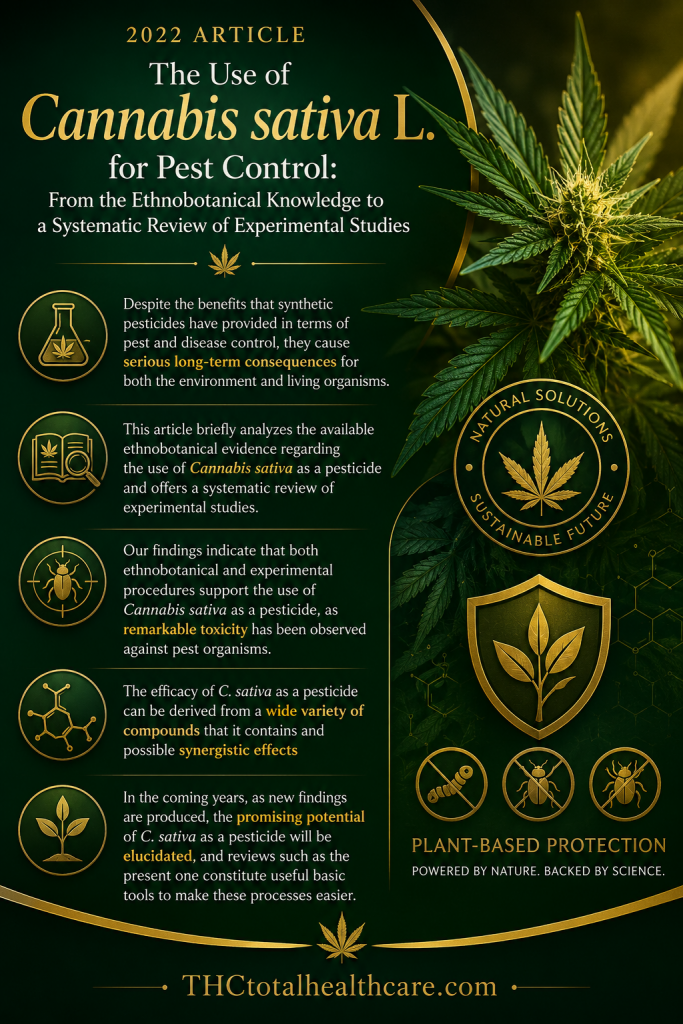
The Use of Cannabis sativa L. for Pest Control: From the Ethnobotanical Knowledge to a Systematic Review of Experimental Studies

Cannabis sativa has a long history of traditional use as a natural pest-control plant, and modern research is beginning to validate some of those practices. This systematic review examined experimental studies on cannabis-derived materials used against insects, mites, fungi, and other agricultural pests and found evidence of insecticidal, repellent, acaricidal, and antifungal activity. Essential oils, extracts, and other plant-derived compounds showed potential across multiple pest species, highlighting cannabis as a promising source of natural crop-protection agents. The findings connect ethnobotanical knowledge with modern experimental evidence and support further development of cannabis-based biopesticides.

“Background: Despite the benefits that synthetic pesticides have provided in terms of pest and disease control, they cause serious long-term consequences for both the environment and living organisms. Interest in eco-friendly products has subsequently increased in recent years. 

Methods: This article briefly analyzes the available ethnobotanical evidence regarding the use of Cannabis sativa as a pesticide and offers a systematic review of experimental studies. 

Results: Our findings indicate that both ethnobotanical and experimental procedures support the use of C. sativa as a pesticide, as remarkable toxicity has been observed against pest organisms. The results included in the systematic review of experimental studies (n=30) show a high degree of heterogeneity, but certain conclusions can be extracted to guide further research. For instance, promising pesticide properties were reported for most of the groups of species tested, especially Arachnida and Insecta; the efficacy of C. sativa as a pesticide can be derived from a wide variety of compounds that it contains and possible synergistic effects; it is crucial to standardize the phytochemical profile of C. sativa plants used as well as to obtain easily reproducible results; appropriate extraction methods should be explored; and upper inflorescences of the plant may be preferred for the production of the essential oil, but further studies should explore better other parts of the plant. 

Conclusion: In the coming years, as new findings are produced, the promising potential of C. sativa as a pesticide will be elucidated, and reviews such as the present one constitute useful basic tools to make these processes easier.”

https://pubmed.ncbi.nlm.nih.gov/34612729

https://journals.sagepub.com/doi/10.1089/can.2021.0095

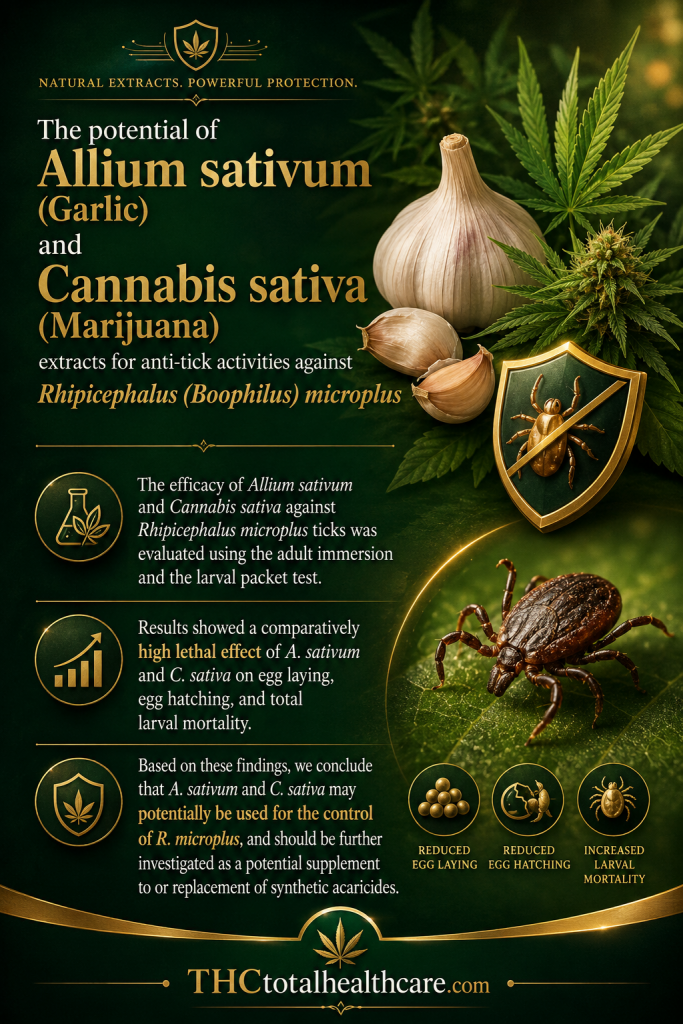
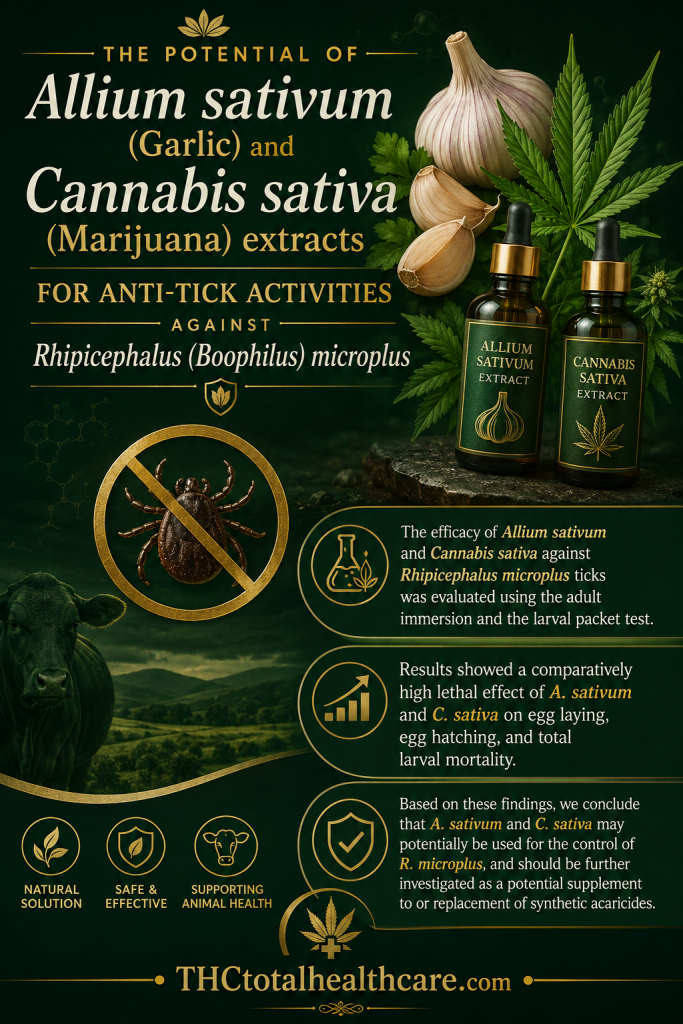
The potential of Allium sativum and Cannabis sativa extracts for anti-tick activities against Rhipicephalus (Boophilus) microplus

Ticks are major veterinary and agricultural pests, and growing resistance to conventional acaricides has increased interest in plant-based alternatives. In this study, extracts from Cannabis sativa and Allium sativum showed anti-tick activity against Rhipicephalus (Boophilus) microplus, a species that causes significant losses in cattle production. The findings support the potential use of cannabis-derived compounds, alone or in combination with other botanical extracts, as natural agents for tick control. This work adds to the growing evidence that Cannabis sativa may have practical applications in sustainable pest management as well as medicine and industry.

“The efficacy of Allium sativum and Cannabis sativa against Rhipicephalus microplus ticks was evaluated using the adult immersion and the larval packet test. In addition, an in silico approach was utilized by performing a docking study in order to identify the active ingredients from both plants.

Results showed a comparatively high lethal effect of A. sativum and C. sativa on egg laying (index of egg laying = 0.26 and 0.24, respectively), egg hatching (33.5 and 37.1, respectively), and total larval mortality (100%, both), at 40 mg/mL.

When applied to cattle which had been inoculated with larvae ticks, it was observed that a 45% solution of both herbal extracts significantly reduced the number of ticks by 96 h post treatment.

We analyzed in silico 27 known active molecules from both plants and identified in the PubChem database to explore the hypothesis that the effect found on ticks was based on inhibition of acetylcholinesterase (AChE).

Vitamin E and cannabidiol are the most potent AChE inhibitors with docking scores of -15.85 and -14.38, respectively.

Based on these findings, we conclude that A. sativum and C. sativa may potentially be used for the control of R. microplus, and should be further investigated as a potential supplement to or replacement of synthetic acaricides.”

https://pubmed.ncbi.nlm.nih.gov/32886258

https://link.springer.com/article/10.1007/s10493-020-00540-z

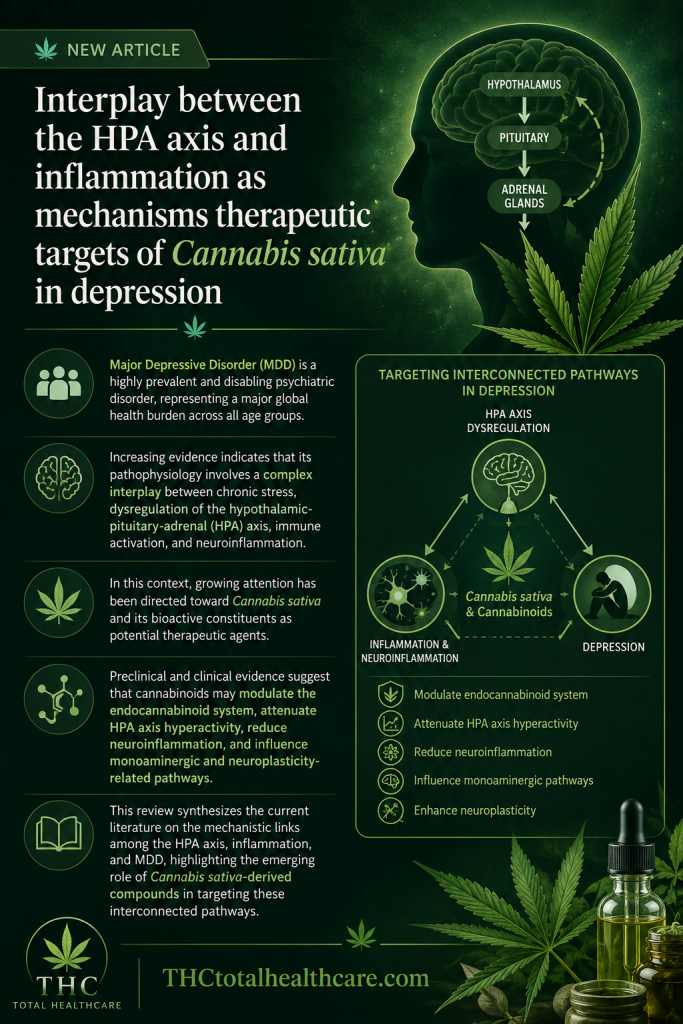
Interplay between the HPA axis and inflammation as mechanisms therapeutic targets of Cannabis sativa in depression

Depression is increasingly understood as a disorder involving not only brain chemistry, but also chronic inflammation and dysregulation of the hypothalamic-pituitary-adrenal (HPA) stress axis. This review examines how Cannabis sativa and its cannabinoids may influence both systems, highlighting interactions with inflammatory signaling, stress hormones, and endocannabinoid pathways involved in mood regulation. The evidence suggests that cannabis-derived compounds may help restore balance across these interconnected biological systems, offering a broader therapeutic approach to depression than targeting a single neurotransmitter pathway alone.

“Major Depressive Disorder (MDD) is a highly prevalent and disabling psychiatric disorder, representing a major global health burden across all age groups.

Increasing evidence indicates that its pathophysiology involves a complex interplay between chronic stress, dysregulation of the hypothalamic-pituitary-adrenal (HPA) axis, immune activation, and neuroinflammation. Persistent HPA axis hyperactivity, glucocorticoid resistance, and altered expression of key regulators such as FKBP51 contribute to sustained inflammatory signaling and impaired neural plasticity in brain regions involved in mood regulation. Epigenetic mechanisms, including DNA methylation and microRNA-mediated regulation, further modulate stress responsivity, inflammatory pathways, and vulnerability to major depressive disorder.

In this context, growing attention has been directed toward Cannabis sativa and its bioactive constituents as potential therapeutic agents.

Preclinical and clinical evidence suggest that cannabinoids may modulate the endocannabinoid system, attenuate HPA axis hyperactivity, reduce neuroinflammation, and influence monoaminergic and neuroplasticity-related pathways.

This review synthesizes the current literature on the mechanistic links among the HPA axis, inflammation, and MDD, highlighting the emerging role of Cannabis sativa-derived compounds in targeting these interconnected pathways.”

https://pubmed.ncbi.nlm.nih.gov/42239513

https://www.frontiersin.org/journals/pharmacology/articles/10.3389/fphar.2026.1801474/full