
 “The endocannabinoid system (ECS) has emerged in recent years as a potential treatment target for alcohol use disorders (AUD).
In particular, the non-psychoactive cannabinoid cannabidiol (CBD) has shown preclinical promise in ameliorating numerous clinical symptoms of AUD.
There are several proposed mechanism(s) through which cannabinoids (and CBD in particular) may confer beneficial effects in the context of AUD. First, CBD may directly impact specific brain mechanisms underlying AUD to influence alcohol consumption and the clinical features of AUD. Second, CBD may influence AUD symptoms through its actions across the digestive, immune, and central nervous systems, collectively known as the microbiota-gut-brain-axis (MGBA).
Notably, emerging work suggests that alcohol and cannabinoids exert opposing effects on the MGBA.
Alcohol is linked to immune dysfunction (e.g., chronic systemic inflammation in the brain and periphery) as well as disturbances in gut microbial species (microbiota) and increased intestinal permeability. These MGBA disruptions have been associated with AUD symptoms such as craving and impaired cognitive control.
Conversely, existing preclinical data suggest that cannabinoids may confer beneficial effects on the gastrointestinal and immune system, such as reducing intestinal permeability, regulating gut bacteria and reducing inflammation. Thus, cannabinoids may exert AUD harm-reduction effects, at least in part, through their beneficial actions across the MGBA.
This review will provide a brief introduction to the ECS and the MGBA, discuss the effects of cannabinoids (particularly CBD) and alcohol in the brain, gut, and immune system (i.e., across the MGBA), and put forth a theoretical framework to inform future research questions.”

 “Endometriosis affects a large proportion of women during their reproductive years and is associated with pain and infertility, also affecting psychological wellbeing and quality of life. The pathogenesis of the disease remains unclear, although it is believed to be multifactorial.
 “Transcutaneous electrical nerve stimulation (TENS) promotes antinociception by activating the descending pain modulation pathway and consequently releasing endogenous analgesic substances.
 “Available data support the notion that
  “Endocannabinoid system consists of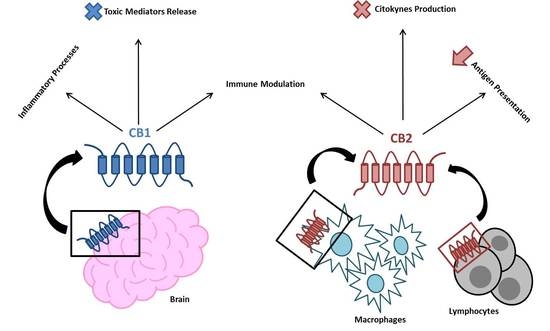
 “As we learn more about the endocannabinoid system (ECS), our understanding and grasp of the system’s ubiquitous presence is expanding. In light of this, there is also a growing body of evidence for the therapeutic potential of ECS modulation in a range of clinical situations. Strategies include for example manipulation of the
  “Excessive binge alcohol drinking may adversely affect cardiovascular function. In this study we characterize the detailed hemodynamic effects of an acute alcohol binge in mice using multiple approaches and investigate the role of the endocannabinoid-
 “Hepatorenal syndrome (HRS) is a life-threatening complication of end-stage liver disease characterized by the rapid decline of kidney function. Herein, we explored the therapeutic potential of targeting the
 “Uncontrolled infection and increased inflammatory mediators might cause systemic inflammatory response. It is already known that