From Hemp Waste to Bioactive Nanofiber Composites: Deep Eutectic Solvents and Electrospinning in Upcycling Endeavors

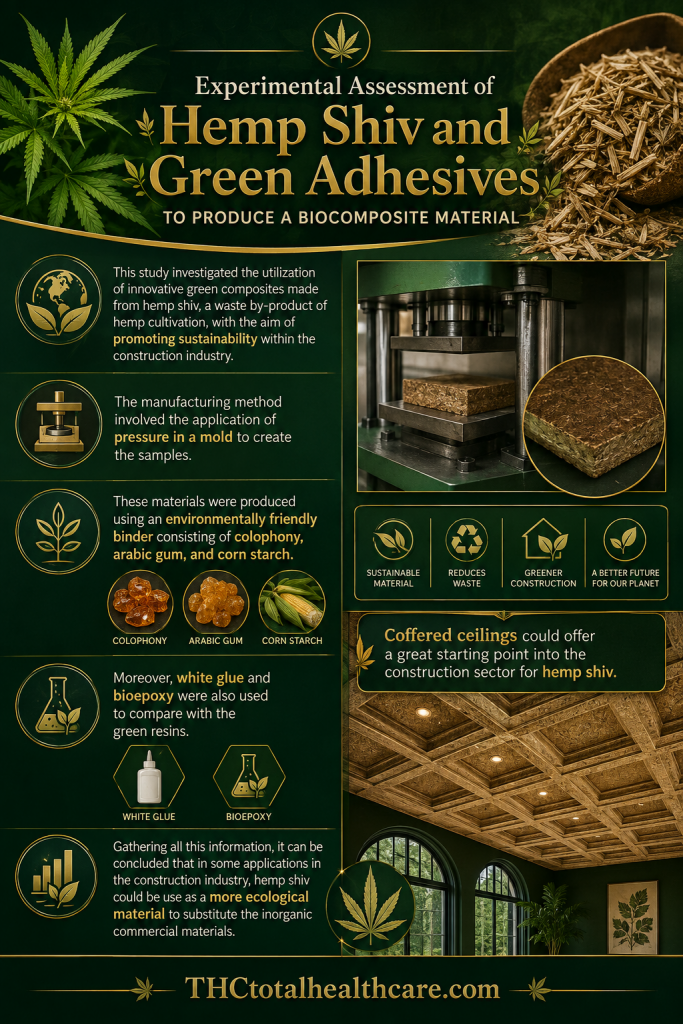
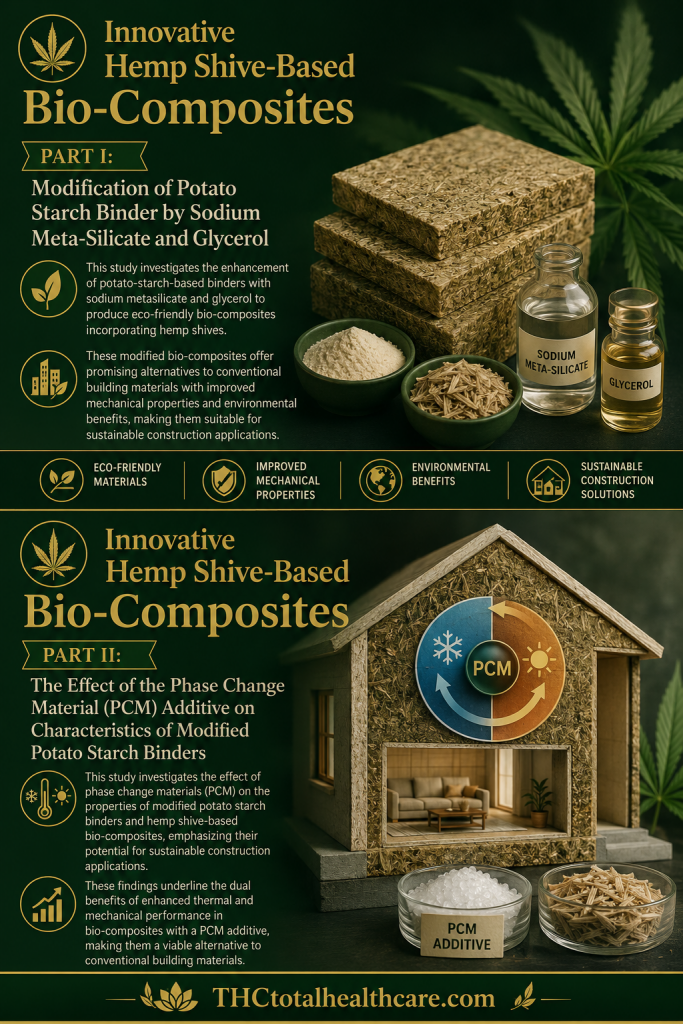
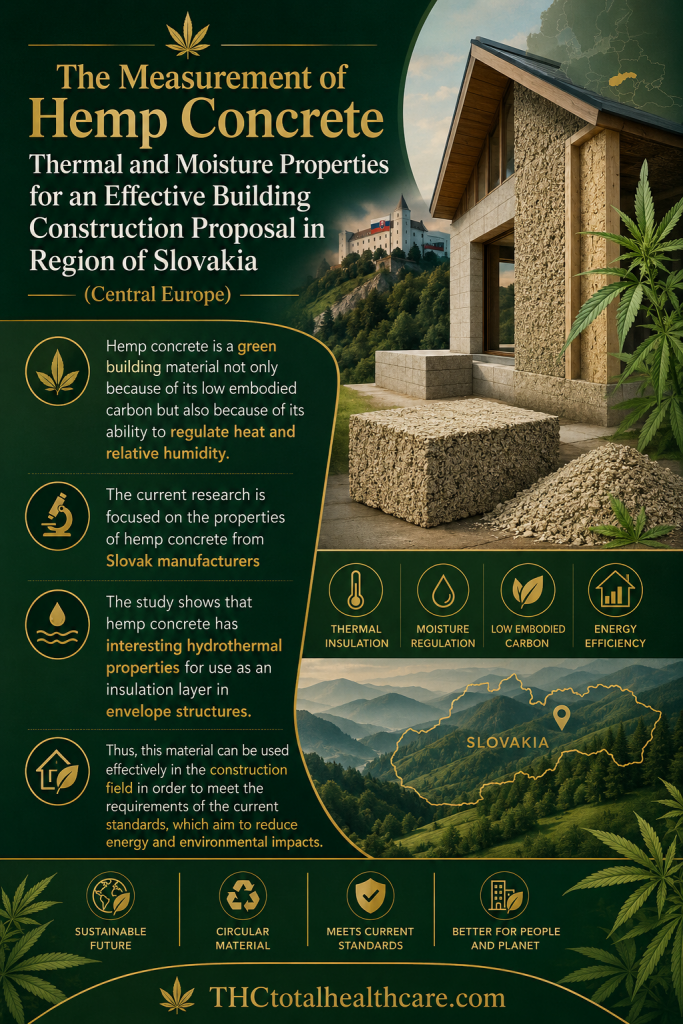
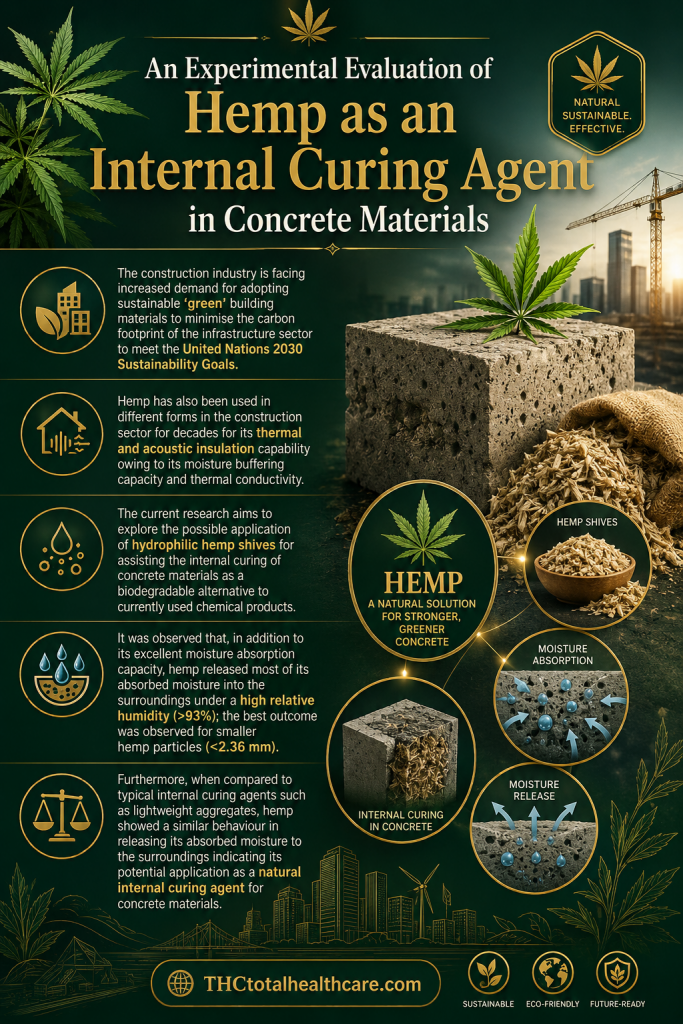
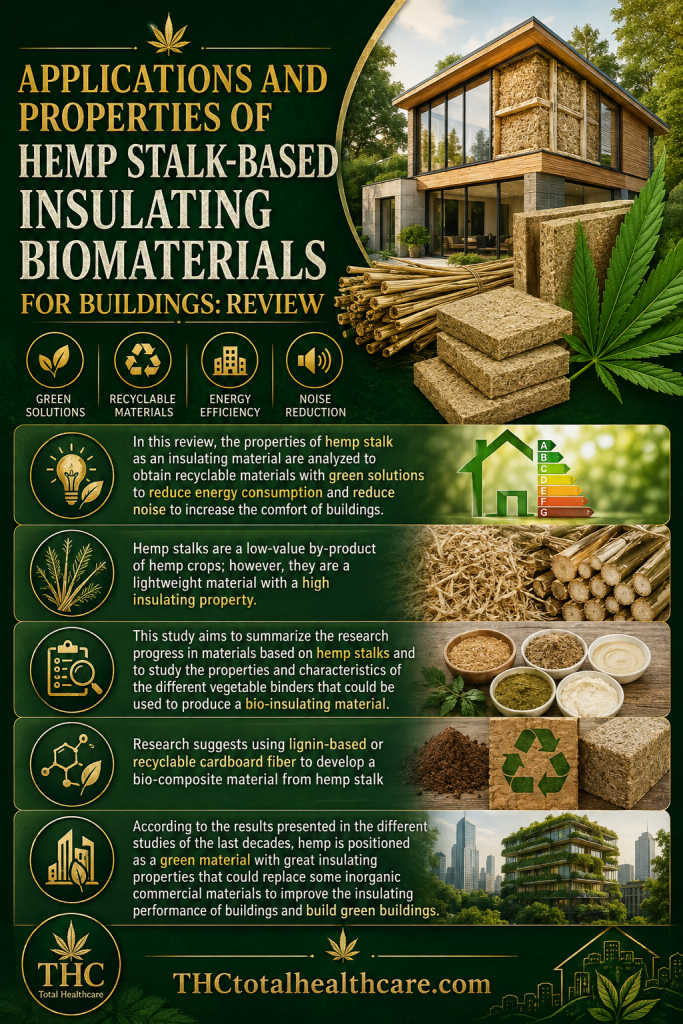
Hemp agricultural waste could become a useful raw material for advanced sustainable products rather than simply being discarded. Researchers transformed hemp waste into electrospun composite nanofibers with improved mechanical strength along with antioxidant and antibacterial properties, demonstrating a promising way to turn cannabis-industry waste into bioactive materials.

“Natural fibers have attracted increasing interest as an alternative to produce environmentally friendly and sustainable materials.

Particularly, hemp fibers have been widely used in various industrial applications due to their extremely unique properties. However, hemp can generate a large amount of agro-waste, and it results in an attractive source of biopolymers for the development of low-cost materials as an alternative to the raw materials and conventional petroleum-based plastics.

In addition, deep eutectic solvents (DESs), a new type of truly green solvents, have been shown to remove gums, lignin, and other non-cellulosic components from hemp fibers. Reusing these components dissolved into the DESs to fabricate new materials directly by electrospinning is a very attractive but still unexplored endeavor.

Thus, this innovative research to venture new upcycling pathways is focused on the fabrication of composite nanofibers by electrospinning of a gel-based blend of Poly(vinyl alcohol) (PVA) and hemp agro-waste (HW) dissolved into choline chloride (ChCl):Glycerol (1:2) and ChCl:Urea (1:2) DES mixtures.

The results obtained revealed that the produced nanofibers displayed uniform appearance with diameters ranging from 257.7 ± 65.6 nm to 380.8 ± 134.0 nm. In addition, the mechanical properties of the electrospun composite nanofibers produced from the gel-based blends of HW dissolved in DESs and PVA (HW-DESs_PVA) were found to be superior, resulting in an enhanced tensile strength and Young’s modulus.

Furthermore, the incorporation of HW into the nanofibers was able to provide bioactive antioxidant and antibacterial properties.

Overall, this study demonstrated a promising, more sustainable, and eco-friendly way to produce electrospun composite nanofibers using HW in a circular economy perspective.”

https://pubmed.ncbi.nlm.nih.gov/38275839

https://www.mdpi.com/2310-2861/10/1/1

Whole-Cell Transformation of Cannabidiol by Selected Filamentous Fungi into Novel Polar Derivatives

Researchers are using fungi as biological tools to transform cannabidiol (CBD) into new chemical derivatives that may have different properties from the original cannabinoid. In this study, selected filamentous fungi converted CBD into several more polar metabolites, expanding the range of cannabinoid compounds that could be explored for future pharmaceutical and biomedical applications.

“Cannabidiol (CBD) is a bioactive phytocannabinoid with considerable pharmacological potential. However, its limited aqueous solubility and high lipophilicity remain significant barriers to its broader pharmaceutical application.

In this study, the enzymatic potential of selected filamentous fungi was investigated as a whole-cell biocatalytic platform for the regioselective functionalization of CBD.

Sixteen fungal strains were screened, and thirteen microorganisms successfully transformed CBD into more polar derivatives. Four strains showing distinct and promising chromatographic profiles were selected for scale-up biotransformation and product isolation: Mucor hiemalis KCh W2, M. hiemalis AM 450, Isaria fumosorosea KCh J2, and Metarhizium robertsii MU4. Eight CBD derivatives were isolated and identified by UHPLC-DAD, NMR spectroscopy, and HRESI-MS, including hydroxylated, glycosylated, and methylglycosylated products.

Among them, two metabolites, 2′-O-(4‴-O-methyl-β-D-glucopyranosyl)-cannabidiol and 2′-O-(4‴-O-methyl-β-D-glucopyranosyl)-5″-hydroxycannabidiol, are reported here as previously undescribed CBD derivatives. 

I. fumosorosea KCh J2 and M. robertsii MU4 demonstrated the ability to catalyse 4-O-methylglycosylation. An additional experiment using 2′-O-(β-D-glucopyranosyl)-cannabidiol as an intermediate supported a sequential pathway involving initial phenolic O-glycosylation followed by methylation of the sugar moiety. In silico analysis predicted reduced lipophilicity for the newly obtained derivatives compared with CBD; however, these computational results require experimental verification and should not be interpreted as evidence of improved aqueous solubility, bioavailability, or biological activity.

These findings demonstrate that filamentous fungi are useful whole-cell biocatalysts for generating structurally diverse CBD derivatives with increased polarity and provide new compounds for future physicochemical and biological evaluation.”

https://pubmed.ncbi.nlm.nih.gov/42589536

https://www.mdpi.com/1422-0067/27/15/6884

In Silico Screening of Cannabis sativa Phytochemicals as Potential Ornithine Decarboxylase Inhibitors for Anti-Leishmanial Drug-Prioritized Compound Development

Leishmaniasis is a neglected tropical disease with limited treatment options, increasing drug resistance, and significant treatment-related toxicity. In this computational study, researchers screened natural compounds against an enzyme essential to parasite survival and found that cannabinol (CBN) was among the compounds showing favorable binding, supporting further investigation of cannabis-derived molecules in anti-leishmanial drug discovery.

“Leishmaniasis remains a major neglected tropical disease with limited therapeutic options, increasing drug resistance, and significant treatment-associated toxicity. Ornithine decarboxylase (ODC), which plays an essential role in polyamine synthesis and survival of parasites, is a potential molecular target for the discovery of anti-leishmanial agents.

In this study, 49 natural products with bioactive properties, such as cannabinoids, terpenoids, flavonoids, polyphenols, and alkaloids, are evaluated against ODC using computational approaches like molecular docking and molecular dynamics (MD) simulations.

During molecular docking analysis, some compounds showed good affinity binding to the ODC catalytic site, namely Sanguinarine (-8.53 kcal/mol), Rutin (-8.15 kcal/mol), Evodiamine (-7.83 kcal/mol), Cannabinol (-7.58 kcal/mol), and β-sitosterol (-7.56 kcal/mol). Analysis of protein-ligand complex interactions showed that these compounds formed hydrogen bonds, hydrophobic interactions, π-alkyl contacts, π-cation contacts, and van der Waals forces in the vicinity of the active-site amino acid residue. For further analysis, MD simulations were performed for 100 ns on the best-docking complexes. Comparative trajectory analysis of RMSD, RMSF, Rg, SASA, and hydrogen bonds was conducted, revealing that Rutin and Evodiamine exhibited relatively high structural stability and consistent interactions within the ODC binding cavity.

Overall, this study indicates that the natural compounds analyzed here could be considered promising hit compounds for anti-leishmanial drug discovery against ODC. However, further investigations using experimental techniques are required to confirm their biological properties and efficacy.”

https://pubmed.ncbi.nlm.nih.gov/42589139

“Leishmaniasis is considered a neglected tropical disease due to limited treatment options, increasing resistance to prioritized compounds, and high toxicity associated with treatment, necessitating the exploration of new potential treatment approaches with improved safety profiles.

In this research, computational tools were used to evaluate the efficacy of certain natural bioactive compounds on Ornithine Decarboxylase, which is a key enzyme involved in parasite viability. Molecular docking found several compounds, including Sanguinarine, Rutin, Evodiamine, Cannabinol, and β-sitosterol, with good binding energy and interaction patterns. Further, molecular dynamics studies showed that Rutin and Evodiamine had relatively stable interactions with the protein target.

Overall, the current findings suggest that selected natural compounds could serve as potential candidates for prioritized compound development in the treatment of leishmaniasis.”

https://www.mdpi.com/2079-7737/15/15/1272

Stability of Cannabinoids in Cannabis: Plant Material, Extracts, Oil Formulations, and Isolates (CBD and Δ9-THC) Under Different Storage Conditions

Cannabinoid products can lose potency or change chemically over time depending on how they are stored. This study compared the stability of CBD and Δ9-THC in cannabis plant material, extracts, oil formulations, and purified isolates under different storage conditions, showing that temperature, light, formulation, and storage duration can significantly influence cannabinoid stability.

Background: The chemical stability of cannabinoids in Cannabis sativa plant material and formulated products is a critical factor for quality control, therapeutic efficacy, and regulatory compliance. Cannabinoids such as THC are prone to degradation over time, which is heavily influenced by storage conditions and the product matrix. Despite its importance, comprehensive long-term stability data comparing different plant chemovars (high THC, high cannabidiol [CBD], and intermediate) alongside processed products like extracts and isolates remains limited. This study aims to evaluate the stability of cannabinoids in plant material, extracts, oil formulations, and isolates (CBD and Δ9-THC) under distinct environmental temperatures to optimize storage guidelines.

Methods: Cannabis plant material representing three distinct chemovars-high THC, high CBD, and intermediate (balanced THC/CBD), extracts, pure isolates (THC and CBD) and CBD extract as oil formulation were subjected to extended stability testing over a prolonged period under three controlled temperature environments: room temperature, refrigeration, and freezing. Quantitative analysis of cannabinoid content was performed at regular intervals using gas chromatography (GC/FID) to track degradation and potency over time.

Results: The stability profiles varied depending on the cannabinoid profile, temperature, and matrix type. For the majority of cannabis-derived products, exposure to room temperature accelerated the degradation of THC into cannabinol (CBN), whereas storage at -20°C preserved cannabinoid integrity over the extended timeline. Notably, a distinct divergence was observed between the compounds: CBD-only products demonstrated robust long-term stability even when maintained at room temperature. Conversely, THC-rich matrices were highly susceptible to ambient degradation but exhibited the highest stability when formulated as ethanolic solutions and stored in the freezer (-20°C).

Conclusion: To maximize cannabinoid shelf-life and prevent degradation, storage temperatures must match product composition. While CBD-dominant products can tolerate room-temperature storage, THC-rich products require cold chain management, ideally stored in a freezer at -20°C for optimal long-term potency.”

https://pubmed.ncbi.nlm.nih.gov/42576671

https://journals.sagepub.com/doi/10.1177/25785125261478275

Priming Canine Adipose Tissue-Derived Mesenchymal Stem Cells with CBD-Rich Cannabis Extract Modulates Neurotrophic Factors Expression Profile

Cannabidiol-rich cannabis extracts may influence the therapeutic behavior of mesenchymal stem cells before they are used in regenerative treatments. In this laboratory study, priming canine adipose-derived mesenchymal stem cells with a CBD-rich extract altered the expression of neurotrophic factors involved in neuronal survival, growth, and repair, suggesting a potential strategy for enhancing stem-cell-based therapies for neurological injury or disease.

“The endocannabinoid system regulates key biological functions such as neuroprotection, pain modulation, inflammation, and immunomodulation.

Cannabis-based therapies have gained attention due to the therapeutic potential of their bioactive compounds, particularly phytocannabinoids like cannabidiol (CBD), which exhibit anti-inflammatory, neuroprotective, and immunomodulatory properties.

Mesenchymal stem cells (MSCs) are widely studied for their regenerative and immunomodulatory potential.

This study evaluated the effects of priming canine adipose tissue-derived MSCs (cAT-MSCs) with a CBD-rich cannabis extract on cell morphology, viability, neurotrophic factor gene expression, and cytokine gene and protein expression.

cAT-MSCs (n = 5) were primed for 24 h and divided into three groups: Control (C, unprimed), D1 (2.25 µM CBD), and D2 (225 nM CBD). No morphological or viability changes were observed. Gene expression analysis showed that groups D1 and D2 exhibited increased HGF expression. D1 also showed increased IDO and decreased BDNF expression. In contrast, no significant changes were observed in GDNF, IL-10, TNF-α, IFN-γ, or PTGES2. Regarding the cytokine profile, GM-CSF, IL-2, and IL-10 were undetectable. Notably, IL-8 and MCP-1 levels were significantly reduced in D1 compared to the control.

These findings suggest that CBD priming modulates key regenerative and inflammatory mediators in cAT-MSCs, supporting its potential application in enhancing the efficacy of cell-based therapies.”

https://pubmed.ncbi.nlm.nih.gov/41150065

“Mesenchymal stem cells (MSCs) are used in veterinary medicine for their regenerative, immunomodulatory, and anti-inflammatory properties. Compounds from cannabis, especially cannabidiol (CBD), have shown promising anti-inflammatory and healing effects.

This study evaluated whether a CBD-rich cannabis extract modulates important regenerative and inflammatory factors in MSCs derived from canine adipose tissue. After priming canine adipose tissue-derived MSCs for 24 h, we found no changes in their morphology or viability. However, the priming with CBD-rich cannabis extract has increased the activity of certain genes linked to tissue repair and reduced the levels of inflammatory cytokines.

These results suggest that CBD can influence key factors that help stem cells repair tissue and control inflammation, potentially improving their use in future veterinary therapies.”

https://www.mdpi.com/2306-7381/12/10/926

Delta-9-Tetrahydrocannabinol (∆9-THC) Induce Neurogenesis and Improve Cognitive Performances of Male Sprague Dawley Rats

THC is often associated with impaired memory, but its effects on the brain may depend heavily on dose and context. In this rat study, Δ9-THC enhanced markers involved in multiple stages of hippocampal neurogenesis and improved learning and memory performance, with the 1.5 mg/kg dose producing particularly strong effects on both neurogenesis and cognitive function.

“Neurogenesis is influenced by various external factors such as enriched environments. Some researchers had postulated that neurogenesis has contributed to the hippocampal learning and memory.

This project was designed to observe the effect of Delta-9-tetrahydrocannabinol (∆9-THC) in cognitive performance that influenced by the neurogenesis.

Different doses of ∆9-THC were used for observing the neurogenesis mechanism occurs in the hippocampus of rats. The brains were stained with antibodies, namely BrdU, glial fibrillary acidic protein (GFAP), nestin, doublecortin (DCX) and class III β-tubulin (TuJ-1). The cognitive test was used novel-object discrimination test (NOD) while the proteins involved, DCX and brain-derived neurotrophic factor (BDNF), were measured.

Throughout this study, ∆9-THC enhanced the markers involved in all stages of neurogenesis mechanism. Simultaneously, the cognitive behaviour of rat also showed improvement in learning and memory functions observed in behavioural test and molecular perspective.

Administration of ∆9-THC was observed to enhance the neurogenesis in the brain, especially in hippocampus thus improved the cognitive function of rats.”

https://pubmed.ncbi.nlm.nih.gov/28933048

“The treatment of 1.5 mg/kg of ∆9-THC has increase all the markers for neurogenesis and cognition function while improve the cognitive performance.”

https://link.springer.com/article/10.1007/s12640-017-9806-x

“Neurogenesis is the scientific term for the birth and growth of new brain cells.”


Cannabis sativa chemotypes modulate TLR-associated innate immune gene expression and reduce BoAHV-1 replication in bovine cells

Cannabis compounds may influence antiviral defenses as well as inflammation. In bovine cells infected with bovine alphaherpesvirus 1, selected Cannabis sativa chemotypes altered TLR-associated innate immune gene expression and reduced viral replication, suggesting that cannabis-derived compounds may have broader immunomodulatory and antiviral potential worth further investigation.

“Cannabis sativa L. produces a wide range of bioactive metabolites, including phytocannabinoids such as tetrahydrocannabinol (THC), cannabidiol (CBD) and cannabigerol (CBG), which exhibit antiviral activity and modulate innate immune responses through Toll-like receptors (TLRs), particularly TLR4 and TLR7. The cross-regulation between cannabinoids and TLRs can influence the production of cytokines and antimicrobial peptides.

Given their key role in orchestrating innate immunity, particularly inflammatory responses and antiviral activity, understanding these processes in bovine immune cells is essential.

This study evaluated the immunomodulatory and antiviral effects of extracts from C. sativa chemotypes – THC-dominant (I), intermediate THC:CBD (II), CBD-dominant (III) and CBG-dominant (IV) – in bovine cells.

In peripheral blood mononuclear cells, chemotype I induced an enhanced inflammatory response, increasing TLR4 and BMAP28 transcription and pro-inflammatory cytokine expression at both transcriptional and protein levels. Similarly, chemotype IV promoted a pro-inflammatory profile characterised by increased TLR4, BMAP28 and IFNβ expression, as well as elevated TNFα protein levels.

In contrast, chemotypes II and III elicited anti-inflammatory effects. Chemotype III decreased TLR4, TLR7, BMAP28, TNFα and IFNβ transcription, although IFNγ protein levels increased. Chemotype II produced a comparable, although less pronounced, anti-inflammatory pattern, reducing TLR4, TLR7, TNFα and IFNβ while increasing BMAP28. Additionally, chemotypes II, III, and IV exhibited antiviral activity in BoAHV-1-infected MDBK cells, significantly reducing viral titres at 48 h post-infection.

Overall, these findings demonstrate that C. sativa chemotypes differentially modulate bovine innate immune gene expression and may also exert antiviral effects, highlighting their potential as dual immunomodulatory and antiviral agents in bovine infectious contexts.”

https://pubmed.ncbi.nlm.nih.gov/42561569

Cannabis sativa L. (Cannabaceae) produces diverse chemically active compounds, with cannabinoids being the most studied class due to their biological and therapeutic potential.”

https://www.sciencedirect.com/science/article/abs/pii/S0161589026001768?via%3Dihub


Real-world quality of life and sleep outcomes in patients treated with THC- and CBD-rich Cannabis oil: a cross-sectional study

Patients using THC- and CBD-rich cannabis oil reported meaningful improvements in both sleep and overall quality of life in this real-world study. The findings suggest that cannabinoid-rich oil formulations may help address multiple symptom domains at once, particularly in patients dealing with persistent sleep disturbance and reduced day-to-day well-being.

“The endocannabinoid system plays an important role in the modulation of pain, mood, sleep, and subjective wellbeing. Despite the growing clinical use of medicinal Cannabis, real-world data simultaneously evaluating quality of life and sleep-related outcomes in heterogeneous clinical populations remain limited.

This study aimed to assess quality of life and sleep satisfaction in patients using medical Cannabis oil under supervised clinical follow-up. This cross-sectional observational study included patients treated with full-spectrum medical Cannabis oil rich in tetrahydrocannabinol (THC) and cannabidiol (CBD) in a real-world clinical setting.

Quality of life was assessed using the World Health Organization Quality of Life-BREF (WHOQOL-BREF), and sleep quality was evaluated using the Pittsburgh Sleep Quality Index (PSQI). Sociodemographic, clinical, and treatment-related data were collected via an electronic questionnaire. Nonparametric analyses, Spearman correlation, and ordinal logistic regression models were performed. Seventy-one participants were included, predominantly female, with diverse clinical conditions.

Participants reported generally favorable perceptions regarding quality of life and sleep satisfaction, with median scores concentrated in the higher response categories. Positive correlations were observed between the psychological domains of quality of life and sleep satisfaction.

Higher Cannabis oil concentrations and longer treatment duration were associated with higher odds of better outcomes.

In a real-world clinical context, supervised use of full-spectrum medical Cannabis oil was associated with favorable patient-reported perceptions of quality of life and sleep, consistent with perceived effectiveness.

These findings highlight the need for longitudinal studies with pre-treatment baseline assessment.”

https://pubmed.ncbi.nlm.nih.gov/42558508

Cannabis sativa L. [Cannabaceae] has a documented history of medicinal use spanning thousands of years across diverse cultural and geographic contexts, with traditional applications encompassing pain relief, mood modulation, sleep induction, and the management of inflammatory and neurological conditions.”

“The growing integration of Cannabis into contemporary clinical practice reflects both the long-standing ethnopharmacological tradition associated with this species and the expanding body of evidence supporting the pharmacological activity of its principal phytocannabinoid metabolites, tetrahydrocannabinol (THC) and cannabidiol (CBD).”

“In summary, the results suggest that, in supervised clinical practice, patients using full-spectrum THC and CBD rich oil reported favorable perceived quality of life and sleep satisfaction.”

https://www.frontiersin.org/journals/pharmacology/articles/10.3389/fphar.2026.1862725/full


Cannabidiol selectively attenuates lipotoxic immunometabolic inflammation in human macrophages

Lipotoxic inflammation caused by excess fatty acids can drive metabolic disease by altering immune-cell function. In human macrophages, cannabidiol (CBD) selectively reduced inflammatory and immunometabolic responses triggered by lipotoxic stress without broadly suppressing normal immune activity. The researchers concluded that CBD may have therapeutic potential for metabolic disorders characterized by chronic lipid-driven inflammation.

“The role of saturated fatty acid-induced immunometabolic stress in macrophage dysfunction during metabolic disease remains incompletely understood, particularly the interplay between inflammatory signaling and intracellular lipid handling.

We employed a tightly controlled palmitic acid (PA)-based lipotoxicity model in PMA-differentiated U937-derived human macrophage-like cells to investigate how lipid excess reshapes inflammatory responses and to evaluate the modulatory effects of cannabidiol (CBD).

PA exposure induced a metabolically stressed yet viable macrophage phenotype, characterized by a broad cytokine remodeling profile. This included induction of classical proinflammatory cytokines such as interleukin (IL)-6, together with activation of inflammasome-associated cytokines IL-1β and IL-18 and additional immunoregulatory mediators, while tumor necrosis factor alpha (TNF-α) contributed to the overall inflammatory profile in a multivariate analysis. These changes were accompanied by a significant, time-dependent storage of intracellular triglycerides (TG) consistent with lipid overload and altered lipid handling.

CBD co-treatment did not compromise cell viability but selectively attenuated PA-induced inflammatory response in a cytokine-dependent manner, with the most significant reduction observed at higher concentrations. In parallel, CBD significantly reduced intracellular TG accumulation under lipotoxic conditions.

Collectively, these findings define a lipotoxicity-associated macrophage phenotype driven by saturated fatty acids and identify CBD as a context-dependent modulator of immunometabolic inflammation.

This work provides a controlled experimental framework to study lipid-driven inflammatory dysfunction and supports the potential of CBD as a targeted strategy to modulate metabolic inflammation without broadly suppressing immune function.”

https://pubmed.ncbi.nlm.nih.gov/42534637

“Cannabidiol (CBD), a non-psychoactive phytocannabinoid, has emerged as a potential regulator of inflammatory and metabolic processes. Unlike traditional anti-inflammatory drugs, CBD exerts context-dependent immunomodulatory effects across multiple experimental systems, encompassing both immune and metabolic cells.”

“Overall, this work supports CBD as a context-dependent modulator of immunometabolism response in PMA-differentiated U937-derived macrophages and provides a controlled experimental framework for studying lipid-driven inflammatory dysfunction in U937-derived macrophages.”

https://www.frontiersin.org/journals/immunology/articles/10.3389/fimmu.2026.1873494/full

Cannabidiol-Dominant Cannabis sativa L. Inflorescence Extract Ameliorates Atopic Dermatitis by Modulating NLRP3 Inflammasome and JAK1/STAT6 Signaling in DNCB-Induced Mice

Atopic dermatitis is driven by chronic skin inflammation, immune dysregulation, and disruption of the skin barrier. In a mouse model, a CBD-dominant Cannabis sativa flower extract reduced dermatitis severity, inflammatory cytokines, and immune-cell infiltration while modulating the NLRP3 inflammasome and JAK1/STAT6 signaling pathways. The researchers concluded that the extract may have therapeutic potential for atopic dermatitis through combined anti-inflammatory and immunomodulatory effects.

Background/objectives: Atopic dermatitis (AD) is a chronic inflammatory skin disorder requiring sustainable therapeutic alternatives. Cannabis sativa L. is a valuable industrial crop rich in bioactive secondary metabolites; its potential as a standardized functional ingredient for promoting skin health has not yet been fully investigated. This study aimed to evaluate the therapeutic effects of a chemically characterized C. sativa inflorescence ethanol extract (CSE) on AD.

Methods: To evaluate the efficacy of CSE, phytochemical profiling was performed using UPLC, and its underlying molecular mechanisms were investigated in a DNCB-induced mouse model.

Results: UPLC analysis was employed to establish the phytochemical profile, identifying 15 cannabinoids and quantifying 8 major components. CBDA was the most abundant component, with a content of 261.79 mg/g in the extract. In a DNCB-induced mouse model, CSE significantly reduced mast cell infiltration and serum IgE levels while downregulating Th2-associated cytokines. At the molecular level, CSE inhibited the activation of the MAPK, NLRP3 inflammasome, and JAK1/STAT6 signaling pathways. Crucially, CSE treatment substantially increased the expression of skin barrier proteins, such as filaggrin and involucrin, thereby enhancing skin hydration.

Conclusions: These findings suggest CSE as a high-value functional ingredient capable of ameliorating AD by modulating multi-target immune responses. This study provides a robust scientific basis for utilizing standardized C. sativa inflorescence as a potent functional ingredient or a nutraceutical agent for the management of chronic skin inflammatory conditions.”

https://pubmed.ncbi.nlm.nih.gov/42514451

“In conclusion, this study provides a comprehensive scientific basis for the use of CSE by demonstrating its multi-target modulation of inflammatory pathways, specifically the MAPK/NLRP3 and JAK1/STAT6 pathways. These results indicate that CSE is a promising candidate for the management of AD. Despite the recognized limitations, such as the need for comparative studies with isolated compounds, our findings suggest that CSE possesses substantial potential as a valuable nutraceutical and cosmeceutical resource. Ultimately, CSE represents a high-value material with significant prospects for both therapeutic and industrial applications.”

https://www.mdpi.com/2072-6643/18/14/2382