

Signaling Pathways Involved in the Cardioprotective Effects of Cannabinoids

jphs

“The aim of the present article is to review the cardioprotective properties of cannabinoids, with an emphasis on the signaling pathways involved.

Cannabinoids have been reported to protect against ischemia in rat isolated hearts, as well as in rats and mice in vivo.

Finally, although nitric oxide (NO) was shown to exert both pro and anti-apoptotic effects on cardiomyocytes, with an apparently controversial effect on myocardial survival, our data suggest that NO may contribute to the cardioprotective effect of some cannabinoids.”

“Signaling pathways involved in the cardioprotective effects of cannabinoids.”  http://www.ncbi.nlm.nih.gov/pubmed/17031075

https://www.jstage.jst.go.jp/article/jphs/102/2/102_2_155/_article
6B.09: EFFECT OF CANNABINOID RECEPTOR ACTIVATION ON ABERRANT MITOCHONDRIAL BIOENERGETICS IN HYPERTROPHIED CARDIAC MYOCYTES.

“We recently reported that activation of endocannabinoid receptors attenuates cardiac myocyte hypertrophy. Mitochondrial dysfunction has emerged as a critical determinant of aberrant myocyte energy production in cardiac hypertrophy. Thus, we determined endocannabinoid influence on mitochondrial function in the hypertrophied cardiac myocyte…

The cardioprotective actions of liganded cannabinoid receptors extend to the mitochondrial level. Therefore, a cannabinoid-based treatment for cardiac disease remains a potential therapeutic strategy that warrants further study.”

http://www.ncbi.nlm.nih.gov/pubmed/26102932

Cannabidiol protects against doxorubicin-induced cardiomyopathy by modulating mitochondrial function and biogenesis.

“Doxorubicin (DOX) is a widely used, potent chemotherapeutic agent; however, its clinical application is limited because of its dose-dependent cardiotoxicity. DOX’s cardiotoxicity involves increased oxidative/nitrative stress, impaired mitochondrial function in cardiomyocytes/endothelial cells, and cell death.

Cannabidiol is a non-psychotropic constituent of marijuana, which is well-tolerated in humans, with antioxidant, anti-inflammatory, and recently discovered antitumor properties.

We aimed to explore the effects of cannabidiol in a well-established mouse model of DOX-induced cardiomyopathy…

Treatment with cannabidiol markedly improved DOX-induced cardiac dysfunction, oxidative/nitrative stress and cell death. Cannabidiol also enhanced the DOX-induced impaired cardiac mitochondrial function and biogenesis.

These data suggest that cannabidiol may represent a novel cardioprotective strategy against DOX-induced cardiotoxicity, and the above described effects on mitochondrial function and biogenesis may contribute to its beneficial properties described in numerous other models of tissue injury.”

http://www.ncbi.nlm.nih.gov/pubmed/25569804

Ligand Activation of Cannabinoid Receptors Attenuates Hypertrophy of Neonatal Rat Cardiomyocytes.

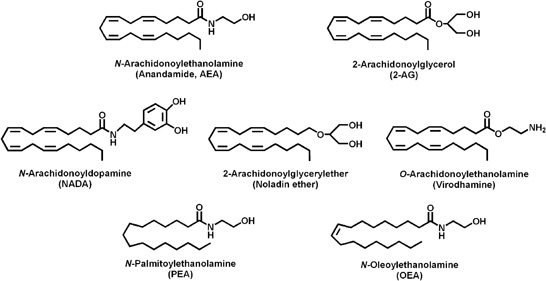
“Endocannabinoids are bioactive amides, esters and ethers of long chain polyunsaturated fatty acids. Evidence suggests that activation of the endocannabinoid pathway offers cardioprotection against myocardial ischemia, arrhythmias, and endothelial dysfunction of coronary arteries.

…may represent a novel therapeutic approach to cardioprotection.”

http://www.ncbi.nlm.nih.gov/pubmed/24979612

A new face of endocannabinoids in pharmacotherapy. Part I & II

“A new face of endocannabinoids in pharmacotherapy. Part I: Protective role of endocannabinoids in hypertension and myocardial infarction.

Cannabinoids are compounds which were first isolated from the Cannabis sativa plant. For thousands of years they have been used for treatment of numerous diseases.

Currently, synthetic cannabinoids and endocannabinoids are also known. Cannabinoid receptors, endocannabinoids and the enzymes that catalyze their synthesis and degradation constitute the endocannabinoid system which plays an important role in functioning of the cardiovascular system.

The results obtained to date suggest the involvement of endocannabinoids in the pathology of many cardiovascular diseases, including myocardial infarction, hypertension and hypotension associated with hemorrhagic, endotoxic, and cardiogenic shock. Cardioprotective effect and dilation of coronary vessels induced by endocannabinoids deserve special attention.

It cannot be excluded now that in the future our better understanding of cannabinoid system will allow to develop new strategies for treatment of cardiovascular diseases.”

http://www.jpp.krakow.pl/journal/archive/04_14/pdf/171_04_14_article.pdf

“A new face of endocannabinoids in pharmacotherapy. Part II. Role of endocannabinoids in inflammation-derived cardiovaascular diseases.

 Endocannabinoids play an important role in cardiovascular diseases caused by inflammatory disorders. Endocannabinoids are endogenous bioactive lipids that activate cannabinoid receptors and together with enzymes responsible for their synthesis and degradation constitute endocannabinoid system.

The results obtained to date suggest the involvement of endocannabinoids in the pathology of many cardiovascular diseases associated with inflammation, such as atherosclerosis, restenosis, chemotherapy-induced myocardial injury, diabetic and hepatic cirrhosis cardiomyopathy.

Our better understanding of cannabinoid system may result in the development of new strategies for the treatment of such disorders.”

http://www.jpp.krakow.pl/journal/archive/04_14/pdf/183_04_14_article.pdf

Effects of cannabinoid receptor type 2 on endogenous myocardial regeneration by activating cardiac progenitor cells in mouse infarcted heart.

“Cannabinoid receptor type 2 (CB2) activation is recently reported to promote proliferation of some types of resident stem cells (e.g., hematopoietic stem/progenitor cell or neural progenitor cell).

Resident cardiac progenitor cell (CPC) activation and proliferation are crucial for endogenous cardiac regeneration and cardiac repair after myocardial infarction (MI). This study aims to explore the role and possible mechanisms of CB2 receptor activation in enhancing myocardial repair…

In conclusion, AM1241 could induce myocardial regeneration and improve cardiac function, which might be associated with PI3K/Akt/Nrf2 signaling pathway activation.

Our findings may provide a promising strategy for cardiac endogenous regeneration after MI.”

http://www.ncbi.nlm.nih.gov/pubmed/24430557