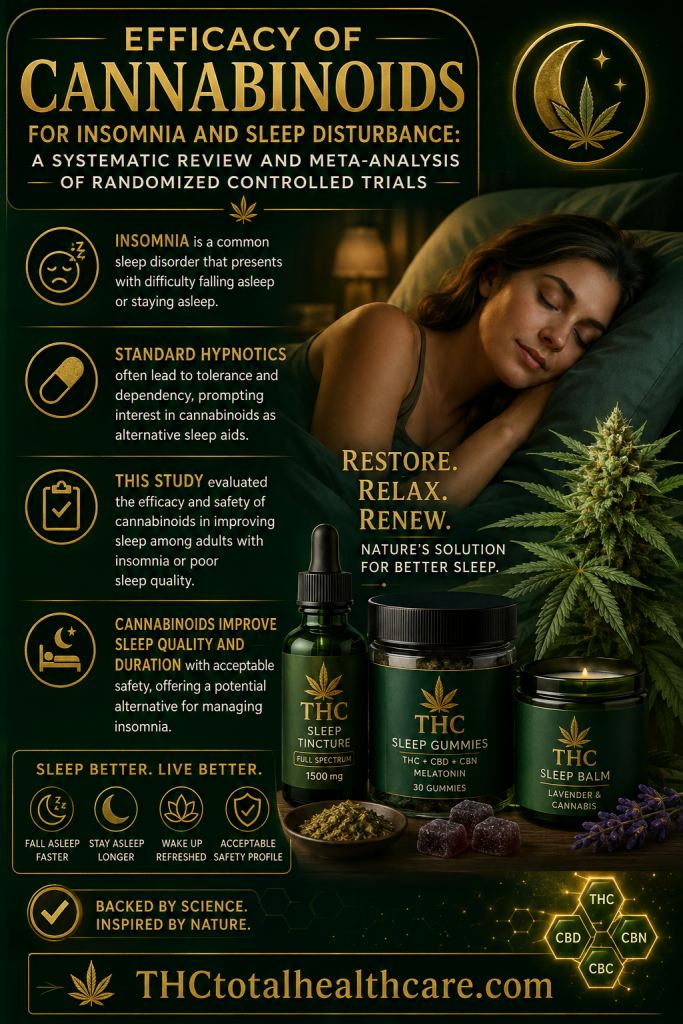
Efficacy of cannabinoids for insomnia and sleep disturbance: A systematic review and meta-analysis of randomized controlled trials

Cannabinoids may offer a meaningful alternative for adults struggling with insomnia and poor sleep quality. In a meta-analysis of 10 randomized controlled trials involving 2,134 participants, cannabinoids significantly reduced insomnia severity, improved sleep quality, increased total sleep time by about 34 minutes, and modestly shortened the time needed to fall asleep.

Background: Insomnia is a common sleep disorder that presents with difficulty falling asleep or staying asleep. Standard hypnotics often lead to tolerance and dependency, prompting interest in cannabinoids as alternative sleep aids. This study evaluated the efficacy and safety of cannabinoids in improving sleep among adults with insomnia or poor sleep quality.

Methods: PubMed, EMBASE, Cochrane Library, Scopus, and Web of Science were searched from inception to January 2025 for randomized controlled trials (RCTs) comparing cannabinoids with placebo or melatonin. Primary outcomes were changes in Insomnia Severity Index (ISI) and Pittsburgh Sleep Quality Index (PSQI). Pooled mean differences (MD) or risk ratios (RR) with 95% confidence intervals (CI) were calculated using random-effects models.

Results: Ten RCTs involving 2134 participants were included. Cannabinoids significantly reduced insomnia severity (MD -3.73; 95% CI -5.04 to -2.42; p < 0.001) and improved sleep quality (MD -3.94; 95% CI -5.47 to -2.40; p < 0.001). Total sleep time increased by 33.99 min (95% CI 20.39 to 47.60), and sleep efficiency improved by 4.31% (95% CI 3.00 to 5.62). Sleep onset latency was modestly reduced (MD -12.0 min; 95% CI -22.6 to -1.4; p = 0.03). Adverse events, mostly mild dizziness and dry mouth, were more frequent with cannabinoids (RR 3.96; 95% CI 1.75 to 9.00), but no serious harms were observed.

Conclusion: Cannabinoids improve sleep quality and duration with acceptable safety, offering a potential alternative for managing insomnia. Larger, long-term trials are warranted to define optimal dosing and sustained efficacy.”

https://pubmed.ncbi.nlm.nih.gov/42574897

“Cannabinoids significantly improved insomnia symptoms and overall sleep quality compared with control treatments.”

“Participants receiving cannabinoids experienced longer sleep duration and better sleep efficiency.”

“Cannabinoid use was associated with faster sleep initiation and improved nighttime sleep continuity.”

https://www.sciencedirect.com/science/article/abs/pii/S1389945726004326?via%3Dihub
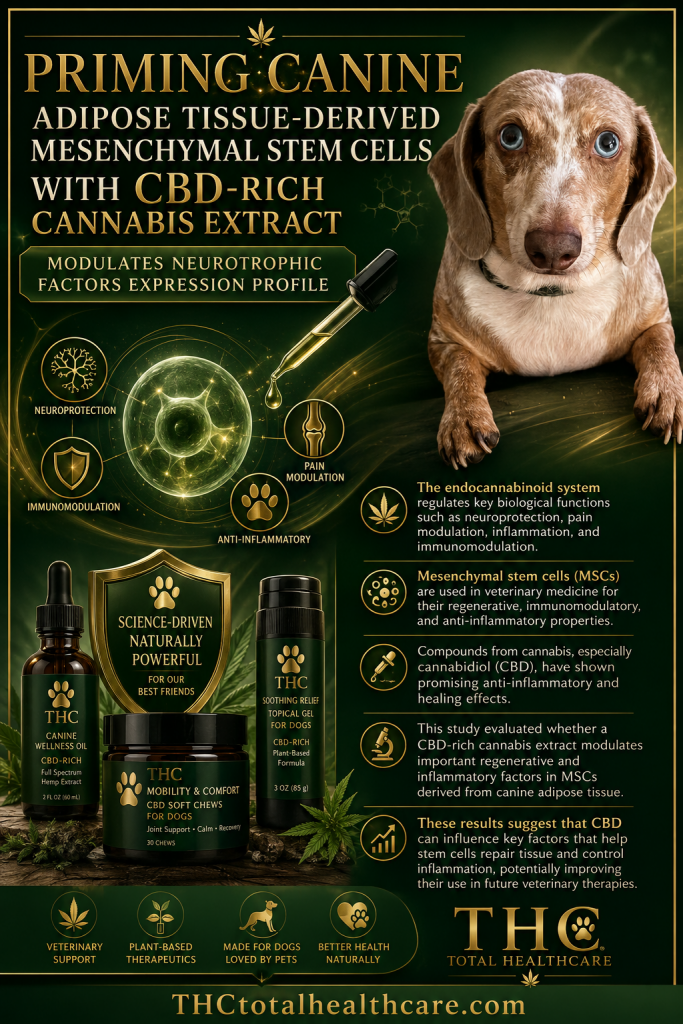
Priming Canine Adipose Tissue-Derived Mesenchymal Stem Cells with CBD-Rich Cannabis Extract Modulates Neurotrophic Factors Expression Profile

Cannabidiol-rich cannabis extracts may influence the therapeutic behavior of mesenchymal stem cells before they are used in regenerative treatments. In this laboratory study, priming canine adipose-derived mesenchymal stem cells with a CBD-rich extract altered the expression of neurotrophic factors involved in neuronal survival, growth, and repair, suggesting a potential strategy for enhancing stem-cell-based therapies for neurological injury or disease.

“The endocannabinoid system regulates key biological functions such as neuroprotection, pain modulation, inflammation, and immunomodulation.

Cannabis-based therapies have gained attention due to the therapeutic potential of their bioactive compounds, particularly phytocannabinoids like cannabidiol (CBD), which exhibit anti-inflammatory, neuroprotective, and immunomodulatory properties.

Mesenchymal stem cells (MSCs) are widely studied for their regenerative and immunomodulatory potential.

This study evaluated the effects of priming canine adipose tissue-derived MSCs (cAT-MSCs) with a CBD-rich cannabis extract on cell morphology, viability, neurotrophic factor gene expression, and cytokine gene and protein expression.

cAT-MSCs (n = 5) were primed for 24 h and divided into three groups: Control (C, unprimed), D1 (2.25 µM CBD), and D2 (225 nM CBD). No morphological or viability changes were observed. Gene expression analysis showed that groups D1 and D2 exhibited increased HGF expression. D1 also showed increased IDO and decreased BDNF expression. In contrast, no significant changes were observed in GDNF, IL-10, TNF-α, IFN-γ, or PTGES2. Regarding the cytokine profile, GM-CSF, IL-2, and IL-10 were undetectable. Notably, IL-8 and MCP-1 levels were significantly reduced in D1 compared to the control.

These findings suggest that CBD priming modulates key regenerative and inflammatory mediators in cAT-MSCs, supporting its potential application in enhancing the efficacy of cell-based therapies.”

https://pubmed.ncbi.nlm.nih.gov/41150065

“Mesenchymal stem cells (MSCs) are used in veterinary medicine for their regenerative, immunomodulatory, and anti-inflammatory properties. Compounds from cannabis, especially cannabidiol (CBD), have shown promising anti-inflammatory and healing effects.

This study evaluated whether a CBD-rich cannabis extract modulates important regenerative and inflammatory factors in MSCs derived from canine adipose tissue. After priming canine adipose tissue-derived MSCs for 24 h, we found no changes in their morphology or viability. However, the priming with CBD-rich cannabis extract has increased the activity of certain genes linked to tissue repair and reduced the levels of inflammatory cytokines.

These results suggest that CBD can influence key factors that help stem cells repair tissue and control inflammation, potentially improving their use in future veterinary therapies.”

https://www.mdpi.com/2306-7381/12/10/926

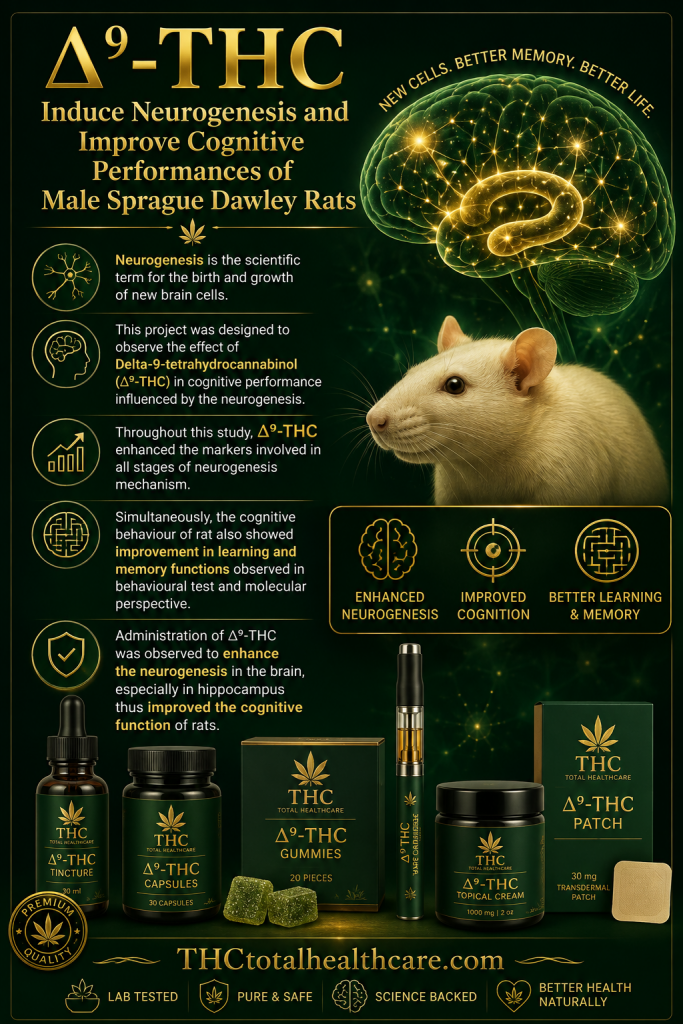
Delta-9-Tetrahydrocannabinol (∆9-THC) Induce Neurogenesis and Improve Cognitive Performances of Male Sprague Dawley Rats

THC is often associated with impaired memory, but its effects on the brain may depend heavily on dose and context. In this rat study, Δ9-THC enhanced markers involved in multiple stages of hippocampal neurogenesis and improved learning and memory performance, with the 1.5 mg/kg dose producing particularly strong effects on both neurogenesis and cognitive function.

“Neurogenesis is influenced by various external factors such as enriched environments. Some researchers had postulated that neurogenesis has contributed to the hippocampal learning and memory.

This project was designed to observe the effect of Delta-9-tetrahydrocannabinol (∆9-THC) in cognitive performance that influenced by the neurogenesis.

Different doses of ∆9-THC were used for observing the neurogenesis mechanism occurs in the hippocampus of rats. The brains were stained with antibodies, namely BrdU, glial fibrillary acidic protein (GFAP), nestin, doublecortin (DCX) and class III β-tubulin (TuJ-1). The cognitive test was used novel-object discrimination test (NOD) while the proteins involved, DCX and brain-derived neurotrophic factor (BDNF), were measured.

Throughout this study, ∆9-THC enhanced the markers involved in all stages of neurogenesis mechanism. Simultaneously, the cognitive behaviour of rat also showed improvement in learning and memory functions observed in behavioural test and molecular perspective.

Administration of ∆9-THC was observed to enhance the neurogenesis in the brain, especially in hippocampus thus improved the cognitive function of rats.”

https://pubmed.ncbi.nlm.nih.gov/28933048

“The treatment of 1.5 mg/kg of ∆9-THC has increase all the markers for neurogenesis and cognition function while improve the cognitive performance.”

https://link.springer.com/article/10.1007/s12640-017-9806-x

“Neurogenesis is the scientific term for the birth and growth of new brain cells.”

Need this THC study explained? thcXplained.com

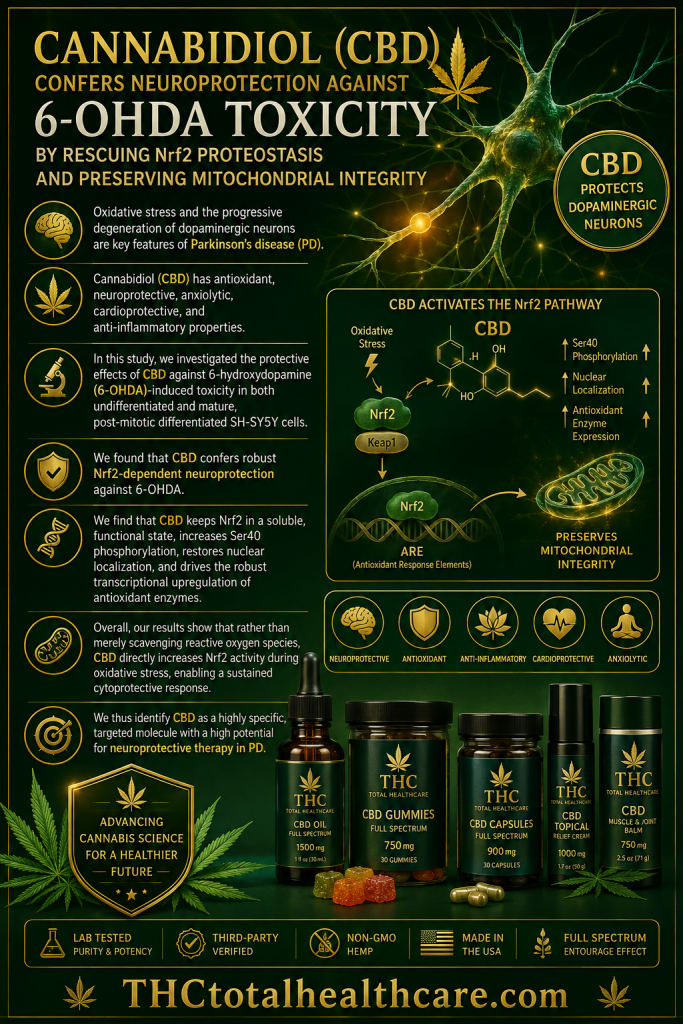
Cannabidiol confers neuroprotection against 6-OHDA toxicity by rescuing Nrf2 proteostasis and preserving mitochondrial integrity

Oxidative stress and mitochondrial dysfunction are major contributors to the loss of dopamine-producing neurons in Parkinson’s disease. In this cellular model, cannabidiol (CBD) protected against 6-OHDA-induced neurotoxicity by restoring Nrf2-dependent antioxidant defenses, preserving mitochondrial integrity, and reducing cellular damage.

“Oxidative stress and the progressive degeneration of dopaminergic neurons are key features of Parkinson’s disease (PD). The intrinsically disordered structure of the transcription factor Nuclear factor erythroid 2-related factor 2 (Nrf2), which coordinates the main cellular antioxidant response of the body, makes it highly susceptible to misfolding and aggregation under severe oxidative stress, compromising cellular survival.

Cannabidiol (CBD) has potent neuroprotective properties, but its exact molecular mechanism within the dopaminergic redox environment remains unclear. In this study, we investigated the protective effects of CBD against 6-hydroxydopamine (6-OHDA)-induced toxicity in both undifferentiated and mature, post-mitotic differentiated SH-SY5Y cells.

We found that CBD confers robust Nrf2-dependent neuroprotection against 6-OHDA. Importantly, we uncover a previously unexplored mechanism of neuroprotection by which CBD actively prevents the stress-induced sequestration of Nrf2 into insoluble cytoplasmic inclusions under oxidative stress.

We find that CBD keeps Nrf2 in a soluble, functional state, increases Ser40 phosphorylation, restores nuclear localization, and drives the robust transcriptional upregulation of antioxidant enzymes. This targeted activation of Nrf2 effectively reduces intracellular reactive oxygen species (ROS), significantly attenuates mitochondrial fragmentation, and decreases aberrant mitophagic activity.

Overall, our results show that rather than merely scavenging reactive oxygen species, CBD directly increases Nrf2 activity during oxidative stress, enabling a sustained cytoprotective response.

We thus identify CBD as a highly specific, targeted molecule with a high potential for neuroprotective therapy in PD.”

https://pubmed.ncbi.nlm.nih.gov/42570822

“CBD has antioxidant, neuroprotective, anxiolytic, cardioprotective, and anti-inflammatory properties.”

https://www.sciencedirect.com/science/article/pii/S0891584926010105?via%3Dihub


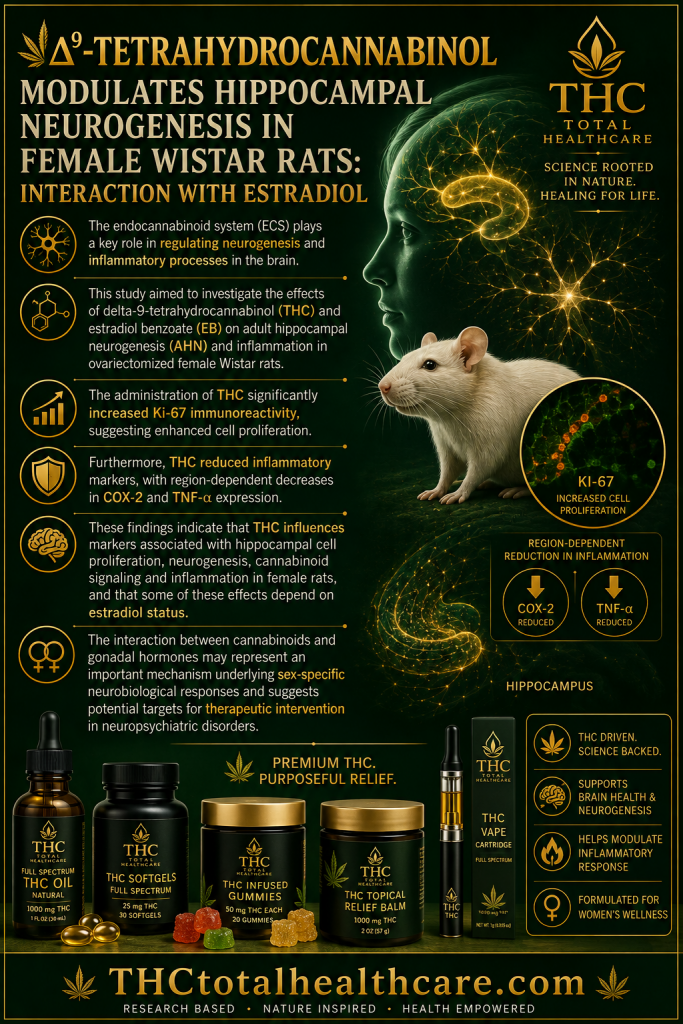
Δ9-Tetrahydrocannabinol Modulates Hippocampal Neurogenesis in Female Wistar Rats: Interaction with Estradiol

THC may influence the female brain through both neurogenic and anti-inflammatory mechanisms. In ovariectomized female rats, Δ9-THC significantly increased hippocampal cell proliferation, showed evidence of enhanced neurogenesis, and reduced the inflammatory markers COX-2 and TNF-α. The effects also interacted with estradiol, highlighting the importance of hormonal status in determining THC’s actions in the brain.

“The endocannabinoid system (ECS) plays a key role in regulating neurogenesis and inflammatory processes in the brain.

The increasing prevalence of Cannabis use among women highlights the importance of understanding sex-specific effects of cannabinoids, particularly in the context of hormonal interactions.

This study aimed to investigate the effects of delta-9-tetrahydrocannabinol (THC) and estradiol benzoate (EB) on adult hippocampal neurogenesis (AHN) and inflammation in ovariectomized female Wistar rats.

Sixteen rats were allocated to four experimental groups receiving THC, EB, both treatments, and vehicle. Immunohistochemical analyses were conducted to evaluate markers of proliferation (Ki-67), neurogenesis (doublecortin and PSA-NCAM), cannabinoid receptor expression (CB1), and inflammation (COX-2 and TNF-α) in the hippocampal formation.

The administration of THC significantly increased Ki-67 immunoreactivity, suggesting enhanced cell proliferation. A trend toward increased doublecortin expression was observed, particularly in EB-treated animals. THC also modulated CB1 receptor expression, with significant increases in the dentate gyrus and hilus following combined THC and EB treatment. Furthermore, THC reduced inflammatory markers, with region-dependent decreases in COX-2 and TNF-α expression.

These findings indicate that THC influences markers associated with hippocampal cell proliferation, neurogenesis, cannabinoid signaling and inflammation in female rats, and that some of these effects depend on estradiol status.

The interaction between cannabinoids and gonadal hormones may represent an important mechanism underlying sex-specific neurobiological responses and suggests potential targets for therapeutic intervention in neuropsychiatric disorders.”

https://pubmed.ncbi.nlm.nih.gov/42570151

https://link.springer.com/article/10.1007/s11064-026-04857-w


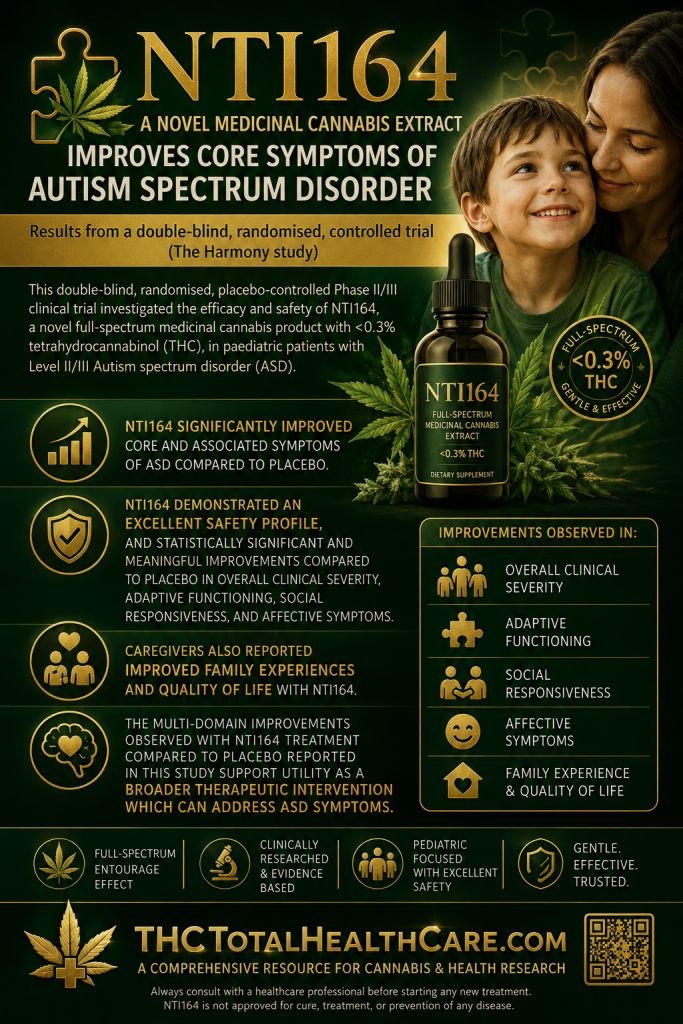
NTI164, a novel medicinal cannabis extract, improves core symptoms of autism spectrum disorder: Results from a double-blind, randomised, controlled trial (The Harmony study)

Current medications for autism spectrum disorder generally target associated symptoms rather than the core features of ASD. In this randomized, double-blind, placebo-controlled Phase II/III trial, the full-spectrum medicinal cannabis extract NTI164 significantly improved overall clinical severity, adaptive functioning, social responsiveness, mood, anxiety, and family quality of life in children and adolescents with moderate-to-severe ASD, while demonstrating an excellent safety profile.

“Autism spectrum disorder (ASD) is a heterogeneous neurodevelopmental disorder, characterised by difficulties with communication, social interaction, repetitive behaviours, restricted interests, and varying levels of intellectual disability. Aetiology remains unclear for many patients and the underlying physiology is complex. Approved pharmacological treatments of ASD target irritability, temper tantrums, and agitation, with no therapies targeting core ASD symptoms.

This double-blind, randomised, placebo-controlled Phase II/III clinical trial investigated the efficacy and safety of NTI164, a novel full-spectrum medicinal cannabis product with <0.3% tetrahydrocannabinol (THC), in paediatric patients with Level II/III ASD.

Participants were recruited from a tertiary paediatric neurology clinic and randomised to receive NTI164 up to 20 mg/kg/day or placebo for an 8-week double-blind phase; participants receiving placebo were able to receive NTI164 in an 8-week open label phase following the double-blind phase. Safety assessments, clinician-, and caregiver-rated tools measuring symptoms were utilised at baseline and Week 8. Analysis of Covariance (ANCOVA) was used for statistical analyses.

NTI164 demonstrated an excellent safety profile, and statistically significant and meaningful improvements compared to placebo in overall clinical severity, adaptive functioning, social responsiveness, and affective symptoms. Caregivers also reported improved family experiences and quality of life with NTI164. Participants who transitioned from placebo to NTI164 open label reported similar improvements as those reported during the double-blind phase.

NTI164 significantly improved core and associated symptoms of ASD compared to placebo.

Consistent benefits reported by both clinicians and caregivers in both open label and double-blind contexts supports further clinical development of NTI164 in ASD.”

https://pubmed.ncbi.nlm.nih.gov/42561512

“The multi-domain improvements observed with NTI164 treatment compared to placebo reported in this study support utility as a broader therapeutic intervention which can address ASD symptoms.

This randomised, double-blind, placebo-controlled clinical trial in children and adolescents with moderate-severe ASD showed NTI164 meaningfully improves global impression of clinical severity, adaptive functioning, aspects of social responsiveness, mood, anxiety, and family experiences, with an excellent safety profile.”

https://www.neurotherapeuticsjournal.org/article/S1878-7479(26)00203-5/fulltext


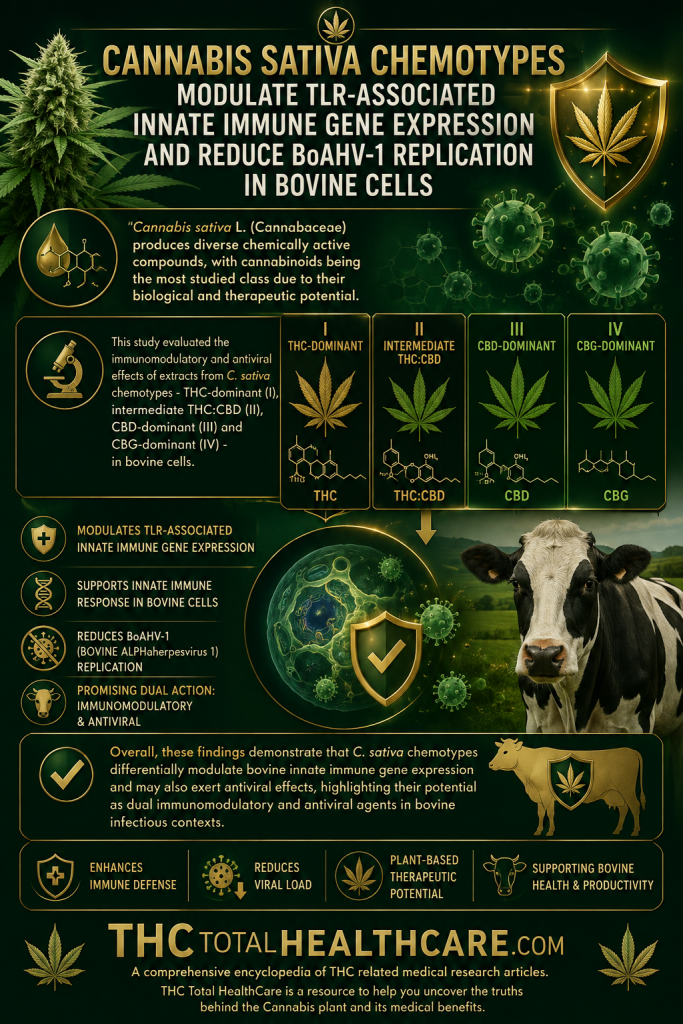
Cannabis sativa chemotypes modulate TLR-associated innate immune gene expression and reduce BoAHV-1 replication in bovine cells

Cannabis compounds may influence antiviral defenses as well as inflammation. In bovine cells infected with bovine alphaherpesvirus 1, selected Cannabis sativa chemotypes altered TLR-associated innate immune gene expression and reduced viral replication, suggesting that cannabis-derived compounds may have broader immunomodulatory and antiviral potential worth further investigation.

“Cannabis sativa L. produces a wide range of bioactive metabolites, including phytocannabinoids such as tetrahydrocannabinol (THC), cannabidiol (CBD) and cannabigerol (CBG), which exhibit antiviral activity and modulate innate immune responses through Toll-like receptors (TLRs), particularly TLR4 and TLR7. The cross-regulation between cannabinoids and TLRs can influence the production of cytokines and antimicrobial peptides.

Given their key role in orchestrating innate immunity, particularly inflammatory responses and antiviral activity, understanding these processes in bovine immune cells is essential.

This study evaluated the immunomodulatory and antiviral effects of extracts from C. sativa chemotypes – THC-dominant (I), intermediate THC:CBD (II), CBD-dominant (III) and CBG-dominant (IV) – in bovine cells.

In peripheral blood mononuclear cells, chemotype I induced an enhanced inflammatory response, increasing TLR4 and BMAP28 transcription and pro-inflammatory cytokine expression at both transcriptional and protein levels. Similarly, chemotype IV promoted a pro-inflammatory profile characterised by increased TLR4, BMAP28 and IFNβ expression, as well as elevated TNFα protein levels.

In contrast, chemotypes II and III elicited anti-inflammatory effects. Chemotype III decreased TLR4, TLR7, BMAP28, TNFα and IFNβ transcription, although IFNγ protein levels increased. Chemotype II produced a comparable, although less pronounced, anti-inflammatory pattern, reducing TLR4, TLR7, TNFα and IFNβ while increasing BMAP28. Additionally, chemotypes II, III, and IV exhibited antiviral activity in BoAHV-1-infected MDBK cells, significantly reducing viral titres at 48 h post-infection.

Overall, these findings demonstrate that C. sativa chemotypes differentially modulate bovine innate immune gene expression and may also exert antiviral effects, highlighting their potential as dual immunomodulatory and antiviral agents in bovine infectious contexts.”

https://pubmed.ncbi.nlm.nih.gov/42561569

Cannabis sativa L. (Cannabaceae) produces diverse chemically active compounds, with cannabinoids being the most studied class due to their biological and therapeutic potential.”

https://www.sciencedirect.com/science/article/abs/pii/S0161589026001768?via%3Dihub


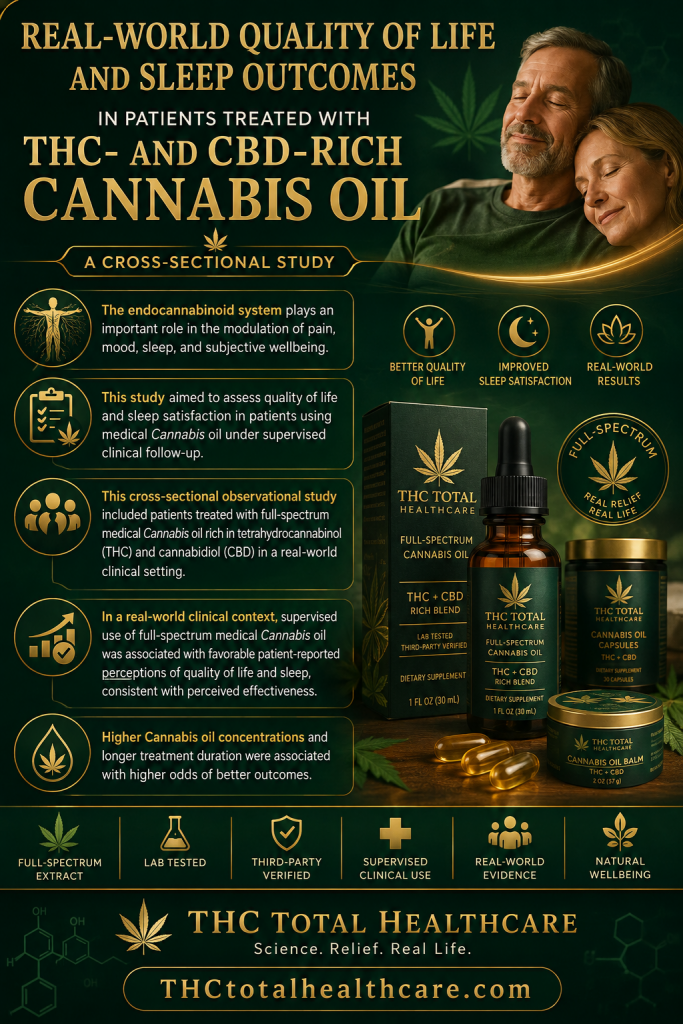
Real-world quality of life and sleep outcomes in patients treated with THC- and CBD-rich Cannabis oil: a cross-sectional study

Patients using THC- and CBD-rich cannabis oil reported meaningful improvements in both sleep and overall quality of life in this real-world study. The findings suggest that cannabinoid-rich oil formulations may help address multiple symptom domains at once, particularly in patients dealing with persistent sleep disturbance and reduced day-to-day well-being.

“The endocannabinoid system plays an important role in the modulation of pain, mood, sleep, and subjective wellbeing. Despite the growing clinical use of medicinal Cannabis, real-world data simultaneously evaluating quality of life and sleep-related outcomes in heterogeneous clinical populations remain limited.

This study aimed to assess quality of life and sleep satisfaction in patients using medical Cannabis oil under supervised clinical follow-up. This cross-sectional observational study included patients treated with full-spectrum medical Cannabis oil rich in tetrahydrocannabinol (THC) and cannabidiol (CBD) in a real-world clinical setting.

Quality of life was assessed using the World Health Organization Quality of Life-BREF (WHOQOL-BREF), and sleep quality was evaluated using the Pittsburgh Sleep Quality Index (PSQI). Sociodemographic, clinical, and treatment-related data were collected via an electronic questionnaire. Nonparametric analyses, Spearman correlation, and ordinal logistic regression models were performed. Seventy-one participants were included, predominantly female, with diverse clinical conditions.

Participants reported generally favorable perceptions regarding quality of life and sleep satisfaction, with median scores concentrated in the higher response categories. Positive correlations were observed between the psychological domains of quality of life and sleep satisfaction.

Higher Cannabis oil concentrations and longer treatment duration were associated with higher odds of better outcomes.

In a real-world clinical context, supervised use of full-spectrum medical Cannabis oil was associated with favorable patient-reported perceptions of quality of life and sleep, consistent with perceived effectiveness.

These findings highlight the need for longitudinal studies with pre-treatment baseline assessment.”

https://pubmed.ncbi.nlm.nih.gov/42558508

Cannabis sativa L. [Cannabaceae] has a documented history of medicinal use spanning thousands of years across diverse cultural and geographic contexts, with traditional applications encompassing pain relief, mood modulation, sleep induction, and the management of inflammatory and neurological conditions.”

“The growing integration of Cannabis into contemporary clinical practice reflects both the long-standing ethnopharmacological tradition associated with this species and the expanding body of evidence supporting the pharmacological activity of its principal phytocannabinoid metabolites, tetrahydrocannabinol (THC) and cannabidiol (CBD).”

“In summary, the results suggest that, in supervised clinical practice, patients using full-spectrum THC and CBD rich oil reported favorable perceived quality of life and sleep satisfaction.”

https://www.frontiersin.org/journals/pharmacology/articles/10.3389/fphar.2026.1862725/full


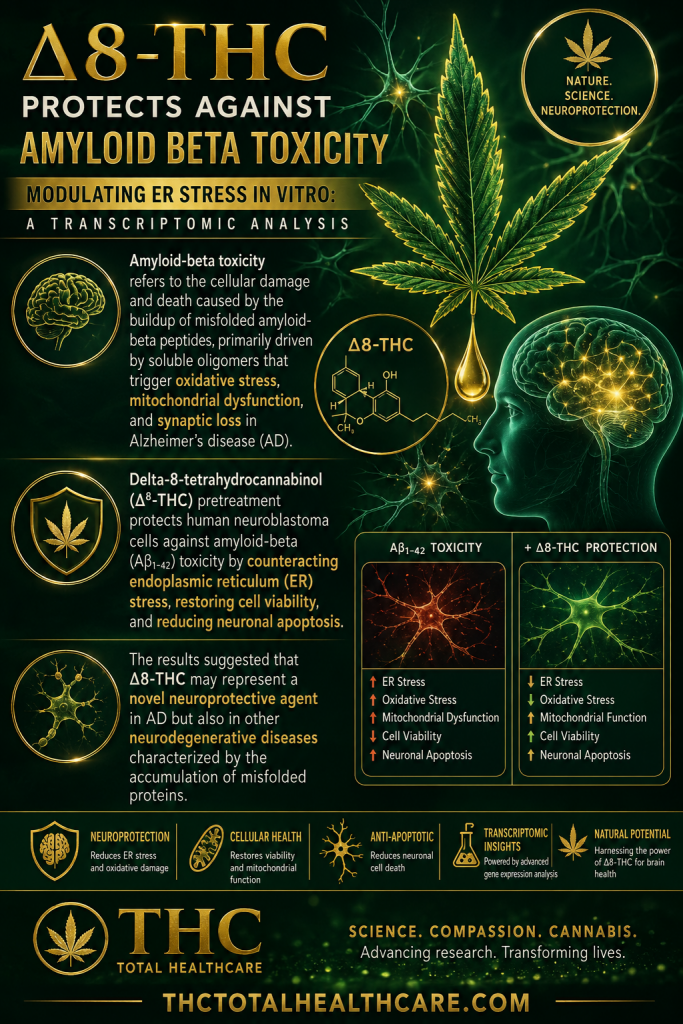
Δ8-THC Protects against Amyloid Beta Toxicity Modulating ER Stress In Vitro: A Transcriptomic Analysis

Amyloid-beta toxicity is a major driver of neuronal stress and degeneration in Alzheimer’s disease. In this laboratory study, Δ8-THC protected cells against amyloid-beta-induced damage and altered gene-expression pathways involved in endoplasmic reticulum stress. The results demonstrated that Δ8-THC might represent a new neuroprotective agent in Alzheimer’s disease.

“Alzheimer’s disease (AD) represents the most common form of dementia, characterized by amyloid β (Aβ) plaques and neurofibrillary tangles (NFTs). It is characterized by neuroinflammation, the accumulation of misfolded protein, ER stress and neuronal apoptosis. It is of main importance to find new therapeutic strategies because AD prevalence is increasing worldwide.

Cannabinoids are arising as promising neuroprotective phytocompounds.

In this study, we evaluated the neuroprotective potential of Δ8-THC pretreatment in an in vitro model of AD through transcriptomic analysis.

We found that Δ8-THC pretreatment restored the loss of cell viability in retinoic acid-differentiated neuroblastoma SH-SY5Y cells treated with Aβ1-42. Moreover, the transcriptomic analysis provided evidence that the enriched biological processes of gene ontology were related to ER functions and proteostasis. In particular, Aβ1-42 upregulated genes involved in ER stress and unfolded protein response, leading to apoptosis as demonstrated by the increase in Bax and the decrease in Bcl-2 both at gene and protein expression levels. Moreover, genes involved in protein folding and degradation were also deregulated. On the contrary, Δ8-THC pretreatment reduced ER stress and, as a consequence, neuronal apoptosis.

Then, the results demonstrated that Δ8-THC might represent a new neuroprotective agent in AD.”

https://pubmed.ncbi.nlm.nih.gov/37047608

“The results suggested that Δ8-THC may represent a novel neuroprotective agent in AD but also in other neurodegenerative diseases characterized by the accumulation of misfolded proteins.”

https://www.mdpi.com/1422-0067/24/7/6598

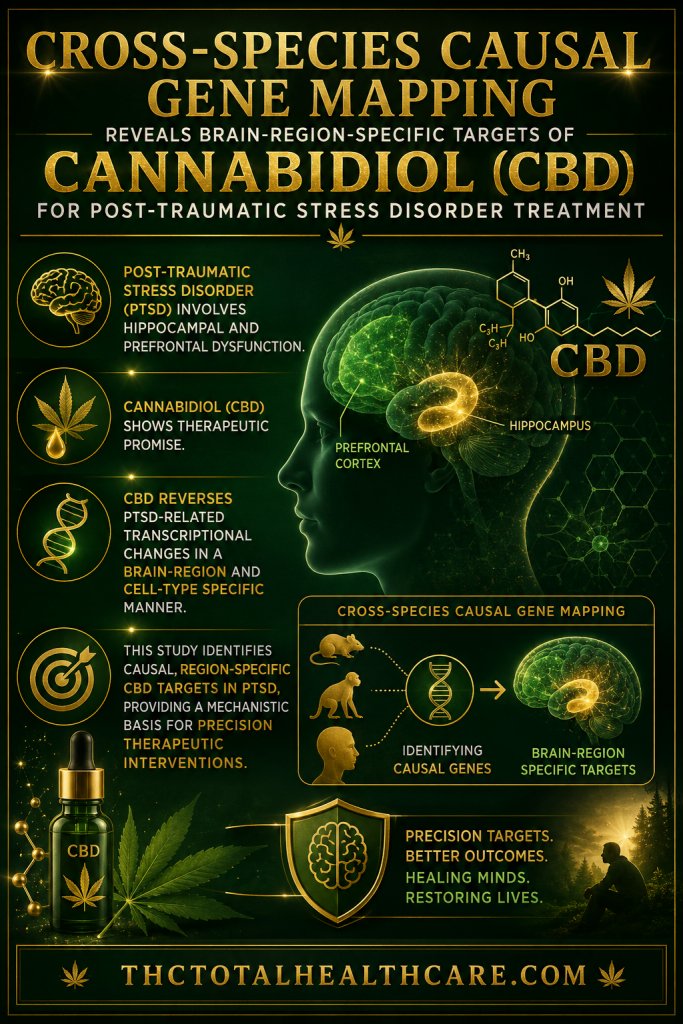
Cross-species causal gene mapping reveals brain-region-specific targets of Cannabidiol for post-traumatic stress disorder treatment

Post-traumatic stress disorder involves complex changes across multiple brain regions, and cannabidiol (CBD) has emerged as a potential treatment candidate. Using cross-species causal gene mapping, researchers found that CBD reverses PTSD-related transcriptional changes in a brain-region and cell-type specific manner, while also identifying molecular targets that may help explain its therapeutic effects and guide future PTSD treatment development.

Purpose: Post-traumatic stress disorder (PTSD) involves hippocampal and prefrontal dysfunction. Cannabidiol (CBD) shows therapeutic promise, but its cell-type-specific and causal mechanisms remain unclear.

Methods: We performed single-cell RNA sequencing of hippocampal and prefrontal cortices from PTSD mice, healthy controls, and CBD-treated PTSD mice. Genes dysregulated in PTSD and reversed by CBD were integrated with human PTSD GWAS and brain eQTL datasets using summary-data-based Mendelian randomization (SMR) to identify causal risk targets. Molecular docking assessed direct CBD-protein interactions.

Results: PTSD induced extensive transcriptional alterations, most prominent in excitatory neurons. SMR analysis identified 15 potential causal risk genes linked to PTSD. Among these, 7 high-confidence targets were confirmed to be transcriptionally responsive to CBD treatment. In the hippocampus, key causal targets included LYNX1 (OR = 0.75, 95% CI: 0.57-0.98, P = 0.038), RAB3C (OR = 1.291, 95% CI: 1.052-1.584, P = 0.015), MAGI2 (OR = 1.15, 95% CI: 1.00-1.31, P = 0.048), LINGO2 (OR = 1.48, 95% CI: 1.07-2.03, P = 0.017), and UNC5D (OR = 1.41, 95% CI: 1.03-1.93, P = 0.032). In the prefrontal cortex, identified targets were CNTN3 (OR = 0.78, 95% CI: 0.62-0.98, P = 0.036), IGSF21 (OR = 1.22, 95% CI: 1.04-1.42, P = 0.012). While SEPTIN3 (OR = 1.25, 95% CI: 1.01-1.56, P = 0.043) was identified as a causal risk gene, its expression was not reversed by CBD. Molecular docking indicated that all 15 SMR-identified candidates possess strong binding affinity to CBD, including RAB3C (-8.636 kcal/mol), CNTN3 (-7.216 kcal/mol), and LINGO2 (-6.222 kcal/mol), which suggests a direct pharmacological interaction.

Conclusion: This study identifies causal, region-specific CBD targets in PTSD, providing a mechanistic basis for precision therapeutic interventions.”

https://pubmed.ncbi.nlm.nih.gov/42542041

“CBD reverses PTSD-related transcriptional changes in a brain-region and cell-type specific manner.”

https://www.sciencedirect.com/science/article/abs/pii/S0006291X26011113?via%3Dihub