“The GPR55 receptor is expressed abundantly in the brain, especially in the striatum, suggesting it might fulfill a role in motor function. Indeed, motor behavior is impaired in mice lacking GPR55, which also display dampened inflammatory responses.
Abnormal-cannabidiol (Abn-CBD), a synthetic cannabidiol (CBD) isomer, is a GPR55 agonist that may serve as a therapeutic agent in the treatment of inflammatory diseases.
In this study, we explored whether modulating GPR55 could also represent a therapeutic approach for the treatment of Parkinson’s disease (PD).
These results demonstrate for the first time that activation of GPR55 might be beneficial in combating PD.”
“The GPR55 receptor is expressed abundantly in the brain, especially in the striatum, suggesting it might fulfill a role in motor function. Indeed, motor behavior is impaired in mice lacking GPR55, which also display dampened inflammatory responses.
Abnormal-cannabidiol (Abn-CBD), a synthetic cannabidiol (CBD) isomer, is a GPR55 agonist that may serve as a therapeutic agent in the treatment of inflammatory diseases.
In this study, we explored whether modulating GPR55 could also represent a therapeutic approach for the treatment of Parkinson’s disease (PD).
These results demonstrate for the first time that activation of GPR55 might be beneficial in combating PD.”
https://www.ncbi.nlm.nih.gov/pubmed/28807673http://www.sciencedirect.com/science/article/pii/S0028390817303842
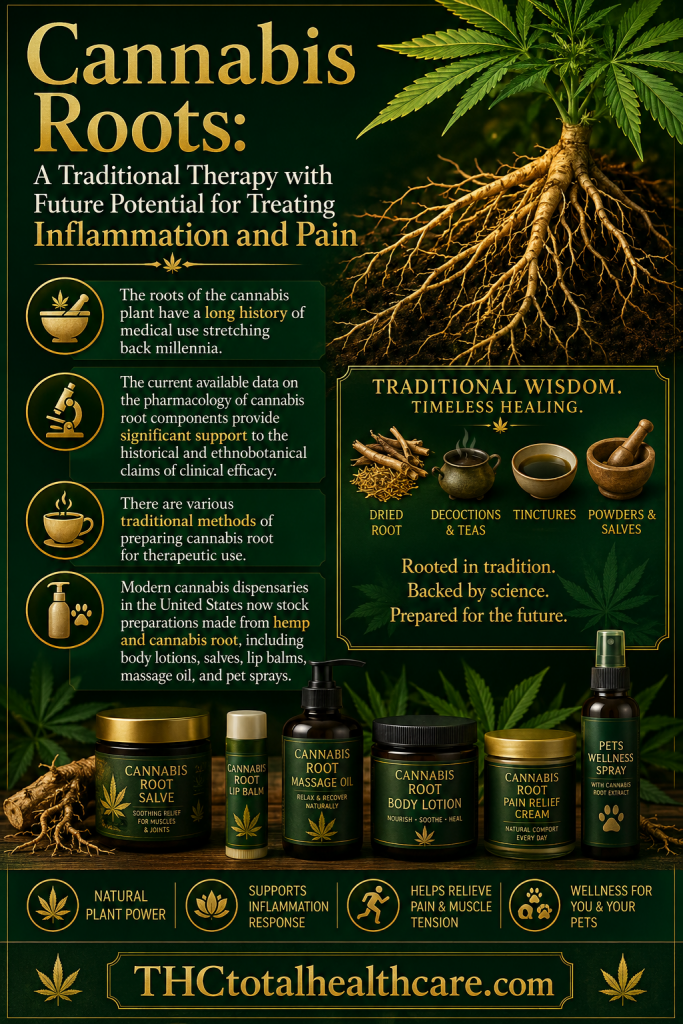
“Introduction: The roots of the cannabis plant have a long history of medical use stretching back millennia. However, the therapeutic potential of cannabis roots has been largely ignored in modern times.
Discussion: In the first century, Pliny the Elder described in Natural Histories that a decoction of the root in water could be used to relieve stiffness in the joints, gout, and related conditions. By the 17th century, various herbalists were recommending cannabis root to treat inflammation, joint pain, gout, and other conditions. There has been a subsequent paucity of research in this area, with only a few studies examining the composition of cannabis root and its medical potential. Active compounds identified and measured in cannabis roots include triterpenoids, friedelin (12.8 mg/kg) and epifriedelanol (21.3 mg/kg); alkaloids, cannabisativine (2.5 mg/kg) and anhydrocannabisativine (0.3 mg/kg); carvone and dihydrocarvone; N-(p-hydroxy-β-phenylethyl)-p-hydroxy-trans-cinnamamide (1.6 mg/kg); various sterols such as sitosterol (1.5%), campesterol (0.78%), and stigmasterol (0.56%); and other minor compounds, including choline. Of note, cannabis roots are not a significant source of Δ9-tetrahydrocannabinol (THC), cannabidiol, or other known phytocannabinoids.
Conclusion: The current available data on the pharmacology of cannabis root components provide significant support to the historical and ethnobotanical claims of clinical efficacy. Certainly, this suggests the need for reexamination of whole root preparations on inflammatory and malignant conditions employing modern scientific techniques.”
“There are various traditional methods of preparing cannabis root for therapeutic use.
The raw cannabis roots can be prepared by pounding and crushing the fresh root to extract its juices. There are numerous mentions of cannabis root preparations in water, especially boiling water, which suggest that early formulators were attempting to extract the water-soluble compounds in the roots. Throughout the 17th and 18th centuries, there are also many mentions of using cannabis root decoctions. The fresh ground root, juice, or cannabis root decoction has also been mixed with fat (oil or butter). There is also an account of mixing pulverized cannabis root with wine. Interestingly, topical applications of cannabis root-based preparations are most often described.
Modern cannabis dispensaries in the United States now stock preparations made from hemp and cannabis root, including body lotions, salves, lip balms, massage oil, and pet sprays.”
“The G protein-coupled receptor 55 (GPR55) is a novel cannabinoid receptor, whose exact role in anxiety remains unknown. The present study was conducted to explore the possible mechanisms by which GPR55 regulates anxiety and to evaluate the effectiveness of O-1602 in the treatment of anxiety-like symptoms. Mice were exposed to two types of acute stressors: restraint and forced swimming. Anxiety behavior was evaluated using the elevated plus maze and the open field test. We found that O-1602 alleviated anxiety-like behavior in acutely stressed mice. We used lentiviral shRNA to selective ly knockdown GPR55 in the medial orbital cortex and found that knockdown of GPR55 abolished the anxiolytic effect of O-1602. We also used Y-27632, a specific inhibitor of ROCK, and U73122, an inhibitor of PLC, and found that both inhibitors attenuated the effectiveness of O-1602. Western blot analysis revealed that O-1602 downregulated the expression of GluA1 and GluN2A in mice. Taken together, these results suggest that GPR55 plays an important role in anxiety and O-1602 may have therapeutic potential in treating anxiety-like symptoms.”
“To investigate the effects of marijuana in the development of incident cardiovascular and cerebrovascular outcomes.
Compared with no marijuana use, cumulative lifetime and recent marijuana use showed no association with incident CVD, stroke or transient ischemic attacks, coronary heart disease, or CVD mortality.
Marijuana use was not associated with CVD when stratified by age, gender, race, or family history of CVD.
“Cannabis is a recreational drug leading to intoxication, due to cannabinoid receptor one (CB1 ) stimulation.
The aim of the study was to determine whether CB1 antagonism could reverse physical cannabimimetic effects.
In this study, the pre-existing, central nervous system-related cannabimimetic effects, measured via the hypothermic effect, induced by CB1 receptor agonism where therapeutically treated and were rapidly reversed by CB1 receptor antagonism/inverse agonism. There was also a subjective reversal of visually-evident sedation.
CONCLUSIONS & IMPLICATIONS:
Cannabinoid receptor antagonists have been used in thousands of people and so may provide a single-dose antidote to cannabinoid intoxication, which may save human life,”
https://www.ncbi.nlm.nih.gov/pubmed/28800377]]>
“The aim of this review is to discuss cannabinoids from a preclinical and clinical oncological perspective and provide the audience with a concise, retrospective overview of the most significant findings concerning the potential use of cannabinoids in cancer treatment.
RESULTS:
Cannabis sativa is a plant rich in more than 100 types of cannabinoids. Besides exogenous plant cannabinoids, mammalian endocannabinoids and synthetic cannabinoid analogues have been identified. Cannabinoid receptors type 1 (CB1) and type 2 (CB2) have been isolated and characterized from mammalian cells. Through cannabinoid receptor and non-receptor signaling pathways, cannabinoids show specific cytotoxicity against tumor cells, while protecting healthy tissue from apoptosis. The dual antiproliferative and proapoptotic effects of cannabinoids and associated signaling pathways have been investigated on a large panel of cancer cell lines. Cannabinoids also display potent anticancer activity against tumor xenografts, including tumors that express high resistance to standard chemotherapeutics. Few studies have investigated the possible synergistic effects of cannabinoids with standard oncology therapies, and are based on the preclinically confirmed concept of “cannabinoid sensitizers.” Also, clinical trials aimed to confirm the antineoplastic activity of cannabinoids have only been evaluated on a small number of subjects, with no consensus conclusions regarding their effectiveness.
CONCLUSIONS:
A large number of cannabinoid compounds have been discovered, developed, and used to study the effects of cannabinoids on cancers in model systems. However, few clinical trials have been conducted on the use of cannabinoids in the treatment of cancers in humans. Further studies require extensive monitoring of the effects of cannabinoids alone or in combination with standard anticancer strategies. With such knowledge, cannabinoids could become a therapy of choice in contemporary oncology.”
“Although Cannabis sativa L. is one of the most versatile plant species with multipurpose use both as medical, alimentary source and as psychoactive abuse, its biomedical relevance focused the attention on major cannabinoids. Phytochemical characterization of cannabis highlights the presence of various non-cannabinoids constituents including flavonoids, spiroindans, dihyrostilbenes, dihydrophenanthrenes, lignanamides, steroids and alkaloids. Cannabis is a plant with high pharmacological and nutrition values, its potentialities and applications are not only circumscribed to cannabinoids biological activities, but also defined by non-cannabinoid compounds. This review deals with polyphenols present in this plant, their biosynthesis, their bioactivities and their synthesis, when this occurred.”
https://www.ncbi.nlm.nih.gov/pubmed/28799497]]>
“In this study, it was aimed to show the cannabinoid receptor-2 (CB2) role, which is a part of neuroprotective endocannabinoidal system, against increasing nitric oxide synthetase (iNOS, eNOS) levels and the apoptotic activity (caspase-3, caspase-9 and DNA in situ fragmentation) within the postnatal critical period in pups of pregnant rats with artificially induced maternal thyroid hormone (TH) deficiency.
In conclusion, apoptosis was triggered via oxidative stress in hypothyroid pups. Accordingly, neuroprotective activity of CB2 receptors were motivated spontaneously to resist to CNS lesions during the first 3 weeks of postnatal period.”
https://www.ncbi.nlm.nih.gov/pubmed/28799288]]>
“We report the cases of two young German male patients with treatment-resistant Tourette syndrome (TS), who suffer from incapacitating stuttering-like speech disfluencies caused by vocal blocking tics and palilalia. Case 1: a 19-year old patient received medical cannabis at a dose of 1 × 0.1 g cannabis daily. Case 2: a 16-year old patient initially received dronabinol at a maximum dose of 22.4-33.6 mg daily. Both treatments provided significant symptom improvement of vocal blocking tics as well as of comorbid conditions and were well tolerated. Thus, cannabis-based medicine appears to be effective in treatment-resistant TS patients with vocal blocking tics.”


 “The G protein-coupled receptor 55 (GPR55) is a novel
 “We report the cases of two young German male patients with treatment-resistant Tourette syndrome (TS), who suffer from incapacitating stuttering-like speech disfluencies caused by vocal blocking tics and palilalia. Case 1: a 19-year old patient received medical