
“Acne is the most common skin condition in the United States and affects approximately 85% of people ages 12-24. As a multifactorial disease, the pathogenesis of acne involves overproduction of sebum, irregular shedding of the cutaneous cells, accretion of Cutibacterium acnes at the pilosebaceous unit, and inflammation. To date, conventional therapies for acne include topical retinoids, over-the-counter bactericidal agents, and systematic treatments, such as oral antibiotics and isotretinoin. However, the potential for significant side effects and risk of antibiotic resistance remain limitations in these therapies, in turn reducing patient compliance and adherence to acne treatment regimens. Therefore, the use of natural plant-derived treatments or phytotherapeutics as an alternative or adjuvant to conventional treatments is attractive to patients due to their safety and minimal risk for side effects. Cannabidiol (CBD) is a non-psychoactive phytocannabinoid of the Cannabis sativa (hemp) plant. The therapeutic use of CBD has been implicated in many diseases with an inflammatory aspect, including cancers, neurodegeneration, immunological disorders, and dermatological diseases. However, the use of CBD for acne treatment remains a novel window of opportunity. Herein, we summarize the available and relevant data, highlighting the potential use of CBD in acne for its anti-inflammatory properties. To that extent, CBD and other cannabis constituents such as cannabis seeds were found to reduce inflammation and expression of inflammatory cytokines including TNF-α and IL-1β when evaluated in acne-like conditions. Treatment with these cannabis extracts was also found to be safe and well tolerated, further strengthening the prospect of CBD as an anti-inflammatory therapeutic for acne.”
https://pubmed.ncbi.nlm.nih.gov/35535052/

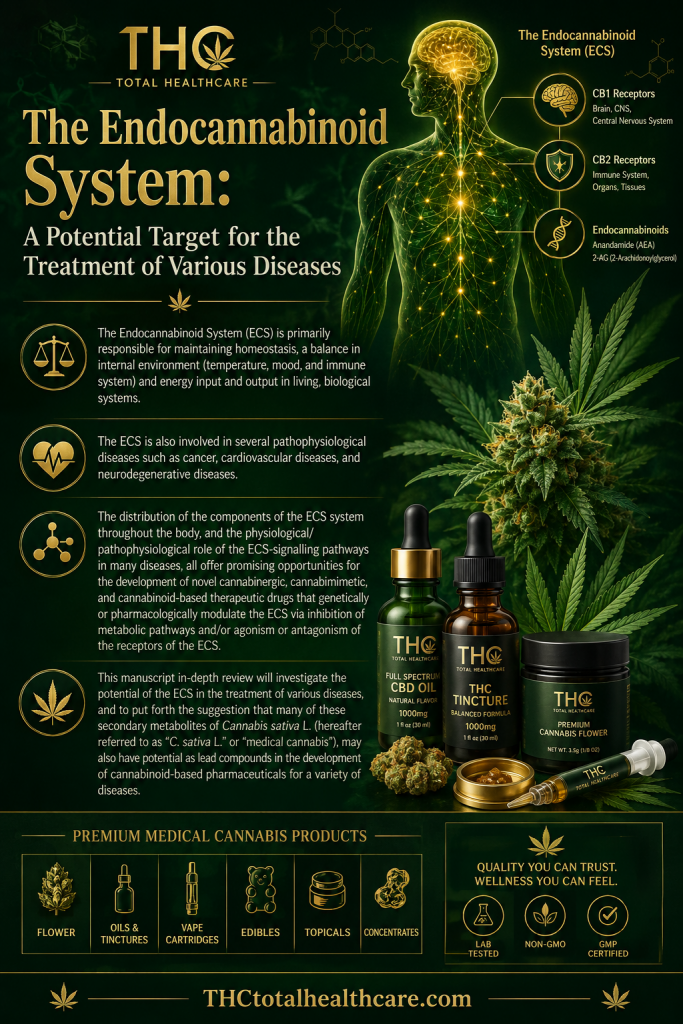
 “The Endocannabinoid System (ECS) is primarily responsible for maintaining homeostasis, a balance in internal environment (temperature, mood, and immune system) and energy input and output in living, biological systems.
 “The legalisation of
  “Cannabinoids are increasingly-used substances in the treatment of chronic pain, some neuropsychiatric disorders and more recently, skin disorders with an inflammatory component.
 “Cannabis is increasingly being used world-wide to treat a variety of dermatological conditions. Medicinal cannabis is currently legalized in Canada, 31 states in America and 19 countries in Europe. The authors reviewed the literature on the pharmacology and use of
 “Endocannabinoids (ECs) are important regulators of cell signaling.
 “The present study investigates the potential effect of a Cannabis sativa L. ethanolic extract standardized in cannabidiol as antiinflammatory agent in the skin. The extract inhibited the release of mediators of inflammation involved in wound healing and inflammatory processes occurring in the skin. Cannabis extract and cannabidiol showed different effects on the release of interleukin-8 and vascular endothelial growth factor, which are both mediators whose genes are dependent on NF-κB. Our findings provide new insights into the potential effect of Cannabis extracts against inflammation-based skin diseases.”