
 “The worldwide prevalence of neurological and neurodegenerative disorders, such as depression or Alzheimer’s disease, has spread extensively throughout the last decades, becoming an enormous health issue.
Numerous data indicate a distinct correlation between the altered endocannabinoid signaling and different aspects of brain physiology, such as memory or neurogenesis. Moreover, the endocannabinoid system is widely regarded as a crucial factor in the development of neuropathologies. Thus, targeting those disorders via synthetic cannabinoids, as well as phytocannabinoids, becomes a widespread research issue.
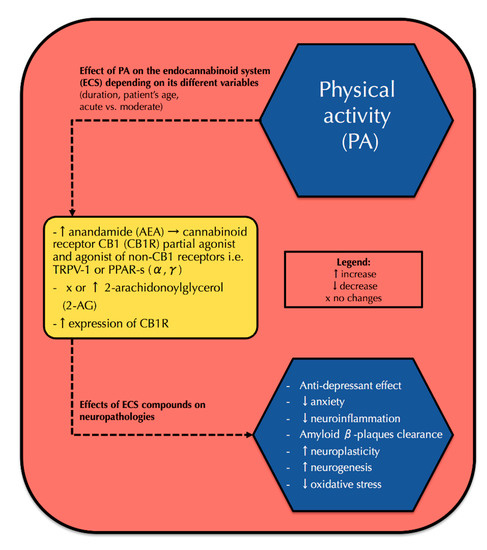
Over the last decade, the endocannabinoid system has been extensively studied for its correlation with physical activity. Recent data showed that physical activity correlates with elevated endocannabinoid serum concentrations and increased cannabinoid receptor type 1 (CB1R) expression in the brain, which results in positive neurological effects including antidepressant effect, ameliorated memory, neuroplasticity development, and reduced neuroinflammation. However, none of the prior reviews presented a comprehensive correlation between physical activity, the endocannabinoid system, and neuropathologies.
Thus, our review provides a current state of knowledge of the endocannabinoid system, its action in physical activity, as well as neuropathologies and a possible correlation between all those fields. We believe that this might contribute to finding a new preventive and therapeutic approach to both neurological and neurodegenerative disorders.”
https://pubmed.ncbi.nlm.nih.gov/32545780/
https://www.mdpi.com/1422-0067/21/12/4221
 “Irritable bowel syndrome (IBS) is a frequent cause of abdominal pain and altered bowel habits, which is associated with significant healthcare utilization.
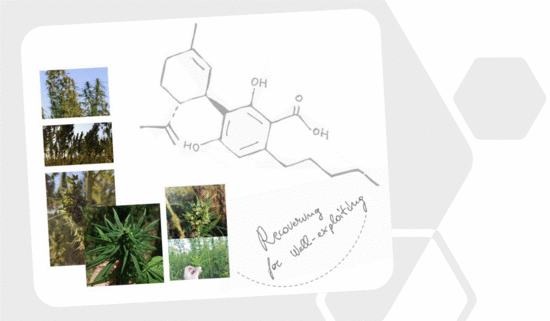
 “Cannabidiolic acid (CBDA) is the main phytocannabinoid in fiber and seed-oil hemp (Cannabis sativa L.) plants, but its potential health-related capabilities have been masked for years by a greater scientific interest towards its neutral derivative cannabidiol (CBD). This review aims to collect from the literature and critically discuss all the information about this molecule, starting from its biosynthesis, and focusing on its bioactivity, as an anti-inflammatory, anti-emetic, anti-convulsant, and anti-cancerogenic drug. Furthermore, in the awareness that, despite its multiple bioactive effects, currently poor efforts have been made to achieve its reliable purification, herein, we propose a relatively simple, fast, and inexpensive procedure for its recovery from pollen of industrial hemp cultivars. Spectroscopic and spectrometric techniques allowed us to unequivocally identify pure isolated CBDA and to distinguish it from the constitutional isomer tetrahydrocannabinolic acid (THCA-A).”
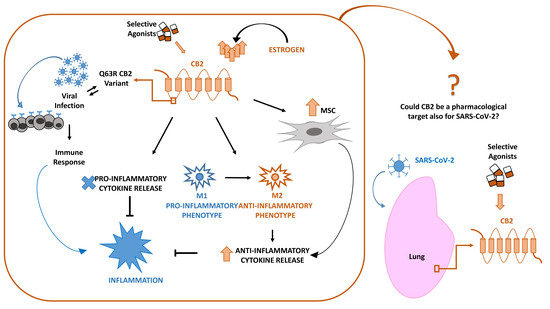
 “Identifying candidate drugs effective in the new coronavirus disease 2019 (Covid-19) is crucial,


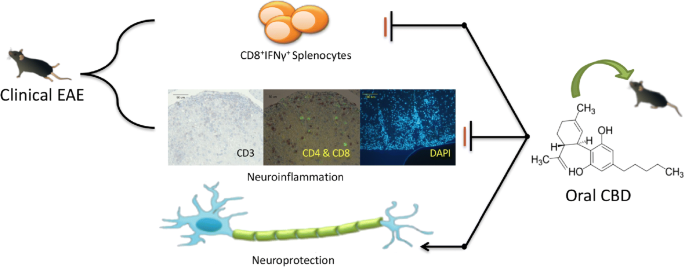
 “In this study cannabidiol (CBD) was administered orally to determine its effects and mechanisms in the experimental autoimmune encephalomyelitis (EAE) model of multiple sclerosis (MS). We hypothesized that 75 mg/kg of oral CBD given for 5 days after initiation of disease would reduce EAE severity through suppression of either the early peripheral immune or late neuroimmune response.
 “Two patient case reports are presented describing the use of cannabidiol (CBD) for the symptomatic relief of a lumbar compression fracture and in the mitigation of thoracic discomfort and dysesthesia secondary to a surgically resected meningioma.