
 “For many centuries, cannabis (marijuana) has been used for both recreational and medicinal purposes. Currently, there are about 192 million cannabis users worldwide, constituting approximately 3.9% of the global population. Cannabis comprises more than 70 aromatic hydrocarbon compounds known as cannabinoids. Endogenous circulating cannabinoids, or endocannabinoids, such as anandamide and 2-arachidonoyl-glycerol, their metabolizing enzymes (fatty acid amide hydrolase and monoacylglycerol lipase) and 2 G-protein coupled cannabinoid receptors, CB1 and CB2, together represent the endocannabinoid system and are present throughout the human body. In the gastrointestinal (GI) tract, the activated endocannabinoid system reduces gut motility, intestinal secretion and epithelial permeability, and induces inflammatory leukocyte recruitment and immune modulation through the cannabinoid receptors present in the enteric nervous and immune systems. Because of the effects of cannabinoids on the GI tract, attempts have been made to investigate their medicinal properties, particularly for GI disorders such as pancreatitis, hepatitis, and inflammatory bowel diseases (IBD). The effects of cannabis on IBD have been elucidated in several small observational and placebo-controlled studies, but with varied results. The small sample size and short follow-up duration in these studies make it difficult to show the clear benefits of cannabis in IBD. However, cannabis is now being considered as a potential drug for inflammatory GI conditions, particularly IBD, because of its spreading legalization in the United States and other countries and the growing trend in its use. More high-quality controlled studies are warranted to elucidate the mechanism and benefits of cannabis use as a possible option in IBD management.”
https://www.ncbi.nlm.nih.gov/pubmed/32127734
http://www.annalsgastro.gr/files/journals/1/earlyview/2020/ev-02-2020-03-AG4866-0452.pdf
 “Microglia, the resident immune cells of the central nervous system, mediate brain homeostasis by controlling neuronal proliferation/differentiation and synaptic activity. In response to external signals from neuropathological conditions, homeostatic (M0) microglia can adopt one of two activation states: the classical (M1) activation state, which secretes mediators of the proinflammatory response, and the alternative (M2) activation state, which presumably mediates the resolution of neuroinflammation and tissue repair/remodeling.
 “Breast cancer (BC) is the most common cancer in women worldwide. Approximately 70-80% of BCs express estrogen receptors (ER), which predict the response to endocrine therapy (ET), and are therefore hormone receptor-positive (HR+).
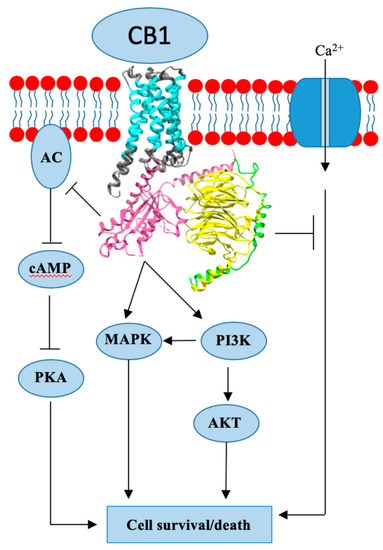
 “Herein, 11 general types of natural cannabinoids from Cannabis sativa as well as 50 (-)-CBD analogues with therapeutic potential were described. The underlying molecular mechanisms of CBD as a therapeutic candidate for epilepsy and neurodegenerative diseases were comprehensively clarified. CBD indirectly acts as an endogenous cannabinoid receptor agonist to exert its neuroprotective effects. CBD also promotes neuroprotection through different signal transduction pathways mediated indirectly by cannabinoid receptors. Furthermore, CBD prevents the glycogen synthase kinase 3β (GSK-3β) hyperphosphorylation caused by Aβ and may be developed as a new therapeutic candidate for Alzheimer’s disease.”

 “The 20% prevalence of chronic pain in the general population is a major health concern given the often profound associated impairment of daily activities, employment status, and health-related quality of life in sufferers. Resource utilization associated with chronic pain represents an enormous burden for healthcare systems. Although analgesia based on the World Health Organization’s pain ladder continues to be the mainstay of chronic pain management, aside from chronic cancer pain or end-of-life care, prolonged use of non-steroidal anti-inflammatory drugs or opioids to manage chronic pain is rarely sustainable.
 “A growing body of literature indicates that activation of
 “Neuropathic pain conditions including neuropathic orofacial pain (NOP) are difficult to treat. Contemporary therapeutic agents for neuropathic pain are often ineffective in relieving pain and are associated with various adverse effects. Finding new options for treating neuropathic pain is a major priority in pain-related research.
 “Inflammatory Bowel Disease (IBD) is idiopathic, chronic and affects the gastrointestinal tract. It results from the association of genetic, environmental and immune deregulation, which culminates in the development and progression of the inflammatory process. In an attempt to reverse colonic inflammation, endogenous systems involved in intestinal physiology are studied and the cholinergic system is fundamental for this process. In addition, this system has anti-inflammatory action in experimental models of IBD. Another important endogenous system in regulating the exacerbated inflammatory response in the gut is mediated by endocannabinoids, which play an important role in restoring bowel functionality after the onset of the inflammatory process. There are several reports in the literature showing the interconnection between the cannabinoid and cholinergic systems in different tissues. Considering that the activation of the cholinergic system stimulates the production of cannabinoid agonists in the intestine, our hypothesis is that the interaction between the muscarinic system and the cannabinoid in the control of intestinal inflammation is mediated by endogenous cannabinoids, since they are stimulated by the activation of muscarinic receptors.”