
“Cannabis products have recently regained much attention due to the high pharmacological potential of their cannabinoid content. In this review, the most widely used sample preparation strategies for the extraction of cannabinoids are described for the specific application to either plant materials or biological matrices. Several analytical techniques are described pointing out their respective advantages and drawbacks. In particular, chromatographic methods, such as TLC, GC and HPLC, are discussed and compared in terms of selectivity and sensitivity. Various detection methods are also presented based on the specific aim of the cannabinoids analysis. Lastly, critical considerations are mentioned with the aim to deliver useful suggestions for the selection of the optimal and most suitable method of analysis of cannabinoids in either biomedical or cannabis derived samples.” https://www.ncbi.nlm.nih.gov/pubmed/28641906 http://www.sciencedirect.com/science/article/pii/S0731708517311895]]>
Tag Archives: cannabis
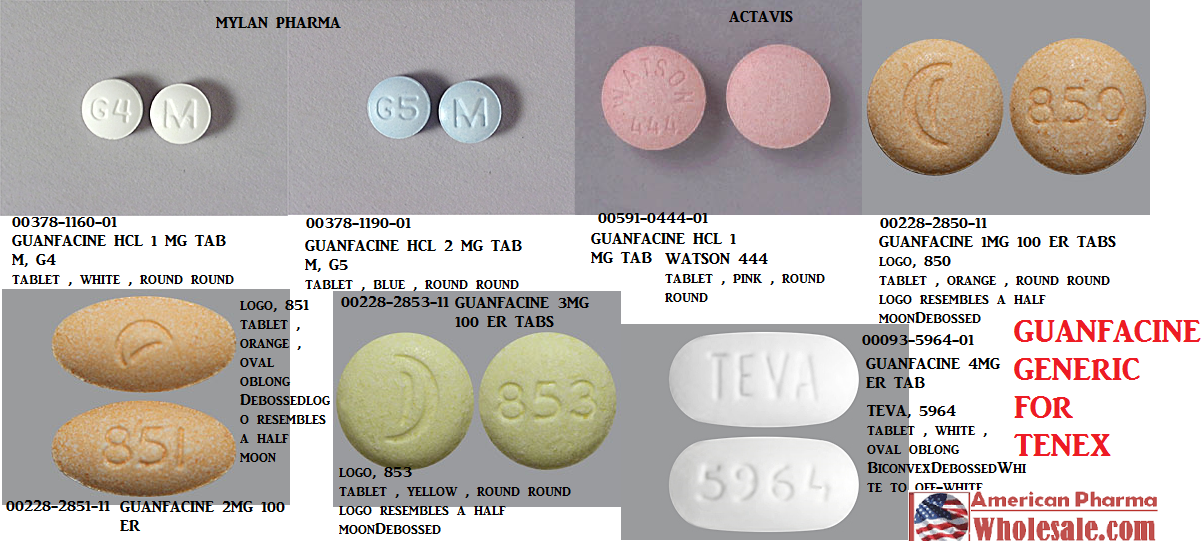
Guanfacine Attenuates Adverse Effects of Dronabinol (THC) on Working Memory in Adolescent-Onset Heavy Cannabis Users: A Pilot Study.
 “The cannabinoid-1 receptor (CB1R) agonist Δ9-tetrahydrocannabinol (THC), the main psychoactive constituent of cannabis, adversely effects working memory performance in humans. The α2A-adrenoceptor (AR) agonist guanfacine improves working memory performance in humans. The authors aimed to determine the effects of short-term (6 days) treatment with guanfacine on adverse cognitive effects produced by THC.
Employing a double-blind, placebo-controlled crossover design, the cognitive, subjective, and cardiovascular effects produced by oral THC (20 mg) administration were determined twice in the same cannabis users: once after treatment with placebo and once after treatment with guanfacine (3 mg/day).
Although THC increased visual analog scores of subjective effects and heart rate, these increases were similar during treatment with placebo and guanfacine. THC did not significantly affect performance of a recognition memory task or blood pressure while individuals were maintained on either treatment.
Although preliminary, these results suggest that guanfacine warrants further testing as a potential treatment for cannabis-induced cognitive deficits.” https://www.ncbi.nlm.nih.gov/pubmed/28641496 http://neuro.psychiatryonline.org/doi/10.1176/appi.neuropsych.16120328
“Guanfacine (brand name Estulic, Tenex and the extended release Intuniv; not to be confused with guaifenesin, an expectorant) is a sympatholytic drug used in the treatment of attention deficit hyperactivity disorder (ADHD), anxiety, and hypertension. It is a selective α2A receptor agonist“ https://en.wikipedia.org/wiki/Guanfacine
Cannabinoids in Pediatrics.
 “Despite its controversial nature, the use of medical marijuana and cannabis-derived medicinal products grows more popular with each passing year. As of November 2016, over 40 states have passed legislation regarding the use of either medical marijuana or cannabidiol products. Many providers have started encountering patients experimenting with cannabis products for a wide range of conditions. While the debate continues regarding these agents for both medicinal and recreational use in the general population, special consideration needs to be made for pediatric use. This review will deliver the history of marijuana use and legislation in the United States in addition to the currently available medical literature to equip pediatric health care providers with resources to provide patients and their parents the best recommendation for safe and appropriate use of cannabis-containing compounds.” https://www.ncbi.nlm.nih.gov/pubmed/28638299 http://www.jppt.org/doi/10.5863/1551-6776-22.3.176?code=ppag-site

 “Cannabis extracts have been used for centuries, but its main active principle ∆9-tetrahydrocannabinol (THC) was identified about 50 years ago. Yet, it is only 25 years ago that the first endogenous ligand of the same receptors engaged by the cannabis agents was discovered. This “endocannabinoid (eCB)” was identified as N-arachidonoylethanolamine (or anandamide (AEA)), and was shown to have several receptors, metabolic enzymes and transporters that altogether drive its biological activity. Here I report on the latest advances about AEA metabolism, with the aim of focusing open questions still awaiting an answer for a deeper understanding of AEA activity, and for translating AEA-based drugs into novel therapeutics for human diseases.”