
 “Opioid prescriptions and abuse remain a significant national concern.
Cannabinoids offer a potentially attractive nonopioid analgesic option for orthopaedic patients, and 32 US states have passed medical cannabis laws (MCLs), legalizing patient access to cannabinoids.
We examine the association between implementation of state cannabis laws and prescribing patterns for opioids by orthopaedic surgeons in Medicare Part D patients between 2013 and 2017.
RESULTS:
State MCLs were associated with a statistically significant reduction in aggregate opioid prescribing of 144,000 daily doses (19.7% reduction) annually (95% confidence interval [CI], -0.535 to -0.024 million; P < 0.01). States with MCLs allowing access to in-state dispensaries had a statistically significant reduction in total opioid prescriptions of 96,000 daily doses (13.1%) annually (95% CI, -0.165 to -0.026 million; P < 0.01). Specifically, MCLs were associated with a statistically significant reduction of 72,000 daily doses of hydrocodone annually (95% CI, -0.164 to -0.019 million; P < 0.01). No significant association between recreational marijuana legalization and opioid prescribing was found.
CONCLUSION:
Orthopaedic surgeons are among the highest prescribers of opioids, highlighting the importance of providing nonopioid analgesic alternatives in efforts to reduce opioid use in the patient cohort. This study is the first to examine the association between implementation of state cannabis laws and prescribing patterns for opioids by orthopaedic surgeons in Medicare Part D patients.”
https://www.ncbi.nlm.nih.gov/pubmed/32404683
https://journals.lww.com/jaaos/Abstract/9000/State_Medical_Cannabis_Laws_Associated_With.99112.aspx
 “Modern day research, in an attempt to determine the potential therapeutic and adverse effects of illicit substances, is a growing field, but one that faces many regulatory challenges. Due to the potential abuse of illicit substances such as


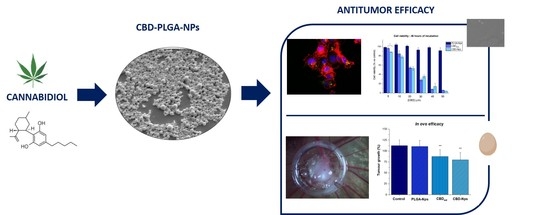
 “The intraperitoneal administration of chemotherapeutics has emerged as a potential route in ovarian cancer treatment. Nanoparticles as carriers for these agents could be interesting by increasing the retention of chemotherapeutics within the peritoneal cavity. Moreover, nanoparticles could be internalised by cancer cells and let the drug release near the biological target, which could increase the anticancer efficacy.
 “Despite limited data demonstrating pronounced negative effects of prenatal cannabis exposure, popular opinion and public policies still reflect the belief that cannabis is fetotoxic.
 “An emerging area of preclinical research has investigated whether drug use in parents prior to conception influences drug responsivity in their offspring.
 “Cannabis sativa and its principal components, Δ9-tetrahydrocannabinol (Δ9-THC) and
 “The therapeutic effect of the Cannabis plant largely depends on the presence and specific ratio of a spectrum of phytocannabinoids. While prescription of medicinal Cannabis for various conditions constantly grows, its consumption is mostly limited to oral or respiratory pathways, impeding its duration of action, bioavailability and efficacy. Herein, a long-acting formulation in the form of melt-printed polymeric microdepots for full-spectrum


 “To examine acute and residual mood and cognitive performance in young adult regular