
 “Although several lines of evidence support the hypothesis of a dysregulation of serotoninergic neurotransmission in the pathophysiology of obsessive-compulsive disorder (OCD), there is also evidence for an involvement of other pathways such as the GABAergic, glutamatergic, and dopaminergic systems.
Only recently, data obtained from a small number of animal studies alternatively suggested an involvement of the endocannabinoid system in the pathophysiology of OCD reporting beneficial effects in OCD-like behavior after use of substances that stimulate the endocannabinoid system.
In humans, until today, only two case reports are available reporting successful treatment with dronabinol (tetrahydrocannabinol, THC), an agonist at central cannabinoid CB1 receptors, in patients with otherwise treatment refractory OCD. In addition, data obtained from a small open uncontrolled trial using the THC analogue nabilone suggest that the combination of nabilone plus exposure-based psychotherapy is more effective than each treatment alone.
These reports are in line with data from a limited number of case studies and small controlled trials in patients with Tourette syndrome (TS), a chronic motor and vocal tic disorder often associated with comorbid obsessive compulsive behavior (OCB), reporting not only an improvement of tics, but also of comorbid OCB after use of different kinds of cannabis-based medicines including THC, cannabis extracts, and flowers.
Here we present the case of a 22-year-old male patient, who suffered from severe OCD since childhood and significantly improved after treatment with medicinal cannabis with markedly reduced OCD and depression resulting in a considerable improvement of quality of life. In addition, we give a review of current literature on the effects of cannabinoids in animal models and patients with OCD and suggest a cannabinoid hypothesis of OCD.”
https://pubmed.ncbi.nlm.nih.gov/32848902/
https://www.frontiersin.org/articles/10.3389/fpsyt.2020.00681/full
 “Cannabinoids (CBs), analgesic drugs used for thousands of years, were first found in Cannabis sativa, and the multiple CBs used medicinally, such as tetrahydrocannabinol (THC), cannabidiol (CBD) and dozens more, have complex structures. In addition to their production by plants, CBs are naturally present in the nerves and immune systems of humans and animals.
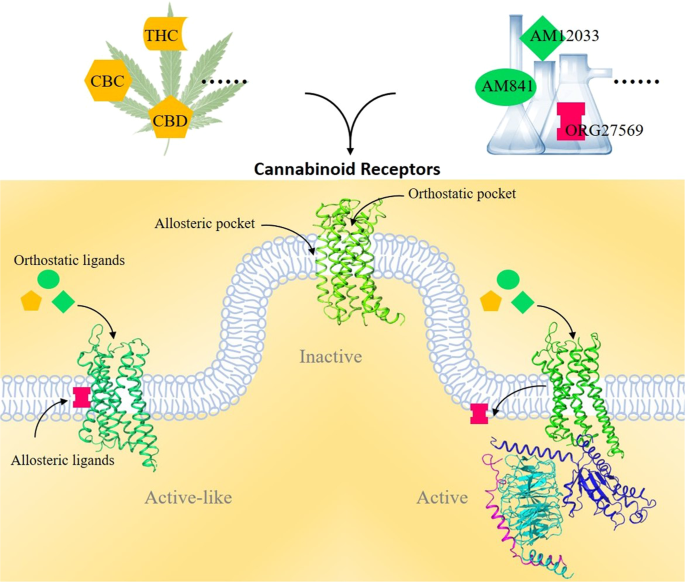
 “Like most modern molecular biology and natural product chemistry, understanding cannabinoid pharmacology centers around molecular interactions, in this case, between the cannabinoids and their putative targets, the G-protein coupled receptors (GPCRs) cannabinoid receptor 1 (CB1) and cannabinoid receptor 2 (CB2). Understanding the complex structure and interplay between the partners in this molecular dance is required to understand the mechanism of action of synthetic, endogenous, and phytochemical cannabinoids. This review, with 91 references, surveys our understanding of the structural biology of the cannabinoids and their target receptors including both a critical comparison of the extant crystal structures and the computationally derived homology models, as well as an in-depth discussion about the binding modes of the major cannabinoids. The aim is to assist in situating structural biochemists, synthetic chemists, and molecular biologists who are new to the field of cannabis research.”
 “Astrocytomas, the most prevalent primary brain tumors, can be divided by histology and malignancy levels into four following types: pilocytic astrocytoma (grade I), diffuse fibrillary astrocytoma (grade II), anaplastic astrocytoma (grade III), and glioblastoma multiforme (grade IV). For high grade astrocytomas (grade III and grade IV), blood vessels formation is considered as the most important property.
 “Painful tonic spasm (PTS) is a common yet debilitating symptom in patients with neuromyelitis optica spectrum disorder (NMOSD), especially those with longitudinally extensive transverse myelitis. Although carbamazepine is an effective treatment, it poses the risk of severe adverse reactions, such as Steven-Johnson syndrome (SJS).
 “The phosphatidylinositol 3-kinase (PI3K)/protein kinase B (PKB/Akt)/mechanistic target of rapamycin (mTOR) signaling pathway has been associated with several pathologies in the central nervous system (CNS), including epilepsy. There is evidence supporting the hypothesis that the PI3Kγ signaling pathway may mediate the powerful anticonvulsant properties associated with the cannabinoidergic system.
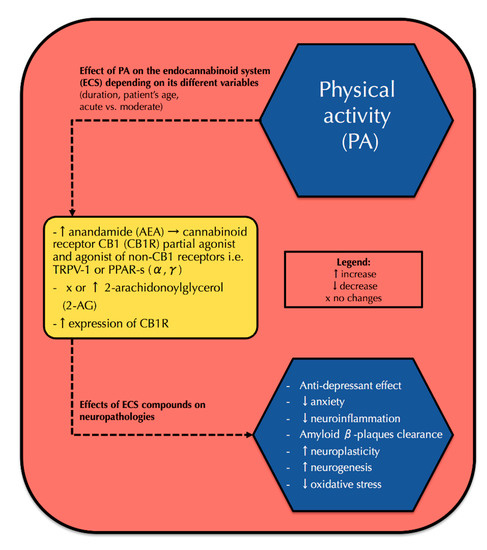
 “The worldwide prevalence of neurological and neurodegenerative disorders, such as depression or Alzheimer’s disease, has spread extensively throughout the last decades, becoming an enormous health issue.
 “Alcohol use disorders affect millions of people worldwide and there is growing evidence that excessive alcohol intake causes severe damage to the brain of both humans and animals.
 “Obesity rates are increasing worldwide and there is a need for novel therapeutic treatment options.