
Activation of CB1R Promotes Lipopolysaccharide-Induced IL-10 Secretion by Monocytic Myeloid-Derived Suppressive Cells and Reduces Acute Inflammation and Organ Injury.

The Journal of Immunology: 204 (10)“Cannabis sativa and its principal components, Δ9-tetrahydrocannabinol (Δ9-THC) and cannabidiol, are increasingly being used to treat a variety of medical problems, including inflammatory conditions.

Although studies suggest that the endocannabinoid system has immunomodulatory properties, there remains a paucity of information on the effects of cannabinoids on immunity and on outcomes of infection and injury.

We investigated the effects and mechanism(s) of action of cannabinoid receptor agonists, including Δ9-THC, on inflammation and organ injury in endotoxemic mice.

Administration of Δ9-THC caused a dramatic early upregulation of plasma IL-10 levels, reduced plasma IL-6 and CCL-2 levels, led to better clinical status, and attenuated organ injury in endotoxemic mice. The anti-inflammatory effects of Δ9-THC in endotoxemic mice were reversed by a cannabinoid receptor type 1 (CB1R) inverse agonist (SR141716), and by clodronate-induced myeloid-cell depletion, but not by genetic invalidation or blockade of other putative Δ9-THC receptors, including cannabinoid receptor type 2, TRPV1, GPR18, GPR55, and GPR119. Although Δ9-THC administration reduced the activation of several spleen immune cell subsets, the anti-inflammatory effects of Δ9-THC were preserved in splenectomized endotoxemic mice. Finally, using IL-10-GFP reporter mice, we showed that blood monocytic myeloid-derived suppressive cells mediate the Δ9-THC-induced early rise in circulating IL-10.

These results indicate that Δ9-THC potently induces IL-10, while reducing proinflammatory cytokines, chemokines, and related organ injury in endotoxemic mice via the activation of CB1R. These data have implications for acute and chronic conditions that are driven by dysregulated inflammation, such as sepsis, and raise the possibility that CB1R-signaling may constitute a novel target for inflammatory disorders.”

https://www.ncbi.nlm.nih.gov/pubmed/32385136

https://www.jimmunol.org/content/early/2020/05/07/jimmunol.2000213

Inhibitory Effect of Cannabidiol on the Activation of NLRP3 Inflammasome Is Associated with Its Modulation of the P2X7 Receptor in Human Monocytes.

 Go to Volume 0, Issue 0“Cannabidiol (CBD), a phytocannabinoid, has been reported to have anti-inflammatory effects associated with NLRP3 inflammasome activation, but its mechanism of anti-inflammasome action remains unclear.

Herein, we report CBD’s effect on NLRP3 inflammasome activation and its modulation of P2X7, an inflammasome activation-related receptor, in human THP-1 monocytes.

Overall, the observed CBD suppressive effect on NLRP3 inflammasome activation in THP-1 monocytes was associated with decreased potassium efflux, as well as in silico prediction of P2X7 receptor binding.

CBD inhibitory effects on the NLRP3 inflammasome may contribute to the overall anti-inflammatory effects reported for this phytocannabinoid.”

https://www.ncbi.nlm.nih.gov/pubmed/32374168

https://pubs.acs.org/doi/10.1021/acs.jnatprod.0c00138

Abstract Image

Two-weeks treatment with cannabidiol improves biophysical and behavioral deficits associated with experimental type-1 diabetes.

Neuroscience Letters“The prevalence rates of depression and anxiety are at least two times higher in diabetic patients, increasing morbidity and mortality.

Cannabidiol (CBD) has been identified as a therapeutic agent viable to treat diverse psychiatric disorders. Thus, this study aimed to investigate the effect of CBD treatment (once a day for 14 days starting two weeks after diabetes induction; at doses of 0, 3, 10 or 30 mg/kg, i.p.) on depression- and anxiety-like behaviors associated with experimental diabetes induced by streptozotocin (60 mg/kg; i.p.) in rats.

Levels of plasma insulin, blood glucose, and weight gain were evaluated in all experimental groups, including a positive control group treated with imipramine. The rats were tested in the modified forced swimming test (mFST) and elevated plus maze (EPM) test. Besides, the levels of serotonin (5-HT), noradrenaline (NA) and dopamine (DA) in two emotion-related brain regions, the prefrontal cortex (PFC) and hippocampus (HIP) were evaluated using high-pressure liquid chromatography.

Our results showed that CBD treatment (only at the higher dose of 30 mg/kg) reduced the exaggerated depressive- and anxiogenic-like behaviors of diabetic (DBT) rats, which may be associated with altered 5-HT, NA and/or DA levels observed in the PFC and HIP. Treatment with CBD (higher dose) also induced a significant increase in weight gain and the insulin levels (and consequently reduced glycemia) in DBT rats. The long-term CBD effects gave rise to novel therapeutic strategies to limit the physiological and neurobehavioral deficits in DBT rats.

This approach provided evidence that CBD can be useful for treating psychiatry comorbidities in diabetic patients.”

https://www.ncbi.nlm.nih.gov/pubmed/32360935

“Treatment of diabetic rats with cannabidiol induced antidepressant- and anxiolytic-like behaviors.”

https://www.sciencedirect.com/science/article/abs/pii/S0304394020302901?via%3Dihub

Altered dopamine D3 receptor gene expression in MAM model of schizophrenia is reversed by peripubertal cannabidiol treatment.

Biochemical Pharmacology“Gestational methylazoxymethanol acetate (MAM) treatment produces offspring with adult phenotype relevant to schizophrenia, including positive- and negative-like symptoms, cognitive deficits, dopaminergic dysfunction, structural and functional abnormalities.


Here we show that adult rats prenatally treated with MAM at gestational day 17 display significant increase in dopamine D3 receptor (D3) mRNA expression in prefrontal cortex (PFC), hippocampus and nucleus accumbens, accompanied by increased expression of dopamine D2 receptor (D2) mRNA exclusively in the PFC. Furthermore, a significant change in the blood perfusion at the level of the circle of Willis and hippocampus, paralleled by the enlargement of lateral ventricles, was also detected by magnetic resonance imaging (MRI) techniques.

Peripubertal treatment with the non-euphoric phytocannabinoid cannabidiol (30 mg/kg) from postnatal day (PND) 19 to PND 39 was able to reverse in MAM exposed rats: i) the up-regulation of the dopamine D3 receptor mRNA (only partially prevented by haloperidol 0.6 mg/kg/day); and ii) the regional blood flow changes in MAM exposed rats. Molecular modelling predicted that cannabidiol could bind preferentially to dopamine D3 receptor, where it may act as a partial agonist according to conformation of ionic-lock, which is higly conserved in GPCRs.

In summary, our results demonstrate that the mRNA expression of both dopamine D2 and D3 receptors is altered in the MAM model; however only the transcript levels of D3 are affected by cannabidiol treatment, likely suggesting that this gene might not only contribute to the schizophrenia symptoms but also represent an unexplored target for the antipsychotic activity of cannabidiol.”

https://www.ncbi.nlm.nih.gov/pubmed/32360362

https://www.sciencedirect.com/science/article/abs/pii/S000629522030232X?via%3Dihub

Cannabidiol and Other Non-Psychoactive Cannabinoids for Prevention and Treatment of Gastrointestinal Disorders: Useful Nutraceuticals?

ijms-logo“Cannabis sativa is an aromatic annual flowering plant with several botanical varieties, used for different purposes, like the production of fibers, the production of oil from the seeds, and especially for recreational or medical purposes.
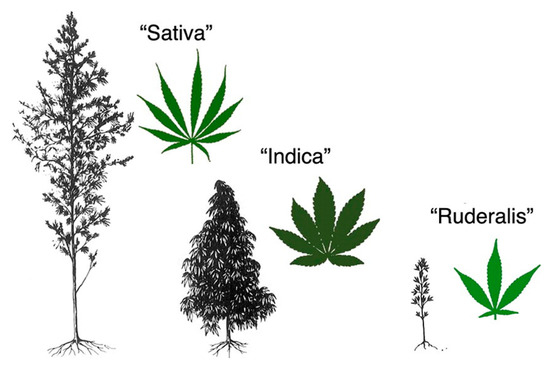
Phytocannabinoids (terpenophenolic compounds derived from the plant), include the well-known psychoactive cannabinoid Δ9-tetrahydrocannabinol, and many non-psychoactive cannabinoids, like cannabidiol.

The endocannabinoid system (ECS) comprises of endocannabinoid ligands, enzymes for synthesis and degradation of such ligands, and receptors. This system is widely distributed in the gastrointestinal tract, where phytocannabinoids exert potent effects, particularly under pathological (i.e., inflammatory) conditions.

Herein, we will first look at the hemp plant as a possible source of new functional food ingredients and nutraceuticals that might be eventually useful to treat or even prevent gastrointestinal conditions.

Subsequently, we will briefly describe the ECS and the general pharmacology of phytocannabinoids. Finally, we will revise the available data showing that non-psychoactive phytocannabinoids, particularly cannabidiol, may be useful to treat different disorders and diseases of the gastrointestinal tract.

With the increasing interest in the development of functional foods for a healthy life, the non-psychoactive phytocannabinoids are hoped to find a place as nutraceuticals and food ingredients also for a healthy gastrointestinal tract function.”

https://www.ncbi.nlm.nih.gov/pubmed/32357565

https://www.mdpi.com/1422-0067/21/9/3067

Targeting the Endocannabinoid System in Borderline Personality Disorder.

“Borderline Personality Disorder (BPD) is a chronic debilitating psychiatric disorder characterized mainly by emotional instability, chaotic interpersonal relationships, cognitive disturbance (e.g. dissociation and suicidal thoughts) and maladaptive behaviors. BPD has a high rate of comorbidity with other mental disorders and high burden on society.
In this review, we focus on two compromised brain regions in BPD – the hypothalamus and the corticolimbic system, emphasizing the involvement and potential contribution of the endocannabinoid system (ECS) to improvement in symptoms and coping.

The hypothalamus-regulated endocrine axes (hypothalamic pituitary – gonadal, thyroid & adrenal) have been found to be dysregulated in BPD. There is also substantial evidence for limbic system structural and functional changes in BPD, especially in amygdala and hippocampus, including cortical regions within the corticolimbic system.

Extensive expression of CB1 and CB2 receptors of the ECS has been found in limbic regions and the hypothalamus. This opens new windows of opportunity for treatment with cannabinoids such as cannabidiol (CBD) as no other pharmacological treatment has shown long-lasting improvement in the BPD population to date.

This review aims to show the potential role of the ECS in BPD patients through their most affected brain regions, the hypothalamus and the corticolimbic system. The literature reviewed does not allow for general indications of treatment with CBD in BPD. However, there is enough knowledge to indicate a treatment ratio of high level of CBD to low level of THC.

A randomized controlled trial investigating the efficacy of cannabinoid based treatments in BPD is warranted.”

https://www.ncbi.nlm.nih.gov/pubmed/32351183

http://www.eurekaselect.com/181504/article

Cannabis and cannabinoids in cancer pain management.

 Current Opinion in Supportive and Palliative Care | Apps | 148Apps“An increasing number of patients are turning to cannabis and cannabinoids for management of their palliative and nonpalliative cancer pain and other cancer-related symptoms.

Canadians have a legal framework for access to medical cannabis, which provides a unique perspective in a setting lacking robust clinical evidence. This review seeks to delineate the role of cannabis and cannabinoids in cancer pain management and offers insight into the Canadian practice.

RECENT FINDINGS:

A cohort study using nabiximols on advanced cancer pain in patients already optimized on opioids, over 3 weeks, demonstrated improved average pain score. A large observational study of cancer patients using cannabis over 6 months demonstrated a decreased number of patients with severe pain and decreased opioid use, whereas the number of patients reporting good quality of life increased.

SUMMARY:

Good preclinical animal data and a large body of observational evidence point to the potential efficacy of cannabinoids for cancer pain management. However, there are relatively weak data pointing to clinical efficacy from clinical trial data to date. In Canada, the burgeoning cannabis industry has driven the population to embrace a medicine before clinical evidence. There remains a need for high-quality randomized controlled trials to properly assess the effectiveness and safety of medical cannabis, compared with placebo and standard treatments for cancer-related symptoms.”

https://www.ncbi.nlm.nih.gov/pubmed/32332209

https://journals.lww.com/pages/results.aspx?txtKeywords=10.1097%2fSPC.0000000000000493

CBD modulates DNA methylation in mice prefrontal cortex and hippocampus of mice exposed to forced swim.

Behavioural Brain Research“Cannabidiol (CBD), a non-psychotomimetic component of Cannabis sativa plant, shows therapeutic potential in psychiatric disorders, including depression.

The molecular mechanisms underlying the antidepressant-like effects of CBD are not yet understood. Previous studies in differentiated skin cells demonstrated that CBD regulates DNA methylation, an overall repressive epigenetic mechanism. Both stress exposure and antidepressant treatment can modulate DNA methylation in the brain, and lead to gene expression changes associated with depression neurobiology.

We investigated herein if the antidepressant effect of CBD could be associated with changes in DNA methylation in the prefrontal cortex (PFC) and hippocampus (HPC) of mice submitted to the forced swimming test (FST).

Altogether, our results indicate that CBD regulates DNA methylation in brain regions relevant for depression neurobiology, suggesting that this mechanism could be related to CBD-induced antidepressant effects.”

https://www.ncbi.nlm.nih.gov/pubmed/32348868

“Cannabidiol (CBD) shows antidepressant-like properties in mice.”

https://www.sciencedirect.com/science/article/pii/S0166432820303260?via%3Dihub

A randomized, double-blind, placebo-controlled study of daily cannabidiol for the treatment of canine osteoarthritis pain.

PAIN Impact Factor Increase to 6.029 - IASP“Over the last two decades, affirmative diagnoses of osteoarthritis in the United States have tripled due to increasing rates of obesity and an aging population.

Hemp-derived cannabidiol (CBD) is the major non-THC component of cannabis and has been promoted as a potential treatment for a wide variety of disparate inflammatory conditions.

Here we evaluated CBD for its ability to modulate the production of pro-inflammatory cytokines in vitro and in murine models of induced inflammation and further validated the ability of a liposomal formulation to increase bioavailability in mice and in humans.

Subsequently, the therapeutic potential of both naked and liposomally-encapsulated CBD was explored in a 4-week, randomized placebo-controlled, double-blinded study in a spontaneous canine model of osteoarthritis.

In vitro and in mouse models, CBD significantly attenuated the production of pro-inflammatory cytokines IL-6 and TNF-α while elevating levels of anti-inflammatory IL-10. In the veterinary study, CBD significantly decreased pain and increased mobility in a dose-dependent fashion among animals with an affirmative diagnosis of osteoarthritis.

Liposomal CBD (20 mg/day) was as effective as the highest dose of non-liposomal CBD (50 mg/day) in improving clinical outcomes. Hematocrit, comprehensive metabolic profile, and clinical chemistry indicated no significant detrimental impact of CBD administration over the four-week analysis period.

This study supports the safety and therapeutic potential of hemp-derived CBD for relieving arthritic pain and suggests follow-up investigations in humans is warranted.”

https://www.ncbi.nlm.nih.gov/pubmed/32345916

https://journals.lww.com/pain/Abstract/9000/A_randomized,_double_blind,_placebo_controlled.98420.aspx

Can Hemp Help? Low-THC Cannabis and Non-THC Cannabinoids for the Treatment of Cancer.

cancers-logo“Cannabis has been used to relieve the symptoms of disease for thousands of years. However, social and political biases have limited effective interrogation of the potential benefits of cannabis and polarised public opinion.

Evidence is emerging for the therapeutic benefits of cannabis in the treatment of neurological and neurodegenerative diseases, with potential efficacy as an analgesic and antiemetic for the management of cancer-related pain and treatment-related nausea and vomiting, respectively.

An increasing number of preclinical studies have established that ∆9-THC can inhibit the growth and proliferation of cancerous cells through the modulation of cannabinoid receptors (CB1R and CB2R), but clinical confirmation remains lacking.

In parallel, the anti-cancer properties of non-THC cannabinoids, such as cannabidiol (CBD), are linked to the modulation of non-CB1R/CB2R G-protein-coupled receptors, neurotransmitter receptors, and ligand-regulated transcription factors, which together modulate oncogenic signalling and redox homeostasis.

Additional evidence has also demonstrated the anti-inflammatory properties of cannabinoids, and this may prove relevant in the context of peritumoural oedema and the tumour immune microenvironment. This review aims to document the emerging mechanisms of anti-cancer actions of non-THC cannabinoids.”

https://www.ncbi.nlm.nih.gov/pubmed/32340151

https://www.mdpi.com/2072-6694/12/4/1033