
 “This paper aimed to systematically examine the efficacy and adverse event (AE) profile of cannabidiol and medicinal cannabis by analyzing qualitative and meta-analytic data.
According to the results, a statistically meaningful effect of cannabidiol compared with placebo was observed (p < 0.00001). When comparing treatment with cannabidiol or medicinal cannabis, significance was not found for the AE profile (p = 0.74). As AEs for cannabidiol were more common under short-term than under long-term treatment (p < 0.00001), this approach was favorable in the long term.
Furthermore, cannabidiol is more effective than placebo, regardless of the etiology of epileptic syndromes and dosage.
Overall, the AE profile did not differ across treatments with cannabidiol or medicinal cannabis, though it did differ favorably for long-term than for short-term treatment.”
https://www.ncbi.nlm.nih.gov/pubmed/31731110
“CBD treatments were effective compared with placebo, regardless of the dose administered. •The safety analysis is related to tolerable SEs found in studies with both CBD and medicinal CNB. •There was a greater tendency for adverse events in short-term treatment compared with long-term treatment.”
https://www.epilepsybehavior.com/article/S1525-5050(19)30862-5/fulltext
 “The protective effect of
 “Use of
 “Chronic pain is highly prevalent in most of the industrialized nations around the world. Despite the documented adverse effects, opioids are widely used for pain management.
 “Accumulating evidence implicates the endocannabinoid system in the pathophysiology of psychosis.
 “Depression is a widespread psychological disorder that affects up to 20% of the world’s population. Traditional Chinese medicine (TCM), with its unique curative effect in depression treatment, is gaining increasing attention as the discovery of novel antidepressant drug has become the pursuit of pharmaceutical. This article summarizes the work done on the natural products from TCM that have been reported to conceive antidepressant effects in the past two decades, which can be classified according to various mechanisms including increasing synaptic concentrations of monoamines, alleviating the hypothalamic-pituitary-adrenal (HPA) axis dysfunctions, lightening the impairment of neuroplasticity, fighting towards immune and inflammatory dysregulation. The antidepressant active ingredients identified can be generally divided into saponins, flavonoids, alkaloids, polysaccharides and others. Albiflorin, Baicalein, Berberine chloride, beta-Asarone, cannabidiol, Curcumin, Daidzein, Echinocystic acid (EA), Emodin, Ferulic acid, Gastrodin, Genistein, Ginsenoside Rb1, Ginsenoside Rg1, Ginsenoside Rg3, Hederagenin, Hesperidin, Honokiol, Hyperoside, Icariin, Isoliquiritin, Kaempferol, Liquiritin, L-theanine, Magnolol, Paeoniflorin, Piperine, Proanthocyanidin, Puerarin, Quercetin, Resveratrol (trans), Rosmarinic acid, Saikosaponin A, Senegenin, Tetrahydroxystilbene glucoside and Vanillic acid are Specified in this review. Simultaneously, chemical structures of the active ingredients with antidepressant activities are listed and their sources, models, efficacy and mechanisms are described. Chinese compound prescription and extracts that exert antidepressant effects are also introduced, which may serve as a source of inspiration for further development. In the view of present study, the antidepressant effect of certain TCMs are affirmative and encouraging. However, there are a lot of work needs to be done to evaluate the exact therapeutic effects and mechanisms of those active ingredients, specifically, to establish a unified standard for diagnosis and evaluation of curative effect.”


 “According to recent studies,
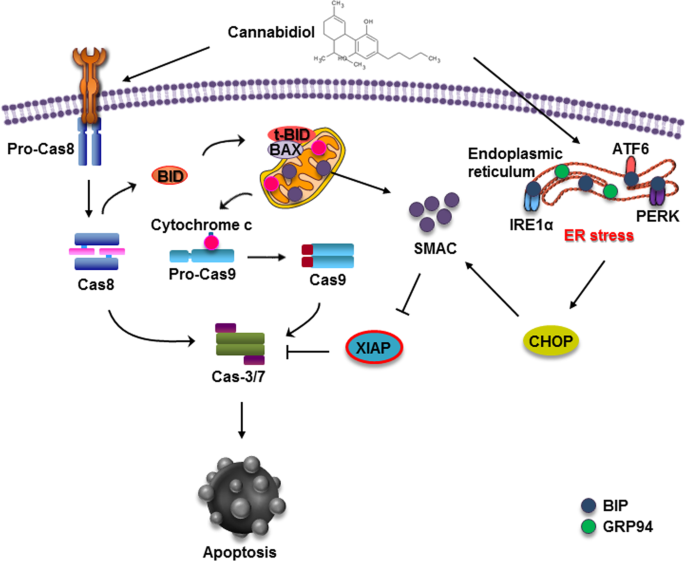
 “The healing properties of
 “EpidiolexTM , a form of highly purified cannabidiol (CBD) derived from