
 “Metastatic breast cancer is prevalent worldwide, and one of the most common sites of metastasis are long bones. Of patients with disease, the major symptom is pain, yet current medications fail to adequately result in analgesic efficacy and present major undesirable adverse effects.
In our study we investigate the potential of a novel monoacylglycerol lipase (MAGL) inhibitor, MJN110, in a murine model of cancer induced bone pain (CIBP). Literature has previously demonstrated that MAGL inhibitors function to increase the endogenous concentrations of 2-arachydonylglycerol, which then activate CB1 and CB2 receptors inhibiting inflammation and pain.
Together, these data support the application for MJN110 as a novel therapeutic for cancer induced bone pain.
SIGNIFICANCE STATEMENT: Current standard of care for metastatic breast cancer pain is opioid-based therapies with adjunctive chemotherapy, which have highly addictive and other deleterious side effects. The need for effective, non-opioid based therapies is essential and harnessing the endogenous cannabinoid system is proving to be a new target to treat various types of pain conditions. We present a novel drug targeting the endogenous cannabinoid system that is effective at reducing pain in a mouse model of metastatic breast cancer to bone.”
https://www.ncbi.nlm.nih.gov/pubmed/32054717
http://jpet.aspetjournals.org/content/early/2020/02/13/jpet.119.262337
 “The legalisation of

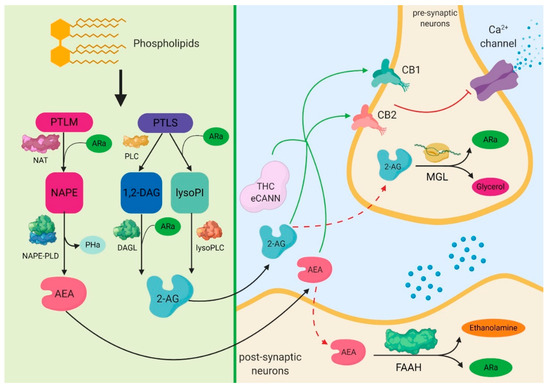
 “The endocannabinoid system (ES) is a cell-signalling system widely distributed in biological tissues that includes endogenous ligands, receptors, and biosynthetic and hydrolysing machineries.
 “Sleep deprivation (SD) is a common feature in modern society. Prolonged sleep deprivation causes cognition deficits and depression-like behavior in the model of animal experiments.
 “Cannabinoids are a group of structurally heterogeneous but pharmacologically related compounds, including plant-derived cannabinoids, synthetic substances and endogenous cannabinoids, such as anandamide and 2-arachidonoylglycerol.
 “Cannabinoids are increasingly-used substances in the treatment of chronic pain, some neuropsychiatric disorders and more recently, skin disorders with an inflammatory component.
 “Most of the drugs of abuse affect the brain by interacting with naturally expressed molecular receptors. Marihuana affects a series of receptors including
 “Critically ill patients with sepsis require a multidisciplinary approach, as this situation implies multiorgan distress, with most of the bodily biochemical and cellular systems being affected by the condition. Moreover, sepsis is characterized by a multitude of biochemical interactions and by dynamic changes of the immune system. At the moment, there is a gap in our understanding of the cellular, genetic, and molecular mechanisms involved in sepsis.
 “Human adipose tissue includes large quantities of mesenchymal stromal cells (atMSCs), which represent an abundant cell source for therapeutic applications in the field of regenerative medicine.
