

“Quetiapine is a common atypical antipsychotic used to treat mental disorders such as schizophrenia, bipolar disorder, and major depressive disorder. There has been increasing number of reports describing its cardiotoxicity. However, the molecular mechanisms underlying quetiapine-induced myocardial injury remain largely unknown.
Herein, we reported a novel cell death type, quetiapine-induced necroptosis, which accounted for quetiapine cardiotoxicity in mice and proposed novel therapeutic strategies.
Quetiapine-treated hearts showed inflammatory infiltration and evident fibrosis after 21-day continuous injection. The specific increases of protein levels of RIP3, MLKL and the phosphorylation of MLKL showed that quetiapine-induced necroptotic cell death both in vivo and in vitro. Pharmacologic blockade of necroptosis using its specific inhibitor Necrostatin-1 attenuated quetiapine-induced myocardial injury in mice.
In addition, quetiapine imbalanced the endocannabinoid system and caused opposing effects on two cannabinoid receptors (CB1R and CB2R).
Specific antagonists of CB1R (AM 281, Rimonabant), but not its agonist ACEA significantly ameliorated the heart histopathology induced by chronic quetiapine exposure. By contrast, specific agonists of CB2R (JWH-133, AM 1241), but not its antagonist AM 630 exerted beneficial roles against quetiapine cardiotoxicity.
The protective agents (AM 281, Rimonabant, AM 1241, and JWH-133) consistently inactivated the quetiapine-induced necroptosis signaling. Quetiapine bidirectionally regulates cannabinoid receptors and induces myocardial necroptosis, leading to cardiac toxic effects.
Therefore, pharmacologic inhibition of CB1R or activation of CB2R represents promising therapeutic strategies against quetiapine-induced cardiotoxicity.”
https://www.ncbi.nlm.nih.gov/pubmed/31220554
https://www.sciencedirect.com/science/article/pii/S0378427419301766?via%3Dihub


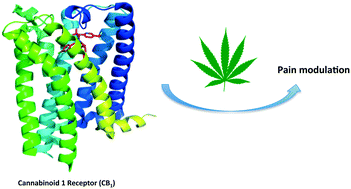
 “The endocannabinoid system is an endogenous pathway comprised of the cannabinoid receptors 1 and 2 (CB1 and CB2), their endogenous ligands known as endocannabinoids, and the enzymes responsible for their synthesis and degradation. The endocannabinoidome extends this system to include other receptors such as TRPV1, PPARα, GPR55 and 5-HT1A. An extensive amount of research is now linking the endocannabinoidome to intestinal health through fascinating mechanisms that include endocannabinoid receptor expression in the gut and interplay with the intestinal microbiota. A dysregulated endocannabinoid system may lead to inflammatory bowel disease and colon cancer.”
 “Mammalian ω3- and ω6-PUFAs are synthesized from essential fatty acids (EFAs) or supplied by the diet. PUFAs are constitutive elements of membrane-architecture and precursors of lipid signaling molecules. EFAs and long chain PUFAs are precursors in the synthesis of endocannabinoid-ligands of the Gi/o-protein coupled cannabinoid receptors 1 and 2 in the endocannabinoid-system, which critically regulates energy homeostasis, as metabolic signaling system in hypothalamic neuronal circuits, and behavioral parameters. We utilized the auxotrophic fatty acid desaturase 2 deficient (fads2-/-) mouse, deficient in long chain PUFA-synthesis, to follow the age dependent dynamics of the PUFA pattern in the CNS-phospholipidome in unbiased dietary studies of three cohorts on sustained long chain PUFA-free, ω6-arachidonic and ω3-docosahexaenoic acid supplemented diets and their impact on the precursor pool of CB1 ligands. We discovered the transformation of eicosa-all cis-5,11,14-trienoic acid, uncommon in mammalian lipidomes, into two novel endocannabinoids, 20:35,11,14-ethanolamide and 2-20:35,11,14-glycerol, acting as ligands of CB1 in HEK293-cells. Labeling experiments excluded a Δ8-desaturase activity and proved the position-specificity of FADS2. The fads2 -/- mutant might serve as an unbiased model in vivo in the development of novel CB1-agonists and antagonists.”
 “Bipolar disorder (BD) is a debilitating, lifelong neuropsychiatric illness characterised by unsteady mood states which vacillate from (hypo)mania to depression. Despite the availability of pharmaceutical agents which can be effective in ameliorating the acute affective symptoms and prevent episodic relapse, BD is inadequately treated in a subset of patients.

