Insights on cannabidiol’s antiallodynic and anxiolytic mechanisms of action in a model of neuropathic pain

PAIN Impact Factor Increase to 6.029 - IASP“Recent studies have shown that cannabidiol (CBD) could have a great therapeutic potential for treating disorders such as chronic pain and anxiety. In the target article, the authors propose that CBD modulates serotonergic transmission and reverses allodynia and anxiety-like behaviour in a rat model of neuropathic pain. Furthermore, this study shows an antinociceptive effect mediated by TRPV1 and partially by 5-HT1A receptors, as well as an anxiolytic effect mediated by 5-HT1A receptors.”

https://pubmed.ncbi.nlm.nih.gov/32766463/

https://journals.lww.com/painrpts/Fulltext/2019/10000/Insights_on_cannabidiol_s_antiallodynic_and.10.aspx

“Cannabidiol modulates serotonergic transmission and reverses both allodynia and anxiety-like behavior in a model of neuropathic pain”  https://pubmed.ncbi.nlm.nih.gov/30157131/


Cannabidiol inhibits febrile seizure by modulating AMPA receptor kinetics through its interaction with the N-terminal domain of GluA1/GluA2

Pharmacological Research “Cannabidiol (CBD) is a major phytocannabinoid in Cannabis sativa. CBD is being increasingly reported as a clinical treatment for neurological diseases.

Febrile seizure is one of the most common diseases in children with limited therapeutic options. We investigated possible therapeutic effects of CBD on febrile seizures and the underlying mechanism.

Use of a hyperthermia-induced seizures model revealed that CBD significantly prolonged seizure latency and reduced the severity of thermally-induced seizures. Hippocampal neuronal excitability was significantly decreased by CBD. Further, CBD significantly reduced the α-amino-3-hydroxy-5-methyl-4-isoxazolepropionic acid receptor (AMPAR) mediated evoked excitatory postsynaptic currents (eEPSCs) and the amplitude and frequency of miniature EPSCs (mEPSCs).

Furthermore, CBD significantly accelerated deactivation in GluA1 and GluA2 subunits. Interestingly, CBD slowed receptor recovery from desensitization of GluA1, but not GluA2. These effects on kinetics were even more prominent when AMPAR was co-expressed with γ-8, the high expression isoform 8 of transmembrane AMPAR regulated protein (TARPγ8) in the hippocampus. The inhibitory effects of CBD on AMPAR depended on its interaction with the distal N-terminal domain of GluA1/GluA2.

CBD inhibited AMPAR activity and reduced hippocampal neuronal excitability, thereby improving the symptoms of febrile seizure in mice. The putative binding site of CBD in the N-terminal domain of GluA1/GluA2 may be a drug target for allosteric gating modulation of AMPAR.”

https://pubmed.ncbi.nlm.nih.gov/32805354/

“Cannabidiol (CBD) significantly prolonged seizure latency and reduced seizure severity.”

https://www.sciencedirect.com/science/article/abs/pii/S1043661820314365?via%3Dihub

Anti-proliferative and cytotoxic effect of cannabidiol on human cancer cell lines in presence of serum

 BMC Research Notes | Home page“Objective: Cannabinoids are able to reduce tumor growth in xenograft models, but their therapeutic potential as anti-cancer drugs in humans is unclear yet. In vitro studies of the effect of cannabinoids on cancer cells are often carried out in absence of serum or in low serum concentration (i.e. 0.5% serum), conditions that limit cellular growth and therefore can increase the response of cells to additional challenges such as the presence of cannabinoids. However, the tumor microenvironment can be teaming with growth factors. In this study we assessed the viability and proliferation of cancer cells treated with cannabidiol in presence of a serum concentration that commonly sustains cell growth (10% serum).

Results: The results show that cannabidiol exerts a markedly different effect on the viability of the human HT-29 cancer cell line when cultured in presence of 0.5% serum in comparison to 10% serum, displaying a cytotoxic effect only in the former situation. In presence of 10% serum, no inhibitory effect of cannabidiol on DNA replication of HT-29 cells was detected, and a weak inhibition was observed for other cancer cell lines. These results indicate that the effect of cannabidiol is cell context-dependent being modulated by the presence of growth factors.”

https://pubmed.ncbi.nlm.nih.gov/32819436/

“The cannabis plant has a therapeutic potential to treat a wide range of diseases, including cancer.”

https://bmcresnotes.biomedcentral.com/articles/10.1186/s13104-020-05229-5

Cannabinoid-profiled agents improve cell survival via reduction of oxidative stress and inflammation, and Nrf2 activation in a toxic model combining hyperglycemia+Aβ 1-42 peptide in rat hippocampal neurons

Neurochemistry International “Alzheimer’s disease (AD) is a multifactorial neurodegenerative disorder linked to various converging toxic mechanisms. Evidence suggests that hyperglycemia induces oxidative stress, mitochondrial dysfunction, inflammation and excitotoxicity, all of which play important roles in the onset and progression of AD pathogenesis.

The endocannabinoid system (ECS) orchestrates major physiological responses, including neuronal plasticity, neuroprotection, and redox homeostasis, to name a few. The multi-targeted effectiveness of the ECS emerges as a potential approach to treat AD.

Here we characterized the protective properties of the endocannabinoids arachidonylethanolamide (AEA) and 2-arachidonoylglycerol (2-AG), the synthetic cannabinoids CP 55-940 and WIN 55,212-2, and the fatty acid amide hydrolase (FAAH) inhibitor URB597, on a combined hyperglycemia+oligomeric amyloid β peptide (Aβ1-42) neurotoxic model in primary hippocampal neurons which exhibit several AD features.

All agents tested preserved cell viability and stimulated mitochondrial membrane potential, while reducing all the evaluated toxic endpoints in a differential manner, with URB597 showing the highest efficacy. The neuroprotective efficacy of all cannabinoid agents, except for URB597, led to partial recruitment of specific antioxidant activity and Nrf2 pathway regulation.

Our results support the neuroprotective potential of these agents at low concentrations against the damaging effects of GLU+Aβ1-42, affording new potential modalities for the design of AD therapies.”

https://pubmed.ncbi.nlm.nih.gov/32781098/

“All cannabinoid agents prevented the GLU + Aβ1-42 toxicity in a differential manner. All cannabinoid agents recruited Nrf2 signaling to protect cells.”

https://www.sciencedirect.com/science/article/abs/pii/S0197018620302084?via%3Dihub

Rapid Antibacterial Activity of Cannabichromenic Acid against Methicillin-Resistant Staphylococcus aureus

antibiotics-logo “Methicillin-resistant Staphylococcus aureus (MRSA) has proven to be an imminent threat to public health, intensifying the need for novel therapeutics.

Previous evidence suggests that cannabinoids harbour potent antibacterial activity.

In this study, a group of previously inaccessible phytocannabinoids and synthetic analogues were examined for potential antibacterial activity.

The minimum inhibitory concentrations and dynamics of bacterial inhibition, determined through resazurin reduction and time-kill assays, revealed the potent antibacterial activity of the phytocannabinoids against gram-positive antibiotic-resistant bacterial species, including MRSA.

One phytocannabinoid, cannabichromenic acid (CBCA), demonstrated faster and more potent bactericidal activity than vancomycin, the currently recommended antibiotic for the treatment of MRSA infections. Such bactericidal activity was sustained against low-and high-dose inoculums as well as exponential- and stationary-phase MRSA cells. Further, mammalian cell viability was maintained in the presence of CBCA. Finally, microscopic evaluation suggests that CBCA may function through the degradation of the bacterial lipid membrane and alteration of the bacterial nucleoid.

The results of the current study provide encouraging evidence that cannabinoids may serve as a previously unrecognised resource for the generation of novel antibiotics active against MRSA.”

https://pubmed.ncbi.nlm.nih.gov/32824356/

https://www.mdpi.com/2079-6382/9/8/523

Cannabinoids for People with ASD: A Systematic Review of Published and Ongoing Studies

brainsci-logo“The etiopathogenesis of autism spectrum disorder (ASD) remains largely unclear.
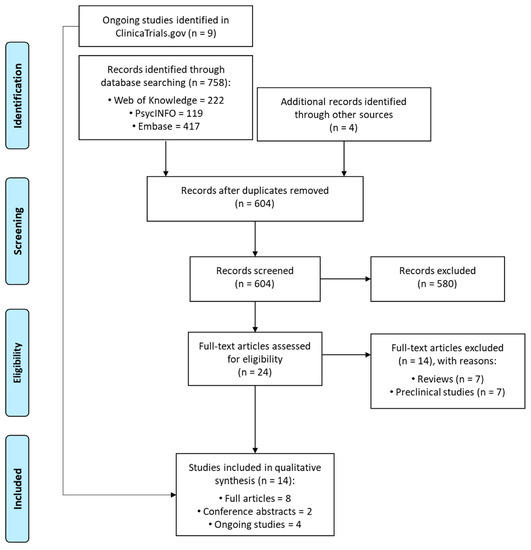
Among other biological hypotheses, researchers have evidenced an imbalance in the endocannabinoid (eCB) system, which regulates some functions typically impaired in ASD, such as emotional responses and social interaction. Additionally, cannabidiol (CBD), the non-intoxicating component of Cannabis sativa, was recently approved for treatment-resistant epilepsy.

Epilepsy represents a common medical condition in people with ASD. Additionally, the two conditions share some neuropathological mechanisms, particularly GABAergic dysfunctions. Hence, it was hypothesized that cannabinoids could be useful in improving ASD symptoms.

The findings were promising, as cannabinoids appeared to improve some ASD-associated symptoms, such as problem behaviors, sleep problems, and hyperactivity, with limited cardiac and metabolic side effects. Conversely, the knowledge of their effects on ASD core symptoms is scarce.

Interestingly, cannabinoids generally allowed to reduce the number of prescribed medications and decreased the frequency of seizures in patients with comorbid epilepsy. Mechanisms of action could be linked to the excitatory/inhibitory imbalance found in people with ASD. However, further trials with better characterization and homogenization of samples, and well-defined outcomes should be implemented.”

https://pubmed.ncbi.nlm.nih.gov/32825313/

https://www.mdpi.com/2076-3425/10/9/572

Cannabinoid Effects on Experimental Colorectal Cancer Models Reduce Aberrant Crypt Foci (ACF) and Tumor Volume: A Systematic Review

See the source image “Colorectal cancer represents a heavy burden for health systems worldwide, being the third most common cancer worldwide. Despite the breakthroughs in medicine, current chemotherapeutic options continue to have important side effects and may not be effective in preventing disease progression.

Cannabinoids might be substances with possible therapeutic potential for cancer because they can attenuate the side effects of chemotherapy and have antiproliferative and antimetastatic effects.

We aim to determine, through a systematic review of experimental studies performed on animal CRC models, if cannabinoids can reduce the formation of preneoplastic lesions (aberrant crypt foci), number, and volume of neoplastic lesions.

Results: Eight in vivo experimental studies were included in the analysis after the full-text evaluation. Seven studies were azoxymethane (AOM) colorectal cancer models, and four studies were xenograft models. Cannabidiol botanical substance (CBD BS) and rimonabant achieved high aberrant crypt foci (ACF) reduction (86% and 75.4%, respectively). Cannabigerol, O-1602, and URB-602 demonstrated a high capacity for tumor volume reduction. Induction of apoptosis, interaction with cell survival, growth pathways, and angiogenesis inhibition were the mechanisms extracted from the studies that explain cannabinoids’ actions on CRC.

Conclusions: Cannabinoids have incredible potential as antineoplastic agents as experimental models demonstrate that they can reduce tumor volume and ACF formation. It is crucial to conduct more experimental studies to understand the pharmacology of cannabinoids in CRC better.”

https://pubmed.ncbi.nlm.nih.gov/32765628/

“Current literature findings demonstrate that cannabinoids might have potential as antineoplastic agents because they can reduce tumor volume and ACF formation.”

https://www.hindawi.com/journals/ecam/2020/2371527/

Role of cannabinoids in alcohol-induced neuroinflammation

 Progress in Neuro-Psychopharmacology and Biological Psychiatry“Alcohol is a psychoactive substance highly used worldwide, whose harmful use might cause a broad range of mental and behavioural disorders. Underlying brain impact, the neuroinflammatory response induced by alcohol is recognised as a key contributing factor in the progression of other neuropathological processes, such as neurodegeneration. These sequels are determined by multiple factors, including age of exposure.


Strikingly, it seems that the endocannabinoid system modulation could regulate the alcohol-induced neuroinflammation. Although direct CB1 activation can worsen alcohol consequences, targeting other components of the expanded endocannabinoid system may counterbalance the pro-inflammatory response.

Indeed, specific modulations of the expanded endocannabinoid system have been proved to exert anti-inflammatory effects, primarily through the CB2 and PPARγ signalling. Among them, some endo- and exogeneous cannabinoids can block certain pro-inflammatory mediators, such as NF-κB, thereby neutralizing the neuroinflammatory intracellular cascades.

Furthermore, a number of cannabinoids are able to activate complementary anti-inflammatory pathways, which are necessary for the transition from chronically overactivated microglia to a regenerative microglial phenotype. Thus, cannabinoid modulation provides cooperative anti-inflammatory mechanisms that may be advantageous to resolve a pathological neuroinflammation in an alcohol-dependent context.”

https://pubmed.ncbi.nlm.nih.gov/32758518/

“Cannabinoid modulation represents an extremely interesting therapeutic target in alcohol-induced chronic neuroinflammation.”

https://www.sciencedirect.com/science/article/pii/S0278584620303705?via%3Dihub

Fig. 1

The Effects of Cannabidiol and Prognostic Role of TRPV2 in Human Endometrial Cancer

ijms-logo“Several studies support, both in vitro and in vivo, the anti-cancer effects of cannabidiol (CBD), a transient receptor potential vanilloid 2 (TRPV2) ligand. TRPV2, often dysregulated in tumors, is associated with altered cell proliferation and aggressiveness.

Endometrial cancer (EC) is historically divided in type I endometrioid EC and type II non-endometrioid EC, associated with poor prognosis. Treatment options with chemotherapy and combinations with radiation showed only limited efficacy. Since no data are reported concerning TRPV2 expression as well as CBD potential effects in EC, the aim of this study was to evaluate the expression of TRPV2 in biopsies and cell lines as well as the effects of CBD in in vitro models. Overall survival (OS), progression-free survival (PFS), cell viability, migration, and chemo-resistance have been evaluated.

Results show that TRPV2 expression increased with the malignancy of the cancer tissue and correlated with shorter PFS (p = 0.0224). Moreover, in vitro TRPV2 over-expression in Ishikawa cell line increased migratory ability and response to cisplatin. CBD reduced cell viability, activating predominantly apoptosis in type I cells and autophagy in mixed type EC cells. The CBD improved chemotherapeutic drugs cytotoxic effects, enhanced by TRPV2 over-expression. Hence, TRPV2 could be considered as a marker for optimizing the therapy and CBD might be a useful therapeutic option as adjuvant therapy.”

https://pubmed.ncbi.nlm.nih.gov/32751388/

https://www.mdpi.com/1422-0067/21/15/5409

Cannabidiol normalizes resting-state functional connectivity in treatment-resistant epilepsy

See the source image“Resting-state (rs) network dysfunction is a contributing factor to treatment resistance in epilepsy. In treatment-resistant epilepsy (TRE), pharmacological and nonpharmacological therapies have been shown to improve such dysfunction.

In this study, our goal was to prospectively evaluate the effect of highly purified plant-derived cannabidiol (CBD; Epidiolex®) on rs functional magnetic resonance imaging (fMRI) functional connectivity (rs-FC).

We hypothesized that CBD would change and potentially normalize the rs-FC in TRE.

Results: Participants with TRE showed average decrease of 71.7% in SF (p < 0.0001) and improved CSSS, AEP, and POMS confusion, depression, and fatigue subscores (all p < 0.05) on-CBD with POMS scores becoming similar to those of HCs. Paired t-tests showed significant pre-/on-CBD changes in rs-FC in cerebellum, frontal areas, temporal areas, hippocampus, and amygdala with some of them correlating with improvement in behavioral measures. Significant differences in rs-FC between pre-CBD and HCs were found in cerebellum, frontal, and occipital regions. After controlling for changes in SF with CBD, these differences were no longer present when comparing on-CBD to HCs.

Significance: This study indicates that highly purified CBD modulates and potentially normalizes rs-FC in the epileptic brain. This effect may underlie its efficacy. This study provides Class III evidence for CBD’s normalizing effect on rs-FC in TRE.”

https://pubmed.ncbi.nlm.nih.gov/32745959/

https://www.epilepsybehavior.com/article/S1525-5050(20)30476-5/fulltext