
 “Accumulating evidence suggests that diets rich in ω-3 polyunsaturated fatty acids (PUFAs) offer protection against vascular inflammation, neuroinflammation, hypertension, and thrombosis.
Recently, biochemical studies have demonstrated that these benefits are partially mediated by their conversion to ω-3 endocannabinoid epoxide metabolites. These lipid metabolites originate from the epoxidation of ω-3 endocannabinoids, docosahexanoyl ethanolamide (DHEA) and eicosapentaenoyl ethanolamide (EPEA) by cytochrome P450 (CYP) epoxygenases to form epoxydocosapentaenoic acid-ethanolamides (EDP-EAs) and epoxyeicosatetraenoic acid-ethanolamides (EEQ-EAs), respectively.
The EDP-EAs and EEQ-EAs are endogenously produced in rat brain and peripheral organs. Additionally, EDP-EAs and EEQ-EAs dose-dependently decrease pro-inflammatory IL-6 cytokine and increased anti-inflammatory IL-10 cytokine. Furthermore, the EEQ-EAs and EDP-EAs attenuate angiogenesis and cell migration in cancer cells, induce vasodilation in bovine coronary arteries, and reciprocally regulate platelet aggregation in washed human platelets.
Taken together, the ω-3 endocannabinoid epoxides represent a new class of dual acting molecules that display unique pharmacological properties.”
https://www.ncbi.nlm.nih.gov/pubmed/31562632
https://link.springer.com/chapter/10.1007%2F978-3-030-21735-8_17
 “Indisputably, cancer is a global crisis that requires immediate intervention. Despite the use of conventional treatments over the past decades, it is acceptable to admit that these are expensive, invasive, associated with many side effects and, therefore, a reduced quality of life.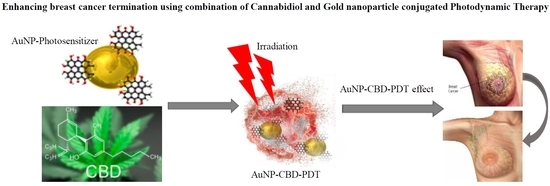

 “The European Medicines Agency (EMA) has approved the first cannabis based medicine to treat two rare and severe forms of childhood onset epilepsy, although hurdles remain before the drug becomes available on the NHS.”
 “Patients with ulcerative colitis (UC) using marijuana have been reported to experience symptomatic benefit.
 “Membrane vesicles (MVs) released from bacteria participate in cell communication and host-pathogen interactions.
 “Here, we hypothesized that adolescent Δ9-tetrahydrocannabinol (THC) worsens the impact of prenatal maternal immune activation (MIA) on ventral tegmental area (VTA) dopamine cells in rat offspring.
 “Cancer patients experience multiple symptoms throughout their illness, and some report benefit from the use of cannabis. There are concerns that many patients are accessing products inappropriate for their situation and potentially putting themselves at risk.
 “Cannabinoid receptors have been detected in human gliomas and cannabinoids have been proposed as novel drug candidates in the treatment of brain tumors.
 “Substance use disorder (SUD) is a major public health crisis worldwide, and effective treatment options are limited.