
“To characterize the socio-demographic characteristics, medical conditions, and psychiatric comorbidities of users of marijuana for medical and non-medical purposes.
Safety and efficacy of nabiximols on spasticity symptoms in patients with motor neuron disease (CANALS): a multicentre, double-blind, randomised, placebo-controlled, phase 2 trial.

“Spasticity is a major determinant of disability and decline in quality of life in patients with motor neuron disease.
Cannabinoids have been approved for symptomatic treatment of spasticity in multiple sclerosis. We investigated whether cannabinoids might also reduce spasticity in patients with motor neuron disease.
Nabiximols was well tolerated, and no participants withdrew from the double-blind phase of the study. No serious adverse effects occurred.INTERPRETATION:
In this proof-of-concept trial, nabiximols had a positive effect on spasticity symptoms in patients with motor neuron disease and had an acceptable safety and tolerability profile.” https://www.ncbi.nlm.nih.gov/pubmed/30554828 https://www.thelancet.com/journals/laneur/article/PIIS1474-4422(18)30406-X/fulltext]]>Medical Cannabis.
 “Medicolegal realities surrounding “medical marijuana” or “medical cannabis” are rapidly evolving in the United States. Clinicians are increasingly being asked by patients to share information about or certify them for medical cannabis. In order to engage in informed discussions with patients or be comfortable certifying them in states with medical cannabis laws, clinicians may benefit from an understanding of the current state of medical knowledge about medical cannabis. Intended for the generalist and subspecialist, this review provides an overview of the legal status, pharmacology, benefits, risks, and abuse liability of medical cannabis along with a general framework for counseling patients.”
Antimicrobial potential of endocannabinoid and endocannabinoid-like compounds against methicillin-resistant Staphylococcus aureus.
 “Infections caused by antibiotic-resistant strains of Staphylococcus aureus have reached epidemic proportions globally. Staphylococcal biofilms are associated with increased antimicrobial resistance and are generally less affected by host immune factors. Therefore, there is an urgent need for novel agents that not only aim at multidrug-resistant pathogens, but also ones that will act as anti biofilms. In the present study, we investigated the antimicrobial activity of the endocannabinoid (EC) anandamide (AEA) and the endocannabinoid-like (EC-like), arachidonoyl serine (AraS) against methicillin resistant S. aureus strains (MRSA). We observed a strong inhibition of biofilm formation of all tested MRSA strains as well as a notable reduction of metabolic activity of pre-formed MRSA biofilms by both agents. Moreover, staphylococcal biofilm-associated virulence determinants such as hydrophobicity, cell aggregation and spreading ability were altered by AEA and AraS. In addition, the agents were able to modify bacterial membrane potential. Importantly, both compounds prevent biofilm formation by altering the surface of the cell without killing the bacteria. Therefore, we propose that EC and EC-like compounds may act as a natural line of defence against MRSA or other antibiotic resistant bacteria. Due to their anti biofilm action these agents could also be a promising alternative to antibiotic therapeutics against biofilm-associated MRSA infections.”
https://www.ncbi.nlm.nih.gov/pubmed/30523307
https://www.nature.com/articles/s41598-018-35793-7
“Infections caused by antibiotic-resistant strains of Staphylococcus aureus have reached epidemic proportions globally. Staphylococcal biofilms are associated with increased antimicrobial resistance and are generally less affected by host immune factors. Therefore, there is an urgent need for novel agents that not only aim at multidrug-resistant pathogens, but also ones that will act as anti biofilms. In the present study, we investigated the antimicrobial activity of the endocannabinoid (EC) anandamide (AEA) and the endocannabinoid-like (EC-like), arachidonoyl serine (AraS) against methicillin resistant S. aureus strains (MRSA). We observed a strong inhibition of biofilm formation of all tested MRSA strains as well as a notable reduction of metabolic activity of pre-formed MRSA biofilms by both agents. Moreover, staphylococcal biofilm-associated virulence determinants such as hydrophobicity, cell aggregation and spreading ability were altered by AEA and AraS. In addition, the agents were able to modify bacterial membrane potential. Importantly, both compounds prevent biofilm formation by altering the surface of the cell without killing the bacteria. Therefore, we propose that EC and EC-like compounds may act as a natural line of defence against MRSA or other antibiotic resistant bacteria. Due to their anti biofilm action these agents could also be a promising alternative to antibiotic therapeutics against biofilm-associated MRSA infections.”
https://www.ncbi.nlm.nih.gov/pubmed/30523307
https://www.nature.com/articles/s41598-018-35793-7
 “The endocannabinoids anandamide (AEA) and 2-arachidonoylglyerol (2-AG) are endogenous lipid mediators that exert protective roles in pathophysiological conditions, including cardiovascular diseases. In this brief review, we provide a conceptual framework linking endocannabinoid signaling to the control of the cellular and molecular hallmarks, and categorize the key components of endocannabinoid signaling that may serve as targets for novel therapeutics. The emerging picture not only reinforces endocannabinoids as potent regulators of cellular metabolism but also reveals that endocannabinoid signaling is mechanistically more complex and diverse than originally thought.”
 “It has been known for nearly 50 years that cannabis and the psychoactive constituent Δ9-tetrahydrocannabinol (THC) reduce intraocular pressure (IOP).
Elevated IOP remains the chief hallmark and therapeutic target for glaucoma, a major cause of blindness.
THC likely acts via one of the known cannabinoid-related receptors (CB1, CB2, GPR18, GPR119, GPR55) but this has never been determined explicitly.
“It has been known for nearly 50 years that cannabis and the psychoactive constituent Δ9-tetrahydrocannabinol (THC) reduce intraocular pressure (IOP).
Elevated IOP remains the chief hallmark and therapeutic target for glaucoma, a major cause of blindness.
THC likely acts via one of the known cannabinoid-related receptors (CB1, CB2, GPR18, GPR119, GPR55) but this has never been determined explicitly.
 “Cannabis sativa var. spontanea is a spontaneous form of hemp with a low content of psychoactive
 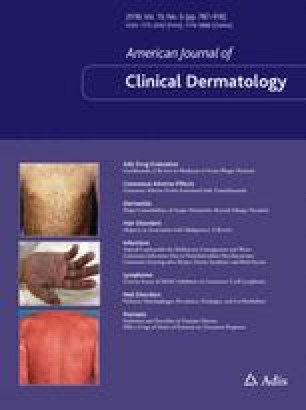 “The endocannabinoid system is a complex and nearly ubiquitous network of endogenous ligands, enzymes, and receptors that can also be stimulated by exogenous compounds such as those derived from the marijuana plant, Cannabis sativa.
Recent data have shown that the endocannabinoid system is fully functional in the skin and is responsible for maintaining many aspects of skin homeostasis, such as proliferation, differentiation, and release of inflammatory mediators. Because of its role in regulating these key processes, the endocannabinoid system has been studied for its modulating effects on both inflammatory disorders of the skin and skin cancer.
Although legal restrictions on marijuana as a Schedule I drug in the USA have made studying
“The endocannabinoid system is a complex and nearly ubiquitous network of endogenous ligands, enzymes, and receptors that can also be stimulated by exogenous compounds such as those derived from the marijuana plant, Cannabis sativa.
Recent data have shown that the endocannabinoid system is fully functional in the skin and is responsible for maintaining many aspects of skin homeostasis, such as proliferation, differentiation, and release of inflammatory mediators. Because of its role in regulating these key processes, the endocannabinoid system has been studied for its modulating effects on both inflammatory disorders of the skin and skin cancer.
Although legal restrictions on marijuana as a Schedule I drug in the USA have made studying