Endogenous cannabinoid system alterations and their role in epileptogenesis after brain injury in rat.

Image result for epilepsy research journal

“Post-traumatic epilepsy (PTE) is one of the most common complications resulting from brain injury, however, antiepileptic drugs usually fail to prevent it.

Several lines of evidence have demonstrated that the endogenous cannabinoid system (ECS) plays a pivotal role during epileptogenesis in several animal models.

A recent study has shown that a cannabinoid type 1 (CB1) receptor antagonist could suppress long-term neuron hyperexcitability after brain injury, but the underlying mechanisms remain largely unknown.

In this study, we first analyzed the dynamic expression of different components of the ECS at various time points after brain injury in rats. Then, we conducted a 12-month-long session of behavioral monitoring after the brain injury, and based on the results, the rats were divided into a PTE group and a non-PTE group. Finally, the changes in the ECS between the two groups were compared.

We found that the ECS exhibited a biphasic alteration after brain injury; the expression of the CB1 receptor and 2-arachidonoylglycerol (2-AG) in the PTE group was significantly higher than that of the non-PTE group 12 months after traumatic brain injury.

Our preliminary results indicated that the ECS might be involved in post-traumatic epileptogenesis.”

https://www.ncbi.nlm.nih.gov/pubmed/27810514

Descending serotonergic and noradrenergic systems do not regulate the antipruritic effects of cannabinoids.

Image result for Acta Neuropsychiatrica

“For centuries, cannabinoids have been known to be effective in pain states. Itch and pain are two sensations sharing a lot in common.

OBJECTIVE:

The goal of this research was to observe whether the cannabinoid agonist WIN 55,212-2 reduces serotonin-induced scratching behaviour and whether neurotoxic destruction of descending serotonergic and noradrenergic pathways mediate the antipruritic effect of WIN 55,212-2.

CONCLUSION:

Our findings indicate that cannabinoids dose-dependently reduce serotonin-induced scratching behaviour and neurotoxic destruction of descending inhibitory pathways does not mediate this antipruritic effect.”

https://www.ncbi.nlm.nih.gov/pubmed/27805543


Cannabinoids, inflammation, and fibrosis.

Image result for FASEB J.

“Cannabinoids apparently act on inflammation through mechanisms different from those of agents such as nonsteroidal anti-inflammatory drugs (NSAIDs).

As a class, the cannabinoids are generally free from the adverse effects associated with NSAIDs. Their clinical development thus provides a new approach to treatment of diseases characterized by acute and chronic inflammation and fibrosis.

A concise survey of the anti-inflammatory actions of the phytocannabinoids Δ9-tetrahydrocannabinol (THC), cannabidiol, cannabichromene, and cannabinol is presented.

The endogenous cannabinoids, including the closely related lipoamino acids, are then discussed.

The review concludes with a presentation of a possible mechanism for the anti-inflammatory and antifibrotic actions of these substances.

Thus, several cannabinoids may be considered candidates for development as anti-inflammatory and antifibrotic agents.

Of special interest is their possible use for treatment of chronic inflammation, a major unmet medical need.”

https://www.ncbi.nlm.nih.gov/pubmed/27435265

Opioids Out, Cannabis In

“Negotiating the Unknowns in Patient Care for Chronic Pain”

“With the current nationwide epidemic of opioid abuse, dependence, and fatalities, clinicians are being asked by federal agencies and professional societies to control their prescribing of narcotic medications for pain. Federal guidelines emphasize tapering, discontinuing, and limiting initiation of these drugs except in provision of end-of-life care. Reducing reliance on opioids, however, is a massive task. According to one estimate, more than 650 000 opioid prescriptions are dispensed each day in the United States. Unless the nation develops an increased tolerance to chronic pain, reduction in opioid prescribing leaves a vacuum that will be filled with other therapies.”

http://jamanetwork.com/journals/jama/article-abstract/2576617

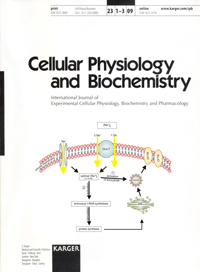
WIN 55,212-2 Inhibits the Epithelial Mesenchymal Transition of Gastric Cancer Cells via COX-2 Signals.

Image result for Cell Physiol Biochem

“Cannabinoids (the active components of Cannabis sativa) and their derivatives have received considerable interest due to reports that they can affect the tumor growth, migration, and metastasis.

Previous studies showed that the cannabinoid agonist WIN 55,212-2 (WIN) was associated with gastric cancer (GC) metastasis, but the mechanisms were unknown.

RESULTS:

WIN inhibited cell migration, invasion, and epithelial to mesenchymal transition (EMT) in GC. WIN treatment resulted in the downregulation of cyclooxygenase-2 (COX-2) expression and decreased the phosphorylation of AKT, and inhibited EMT in SGC7901 cells. Decreased expression of COX-2 and vimentin, and increased expression of E-cadherin, which was induced by WIN, were normalized by overexpression of AKT, suggesting that AKT mediated, at least partially, the WIN suppressed EMT of GC cells.

CONCLUSION:

WIN can inhibit the EMT of GC cells through the downregulation of COX-2.”

https://www.ncbi.nlm.nih.gov/pubmed/27802436

The cannabinoid receptor agonist WIN55.212 reduces consequences of status epilepticus in rats.

Image result for neuroscience journal logo

“An acute brain insult can cause a spectrum of primary and secondary pathologies including increased risk for epilepsy, mortality and neurodegeneration.

The endocannabinoid system, involved in protecting the brain against network hyperexcitability and excitotoxicity, is profoundly dysregulated by acute brain insults.

We hypothesize that post-insult dysregulation of the endocannabinoid signaling may contribute to deleterious effects of an acute brain injury and potentiation of endocannabinoid transmission soon after an insult may reduce its pathological outcomes.

Thus, a brief pharmacological stimulation of the endocannabinoid system soon after a brain insult exerts beneficial effects on its pathological outcome though does not prevent epileptogenesis.”

https://www.ncbi.nlm.nih.gov/pubmed/27520083

Exocannabinoids effect on in vitro bovine oocyte maturation via activation of AKT and ERK1/2.

Image result for reproduction journal

“Endocannabinoids are known to mediate practically all reproductive events in mammals; however, little is known about their role in oocyte maturation. Through RT-PCR and immunocytochemistry, this study confirms the presence of CB1 and CB2 cannabinoidreceptors in bovine oocytes and shows how exposure to the exogenous cannabinoids HU-210 and THC during their in vitro maturation (IVM) activates the phosphorylation of AKT and ERK1/2 proteins associated with the resumption of meiosis. Although supplementation with HU-210 or THC during IVM did not increase blastocyst yields, the expression of interferon tau (IFNτ) and gap junction alpha-1 protein (GJA1) was enhanced at the blastocyst stage. Our data suggest that cannabinoid agonists may be useful IVM supplements as their presence during oocyte maturation upregulates the expression in blastocysts of key genes for embryo quality.”

https://www.ncbi.nlm.nih.gov/pubmed/27798282

Role of cannabis in digestive disorders.

Image result for European Journal of Gastroenterology & Hepatology

“Cannabis sativa, a subspecies of the Cannabis plant, contains aromatic hydrocarbon compounds called cannabinoids.

Tetrahydrocannabinol is the most abundant cannabinoid and is the main psychotropic constituent.

Cannabinoids activate two types of G-protein-coupled cannabinoid receptors: cannabinoid type 1 receptor and cannabinoid type 2 receptor.

There has been ongoing interest and development in research to explore the therapeutic potential of cannabis. Tetrahydrocannabinol exerts biological functions on the gastrointestinal (GI) tract.

Cannabis has been used for the treatment of GI disorders such as abdominal pain and diarrhea.

The endocannabinoid system (i.e. endogenous circulating cannabinoids) performs protective activities in the GI tract and presents a promising therapeutic target against various GI conditions such as inflammatory bowel disease (especially Crohn’s disease), irritable bowel syndrome, and secretion and motility-related disorders.

The present review sheds light on the role of cannabis in the gut, liver, and pancreas and also on other GI symptoms, such as nausea and vomiting, cannabinoid hyperemesis syndrome, anorexia, weight loss, and chronic abdominal pain.

Although the current literature supports the use of marijuana for the treatment of digestive disorders, the clinical efficacy of cannabis and its constituents for various GI disorders remains unclear.”

https://www.ncbi.nlm.nih.gov/pubmed/27792038

Cannabidiol reduces intestinal inflammation through the control of neuroimmune axis.

Image result for plos one

“Enteric glial cells (EGC) actively mediate acute and chronic inflammation in the gut; EGC proliferate and release neurotrophins, growth factors, and pro-inflammatory cytokines which, in turn, may amplify the immune response, representing a very important link between the nervous and immune systems in the intestine.

Cannabidiol (CBD) is an interesting compound because of its ability to control reactive gliosis in the CNS, without any unwanted psychotropic effects.

Therefore the rationale of our study was to investigate the effect of CBD on intestinal biopsies from patients with ulcerative colitis (UC) and from intestinal segments of mice with LPS-induced intestinal inflammation.

Our results therefore indicate that CBD indeed unravels a new therapeutic strategy to treat inflammatory bowel diseases.

The results of the present study correlate and expand the findings suggesting CBD as a potent compound that is able to modulate experimental gut inflammation.

In this study we demonstrate that during intestinal inflammation, CBD is able to control the inflammatory scenario and the subsequent intestinal apoptosis through the restoration of the altered glia-immune homeostasis.

CBD is therefore regarded as a promising therapeutic agent that modulates the neuro-immune axis, which can be recognised as a new target in the treatment of inflammatory bowel disorders.”

https://www.ncbi.nlm.nih.gov/pmc/articles/PMC3232190/

Cannabis improves night vision: a case study of dark adaptometry and scotopic sensitivity in kif smokers of the Rif mountains of northern Morocco.

Image result for journal of ethnopharmacology

“Previous reports have documented an improvement in night vision among Jamaican fishermen after ingestion of a crude tincture of herbal cannabis, while two members of this group noted that Moroccan fishermen and mountain dwellers observe an analogous improvement after smoking kif, sifted Cannabis sativa mixed with tobacco (Nicotiana rustica).

Field-testing of night vision has become possible with a portable device, the LKC Technologies Scotopic Sensitivity Tester-1 (SST-1).

This study examines the results of double-blinded graduated THC administration 0-20 mg (as Marinol) versus placebo in one subject on measures of dark adaptometry and scotopic sensitivity.  Analogous field studies were performed in Morocco with the SST-1 in three subjects before and after smoking kif.

In both test situations, improvements in night vision measures were noted after THC or cannabis. It is believed that this effect is dose-dependent and cannabinoid-mediated at the retinal level.

Further testing may assess possible clinical application of these results in retinitis pigmentosa or other conditions.”

https://www.ncbi.nlm.nih.gov/pubmed/15182912