
 “Given the abundancy of angiotensin converting enzyme 2 (ACE-2) receptors density, beyond the lung, the intestine is considered as an alternative site of infection and replication for severe acute respiratory syndrome by coronavirus type 2 (SARS-CoV-2).
Cannabidiol (CBD) has recently been proposed in the management of coronavirus disease 2019 (COVID-19) respiratory symptoms because of its anti-inflammatory and immunomodulatory activity exerted in the lung.
In this study, we demonstrated the in vitro PPAR-γ-dependent efficacy of CBD (10-9 -10-7 M) in preventing epithelial damage and hyperinflammatory response triggered by SARS-CoV-2 spike protein (SP) in a Caco-2 cells. Immunoblot analysis revealed that CBD was able to reduce all the analyzed proinflammatory markers triggered by SP incubation, such as tool-like receptor 4 (TLR-4), ACE-2, family members of Ras homologues A-GTPase (RhoA-GTPase), inflammasome complex (NLRP3), and Caspase-1.
CBD caused a parallel inhibition of interleukin 1 beta (IL-1β), IL-6, tumor necrosis factor alpha (TNF-α), and IL-18 by enzyme-linked immunosorbent assay (ELISA) assay. By immunofluorescence analysis, we observed increased expression of tight-junction proteins and restoration of transepithelial electrical resistance (TEER) following CBD treatment, as well as the rescue of fluorescein isothiocyanate (FITC)-dextran permeability induced by SP.
Our data indicate, in conclusion, that CBD is a powerful inhibitor of SP protein enterotoxicity in vitro.”
 “This study consists of a brief psychological intervention, which uses Self-Regulation Therapy (SRT, procedure based on suggestion and classical conditioning), to improve coping with stress and emotionality by reproducing the positive effects of illegal drugs: cannabis, cocaine, ecstasy.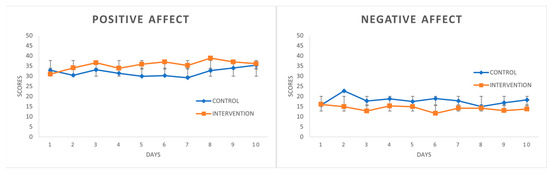
 “Conventional lung cancer treatments include surgery, chemotherapy and radiotherapy; however, these treatments are often poorly tolerated by patients. Cannabinoids have been studied for use as a primary cancer treatment. Cannabinoids, which are chemically similar to our own body’s endocannabinoids, can interact with signalling pathways to control the fate of cells, including cancer cells. We present a patient who declined conventional lung cancer treatment. Without the knowledge of her clinicians, she chose to self-administer ‘cannabidiol (CBD) oil’ orally 2-3 times daily. Serial imaging shows that her cancer reduced in size progressively from 41 mm to 10 mm over a period of 2.5 years. Previous studies have failed to agree on the usefulness of cannabinoids as a cancer treatment. This case appears to demonstrate a possible benefit of ‘CBD oil’ intake that may have resulted in the observed tumour regression. The use of cannabinoids as a potential cancer treatment justifies further research.”
 “Aims: Characterizing cannabinoid receptors (CBRs) expressed in Ewing sarcoma (EWS) cell lines as potential targets for anti-cancer drug development.
 “Cancer, as a mysterious and complex disease, has a multi-stage molecular process that uses the cellular molecular machine and multiple signaling pathways to its advantage. Cannabinoids, as terpenophenolic compounds and their derivatives, showed influences on immune system responses, inflammation, and cell growth that have sparked a growing interest in exploring their effects on cancer cell fate, as well. A large body of evidence in experimental models indicating the involvement of cannabinoids and their related receptors in cancer cell growth, development, and fate. In accordance, the present study provided insights regarding the strengths and limits of cannabinoids and their receptors in critical steps of tumorigenesis and its underlying molecular pathways such as; cancer cell proliferation, type of cell death pathway, angiogenesis, invasion, metastasis and, immune system response. Based on the results of the present study and due to the contribution of cannabinoids in various cancer cell growth control processes, these compounds cancer can be considered worthwhile in finding new alternatives for cancer therapy.”
 “Anxiety and depressive disorders are highly prevalent. Patients are increasingly using medicinal cannabis products to treat these disorders, but little is known about the effects of medicinal cannabis use on symptoms of anxiety and depression.
  “Decline in cognitive performance, an aspect of the normal aging process, is influenced by the endocannabinoid system (ECS). Cannabinoid receptor 1 (CB1) signaling diminishes with advancing age in specific brain regions that regulate learning and memory and abolishing CB1 receptor signaling accelerates cognitive aging in mice.
  “Cannabis contains a multitude of different compounds. One of them, cannabidiol – a non-psychoactive substance – might counteract negative effects of Δ-9-Tetrahydrocannabinol on hippocampus-dependent memory impairment.
  “Cannabidiol (CBD) is a non-intoxicating phytocannabinoid whose purported therapeutic benefits and impression of a high safety profile has promoted its increasing popularity.
 “The possible evolutionary trend of COVID-19 in South Africa was investigated by comparing the genome of SARS-CoV-2 isolated from a patient in KwaZulu-Natal, South Africa with those isolated from China, Spain, Italy, and United States, as well as the genomes of Bat SARS CoV, Middle East Respiratory Syndrome Coronavirus (MERS-CoV), Mouse Hepatitis Virus (MHV), and Infectious Bronchitis Virus (IBV). Phylogenetic analysis revealed a strong homology (96%) between the genomes of SARS-CoV-2 isolated from KwaZulu-Natal, South Africa and those isolated from the study countries as well as those isolated from bat SARS CoV, MERS-CoV, MHV and IBV.