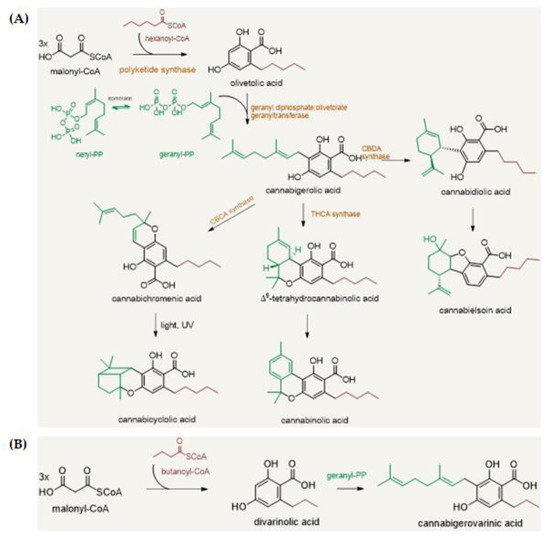
“Background: Cannabidiol (CBD), a nonpsychoactive cannabinoid with a low toxicity profile, has been shown to produce antitumor activity across cancers in part through selective production of reactive oxygen species (ROS) in tumor cells. The alkylating agent, temozolomide (TMZ), is standard of care for treatment of glioblastoma (GBM). It can trigger increased ROS to induce DNA damage. It has also been reported that downregulating the expression of RAD51, an important DNA damage repair protein, leads to sensitization of GBM to TMZ.
Methods: We determined the extent to which CBD enhanced the antitumor activity of TMZ in multiple orthotopic models of GBM. In addition, we investigated the potential for CBD to enhance the antitumor activity of TMZ through production of ROS and modulation of DNA repair pathways.
Results: CBD enhanced the activity of TMZ in U87 MG and U251 GBM cell lines and in patient-derived primary GBM163 cells leading to stimulation of ROS, activation of the ROS sensor AMP-activated protein kinase (AMPK), and upregulation of the autophagy marker LC3A. CBD produced a sensitization of U87 and GBM163-derived intracranial (i.c.) tumors to TMZ and significantly increased survival of tumor-bearing mice. However, these effects were not observed in orthotopic models derived from GBM with intact methylguanine methyltransferase (MGMT) expression. We further demonstrate that CBD inhibited RAD51 expression in MGMT-methylated models of GBM, providing a potential mechanism for tumor sensitization to TMZ by CBD.
Conclusion: These data support the potential therapeutic benefits of using CBD to enhance the antitumor activity of TMZ in GBM patients.”
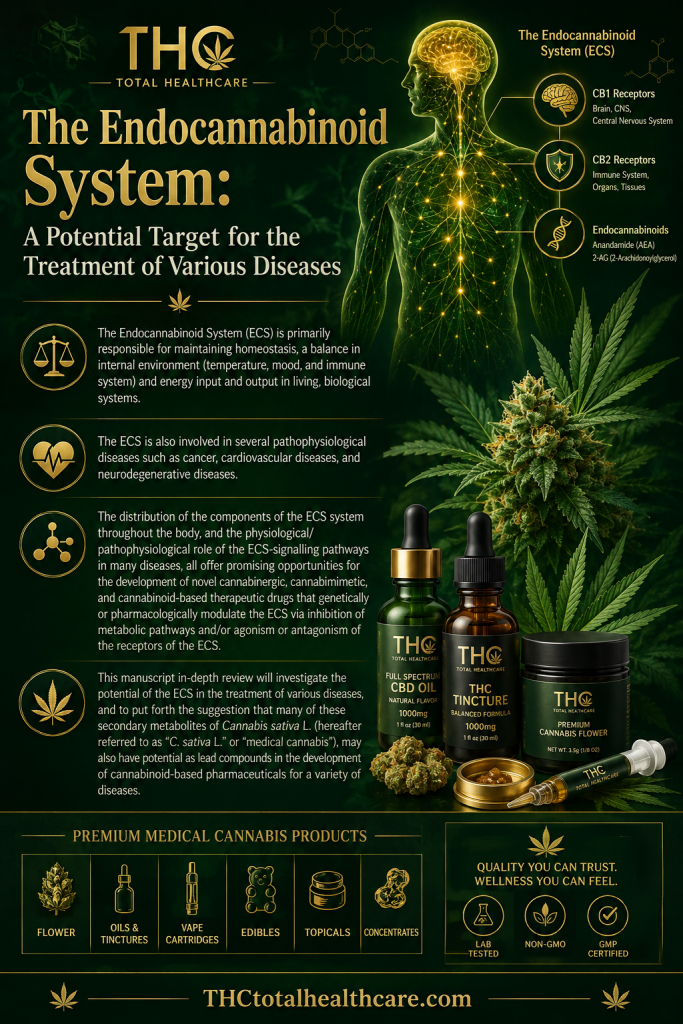
 “The Endocannabinoid System (ECS) is primarily responsible for maintaining homeostasis, a balance in internal environment (temperature, mood, and immune system) and energy input and output in living, biological systems.
 “Cannabidiol (CBD), the major non-psychoactive compound found in cannabis, is frequently used both as a nutraceutical and therapeutic.
 “Cannabis sativa