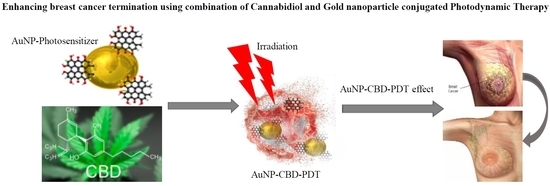
We have reported that CBDA can abrogate cyclooxygenase-2 (COX-2) expression and its enzymatic activity. It is established that aberrant expression of COX-2 correlates with the degree of malignancy in breast cancer.
Although the reduction of COX-2 expression by CBDA offers an attractive medicinal application, the molecular mechanisms underlying these effects have not fully been established.
It has been reported that COX-2 expression is positively controlled by peroxisome proliferator-activated receptor β/δ (PPARβ/δ) in some cancerous cells, although there is “no” modulatory element for PPARβ/δ on the COX-2 promoter. No previous studies have examined whether an interaction between PPARβ/δ-mediated signaling and COX-2 expression exists in MDA-MB-231 cells.
We confirmed, for the first time, that COX-2 expression is positively modulated by PPARβ/δ-mediated signaling in MDA-MB-231 cells. CBDA inhibits PPARβ/δ-mediated transcriptional activation stimulated by the PPARβ/δ-specific agonist, GW501516. Furthermore, the disappearance of cellular actin stress fibers, a hallmark of PPARβ/δ and COX-2 pathway activation, as evoked by the GW501516, was effectively reversed by CBDA. Activator protein-1 (AP-1)-driven transcriptional activity directly involved in the regulation of COX-2 was abrogated by the PPARβ/δ-specific inverse agonists (GSK0660/ST-247). Thus, it is implicated that there is positive interaction between PPARβ/δ and AP-1 in regulation of COX-2.
These data support the concept that CBDA is a functional down-regulator of COX-2 through the abrogation of PPARβ/δ-related signaling, at least in part, in MDA-MB-231 cells.”
https://www.ncbi.nlm.nih.gov/pubmed/32238697
https://www.jstage.jst.go.jp/article/jts/45/4/45_227/_article
 “Over the last decades a renewed interest in n-3 very long polyunsaturated fatty acids (PUFAs), derived mainly from fish oils in the human diet, has been observed because of their potential effects against cancer diseases, including breast carcinoma. These n-3 PUFAs mainly consist of eicosapentaenoic acid (EPA) and docosahexaenoic acid (DHA) that, alone or in combination with anticancer agents, induce cell cycle arrest, autophagy, apoptosis, and tumor growth inhibition. A large number of molecular targets of n-3 PUFAs have been identified and multiple mechanisms appear to underlie their antineoplastic activities. Evidence exists that EPA and DHA also elicit anticancer effects by the conversion to their corresponding ethanolamide derivatives in cancer cells, by binding and activation of different receptors and distinct signaling pathways. Other conjugates with serotonin or dopamine have been found to exert anti-inflammatory activities in breast tumor microenvironment, indicating the importance of these compounds as modulators of tumor epithelial/stroma interplay. The objective of this review is to provide a general overview and an update of the current n-3 PUFA derivative research and to highlight intriguing aspects of the potential therapeutic benefits of these low-toxicity compounds in breast cancer treatment and care.”

 “Breast cancer (BC) is the most common cancer in women worldwide. Approximately 70-80% of BCs express estrogen receptors (ER), which predict the response to endocrine therapy (ET), and are therefore hormone receptor-positive (HR+).
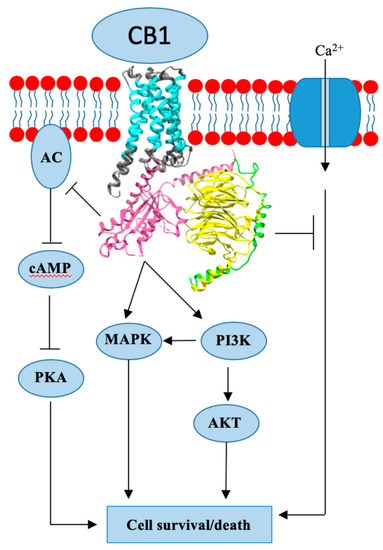
 “Metastatic breast cancer is prevalent worldwide, and one of the most common sites of metastasis are long bones. Of patients with disease, the major symptom is pain, yet current medications fail to adequately result in analgesic efficacy and present major undesirable adverse effects.
 “Cannabidiol (CBD) has emerged as a potential agent for breast cancer management.

 “The anticancer effects of the omega-3 long chain polyunsaturated fatty acids (LCPUFA), EPA and DHA may be due, at least in part, to conversion to their respective endocannabinoid derivatives, eicosapentaenoyl-ethanolamine (EPEA) and docosahexaenoyl-ethanolamine (DHEA).
 “Cannabinoids exhibit anti-inflammatory and antitumorigenic properties.
 “Indisputably, cancer is a global crisis that requires immediate intervention. Despite the use of conventional treatments over the past decades, it is acceptable to admit that these are expensive, invasive, associated with many side effects and, therefore, a reduced quality of life.