“Three out of four doctors would prescribe marijuana to a patient who was experiencing pain from cancer, according to the results of a poll published in the New England Journal of Medicine.”

“Three out of four doctors would prescribe marijuana to a patient who was experiencing pain from cancer, according to the results of a poll published in the New England Journal of Medicine.”
“The point of the vignette was to illustrate the kinds of patients that show up on our doorstep who need help. This issue is not one you can ignore, and some states have already taken matters into their own hands,” said Dr. J. Michael Bostwick, a professor of psychiatry at the Mayo Clinic in Rochester, Minn.
“There are no 100 percents in medicine. There’s a lot of anecdotal evidence that this is something we should study more. Forgive the pun, but there’s probably some fire where there’s smoke, and we should investigate the medicinal use of marijuana or its components,” Bostwick said.
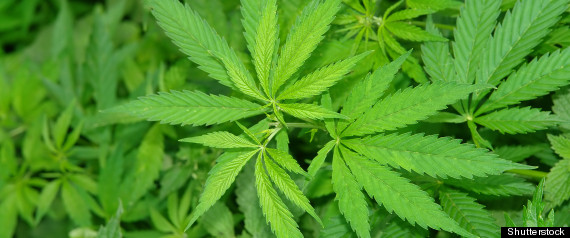
Marijuana comes from the hemp plant Cannabis sativa. It’s a dry, shredded mix of the plant’s leaves, flowers, stems and seeds. It can be smoked as a cigarette or in a pipe, or it can be added to certain foods, such as brownies.”
“Majority would give a prescription to an advanced cancer patient in pain.”

“(HealthDay)—Three-quarters of doctors who responded to a survey about medical marijuana said they would approve the use of the drug to help ease pain in an older woman with advanced breast cancer.
In a February issue of the New England Journal of Medicine, doctors were presented with a case vignette, as well as arguments both for and against the use of medical marijuana. Doctors were then asked to decide whether or not they would approve such a prescription for this patient.
The results now appear in the May 30 edition of the journal.
Seventy-six percent of the 1,446 doctors who responded said they would give the woman a prescription for medical marijuana. Many cited the possibility of alleviating the woman’s symptoms as a reason for approving the prescription.”
More: http://medicalxpress.com/news/2013-05-docs-medical-marijuana-survey.html

“(CNN) — My friends have always told me that rock stardom was wasted on me.
To them it seemed that being a rock star was a free ticket to debauchery. It was sex, drugs and rock ‘n’ roll, and I was only taking advantage of two. Drugs were not a part of my rock ‘n’ roll lifestyle. I wasn’t even much of a drinker. I have never thrown up from being over intoxicated.
What kind of rock star is that? I had certainly encountered drugs during the ’80s, mostly cocaine, but nothing about grinding my teeth and rambling on about myself appealed to me. During the ’90s, I smoked an occasional joint. Those were usually fun social occasions. My work was a drug-free zone.
Then in 2004, I was diagnosed with breast cancer. The chemotherapy that was prescribed was called “dose dense”: a harsher, stronger chemo than the usual because I had the benefit of not having to work during the treatment. My close friends told me that, as an alternative, medical marijuana was a natural way to help with the excruciating side effects of chemo.
It worked. The entire experience changed my life. It opened my mind to a new way of thinking about my body, my health and the future.
This herb, this weed that is so strong it grows wild by the side of the road, has always been with us. In ancient times it was highly regarded and has even been found in tombs. It has even been put forth from some biblical scholars that Jesus may have used cannabis oil to heal.”


“My friends have always told me that rock stardom was wasted on me.
To them it seemed that being a rock star was a free ticket to debauchery. It was sex, drugs and rock ‘n’ roll, and I was only taking advantage of two. Drugs were not a part of my rock ‘n’ roll lifestyle. I wasn’t even much of a drinker. I have never thrown up from being over intoxicated.
What kind of rock star is that? I had certainly encountered drugs during the ’80s, mostly cocaine, but nothing about grinding my teeth and rambling on about myself appealed to me. During the ’90s, I smoked an occasional joint. Those were usually fun social occasions. My work was a drug-free zone.
Then in 2004, I was diagnosed with breast cancer. The chemotherapy that was prescribed was called “dose dense”: a harsher, stronger chemo than the usual because I had the benefit of not having to work during the treatment. My close friends told me that, as an alternative, medical marijuana was a natural way to help with the excruciating side effects of chemo.
It worked. The entire experience changed my life. It opened my mind to a new way of thinking about my body, my health and the future.
This herb, this weed that is so strong it grows wild by the side of the road, has always been with us. In ancient times it was highly regarded and has even been found in tombs. It has even been put forth from some biblical scholars that Jesus may have used cannabis oil to heal.
Now, this herb, marijuana, is at center of a debate within our society….
3-24-2011: “Scientific trials have for decades documented the anti-cancer properties of cannabis and its constituents. Yet it took until this week for the website of the National Institute of Cancer, a component of the U.S. government’s National Institutes of Health, to finally acknowledged the herb’s therapeutic utility for patients living with disease or suffering from the adverse side-effects of cancer treatment.
In a newly added section to the website, entitled ‘Cannabis and Cannabinoids,’ the Institute states:
Cannabinoids may cause antitumor effects by various mechanisms, including induction of cell death, inhibition of cell growth, and inhibition of tumor angiogenesis and metastasis. Cannabinoids appear to kill tumor cells but do not affect their nontransformed counterparts and may even protect them from cell death.”
…The potential benefits of medicinal cannabis for people living with cancer include antiemetic effects, appetite stimulation, pain relief, and improved sleep. In the practice of integrative oncology, the health care provider may recommend medicinal cannabis not only for symptom management but also for its possible direct antitumor effect.”
It’s a stunning acknowledgment, given that the NIH is a branch of the very same government that presently maintains that the cannabis plant and all of its naturally-derived components have ‘no accepted medical use.’ Yet it also begs the question: Where has the National Institute of Cancer been all these years?
After all, the anti-tumor activity of cannabinoids were initially documented in 1975! That’s right; it’s taken 36 years for the Institute to get with the program.
Hopefully it won’t take them another 36 years to demand that the Feds finally assess whether these preclinical results are replicable in human trials.”
by Paul Armentano, NORML Deputy Director

“The development of oral cancer is not a result of smoking cannabis per se; rather, it is hypothesized to be a result of contracting hpv through various forms of sharing and passing joints and other smoking apparatuses. Therefore, it is hypothesized that bogarting (and not passing) joints might decrease oral hpv among cannabis smokers.
It certainly may not be the cannabis smoke that causes oral cancers in heavy cannabis users. Most people who have ever smoked cannabis have most likely done so by sharing a rolled cigarette or pipe in a group setting. The sharing and passing of these smoking devices from an oral hpv-infected individual to an uninfected individual could easily provide a route of transmission for the virus between users. Frequency and setting should therefore be considered two major factors that might contribute to the likelihood of acquiring oral hpv.
Thus, the relationship between cannabis and various cancer types might not be from cannabis use itself, but rather from contracting high-risk types of oral hpv that lead to cancer in later life.”

“Oral cancer represents 3% of all cancers and its overall survival rate of 50% places it among the worst of all cancers
For many years cannabinoids have been used for medicinal and recreational purposes.
Recently, studies have focused on the therapeutic effects of cannabinoids on different cancers. The current study was the first to investigate the therapeutic effects of synthetic cannabinoids on oral cancer.
We investigated the effects of cannabinoid receptor agonists on (1) oral cancer cell viability in vitro and (2) oral cancer pain and tumor growth in a mouse cancer model.
Here we demonstrate the anti-nociceptive and anti-proliferative effects of systemic administration of cannabinoid receptor agonists on human oral cancer cells.
Our results suggest that systemic administration of cannabinoids decease oral cancer pain.
Our findings suggest a direct role for cannabinoid mechanisms in oral cancer pain and proliferation.
The systemic administration of cannabinoid receptor agonists may have important therapeutic implications wherein cannabinoid receptor agonists may reduce morbidity and mortality of oral cancer.
The present findings suggest that cannabinoid treatment may be a promising alternative therapy for oral cancer pain management. Furthermore, CBr2 agonism is not only palliative, but it may also be effective in inhibiting oral cancer growth, making the agonist a particularly desirable therapeutic agent.”
Full Text: http://www.ncbi.nlm.nih.gov/pmc/articles/PMC3099480/
“For the first time, a study has found that cannabis use may be associated with a decreased risk of bladder cancer, researchers reported at the American Urological Association 2013 annual meeting.
In a study of nearly 82,000 men, bladder cancer developed in 279 over an 11-year period. Subjects who smoked marijuana, but not tobacco, had a significant 45% decreased risk of bladder cancer compared with those who did not, after adjusting for age, body mass index, and race and ethnicity, according to lead investigator Anil A. Thomas, MD, a researcher with Southern California Permanent Medical Group in Los Angeles. Men who smoked tobacco, but not marijuana, had a significant 52% increased risk, a finding that is consistent with numerous previous studies. Men who smoked both had a 28% increased risk.
Of the 82,000 men, 41% reported ever using marijuana and 57% reported tobacco use; 27% reported used both tobacco and marijuana.”
http://www.renalandurologynews.com/bladder-cancer-risk-lower-in-pot-smokers/article/292174/#