
 “Glioma-related epilepsy significantly impact on patients’ quality of life, and can often be difficult to treat. Seizures cause significant morbidity for example neurocognitive deterioration, which may result from seizures themselves or due to adverse effects from antiepileptic drugs. Management of tumour with surgery, radiotherapy and chemotherapy may contribute to seizure control, but tumour related epilepsy is often refractory despite adequate treatment with standard anti-epileptic medications. Given the increasing interest in medicinal cannabis (or cannabidiol or CBD) as an anti-epileptic drug, CBD may help with seizure control in glioma patients with treatment-refractory seizures. Here we present a case of a young lady with recurrent glioma who had refractory seizures despite multiple anti-epileptic agents, who had significant benefit with CBD.”
https://www.ncbi.nlm.nih.gov/pubmed/31848037
“CBD could potentially be a management option in treatment-refractory epilepsy in glioma patients.”
https://www.jocn-journal.com/article/S0967-5868(19)31306-2/fulltext
 “Pain is a common and complex symptom of cancer having physical, social, spiritual and psychological aspects. Approximately 70%-80% of cancer patients experiences pain, as reported in India.
 “Despite improvements in medical care, patients with advanced cancer still experience substantial symptom distress. There is increasing interest in the use of medicinal
  “Cannabidiol (CBD) has emerged as a potential agent for breast cancer management.
 “There is considerable interest in the use of cannabinoids for symptom control in palliative care, but there is little high-quality evidence to guide clinical practice.
 “A 64 year old male heating engineer was investigated for a persistent cough and found to have epithelioid mesothelioma with pleural effusion, lung nodules and increased thoracic lymph nodes. He declined standard of care treatment following his own research and he was enrolled in a named patient programme of IMM-101. He was advised to correct his low vitamin D3 level and to start using anti-inflammatories such as aspirin, bromelain and low dose Naltrexone. At review one year later a CT scan showed no change and he continued on the regimen. Four years after the diagnosis a CT scan showed that there was a modest but definite progression of the left malignant pleural thickening, and a new right-sided effusion, enlargement of several intrathoracic nodes which had been noted on the early scans. The chest wall lump eventually broke down and required local radiotherapy. He then developed abdominal pain and found to have peritoneal disease. Last year he obtained the
  “Transcutaneous electrical nerve stimulation (TENS) promotes antinociception by activating the descending pain modulation pathway and consequently releasing endogenous analgesic substances.
 “The purpose of this study is to gain a greater understanding of cancer survivors’ attitudes, perspectives, and concerns about medical cannabinoids (MCs) for cancer symptom and side effect management.
 “Cannabis sativa L. is a plant long used for its textile fibers, seed oil, and oleoresin with medicinal and psychoactive properties. It is the main source of phytocannabinoids, with over 100 compounds detected so far. In recent years, a lot of attention has been given to the main phytochemicals present in Cannabis sativa L., namely,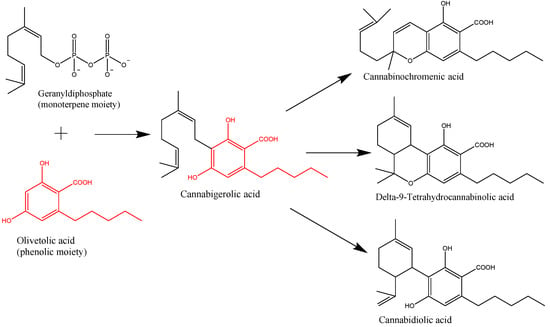
 “The monocyclic 1,4-benzoquinone, HU-331, the direct oxidation product of