
“The SARS-Cov-2 virus caused a high morbidity and mortality rate disease, that is the COVID-19 pandemic. Despite the unprecedented research interest in this field, the lack of specific treatments leads to severe complications in a high number of cases.
Current treatment includes antivirals, corticosteroids, immunoglobulins, antimalarials, interleukin-6 inhibitors, anti-GM-CSF, convalescent plasma, immunotherapy, antibiotics, circulation support, oxygen therapy, and circulation support. Due to the limited results, until specific treatments are available, other therapeutic approaches need to be considered.
The endocannabinoid system is found in multiple systems within the human body, including the immune system. Its activation can lead to beneficial results such as decreased viral entry, decreased viral replication, and a decrease in pro-inflammatory cytokines such as IL-2, IL-4, IL-6, IL-12, TNF-α, or IFN-γ. Moreover, endocannabinoid system activation can lead to an increase in anti-inflammatory cytokines, mainly represented by IL-10.
Overall, the cannabinoid system can potentially reduce pulmonary inflammation, increase the immunomodulatory effect, decrease PMN infiltration, reduce fibrosis, and decrease viral replication, as well as decrease the ‘cytokine storm’. Although the cannabinoid system has many mechanisms to provide certain benefits in the treatment of SARS-CoV-2 infected patients, research in this field is needed for a better understanding of the cannabinoid impact in this situation.”
“Concerning the SARS-CoV-2 infection, the cannabinoid effects on the immune system have the potential to limit the abnormal function of the immune system and therefore decrease the overall mortality.”
https://www.tandfonline.com/doi/full/10.1080/03602532.2021.1895204
 “The use of cannabis for skin diseases and hair regrowth is at the preliminary stage.
 “Nowadays cardiovascular diseases (CVDs) are the major causes for the reduction of the quality of life.
 “In humans, various sites like cannabinoid receptors (CBR) having a binding affinity with cannabinoids are distributed on the surface of different cell types, where endocannabinoids (ECs) and derivatives of fatty acid can bind. The binding of these substance(s) triggers the activation of specific receptors required for various physiological functions, including pain sensation, memory, and appetite.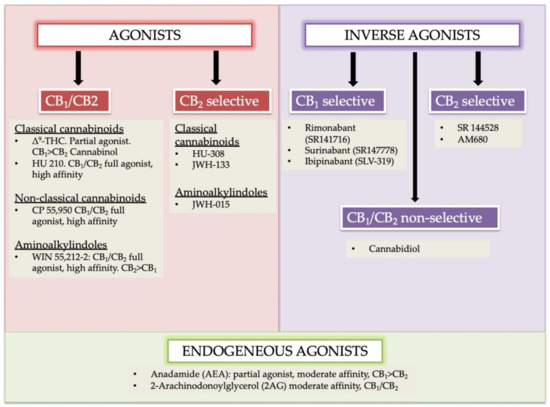
 “Chronic inflammation is considered to be a silent killer because it is the underlying cause of a wide range of clinical disorders, from cardiovascular to neurological diseases, and from cancer to obesity. In addition, there are over 80 different types of debilitating autoimmune diseases for which there are no cure. Currently, the drugs that are available to suppress chronic inflammation are either ineffective or overtly suppress the inflammation, thereby causing increased susceptibility to infections and cancer. Thus, the development of a new class of drugs that can suppress chronic inflammation is imperative.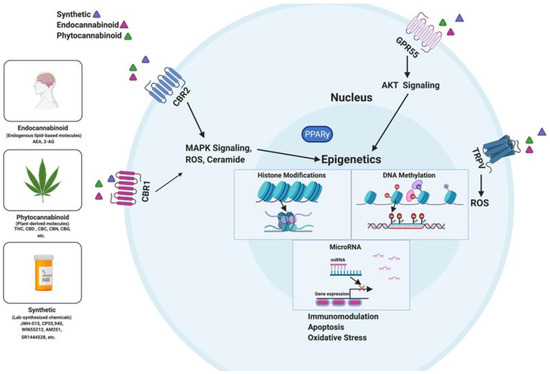
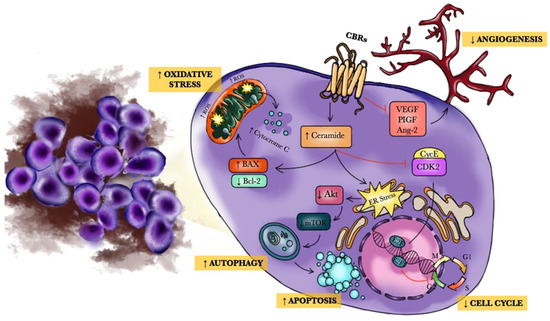
 “Human immunodeficiency virus (HIV) infection and antiretroviral therapy can independently induce HIV-associated neuropathic pain (HIV-NP).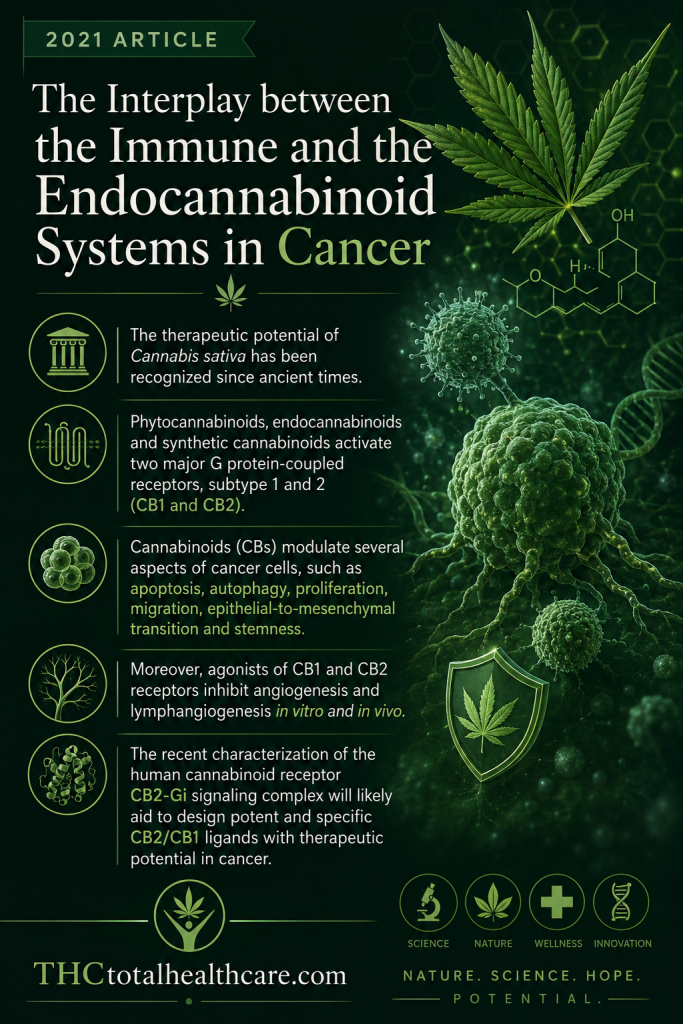
 “The therapeutic potential of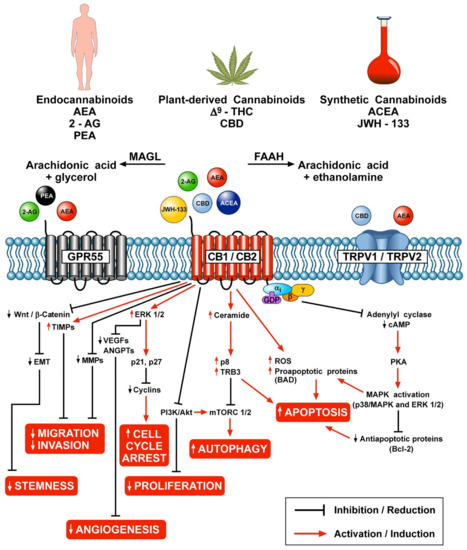
 “Venous Leg Ulcers are highly prevalent lower limb integumentary wounds that remain challenging to heal despite the use of evidence-based compression therapies. A multitude of adjuvant treatments have been studied but none have demonstrated enough efficacy to gain adoption into treatment guidelines.
  “Cannabinoids such as ▵-9-THC and CBD can downregulate the immune response by modulating the endocannabinoid system. This modulation is relevant for the treatment of prevalent autoimmune diseases (ADs), such as multiple sclerosis (MS), systemic lupus erythematosus (SLE), diabetes mellitus type 1 (DMT1), and rheumatoid arthritis (RA). These conditions require new therapeutic options with fewer side effects for the control of the autoimmune response. Objective: to conduct a literature review of preclinical scientific evidence that supports further clinical investigations for the use of cannabinoids (natural or synthetic) as potential immunomodulators of the immune response in ADs.