“The phosphatidylinositol 3-kinase (PI3K)/protein kinase B (PKB/Akt)/mechanistic target of rapamycin (mTOR) signaling pathway has been associated with several pathologies in the central nervous system (CNS), including epilepsy. There is evidence supporting the hypothesis that the PI3Kγ signaling pathway may mediate the powerful anticonvulsant properties associated with the cannabinoidergic system.
This work aims to investigate if the anticonvulsant and neuroprotective effects of cannabidiol (CBD) are mediated by PI3Kγ.
CDB increased latency and reduced the severity of pilocarpine-induced behavioral seizures, as well as prevented postictal changes, such as neurodegeneration, microgliosis and astrocytosis, in WT animals, but not in PI3Kγ-/-. CBD in vivo effects were abolished by pharmacological inhibition of cannabinoid receptor or mTOR. In vitro, PI3Kγ inhibition or deficiency also changed CBD protection observed in glutamate-induced cell death assay. Thus, we suggest that the modulation of PI3K/mTOR signaling pathway is involved in the anticonvulsant and neuroprotective effects of CBD.
These findings are important not only for the elucidation of the mechanisms of action of CBD, which are currently poorly understood, but also to allow the prediction of therapeutic and side effects, ensuring efficacy and safety in the treatment of patients with epilepsy.”
https://pubmed.ncbi.nlm.nih.gov/32574650/
“CBD is anticonvulsant in a model of pilocarpine-induced behavioral seizures. CB1 receptor mediates the effects of CBD. PI3Kγ pathway mediates the anticonvulsant neuroprotective effects of CBD.”
https://www.sciencedirect.com/science/article/abs/pii/S0028390820302240?via%3Dihub
 “The worldwide prevalence of neurological and neurodegenerative disorders, such as depression or Alzheimer’s disease, has spread extensively throughout the last decades, becoming an enormous health issue.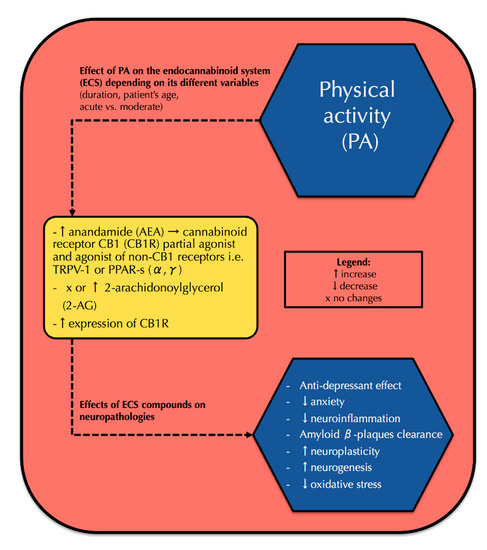
 “Irritable bowel syndrome (IBS) is a frequent cause of abdominal pain and altered bowel habits, which is associated with significant healthcare utilization.
 “Growing evidence recognises cannabinoid receptors as potential therapeutic targets for pain. Consequently, there is increasing interest in developing cannabinoid receptor agonists for treating pain.
 “Obesity rates are increasing worldwide and there is a need for novel therapeutic treatment options.
 “Δ9‐THCA‐A, the precursor of Δ9‐THC, is a non‐psychotropic phytocannabinoid that shows PPARγ agonistic activity. Herein, we investigated Δ9‐THCA ability to modulate classic cannabinoid receptors (CB1 and CB2) and evaluated its anti‐arthritis activity.