 “Background/objectives: Use of cannabis is increasing in a variety of populations in the United States; however, few investigations about how and for what reasons cannabis is used in older populations exist.
Design: Anonymous survey.
Setting: Geriatrics clinic.
Participants: A total of 568 adults 65 years and older.
Intervention: Not applicable.
Measurements: Survey assessing characteristics of cannabis use.
Results: Approximately 15% (N = 83) of survey responders reported using cannabis within the past 3 years. Half (53%) reported using cannabis regularly on a daily or weekly basis, and reported using cannabidiol-only products (46%).
The majority (78%) used cannabis for medical purposes only, with the most common targeted conditions/symptoms being pain/arthritis (73%), sleep disturbance (29%), anxiety (24%), and depression (17%). Just over three-quarters reported cannabis “somewhat” or “extremely” helpful in managing one of these conditions, with few adverse effects.
Just over half obtained cannabis via a dispensary, and lotions (35%), tinctures (35%), and smoking (30%) were the most common administration forms. Most indicated family members (94%) knew about their cannabis use, about half reported their friends knew, and 41% reported their healthcare provider knowing. Sixty-one percent used cannabis for the first time as older adults (aged ≥61 years), and these users overall engaged in less risky use patterns (e.g., more likely to use for medical purposes, less likely to consume via smoking).
Conclusion: Most older adults in the sample initiated cannabis use after the age of 60 years and used it primarily for medical purposes to treat pain, sleep disturbance, anxiety, and/or depression. Cannabis use by older adults is likely to increase due to medical need, favorable legalization, and attitudes.”
https://pubmed.ncbi.nlm.nih.gov/33026117/
https://onlinelibrary.wiley.com/doi/10.1111/jgs.16833
“Study Finds Older Adults Using Cannabis to Treat Common Health Conditions” https://health.ucsd.edu/news/releases/Pages/2020-10-07-study-finds-older-adults-using-cannabis-to-treat-common-health-conditions.aspx

 “The rapid spread of COVID-19 underscores the need for new treatments.
 “Background: The ongoing opioid overdose crisis is driven largely by exposure to illicitly-manufactured fentanyl. Preliminary observational and experimental research suggests that cannabis could potentially play a role in reducing use of prescription opioids among individuals with chronic pain. However, there is limited data on the effects of cannabis on illicit opioid consumption, particularly fentanyl, especially among individuals on opioid agonist therapy (OAT). We sought to assess the longitudinal association between cannabis use and exposure to fentanyl among people on OAT.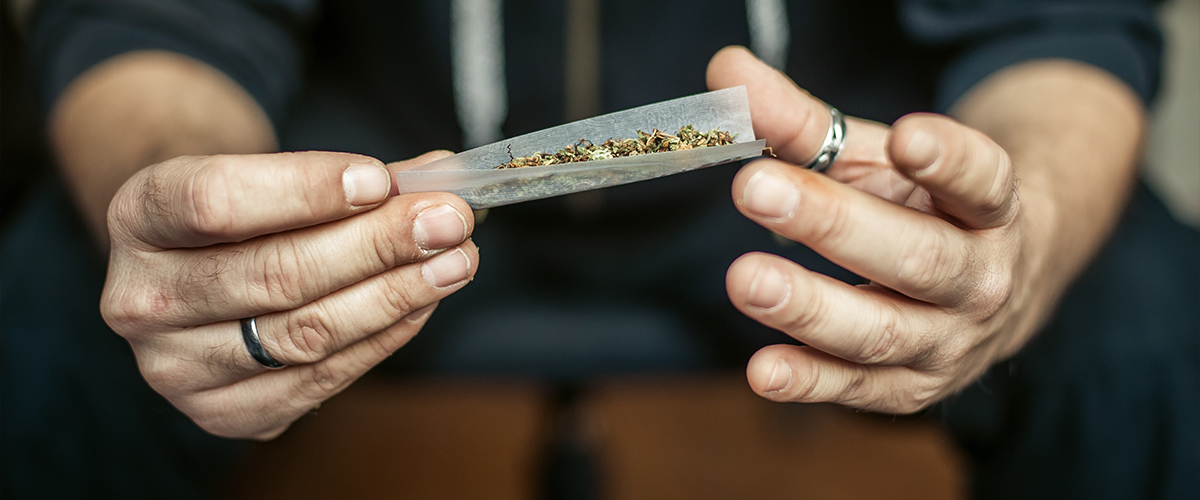


 “Cannabis exposure is becoming more common in older age but little is known about how it is associated with brain health in this population.

 “Recent years have seen an increase in the adoption of cannabinoid medicines, which have demonstrated effectiveness for the treatment of chronic pain.
 “Precise cannabis treatment dosing remains a major challenge, leading to physicians’ reluctance to prescribe medical cannabis.
 “Despite widespread legalization, the impact of medicinal cannabis use on patient-level health and quality of life (QOL) has not been carefully evaluated.
 “Few models exist that can control for placebo and expectancy effects commonly observed in clinical trials measuring ‘