“Epilepsy is a neurological disorder that affects approximately 50 million people worldwide.
There is currently no definitive epilepsy cure. However, in recent years, medicinal cannabis has been successfully trialed as an effective treatment for managing epileptic symptoms, but whose mechanisms of action are largely unknown.
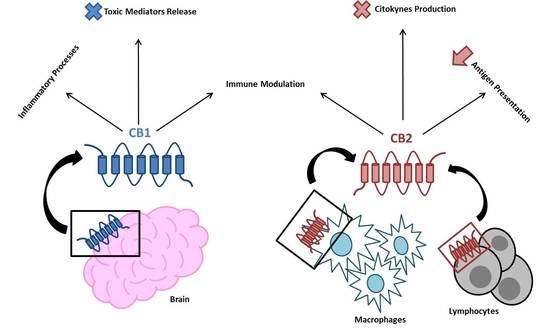
Lately, there has been a focus on neuroinflammation as an important factor in the pathology of many epileptic disorders. In this literature review, we consider the links that have been identified between epilepsy, neuroinflammation, the endocannabinoid system (ECS), and how cannabinoids may be potent alternatives to more conventional pharmacological therapies.
We review the research that demonstrates how the ECS can contribute to neuroinflammation, and could therefore be modulated by cannabinoids to potentially reduce the incidence and severity of seizures. In particular, the cannabinoid cannabidiol has been reported to have anti-convulsant and anti-inflammatory properties, and it shows promise for epilepsy treatment.
There are a multitude of signaling pathways that involve endocannabinoids, eicosanoids, and associated receptors by which cannabinoids could potentially exert their therapeutic effects. Further research is needed to better characterize these pathways, and consequently improve the application and regulation of medicinal cannabis.”
 “High mobility group box 1 (HMGB1) is a late phase inflammatory mediator in many inflammatory diseases. Extracellular HMGB1 could bind to many membrane receptors to activate downstream signaling molecules and promote inflammation resulting in cell and tissue damage.
 “Aging and HIV have adverse effects on the central nervous system, including increased inflammation and neural injury and confer risk of neurocognitive impairment (NCI).
 “The endocannabinoid system (ECS) has emerged in recent years as a potential treatment target for alcohol use disorders (AUD).
 “This study attempted to provide the effects and mechanisms of two cannabinoids, O-1602 and
 “A 64 year old male heating engineer was investigated for a persistent cough and found to have epithelioid mesothelioma with pleural effusion, lung nodules and increased thoracic lymph nodes. He declined standard of care treatment following his own research and he was enrolled in a named patient programme of IMM-101. He was advised to correct his low vitamin D3 level and to start using anti-inflammatories such as aspirin, bromelain and low dose Naltrexone. At review one year later a CT scan showed no change and he continued on the regimen. Four years after the diagnosis a CT scan showed that there was a modest but definite progression of the left malignant pleural thickening, and a new right-sided effusion, enlargement of several intrathoracic nodes which had been noted on the early scans. The chest wall lump eventually broke down and required local radiotherapy. He then developed abdominal pain and found to have peritoneal disease. Last year he obtained the
 “Endometriosis affects a large proportion of women during their reproductive years and is associated with pain and infertility, also affecting psychological wellbeing and quality of life. The pathogenesis of the disease remains unclear, although it is believed to be multifactorial.
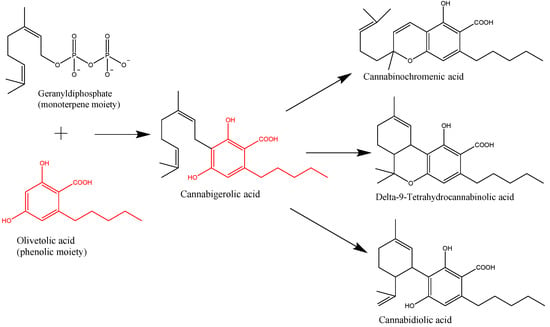
 “Endocannabinoid system consists of