
 “Parkinson’s disease (PD) is a neurodegenerative disorder classically associated with motor symptoms, but several nonmotor disturbances appear decades before the clinical diagnosis of the disease.
A variety of hypotheses exist to explain the onset of PD, and neuroinflammation is one of the most investigated processes. In fact, strong evidence suggests that PD begins with an inflammatory process; currently, however, no anti-inflammatory therapy is clinically employed to alleviate the typical motor and the prodromal disturbances such as olfactory loss, cognitive impairments, depression and anxiety, sleep disturbances, and autonomic disorders.
In fact, the classical dopaminergic therapies are not effective in alleviating these symptoms and there is no other specific therapy for these outcomes. Therefore, in this review, we will discuss novel potential pharmacological therapeutic strategies focusing on cannabinoids, caffeine, melatonin, and dietary compounds, which could act as adjuvants to regular PD therapy.
These described chemicals have been extensively investigated as anti-inflammatory agents possibly promoting beneficial effects on nonmotor symptoms of PD. The investigation of the inflammatory process at different stages of PD progression should give us a better view of the therapeutic scenario and could improve our understanding of the mechanisms of this disease.”
https://www.ncbi.nlm.nih.gov/pubmed/31703030
https://insights.ovid.com/crossref?an=00008877-201912000-00008
 “L-dopa induced dyskinesia (LID) is a debilitating side-effect of the primary treatment used in Parkinson’s disease (PD), l-dopa. Here we investigate the effect of HU-308, a
 “Cannabidiol (CBD) has been shown by our laboratory to attenuate experimental autoimmune encephalomyelitis (EAE), an animal model of multiple sclerosis (MS).
 “Hypercholesterolemia (HC) is a major risk factor for cardiovascular (CV) diseases, that are the major cause of mortality worldwide.

 “Hepatic fibrosis is the consequence of an unresolved wound healing process in response to chronic liver injury and involves multiple cell types and molecular mechanisms. The hepatic endocannabinoid and apelin systems are two signalling pathways with a substantial role in the liver fibrosis pathophysiology-both are upregulated in patients with advanced liver disease. Endogenous
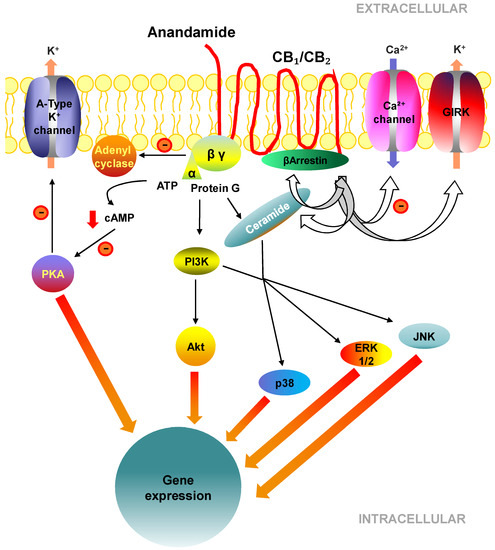

 “Medical
 “We used mouse microglial cells in culture activated by lipopolysaccharide (LPS, 10 ng/ml) to study the anti-inflammatory potential of
 “Parkinson’s disease (PD) and L-DOPA-induced dyskinesia (LID) are motor disorders with significant impact on the patient’s quality of life. Unfortunately, pharmacological treatments that improve these disorders without causing severe side effects are not yet available. Delay in initiating L-DOPA is no longer recommended as LID development is a function of disease duration rather than cumulative L-DOPA exposure.
 “The high frequency and painful profile of inflammatory oral lesions and the lack of an effective drug protocol for their management stimulate the search for pharmacological alternatives for the treatment of these conditions.