“Objectives: We investigated whether cannabis usage was associated with reduced opioid usage, and the rates of opioid and cannabis use disorders among chronic pain patients who had been prescribed medical cannabis.
Results: Of the 100 participants aged 18-70 years (compliance 67% (aged >40) and 33% (aged ≤ 40y)), 76 ever used opioids. Of them, 93% decreased or stopped opioids following cannabis initiation. Ten patients (10%), 17.4% of the ≤40 y age group, met the criteria for cannabis use disorder. Compared to those who did not meet the criteria, their lifetime depression was higher (80% vs. 43.2%, respectively, P=.042), and they were less educated (12.2 ± 0.6y vs. 13.5 ± 2.1y, p = 0.05).
Conclusions: Cannabis usage was associated with reduced opioid usage. The prevalence of cannabis use disorder was high among the younger participants who also had a lower study compliance rate, suggesting the higher actual prevalence of cannabis use disorder. While medical cannabis may help reduce opioid use in chronic non-cancer pain patients, younger age, depression, and other risk factors should be carefully evaluated before cannabis is prescribed.”
“Cannabis usage was associated with reduced opioid usage.”
https://www.tandfonline.com/doi/abs/10.1080/10550887.2021.1956673?journalCode=wjad20
 “Background:
 “Extracellular Vesicles (EVs) were isolated from human umbilical cord mesenchymal stem cells (hUCMSCs) and were further encapsulated with cannabidiol (CBD) through sonication method (CBD EVs). CBD EVs displayed an average particle size of 114.1±1.02 nm, zeta potential of -30.26±0.12 mV, entrapment efficiency of 92.3±2.21% and stability for several months at 4 °C. CBD release from the EVs was observed as 50.74±2.44% and 53.99±1.4% at pH 6.8 and pH 7.4, respectively after 48 h. Ourin-vitrostudies demonstrated that CBD either alone or in EVs form significantly sensitized MDA-MB-231 cells to doxorubicin (DOX) (*P<0.05). Flow cytometry and migration studies revealed that CBD EVs either alone or in combination with DOX induced G1 phase cell cycle arrest and decreased migration of MDA-MB-231 cells, respectively. CBD EVs and DOX combination significantly reduced tumor burden (***P<0.001) in MDA-MB-231 xenograft tumor model. Western blotting and immunocytochemical analysis demonstrated that CBD EVs and DOX combination decreased the expression of proteins involved in inflammation, metastasis and increased the expression of proteins involved in apoptosis. CBD EVs and DOX combination will have profound clinical significance in not only decreasing the side effects but also increasing the therapeutic efficacy of DOX in TNBC.”
 “Ehlers-Danlos Syndromes (EDS) and related Hypermobility Spectrum Disorders (HSD) are debilitating connective tissue disorders that feature a prominent pain component for which there are limited therapeutic options for pain management.
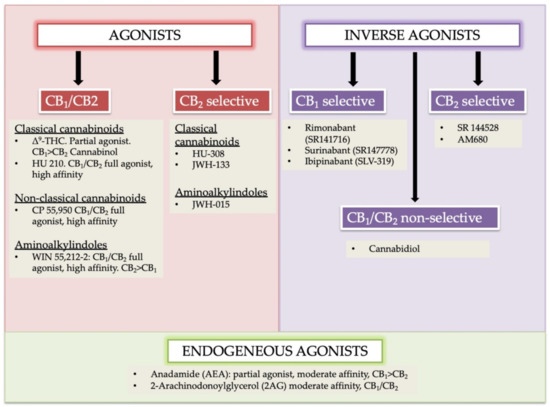
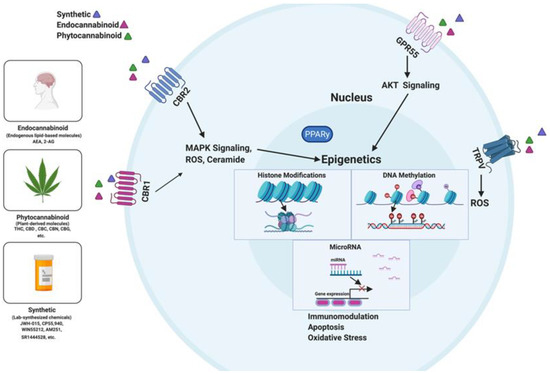
 “In humans, various sites like cannabinoid receptors (CBR) having a binding affinity with cannabinoids are distributed on the surface of different cell types, where endocannabinoids (ECs) and derivatives of fatty acid can bind. The binding of these substance(s) triggers the activation of specific receptors required for various physiological functions, including pain sensation, memory, and appetite.
 “Chronic inflammation is considered to be a silent killer because it is the underlying cause of a wide range of clinical disorders, from cardiovascular to neurological diseases, and from cancer to obesity. In addition, there are over 80 different types of debilitating autoimmune diseases for which there are no cure. Currently, the drugs that are available to suppress chronic inflammation are either ineffective or overtly suppress the inflammation, thereby causing increased susceptibility to infections and cancer. Thus, the development of a new class of drugs that can suppress chronic inflammation is imperative.
 “Human immunodeficiency virus (HIV) infection and antiretroviral therapy can independently induce HIV-associated neuropathic pain (HIV-NP).
 “Recent cannabis exposure has been associated with lower rates of neurocognitive impairment in people with HIV (PWH). Cannabis’s anti-inflammatory properties may underlie this relationship by reducing chronic neuroinflammation in PWH.