
 “Industrial hemp is characterized by a huge amount of by-products, such as inflorescences, that may represent high-quality sources of biomolecules with pharmaceutical interest.
In the present study, we have evaluated the phytochemical profile, including terpene and terpenophenolic compounds, of the essential oils (EOs) of Futura 75, Carmagnola selezionata and Eletta campana hemp varieties.
The EOs were also tested for antifungal properties toward Trichophyton mentagrophytes, Trichophyton rubrum, Arthroderma crocatum, Arthroderma quadrifidum, Arthroderma gypseum, Arthroderma curreyi, and Arthroderma insingulare. In parallel, we investigated the inhibitory effects of the EOs against tyrosinase, and the production of prostaglandin E2 in isolated mouse skin exposed to hydrogen peroxide.
In human H1299 lung adenocarcinoma cells, we also evaluated the influence of the EOs on the gene expression of angiotensin-converting enzyme 2 (ACE2) and transmembrane protease serine 2 (TMPRSS2), which are involved in SARS-CoV-2 entry in human host. E-caryophyllene and α-pinene were the prominent terpenes in the EOs, whereas the cannabidiolic acid was the terpenophenol present at higher concentration.
The EOs inhibited the growth of all tested dermatophytes species. In isolated skin specimens, EOs prevented the hydrogen-peroxide-induced synthesis of prostaglandin E2, consistent with the intrinsic antityrosinase activity. Finally, in H1299 cells, all tested EOs reduced the gene expression of ACE-2 and TMPRSS2, as well.
Therefore, the present findings highlight the rationale for the use of the present EOs against infectious diseases.”
 “The main aspects of severe COVID-19 disease pathogenesis include hyper-induction of proinflammatory cytokines, also known as ‘cytokine storm’, that precedes acute respiratory distress syndrome (ARDS) and often leads to death. COVID-19 patients often suffer from lung fibrosis, a serious and untreatable condition. There remains no effective treatment for these complications.
 “Inflammasomes are cytoplasmic inflammatory signaling protein complexes that detect microbial materials, sterile inflammatory insults, and certain host-derived elements. Inflammasomes, once activated, promote caspase-1-mediated maturation and secretion of pro-inflammatory cytokines, interleukin (IL)-1β and IL-18, leading to pyroptosis. Current advances in inflammasome research support their involvement in the development of chronic inflammatory disorders in contrast to their role in regulating innate immunity.
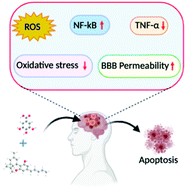
 “Cannabidiol (CBD) has been shown to slow cancer cell growth and is toxic to human glioblastoma cell lines. Thus, CBD could be an effective therapeutic for glioblastoma.
 “Considering the advantages of using medicinal herbs as supplementary treatments to sensitize conventional anti-cancer drugs, studying functional mechanisms and regulatory effects of Echinacea purpurea (as a non-cannabinoid plant)



 “Cannabis sativa L. is an aromatic annual herb belonging to the family Cannabaceae and it is widely distributed worldwide. Cultivation, selling, and consumption of cannabis and cannabis related products, regardless of its use, was prohibited in Lebanon until April 22, 2020. Nevertheless, cannabis oil has been traditionally used unlawfully for many years in Lebanon to treat diseases such as arthritis, diabetes, cancer and few neurological disorders.

 “Autism spectrum disorder (ASD) is a complex neurodevelopmental disorder with a multifactorial etiology. Latest researches are raising the hypothesis of a link between the onset of the main behavioral symptoms of ASD and the chronic neuroinflammatory condition of the autistic brain; increasing evidence of this connection is shedding light on new possible players in the pathogenesis of ASD.
 “A significant number of cannabinoids are known to have analgesic and anti-inflammatory properties in various diseases. Due to their presynaptic/terminal location, cannabinoid receptors can inhibit synaptic transmission and have the potential to regulate neurogenic inflammation. Neurogenic inflammation occurs when a noxious signal is detected in the periphery initiating an antidromic axon reflex in the same sensory neurone leading to depolarization of the afferent terminal. Neuropeptides are subsequently released and contribute to vasodilation, plasma extravasation and modulation of immune cells. Endocannabinoids, synthetic cannabinoids and phytocannabinoids can reduce neuroinflammation by inhibiting afferent firing and inflammatory neuropeptide release. Thus, in addition to a direct effect on vascular smooth muscle and inflammatory cells, cannabinoids can reduce inflammation by silencing small diameter neurones. This review examines the neuropharmacological processes involved in regulating antidromic depolarization of afferent nerve terminals by cannabinoids and the control of neurogenic inflammation in different diseases.”
 “Effective treatment choices to the severe acute respiratory syndrome coronavirus-2 (SARS-CoV-2) are limited because of the absence of effective target-based therapeutics. The main object of the current research was to estimate the antiviral activity of cannabinoids (CBDs) against the human coronavirus SARS-CoV-2.
