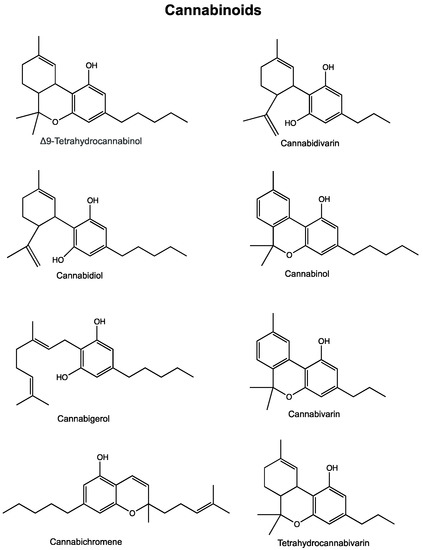
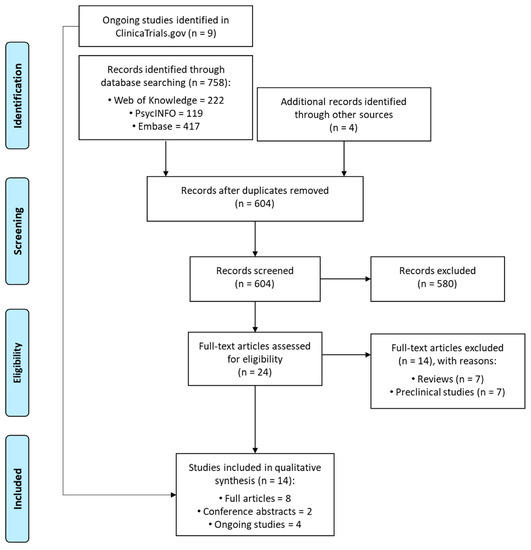
 “The etiopathogenesis of autism spectrum disorder (ASD) remains largely unclear.
Among other biological hypotheses, researchers have evidenced an imbalance in the endocannabinoid (eCB) system, which regulates some functions typically impaired in ASD, such as emotional responses and social interaction. Additionally, cannabidiol (CBD), the non-intoxicating component of Cannabis sativa, was recently approved for treatment-resistant epilepsy.
Epilepsy represents a common medical condition in people with ASD. Additionally, the two conditions share some neuropathological mechanisms, particularly GABAergic dysfunctions. Hence, it was hypothesized that cannabinoids could be useful in improving ASD symptoms.
The findings were promising, as cannabinoids appeared to improve some ASD-associated symptoms, such as problem behaviors, sleep problems, and hyperactivity, with limited cardiac and metabolic side effects. Conversely, the knowledge of their effects on ASD core symptoms is scarce.
Interestingly, cannabinoids generally allowed to reduce the number of prescribed medications and decreased the frequency of seizures in patients with comorbid epilepsy. Mechanisms of action could be linked to the excitatory/inhibitory imbalance found in people with ASD. However, further trials with better characterization and homogenization of samples, and well-defined outcomes should be implemented.”
https://pubmed.ncbi.nlm.nih.gov/32825313/
https://www.mdpi.com/2076-3425/10/9/572
 “A significant number of epilepsy patients are refractory to conventional antiepileptic drugs. These patients experience considerable neurocognitive impairments that impact their quality of life and ability to function independently. This need for alternative treatment has generated increased interest in cannabis use as a therapeutic option in these patients.
 “Posttraumatic stress disorder (PTSD) may stem from the formation of aberrant and enduring aversive memories. Some PTSD patients have recreationally used Cannabis, probably aiming at relieving their symptomatology.
 “Colorectal cancer represents a heavy burden for health systems worldwide, being the third most common cancer worldwide. Despite the breakthroughs in medicine, current chemotherapeutic options continue to have important side effects and may not be effective in preventing disease progression.

 “Alcohol is a psychoactive substance highly used worldwide, whose harmful use might cause a broad range of mental and behavioural disorders. Underlying brain impact, the neuroinflammatory response induced by alcohol is recognised as a key contributing factor in the progression of other neuropathological processes, such as neurodegeneration. These sequels are determined by multiple factors, including age of exposure.

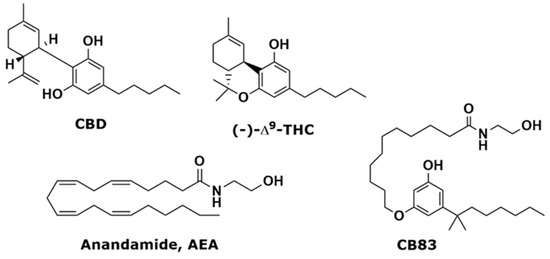
 “Several studies support, both in vitro and in vivo, the anti-cancer effects of cannabidiol (CBD), a transient receptor potential vanilloid 2 (TRPV2) ligand. TRPV2, often dysregulated in tumors, is associated with altered cell proliferation and aggressiveness.

 “Resting-state (rs) network dysfunction is a contributing factor to treatment resistance in epilepsy. In treatment-resistant epilepsy (TRE), pharmacological and nonpharmacological therapies have been shown to improve such dysfunction.
 “Few studies to date have measured the real-time effects of consumption of common and commercially available Cannabis products for the treatment of headache and migraine under naturalistic conditions. This study examines, for the first time, the effectiveness of using dried Cannabis flower, the most widely used type of Cannabis product in the United States, in actual time for treatment of headache- and migraine-related pain and the associations between different product characteristics and changes in symptom intensity following Cannabis use.
 “In recent years, and even more since its legalization in several jurisdictions, cannabis and the endocannabinoid system have received an increasing amount of interest related to their potential exploitation in clinical settings. Cannabinoids have been suggested and shown to be effective in the treatment of various conditions. In cancer, the endocannabinoid system is altered in numerous types of tumours and can relate to cancer prognosis and disease outcome. Additionally, cannabinoids display anticancer effects in several models by suppressing the proliferation, migration and/or invasion of cancer cells, as well as tumour angiogenesis. However, the therapeutic use of cannabinoids is currently limited to the treatment of symptoms and pain associated with chemotherapy, while their potential use as cytotoxic drugs in chemotherapy still requires validation in patients. Along with cannabinoids, cannabis contains several other compounds that have also been shown to exert anti-tumorigenic actions. The potential anti-cancer effects of cannabinoids, terpenes and flavonoids, present in cannabis, are explored in this literature review.”