
“Context: Depression is a severe mental illness caused by a deficiency of dopamine and serotonin. Cannabis sativa L. (Cannabaceae) has long been used to treat pain, nausea, and depression.
Objective: This study investigates the anti-depressant effects of C. sativa (hemp) seed ethanol extract (HE) in chlorpromazine (CPZ)-induced Drosophila melanogaster depression model.
Results: The behavioural patterns of individual flies were significantly reduced with 0.1% CPZ treatment. In contrast, combination treatment of 1.5% HE and 0.1% CPZ significantly increased subjective daytime activity (p < 0.001) and behavioural factors (p < 0.001). These results correlate with increased transcript levels of dopamine (p < 0.001) and serotonin (p < 0.05) receptors and concentration of dopamine (p < 0.05), levodopa (p < 0.001), 5-HTP (p < 0.05), and serotonin (p < 0.001) compared to those in the control group.
Discussion and conclusions: Collectively, HE administration alleviates depression-like symptoms by modulating the circadian rhythm-related behaviours, transcript levels of neurotransmitter receptors, and neurotransmitter levels in the CPZ-induced Drosophila model. However, additional research is needed to investigate the role of HE administration in behavioural patterns, reduction of the neurotransmitter, and signalling pathways of depression in a vertebrate model system.”
https://pubmed.ncbi.nlm.nih.gov/34362287/
“CPZ induces depression-like symptoms, such as changes in behavioural patterns, transcription levels of neurotransmitter receptors, and depression-related neurotransmitter levels in the D. melanogaster depression model. However, administration of HE restores the circadian rhythms, improves locomotor activity, and significantly increases transcription levels of dopamine and serotonin receptors in the depression-induced flies. Based on these findings, we can conclude that HE alleviates depression-like symptoms by increasing the levels of serotonin and dopamine receptors and dopamine, L-DOPA, 5-HTP, and serotonin levels in the brain.”
https://www.tandfonline.com/doi/full/10.1080/13880209.2021.1949356

 “Proteins from hemp bran (HPB), a byproduct of the hemp seed food-processing chain, were chemically extracted, hydrolyzed by Alcalase, and separated by membrane ultrafiltration into four fractions (MW <1, 1-3, 3-5, and >5 kDa).

 “Background:
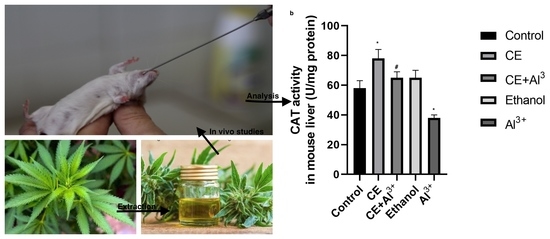
 “In recent decades, a lot of attention has been paid to Cannabis sativa L. due to its useful applications, including in fibers, oil, food for humans and animals, and therapeutics.
 “Background:
 “Objectives:
 “Cannabidiol (CBD), a phytochemical derived from
 “Background:
 “Nowadays cardiovascular diseases (CVDs) are the major causes for the reduction of the quality of life.