
Plant Derived Versus Synthetic Cannabidiol: Wishes and Commitment of Epilepsy Patients

 cannabidiol | www.thctotalhealthcare.com“A special component of cannabis, cannabidiol (CBD), is currently in the focus of epilepsy treatment and research. In this context, we investigated patients’ expectations and preferences pertaining to plant-derived versus synthetic formulation of cannabidiol, as well as their willingness to get this treatment.

Methods: One hundred and four of 153 patients with different forms of epilepsy (54 % female, mean age 40 ± 16 yrs.) responded to the survey. The survey consisted of 8 questions addressing expectations of and concerns towards CBD treatment, preferences of plant-derived versus synthetic CBD, estimated monthly costs, and willingness to buy CBD at one’s own expense.

Results: The majority (73 %) of the responding epilepsy patients wished to receive plant-derived CBD; 5 % preferred synthetic CBD. Reasons for this choice were botanic origin, lack of chemistry, and the assumption of fewer and less dangerous side effects. Eighty-two percent of the patients estimated the monthly costs of CBD treatment to be below €500. Using the willingness-to-pay approach to assess the commitment of patients, 68 % could imagine buying the drug themselves. Fifty-three percent of these would be willing to pay up to €100, 40 % €100 to €200, and another 7 % €200 to €500 per month.

Conclusion: There is an overwhelming preference towards plant-derived cannabidiol in epilepsy patients, driven by the idea of organic substances being safer and better tolerated than synthetic. The willingness-to-pay approach reflects the high burden and pressure of uncontrolled epilepsy and the expectation of relief. Non-realistic ideas of pricing as well as what patients would be willing and able to pay confirm this perception.”

https://pubmed.ncbi.nlm.nih.gov/32554292/

“Epilepsy patients preferred plant-derived cannabidiol to synthetic cannabidiol.”

https://www.seizure-journal.com/article/S1059-1311(20)30175-8/pdf

Cannabinoids as anti-ROS in Aged Pancreatic Islet Cells

Life Sciences“Cannabinoids are the chemical compounds with a high affinity for cannabinoid receptors affecting the central nervous system through the release of neurotransmitters. However, the current knowledge related to the role of such compounds in the regulation of cellular aging is limited. This study aimed to investigate the effect of cannabidiol and tetrahydrocannabinol on the function of aged pancreatic islets.

Main methods: The expression of p53, p38, p21, p16, and Glut2 genes and β-galactosidase activity were measured as hallmarks of cell aging applying real-time PCR, ELISA, and immunocytochemistry techniques. Pdx1 protein expression, insulin release, and oxidative stress markers were compared between young and aged rat pancreatic islet cells.

Key findings: Upon the treatment of aged pancreatic islets cells with cannabidiol and tetrahydrocannabinol, the expression of p53, p38, p21 and the activity of β-galactosidase were reduced. Cannabidiol and tetrahydrocannabinol increase insulin release, Pdx1, Glut2, and thiol molecules expression, while the oxidative stress parameters were decreased. The enhanced expression of Pdx1 and insulin release in aged pancreatic islet cells reflects the extension of cell healthy aging due to the significant reduction of ROS.

Significance: This study provides evidence for the involvement of cannabidiol and tetrahydrocannabinol in the oxidation process of cellular aging.”

https://pubmed.ncbi.nlm.nih.gov/32553926/

https://www.sciencedirect.com/science/article/abs/pii/S0024320520307190?via%3Dihub

“Reactive oxygen species (ROS) are chemically reactive chemical species containing oxygen. ROS can damage lipid, DNA, RNA, and proteins, which, in theory, contributes to the physiology of aging.” https://en.wikipedia.org/wiki/Reactive_oxygen_species

Effectiveness of Cannabidiol in a Prospective Cohort of Children With Drug-Resistant Epileptic Encephalopathy in Argentina

“We report our preliminary findings regarding effectiveness, safety, and tolerability of cannabidiol (CBD) added to antiepileptic therapy in a cohort of children with drug-resistant epileptic encephalopathies (EEs) with a mean follow-up of 8.5 months (range, 3-12 months).

Methods: A prospective cohort study was designed with the aim of assessing the effectiveness, safety, and tolerability of the addition of CBD to standard antiseizure medications (ASMs) in children with drug-resistant EE enrolled at a single center (Neurology Department, Hospital de Pediatría “Juan P. Garrahan”, Buenos Aires, Argentina).

Results: Fifty patients were enrolled between October 2018 and October 2019, 49 of whom had a follow-up of at least 3 months at the time this interim analysis was performed. Mean age at enrollment was 10.5 years (range 2-16). Median age at first seizure was 7 months. Up to the last visit of each patient (follow-up 3-12 months) 39/49 children (80 %) had responded to treatment with a decrease in seizure frequency. Overall, 77.6 % of the patients had a seizure reduction of at least 25 %, 73.5 % had a ≥ 50 % reduction, and 49 % had a ≥ 75 % reduction. Mean monthly seizure frequency was reduced from 959 to 381 (median decrease from 299 to 102, range, 38-1900; median decrease 66 %, p < 0.001). All adverse effects were mild or moderate. The most common adverse effect was drowsiness (in 32 %), usually reversed by adjusting clobazam dose (in 12 children).

Conclusion: In children with drug-resistant EEs, CBD oil as an adjuvant therapy to antiepileptic therapy seems safe, well tolerated, and effective.”

https://pubmed.ncbi.nlm.nih.gov/32544657/

“Cannibidiol showed good effectiveness, with a ≥ 50 % reduction in seizure frequency in 73.5 % of the patients. Good results were obtained in patients with Lennox-Gastaut and Dravet syndromes. In epileptic encephalopathies other than Lennox-Gastaut results were also good. Cannabidiol showed good safety and tolerability as all adverse effects were mild or moderate.”

https://www.seizure-journal.com/article/S1059-1311(20)30167-9/pdf

Isolation, Purification, and Antimicrobial Characterization of Cannabidiolic Acid and Cannabidiol From Cannabis sativa L

biomolecules-logo“The emergence of multi-drug resistant bacteria such as methicillin-resistant Staphylococcus aureus (MRSA) causes a major threat to public health due to its limited therapeutic options.
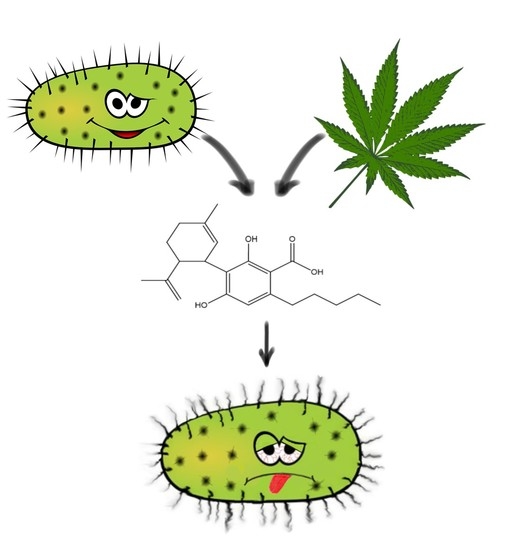
There is an urgent need for the development of new effective antimicrobial agents and alternative strategies that are effective against resistant bacteria.

The parallel legalization of cannabis and its products has fueled research into its many therapeutic avenues in many countries around the world.

This study aimed at the development of a reliable method for the extraction, purification, characterization, and quantification of cannabidiolic acid (CBDA) and its decarboxylated form cannabidiol (CBD) present in the fiber type Cannabis sativa L.

Overall, CBD exhibited a strong antimicrobial effect against Gram-positive strains and could serve as an alternative drug for tackling MRSA.”

https://pubmed.ncbi.nlm.nih.gov/32545687/

https://www.mdpi.com/2218-273X/10/6/900

Long-term Assessment of the Cognitive Effects of Nabiximols in Patients With Multiple Sclerosis: A Pilot Study

Clinical Neurology and Neurosurgery “Moderate to severe spasticity is commonly reported in Multiple Sclerosis (MS) and its management is still a challenge. Cannabinoids were recently suggested as add-on therapy for the treatment of spasticity and chronic pain in MS but there is no conclusive scientific evidence on their safety, especially on cognition and over long periods.

The aim of this prospective pilot study was to assess the long-term effects of a tetrahydrocannabinol-cannabidiol (THC/CBD) oromucosal spray (Sativex®) on cognition, mood and anxiety.

Results: Twenty per protocol patients were followed up and evaluated at baseline, 6 and 12 months. Domains involving processing speed and auditory verbal memory significantly improved within the first 6 months of therapy (SDMT: p < 0.001; CVLT: p = 0.0001). Mood and anxiety did not show any significant variation. Additionally, the NRS score significantly improved since the beginning (p < 0.0001).

Conclusions: These results are encouraging in supporting possible long-term benefits of Sativex on cognition and a wider role than symptom alleviator. Further studies on larger groups of patients would be necessary in order to test this intriguing possibility.”

https://pubmed.ncbi.nlm.nih.gov/32526487/

“Under Nabiximols some cognitive domains improved after 12 months, and the therapy was safely tolerated.”

https://www.sciencedirect.com/science/article/abs/pii/S0303846720303334?via%3Dihub

The Potential of Cannabidiol in the COVID-19 Pandemic: A Hypothesis Letter

British Journal of Pharmacology“Identifying candidate drugs effective in the new coronavirus disease 2019 (Covid-19) is crucial, pending a vaccine against SARS-CoV2. We suggest the hypothesis that Cannabidiol (CBD), a non-psychotropic phytocannabinoid, has the potential to limit the severity and progression of the disease for several reasons: 1) High-CBD Cannabis Sativa extracts are able to downregulate the expression of the two key receptors for SARS-CoV2 in several models of human epithelia 2) CBD exerts a wide range of immunomodulatory and anti-inflammatory effects and it can mitigate the uncontrolled cytokine production featuring Acute Lung Injury 3) Being a PPARγ agonist, it can display a direct antiviral activity 4) PPARγ agonists are regulators of fibroblast/myofibroblast activation and can inhibit the development of pulmonary fibrosis, thus ameliorating lung function in recovered patients. We hope our hypothesis, corroborated by several preclinical evidence, will inspire further targeted studies to test CBD as a support drug against the COVID-19 pandemic.”

https://pubmed.ncbi.nlm.nih.gov/32519753/

https://bpspubs.onlinelibrary.wiley.com/doi/abs/10.1111/bph.15157

Conversion of Cannabidiol (CBD) Into Psychotropic Cannabinoids Including Tetrahydrocannabinol (THC): A Controversy in the Scientific Literature

PubMed Overview “Cannabidiol (CBD) is a naturally occurring, non-psychotropic cannabinoid of the hemp plant Cannabis sativa L. and has been known to induce several physiological and pharmacological effects. While CBD is approved as a medicinal product subject to prescription, it is also widely sold over the counter (OTC) in the form of food supplements, cosmetics and electronic cigarette liquids. However, regulatory difficulties arise from its origin being a narcotic plant or its status as an unapproved novel food ingredient.

Regarding the consumer safety of these OTC products, the question whether or not CBD might be degraded into psychotropic cannabinoids, most prominently tetrahydrocannabinol (THC), under in vivo conditions initiated an ongoing scientific debate. This feature review aims to summarize the current knowledge of CBD degradation processes, specifically the results of in vitro and in vivo studies. Additionally, the literature on psychotropic effects of cannabinoids was carefully studied with a focus on the degradants and metabolites of CBD, but data were found to be sparse.

While the literature is contradictory, most studies suggest that CBD is not converted to psychotropic THC under in vivo conditions. Nevertheless, it is certain that CBD degrades to psychotropic products in acidic environments. Hence, the storage stability of commercial formulations requires more attention in the future.”

https://pubmed.ncbi.nlm.nih.gov/32503116/


Evaluation of Repeated or Acute Treatment With Cannabidiol (CBD), Cannabidiolic Acid (CBDA) or CBDA Methyl Ester (HU-580) on Nausea and/or Vomiting in Rats and Shrews

 SpringerLink“Rationale: When acutely administered intraperitoneally, the non-psychoactive cannabinoid cannabidiol (CBD), its acidic precursor cannabidiolic acid (CBDA) and a stable methyl ester of CBDA (HU-580) reduce lithium chloride (LiCl)-induced conditioned gaping in male rats (a selective preclinical model of acute nausea) via activation of the serotonin 1A (5-HT1A) receptor.

Objectives: To utilise these compounds to manage nausea in the clinic, we must determine if their effectiveness is maintained when injected subcutaneously (s.c) and when repeatedly administered. First, we compared the effectiveness of each of these compounds to reduce conditioned gaping following repeated (7-day) and acute (1-day) pretreatments and whether these anti-nausea effects were mediated by the 5-HT1A receptor. Next, we assessed whether the effectiveness of these compounds can be maintained when administered prior to each of 4 conditioning trials (once per week). We also evaluated the ability of repeated CBD (7 days) to reduce LiCl-induced vomiting in Suncus murinus. Finally, we examined whether acute CBD was equally effective in male and female rats.

Results: Both acute and repeated (7 day) s.c. administrations of CBD (5 mg/kg), CBDA (1 μg/kg) and HU-580 (1 μg/kg) similarly reduced LiCl-induced conditioned gaping, and these effects were blocked by 5HT1A receptor antagonism. When administered over 4 weekly conditioning trials, the anti-nausea effectiveness of each of these compounds was also maintained. Repeated CBD (5 mg/kg, s.c.) maintained its anti-emetic efficacy in S. murinus. Acute CBD (5 and 20 mg/kg, s.c.) administration reduced LiCl-induced conditioned gaping similarly in male and female rats.

Conclusion: When administered repeatedly (7 days), CBD, CBDA and HU-580 did not lose efficacy in reducing nausea and continued to act via agonism of the 5-HT1A receptor. When administered across 4 weekly conditioning trials, they maintained their effectiveness in reducing LiCl-induced nausea. Repeated CBD also reduced vomiting in shrews. Finally, CBD’s anti-nausea effects were similar in male and female rats. This suggests that these cannabinoids may be useful anti-nausea and anti-emetic treatments for chronic conditions, without the development of tolerance.”

https://pubmed.ncbi.nlm.nih.gov/32488349/

https://link.springer.com/article/10.1007%2Fs00213-020-05559-z

Cannabidiol Disrupts Conditioned Fear Expression and Cannabidiolic Acid Reduces Trauma-Induced Anxiety-Related Behaviour in Mice

Behavioural Pharmacology (journal) - Wikipedia“The major phytocannabinoid cannabidiol (CBD) has anxiolytic properties and lacks tetrahydrocannabinol-like psychoactivity. Cannabidiolic acid (CBDA) is the acidic precursor to CBD, and this compound appears more potent than CBD in animal models of emesis, pain and epilepsy. In this short report, we aimed to examine whether CBDA is more potent than CBD in disrupting expression of conditioned fear and generalised anxiety-related behaviour induced by Pavlovian fear conditioning. Mice underwent fear conditioning and 24 h later were administered CBD and CBDA before testing for fear expression and generalized anxiety-like behaviour. We found that CBD and CBDA had dissociable effects; while CBD but not CBDA disrupted cued fear memory expression, CBDA but not CBD normalized trauma-induced generalized anxiety-related behaviour. Neither phytocannabinoid affected contextual fear expression. Our findings form the basis for future experiments examining whether phytocannabinoids, alone and in combination, are effective in these mouse models of fear and anxiety.”

https://pubmed.ncbi.nlm.nih.gov/32483052/

https://journals.lww.com/behaviouralpharm/Abstract/9000/Cannabidiol_disrupts_conditioned_fear_expression.99176.aspx

A Pilot Randomised Placebo-Controlled Trial of Cannabidiol to Reduce Severe Behavioural Problems in Children and Adolescents With Intellectual Disability

 British Journal of Clinical Pharmacology“Introduction: Severe Behavioural Problems (SBP) are a major contributor to morbidity in children with Intellectual Disability (ID). Medications used to treat SBP in ID are associated with a high risk of side effects. Cannabidiol has potential therapeutic effects in SBP. This pilot study aimed to investigate the feasibility of conducting a randomized placebo-controlled trial of cannabidiol to reduce SBP in children with ID.

Methods: Double-blind, placebo-controlled, two-armed, parallel-design, randomised controlled trial of cannabidiol in children aged 8 – 16 years with ID and SBP. Participants were randomized 1:1 to receive either 98% cannabidiol in oil (Tilray, Canada) or placebo orally for 8 weeks. The dose was up-titrated over 9 days to 20mg/kg/day in two divided doses, with a maximum dose of 500mg twice/day. The feasibility and acceptability of all study components were assessed.

Results: Eight children were randomised, and all completed the full study protocol. There were no Serious Adverse Events or drop-outs. Protocol adherence for key study components was excellent: study visits 100%, medication adherence 100%, blood tests 92%, and questionnaire completion 88%. Parents reported a high degree of acceptability with the study design. All parents reported they would recommend the study to other families with children with similar problems. There was an efficacy signal in favour of active drug.

Conclusions: The findings suggest that the study protocol is feasible and acceptable to patients with ID and SBP and their families.”

https://pubmed.ncbi.nlm.nih.gov/32478863/

https://bpspubs.onlinelibrary.wiley.com/doi/abs/10.1111/bcp.14399
