
Cannabinoids for skin diseases and hair regrowth

“The use of cannabis for skin diseases and hair regrowth is at the preliminary stage.

Legalization: Many countries have approved cannabis for medical use; however, four countries Canada, Uruguay, South Africa, and Georgia have legalized it for both medical and recreational purposes.

The endocannabinoid system: The endocannabinoid system may maintain skin homeostasis; two notable endocannabinoids include 2-Arachidonoylglycerol (2-AG) and N-arachidonoylethanolamine (AEA).

Routes of administration and pharmacokinetics: Topical cannabinoids can avoid the first-pass metabolism and reduce respiratory side effects; however, the high hydrophobicity of cannabinoids may hinder percutaneous absorption.

Skin disorders and hair growth: Human clinical studies suggest that cannabinoids may be used in eczema, acne, pruritus, and systemic sclerosis treatment. Cannabidiol (CBD) may enhance hair growth via multiple mechanisms.

Safety: Topical cannabis may cause mild side effects such as pruritus, burning, erythema, and stinging; they are relatively safer than inhalation and oral cannabis. Cannabis use may be associated with allergic symptoms and reduced immune response to live vaccination.

Cannabinoids in practice: Despite growing interest, dermatologists should be cautious prescribing cannabinoids due to insufficient clinical data on both efficacy and safety.”

https://pubmed.ncbi.nlm.nih.gov/34363728/

https://onlinelibrary.wiley.com/doi/10.1111/jocd.14352
 

Myrcene-What Are the Potential Health Benefits of This Flavouring and Aroma Agent?

Neuroenergetics, Nutrition and Brain Health | Authors“Myrcene (β-myrcene) is an abundant monoterpene which occurs as a major constituent in many plant species, including hops and cannabis. It is a popular flavouring and aroma agent (food additive) used in the manufacture of food and beverages. This review aims to report on the occurrence, biological and toxicological profile of β-myrcene. The main reported biological properties of β-myrcene-anxiolytic, antioxidant, anti-ageing, anti-inflammatory, analgesic properties-are discussed, with the mechanisms of activity. Here we also discuss recent data regarding the safety of β-myrcene. Overall, β-myrcene has shown promising health benefits in many animal studies. However, studies conducted in humans is lacking. In the future, there is potential for the formulation and production of non-alcoholic beers, functional foods and drinks, and cannabis extracts (low in THC) rich in β-myrcene.”

https://pubmed.ncbi.nlm.nih.gov/34350208/

“β-Myrcene characteristically gives cannabis strains a mildly sweet flavour profile and provides scent notes that are spicy, earthy and musky. Cannabis strains which contain high concentrations of myrcene (>0.5% myrcene), are likely to induce sedative qualities (“couch-lock effect”), which are classically attributed to Cannabis indica Lam (a synonym of C. sativa L.) strains. On the other hand, strains low in β-myrcene (<0.5%) are likely to induce a more energic “high”.β-Myrcene reported biological activities include analgesic, sedative, antidiabetic, antioxidant, anti-inflammatory, antibacterial, and anticancer effects.”

https://www.frontiersin.org/articles/10.3389/fnut.2021.699666/full

Anti-depressant effects of ethanol extract from Cannabis sativa (hemp) seed in chlorpromazine-induced Drosophila melanogaster depression model

Publication Cover“Context: Depression is a severe mental illness caused by a deficiency of dopamine and serotonin. Cannabis sativa L. (Cannabaceae) has long been used to treat pain, nausea, and depression.

Objective: This study investigates the anti-depressant effects of C. sativa (hemp) seed ethanol extract (HE) in chlorpromazine (CPZ)-induced Drosophila melanogaster depression model.

Results: The behavioural patterns of individual flies were significantly reduced with 0.1% CPZ treatment. In contrast, combination treatment of 1.5% HE and 0.1% CPZ significantly increased subjective daytime activity (p < 0.001) and behavioural factors (p < 0.001). These results correlate with increased transcript levels of dopamine (p < 0.001) and serotonin (p < 0.05) receptors and concentration of dopamine (p < 0.05), levodopa (p < 0.001), 5-HTP (p < 0.05), and serotonin (p < 0.001) compared to those in the control group.

Discussion and conclusions: Collectively, HE administration alleviates depression-like symptoms by modulating the circadian rhythm-related behaviours, transcript levels of neurotransmitter receptors, and neurotransmitter levels in the CPZ-induced Drosophila model. However, additional research is needed to investigate the role of HE administration in behavioural patterns, reduction of the neurotransmitter, and signalling pathways of depression in a vertebrate model system.”

https://pubmed.ncbi.nlm.nih.gov/34362287/

“CPZ induces depression-like symptoms, such as changes in behavioural patterns, transcription levels of neurotransmitter receptors, and depression-related neurotransmitter levels in the D. melanogaster depression model. However, administration of HE restores the circadian rhythms, improves locomotor activity, and significantly increases transcription levels of dopamine and serotonin receptors in the depression-induced flies. Based on these findings, we can conclude that HE alleviates depression-like symptoms by increasing the levels of serotonin and dopamine receptors and dopamine, L-DOPA, 5-HTP, and serotonin levels in the brain.”

https://www.tandfonline.com/doi/full/10.1080/13880209.2021.1949356

Antioxidant and Angiotensin I-Converting Enzyme (ACE) Inhibitory Peptides Obtained from Alcalase Protein Hydrolysate Fractions of Hemp ( Cannabis sativa L.) Bran

Go to Journal of Agricultural and Food Chemistry “Proteins from hemp bran (HPB), a byproduct of the hemp seed food-processing chain, were chemically extracted, hydrolyzed by Alcalase, and separated by membrane ultrafiltration into four fractions (MW <1, 1-3, 3-5, and >5 kDa).


The antioxidant and antihypertensive properties of the initial extract and the fractions were evaluated by in vitro assays for their ability to scavenge radical species, bind with metal ions, reduce ferric ions, and inhibit angiotensin-converting enzyme (ACE) activity.

The hydrolysate was strongly antioxidant and ACE-inhibiting; the most bioactive peptides were further concentrated by ultrafiltration. Of the 239 peptides identified, 47 (12 antioxidant and 35 ACE-inhibitory) exhibited structural features correlated with the specific bioactivity.

These results highlight the promise of hydrolysate and size-based HPB fractions as natural functional ingredients for the food or pharmaceutical industry.”

https://pubmed.ncbi.nlm.nih.gov/34353019/

“In conclusion, this study highlights the potential use of HPB hydrolysate and fractions as multifunctional ingredients for the development of new healthy foods or for the pharmaceutical industry. ”

https://pubs.acs.org/doi/10.1021/acs.jafc.1c01487

The Effects of Cannabis sativa L. Extract on Oxidative Stress Markers In Vivo

life-logo“In recent decades, a lot of attention has been paid to Cannabis sativa L. due to its useful applications, including in fibers, oil, food for humans and animals, and therapeutics.
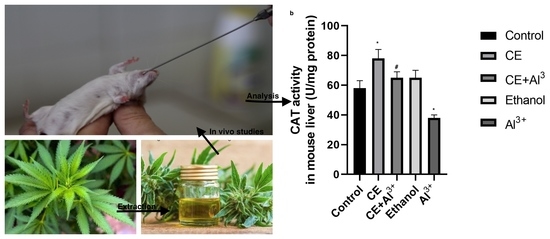

The present study aimed to determine antioxidant activity of cannabinoids in Cannabis sativa L. in vivo, evaluating the possible antioxidative effect of Cannabis sativa L. extract (CE) on malondialdehyde (MDA) and glutathione (GSH) concentrations as well as on catalase (CAT) activity in BALB/c mice.

The findings in vivo indicate that Cannabis sativa L. is a good source of natural antioxidants and can be used in the management of oxidative stress.”

https://pubmed.ncbi.nlm.nih.gov/34357019/

https://www.mdpi.com/2075-1729/11/7/647

A Novel Mechanism of Cannabidiol in Suppressing Hepatocellular Carcinoma by Inducing GSDME Dependent Pyroptosis

Frontiers in Cell and Developmental Biology - Institut de Myologie“Cannabidiol (CBD), a phytochemical derived from Cannabis sativa L., has been demonstrated to exhibit promising anti-tumor properties in multiple cancer types. However, the effects of CBD on hepatocellular carcinoma (HCC) cells remain unknown. We have shown that CBD effectively suppresses HCC cell growth in vivo and in vitro, and induced HCC cell pyroptosis in a caspase-3/GSDME-dependent manner. We further demonstrated that accumulation of integrative stress response (ISR) and mitochondrial stress may contribute to the initiation of pyroptotic signaling by CBD. Simultaneously, CBD can repress aerobic glycolysis through modulation of the ATF4-IGFBP1-Akt axis, due to the depletion of ATP and crucial intermediate metabolites. Collectively, these observations indicate that CBD could be considered as a potential compound for HCC therapy.”

https://pubmed.ncbi.nlm.nih.gov/34350183/

“Hepatocellular carcinoma (HCC) is an extremely malignant cancer, accounting for almost 95% of primary liver cancer cases. Cannabidiol (CBD), a phytochemical derived from Cannabis sativa L., has been shown to have anti-tumor activity and to be a potential compound for tumor therapy. Previous studies have demonstrated that CBD treatment could effectively induce cell apoptosis in tumor cells. In this study, we have shown that CBD can effectively suppress HCC cell growth both in vitro and in vivo, which was similar to the anti-tumor activity of CBD observed in other cancer types. In summary, a mechanistic model of CBD anti-tumor activity in HCC cell pyroptosis and growth was demonstrated. All the observations described herein reveal a novel mechanism of the anti-tumor activity of CBD in HCC cells, suggesting that CBD could be considered as a promising compound for HCC therapy.”

https://www.frontiersin.org/articles/10.3389/fcell.2021.697832/full

Combination therapy with cannabidiol and chemotherapeutics in canine urothelial carcinoma cells

“Background: Canine urothelial carcinoma is the most common form of canine bladder cancer. Treatment with chemotherapy has variable response rates leading to most dogs succumbing to their disease within a year. Cannabidiol is an emerging treatment within the field of oncology. In reported in vivo studies, cannabidiol has induced apoptosis, reduced cell migration, and acted as a chemotherapy sensitizer in various human tumor types. The aim of this study was to characterize the effects of cannabidiol on canine urothelial carcinoma cell viability and apoptosis as both a single agent and in combination with chemotherapy in vitro.

Results: Cannabidiol reduced cell viability and induced apoptosis in canine urothelial cells as determined by crystal violet viability assay and annexin V/propidium iodide flow cytometry. Furthermore, combinations of cannabidiol with mitoxantrone and vinblastine chemotherapy yielded significantly reduced cell viability and increased apoptosis compared to single agent treatment alone. The drug interactions were deemed synergistic based on combination index calculations. Conversely, the combination of cannabidiol and carboplatin did not result in decreased cell viability and increased apoptosis compared to single agent treatment. Combination index calculations suggested an antagonistic interaction between these drugs. Finally, the combination of the non-steroidal anti-inflammatory drug piroxicam with cannabidiol did not significantly affect cell viability, although, some cell lines demonstrated decreased cell viability when mitoxantrone was combined with piroxicam.

Conclusions: Cannabidiol showed promising results as a single agent or in combination with mitoxantrone and vinblastine for treatment of canine urothelial carcinoma cells. Further studies are justified to investigate whether these results are translatable in vivo.”

https://pubmed.ncbi.nlm.nih.gov/34352013/

“Cannabidiol (CBD) is a phytocannabinoid derived from the Cannabis sativa plant with well-documented analgesic, anti-inflammatory, and anxiolytic effects. This study determined that CBD treatment reduced viability and induced cell death in canine urothelial carcinoma cells in vitro. Taken together, these results suggest that CBD may be a potential treatment for use in combination with chemotherapeutic agents to improve canine UC carcinoma response rates and survival.”

https://journals.plos.org/plosone/article?id=10.1371/journal.pone.0255591


The Pharmacological Effects of Plant-Derived versus Synthetic Cannabidiol in Human Cell Lines

/WebMaterial/ShowPic/1344608“Introduction: Cannabidiol (CBD) can be isolated from Cannabis sativa L. or synthetically produced. The aim of this study was to compare the in vitro effects of purified natural and synthetic CBD to establish any pharmacological differences or superiority between sources. 

Conclusion: Our results suggest that there is no pharmacological difference in vitro in the antiproliferative, anti-inflammatory, or permeability effects of purified natural versus synthetic CBD. The purity and reliability of CBD samples, as well as the ultimate pharmaceutical preparation, should all be considered above the starting source of CBD in the development of new CBD medicines.

This study demonstrates for the first time that the anticancer, neuroprotective, and intestinal barrier protective properties of purified CBD are similar regardless of the source from which CBD is derived. From a pharmacological perspective, where a molecular target is implicated (i.e., 5HT1A in stroke and CB1 in gut permeability), the effects of CBD were similar. This suggests that any beneficial effects that could be achieved in a clinical setting for purified CBD are likely to be similar at a pharmacodynamic level.”

https://www.karger.com/Article/FullText/517120

“Study finds no in-vitro pharmacological difference in the antiproliferative, anti-inflammatory, or permeability effects of purified natural versus synthetic CBD”

https://www.streetinsider.com/Globe+Newswire/Artelo+Biosciences+Announces+Publication+of+Study+Results+Comparing+the+Pharmacological+Effects+of+Plant-Derived+Versus+Synthetic+Cannabidiol+in+Human+Cell+Lines/18767297.html

An overview on plants cannabinoids endorsed with cardiovascular effects

Biomedicine & Pharmacotherapy“Nowadays cardiovascular diseases (CVDs) are the major causes for the reduction of the quality of life.

The endocannabinoid system is an attractive therapeutic target for the treatment of cardiovascular disorders due to its involvement in vasomotor control, cardiac contractility, blood pressure and vascular inflammation. Alteration in cannabinoid signalling can be often related to cardiotoxicity, circulatory shock, hypertension, and atherosclerosis.

Plants have been the major sources of medicines until modern eras in which researchers are experiencing a rediscovery of natural compounds as novel therapeutics.

One of the most versatile plant is Cannabis sativa L., containing phytocannabinoids that may play a role in the treatment of CVDs.

The aim of this review is to collect and investigate several less studied plants rich in cannabinoid-like active compounds able to interact with cannabinoid system; these plants may play a pivotal role in the treatment of disorders related to the cardiovascular system.”

https://pubmed.ncbi.nlm.nih.gov/34332376/

“Cannabis sativa L. is the most investigated source of phytocannabinoids. Other plants are a rich source of cannabinoid-like compounds. Cannabinoid-like compounds may interact with cannabinoid system. Most of them may exhibit a protective role on cardiovascular system.” 

https://www.sciencedirect.com/science/article/pii/S0753332221007459?via%3Dihub


Cannabidiol Loaded Extracellular Vesicles Sensitize Triple-Negative Breast Cancer to Doxorubicin in both in-vitro and in vivo Models Running Title: Formulation and anti-cancer potential of CBD loaded hUCMSC-derived Extracellular Vesicles in TNBC

International Journal of Pharmaceutics“Extracellular Vesicles (EVs) were isolated from human umbilical cord mesenchymal stem cells (hUCMSCs) and were further encapsulated with cannabidiol (CBD) through sonication method (CBD EVs). CBD EVs displayed an average particle size of 114.1±1.02 nm, zeta potential of -30.26±0.12 mV, entrapment efficiency of 92.3±2.21% and stability for several months at 4 °C. CBD release from the EVs was observed as 50.74±2.44% and 53.99±1.4% at pH 6.8 and pH 7.4, respectively after 48 h. Ourin-vitrostudies demonstrated that CBD either alone or in EVs form significantly sensitized MDA-MB-231 cells to doxorubicin (DOX) (*P<0.05). Flow cytometry and migration studies revealed that CBD EVs either alone or in combination with DOX induced G1 phase cell cycle arrest and decreased migration of MDA-MB-231 cells, respectively. CBD EVs and DOX combination significantly reduced tumor burden (***P<0.001) in MDA-MB-231 xenograft tumor model. Western blotting and immunocytochemical analysis demonstrated that CBD EVs and DOX combination decreased the expression of proteins involved in inflammation, metastasis and increased the expression of proteins involved in apoptosis. CBD EVs and DOX combination will have profound clinical significance in not only decreasing the side effects but also increasing the therapeutic efficacy of DOX in TNBC.”

https://pubmed.ncbi.nlm.nih.gov/34324983/

https://www.sciencedirect.com/science/article/abs/pii/S0378517321007493?via%3Dihub