
 “Background: Neuropathic symptoms have a wide variety of manifestations, ranging from pain to pruritus. Neuropathic pruritus is a type of chronic pruritus related to damaged small fibers. Cannabinoids have evidence to manage neuropathic symptoms. We present a case of refractory neuropathic pruritus that was successfully managed with the use of oral cannabinoids.
Case presentation: A 60-year-old male with amyotrophic lateral sclerosis with ongoing pruritus despite the use of standard neuropathic therapies.
Formulation of a plan: A balanced oral cannabinoid from a licensed producer was preferred as it has evidence for neuropathic symptoms and is generally well tolerated.
Outcome: The patient showed improvement to his pruritus score from 7/10 to 3/10. There was initial increased sedation but tolerance developed quickly.
Lessons learned from case: Cannabinoids are possibly safe and effective in management of neuropathic pruritus.”
https://pubmed.ncbi.nlm.nih.gov/34510973/
“Neuropathic pruritus is a chronic form of pruritus that causes significant symptom burden and can be difficult to treat. Cannabinoids have evidence to manage chronic neuropathic pain. This case demonstrates the safe and effective use of cannabinoids to manage neuropathic pruritus.”
 “Cannabinoids, active components of the plant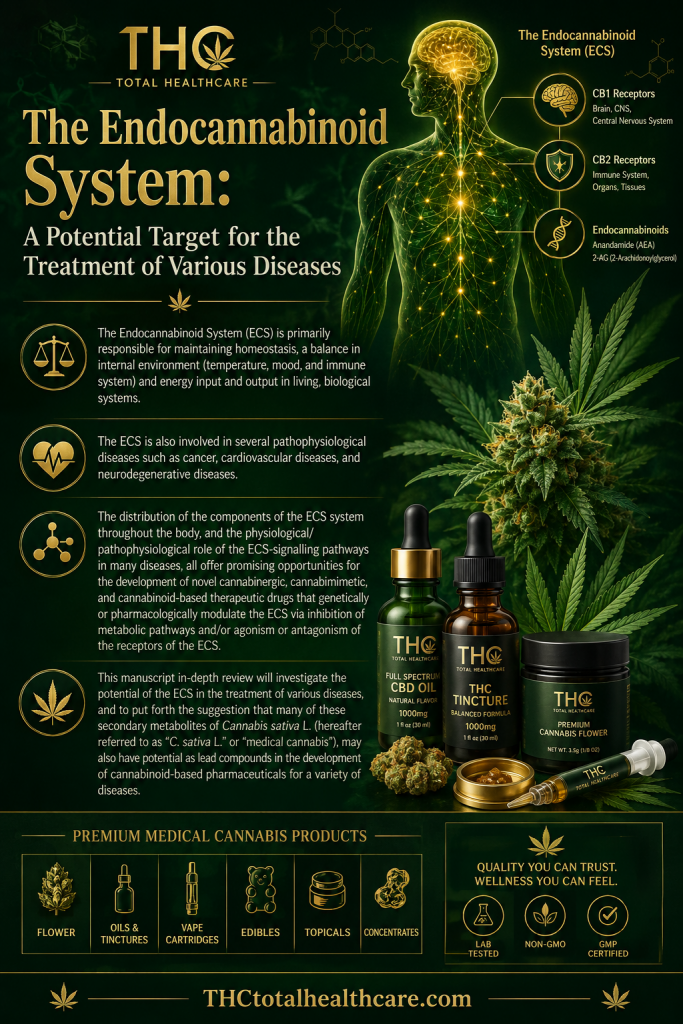
 “The Endocannabinoid System (ECS) is primarily responsible for maintaining homeostasis, a balance in internal environment (temperature, mood, and immune system) and energy input and output in living, biological systems.
 “Cannabidiol (CBD), the major non-psychoactive compound found in cannabis, is frequently used both as a nutraceutical and therapeutic.
  “Clinical and preclinical evidence has indicated that estrogen depletion leads to memory impairments and increases the susceptibility to neural damage.
  “Hemp flour from Dacia Secuieni and Zenit varieties was added to bread in different proportions (5%, 10%, 15% and 20%) to improve its nutritional properties.
 “Persistent inflammation occurs in people with HIV (PWH) and has many downstream adverse effects including myocardial infarction, neurocognitive impairment and death.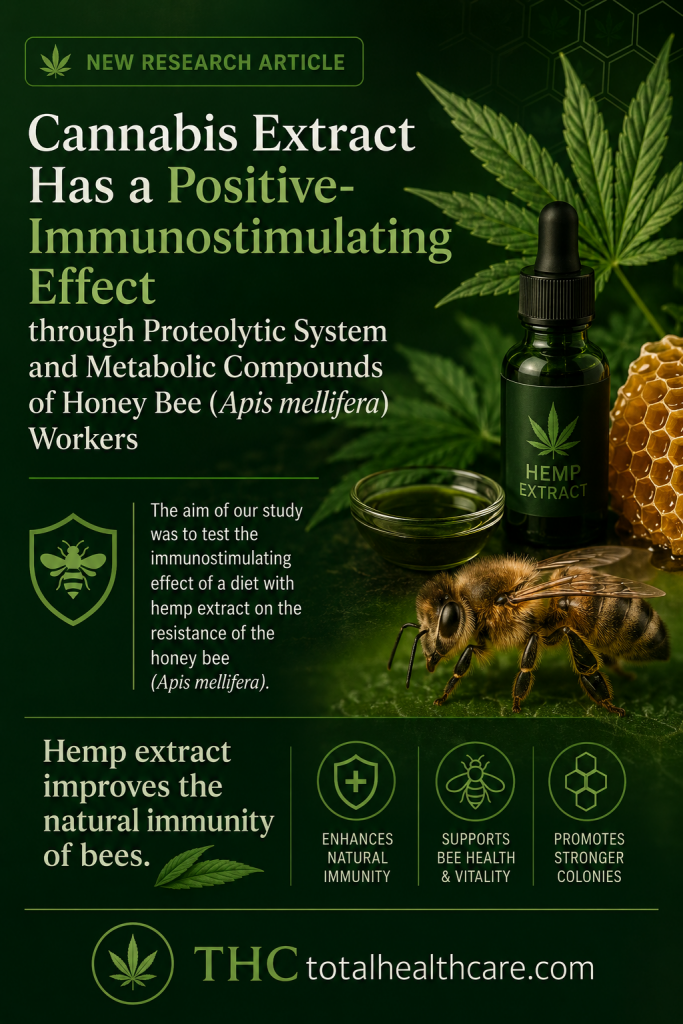
 “In the study, we assessed the effect of hemp extract on activities of resistance parameters and the metabolic compound concentration in adult workers’ hemolymph. Bees were divided into the following groups: (1) control group fed with mixture of sugar and water-glycerine solution, (2) experimental group with pure sugar syrup and inside with cotton strips soaked with hemp extract, (3) experimental group with a mixture of sugar syrup with hemp extract. Hemp extracts caused an increase in the protein concentrations and reduced the protease activities regardless of the administration method. The protease inhibitor activities were decreased only in the group that received hemp extract on the strips. The biomarker activities (ALP, ALT, AST) increased from the control group and workers feeding extract in syrup and decreased in workers supplemented with the extract on strips. In young, 2-day-old workers, the glucose concentration was higher in the groups feeding with the extract than in the control. Hemp extract influenced an increase in urea concentrations in workers’ hemolymph in comparison with the control. The hemp supplementation positively influences the immune system of workers, and the appropriate method of administration may be adapted to the health problems of bees.”